The Michigan Oral Health Coalition (MOHC) works to create a large, interconnected network of national, state and local advocates dedicated to working collaboratively on advocacy, education and awareness of oral health. We strive to keep our members informed on topics relevant to today's oral health advocates. The mission of MOHC is to equitably optimize oral health for all Michiganders. | | |
Legislative Update
House, Senate Prepare for Midterm Election
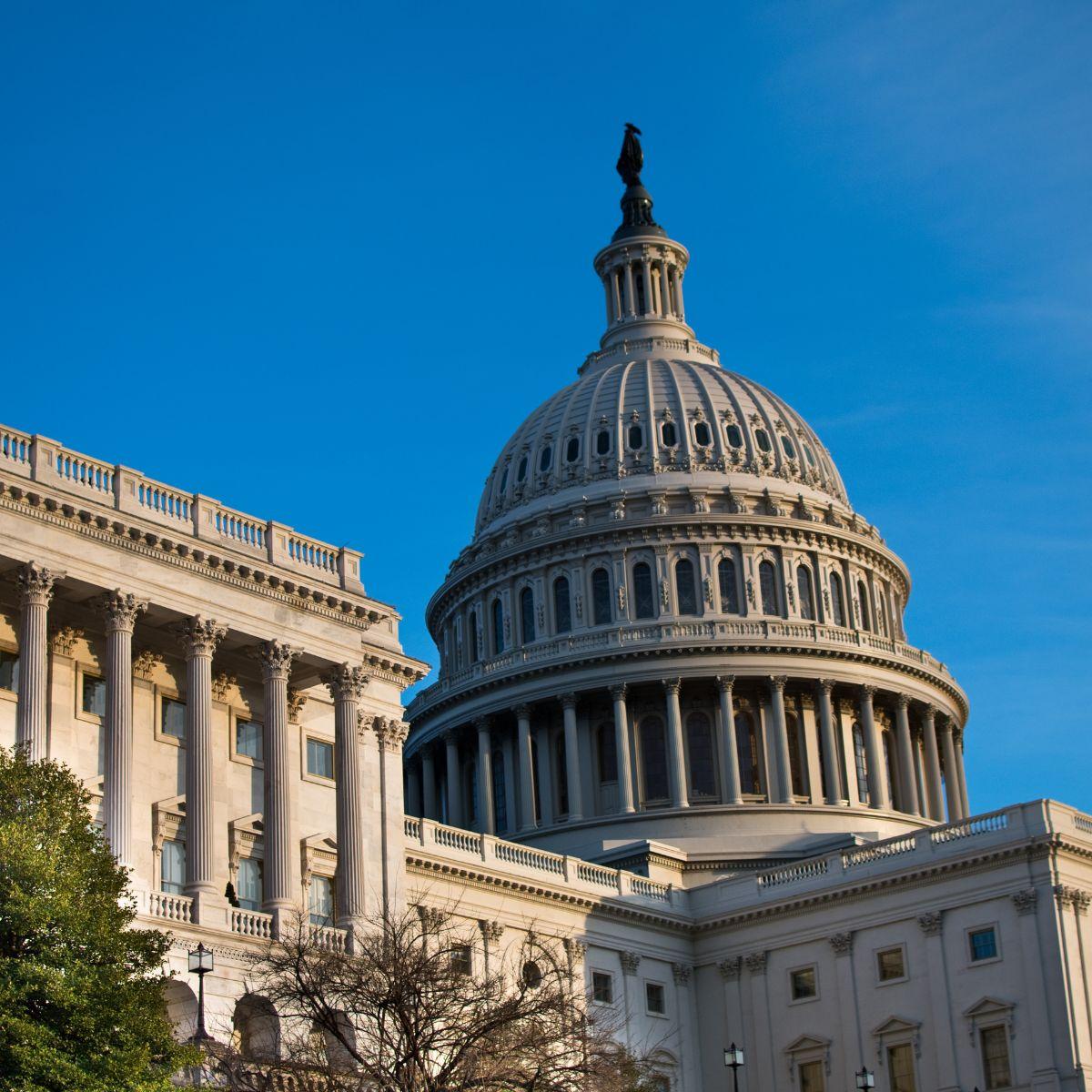
With the November general election approaching, members of the Michigan House and Senate have spent much of October in their districts, with limited legislative activity at the Capitol.
On Tuesday, November 3, Michigan voters will elect a new governor, all 110 members of the Michigan House of Representatives and all 38 members of the Michigan Senate, along with candidates for federal and other state offices.
The leaders elected this November will play an important role in shaping policies and funding decisions that affect oral health across Michigan, including Medicaid dental coverage, access to care, workforce development, public health funding and preventive services.
Oral health is not a partisan issue. It affects individuals, families and communities across Michigan, regardless of political affiliation or geography. As candidates seek to represent Michigan residents, understanding the oral health challenges facing their constituents and the policies needed to address them should be part of the conversation. Regardless of the election's outcome, advancing oral health must remain a priority for Michigan's policymakers.
Engage With Your Candidates
With Election Day approaching, the Michigan Oral Health Coalition (MOHC) encourages members, partners and advocates to engage with candidates across the political spectrum and help elevate oral health as a public policy priority.
Attend a candidate forum, participate in a town hall, contact a campaign or share your experiences about the oral health needs of your community. Ask candidates where they stand on issues such as access to affordable dental care, Medicaid dental benefits, workforce shortages and investments in prevention.
To support these conversations, MOHC recently distributed a 2026 Election Engagement document to help members and partners engage with candidates for state office and communicate the importance of oral health policy.
The American Network of Oral Health Coalitions (ANOHC) also developed a 2026 Election Engagement Toolkit focused on federal candidates. The resource includes sample policy questions, a candidate outreach email template and practical guidance for nonpartisan engagement.
The goal is not to support a political party or candidate. It is to ensure that oral health is recognized, discussed and prioritized by those seeking public office.
Every conversation is an opportunity to educate future policymakers, build relationships and strengthen the voice of Michigan's oral health community.
Regulatory Updates
MDHHS Issues Notice of Proposed Policy for Healthy Adults Dental
The Michigan Department of Health and Human Services (MDHHS) issued a notice of proposed policy bulletin 2644-Dental. The proposed policy would transition Medicaid beneficiaries ages 21 and older enrolled in a Medicaid Health Plan to a new Healthy Adult Dental (HAD) benefit plan beginning January 1, 2027.
This proposed policy follows the fiscal year 2026-2027 state budget, which directed MDHHS to expand the existing Healthy Kids Dental (HKD) to include adults. Anyone wishing to provide public comment can do so by November 9.
MDHHS Proposes Medicaid Eligibility Changes
Proposed policy, 2636-Eligibility would make changes to work requirements for Healthy Michigan Plan (HMP) beneficiaries, including limiting retroactive Medicaid coverage to one month for HMP and two months for all other Medicaid programs (compared to the current three-month requirement), as well as changing the eligibility period from one year to six months beginning January 1, 2027.
These changes are being proposed to bring the state into compliance with H.R. 1, the federal budget reconciliation and tax law passed by Congress and signed into law in 2025. Those wishing to submit public comment on the policy can do so by November 23.
| | |
Federal Updates
Proposed Changes to Head Start Program Performance Standards
The American Network of Oral Health Coalitions (ANOHC) recently submitted comments on the proposed changes to Head Start’s Performance Standards. The comments express concern that the changes would affect children’s access to oral health care services. Previously, federal officials said the proposed changes would reduce regulatory burdens and increase program flexibility. View ANOHC’s full comment.
HHS Awards Funding to Expand Dental Care for Children with Neurodevelopmental Disabilities
The U.S. Department of Health and Human Services (HHS) announced $51 million in funding to 28 federally supported health centers to improve access to dental care for children with autism, Down syndrome, cerebral palsy and other intellectual and neurodevelopmental disabilities.
Awarded through the Health Resources and Services Administration’s (HRSA) Quality Improvement Fund, the grants will provide up to $2 million per health center to expand dental services, strengthen workforce capacity and develop innovative approaches to addressing barriers to oral health care for children with special health care needs.
The initiative also aims to identify effective, sustainable care models that health centers and communities nationwide can replicate. Read the HHS press release.
Congress Sees Limited Legislative Activity Ahead of Election
Both the U.S. House of Representatives and the Senate have seen little legislative activity during October. Instead, lawmakers are spending time in-district campaigning for reelection or preparing for the final months of the current legislative cycle before the next session begins January 3, 2027. Neither chamber plans to reconvene until after the November 3 midterm election. Due to the lack of legislative activity, there are no new updates regarding previously flagged federal oral health and workforce development legislation.
| |
MOHC Receives Grant to Bring Dental Hygienists Back to Rural Practice |
| |  | The Michigan Oral Health Coalition has been awarded $450,000 from the Michigan Department of Health and Human Services to launch a rural dental hygienist re-entry program, one of the first structured pathways in Michigan for licensed hygienists returning to patient care. Funded through the department’s Rural Health Transformation Program, the project will help registered dental hygienists who have left clinical practice, reduced their hours or need updated skills return to work safely and confidently. Participants will complete self-paced online coursework, followed by two days of hands-on clinical training at the University of Detroit Mercy School of Dentistry and ongoing cohort support and continuing education. The program will serve 10 rural counties: Arenac, Clare, Gladwin, Iosco, Isabella, Lake, Mecosta, Montcalm, Ogemaw and Osceola. Rural communities across the state face hygienist retirements, longer recall intervals and high dental-related emergency department use. “Prevention is the most powerful tool we have in oral health, but it only works when someone is there to provide it,” said Kimberly Raleigh, executive director of MOHC. “This program recognizes the expertise dental hygienists already possess and provides a supported pathway back to clinical practice, connecting skilled professionals with communities that need them most.” The grant runs Oct. 1, 2026, through Sept. 30, 2027, with two cohorts planned. Additional details, including program eligibility, application requirements and enrollment opportunities, will be announced in the coming months.
| |
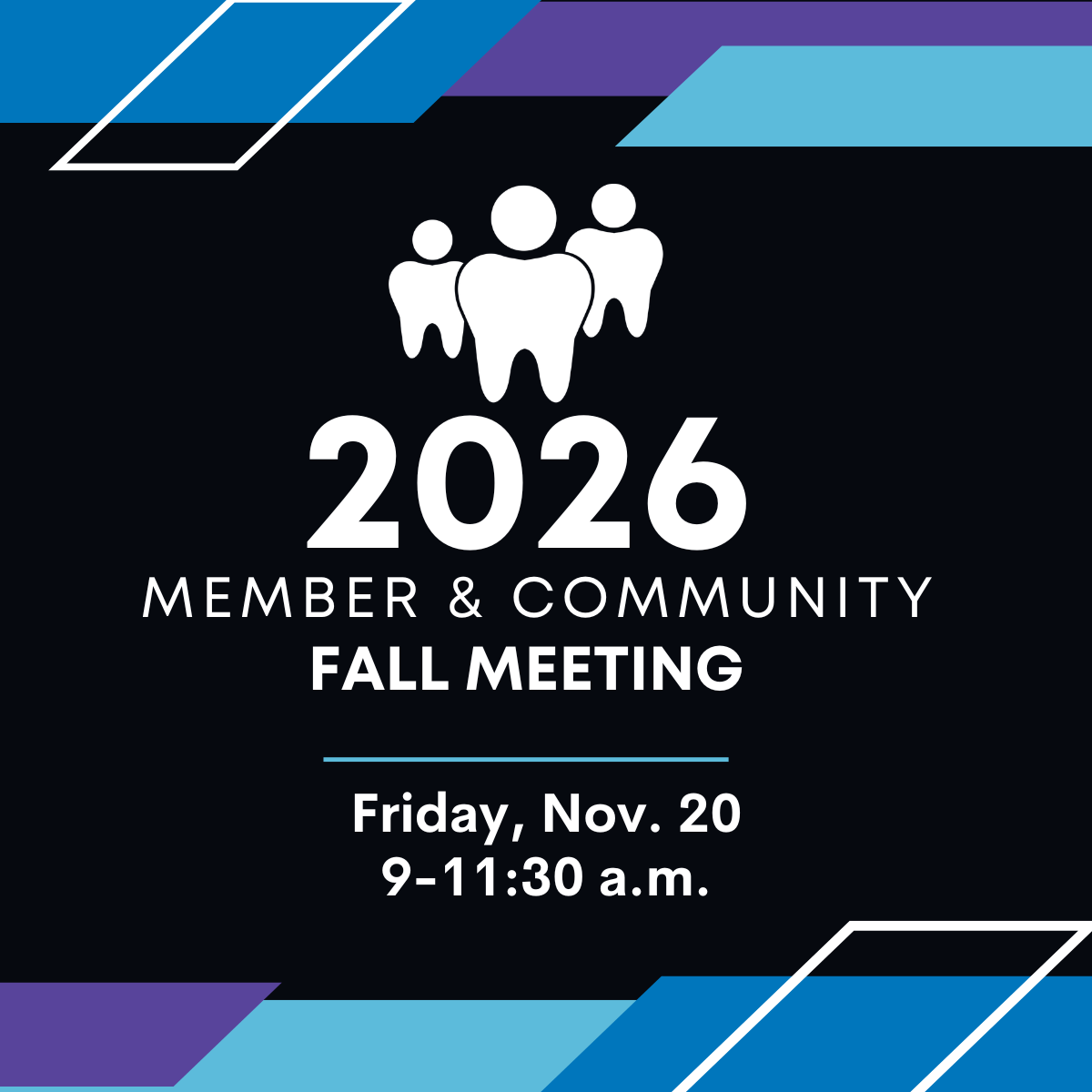
2026 Fall Member and Community Meeting | |
Join MOHC on Friday, November 20, from 9 to 11:30 a.m. for our virtual Fall Member and Community Meeting. This annual gathering is an opportunity to connect with colleagues from across Michigan, hear timely updates on issues affecting oral health and learn more about the work underway through the coalition.
Topics will include federal and state policy updates, Medicaid work requirements, Michigan’s State Oral Health Plan, community water fluoridation and a look ahead to MOHC’s 2027 Advocacy Day and Annual Conference.
| | |
Want to make a difference in oral health across Michigan? MOHC welcomes individuals interested in supporting advocacy, education and outreach efforts statewide. Complete our Volunteer Interest Form to share your interests and explore opportunities to get involved.
| | Community Water Fluoridation Updates | | |
Fluoride Supply Shortages Affect Michigan Communities
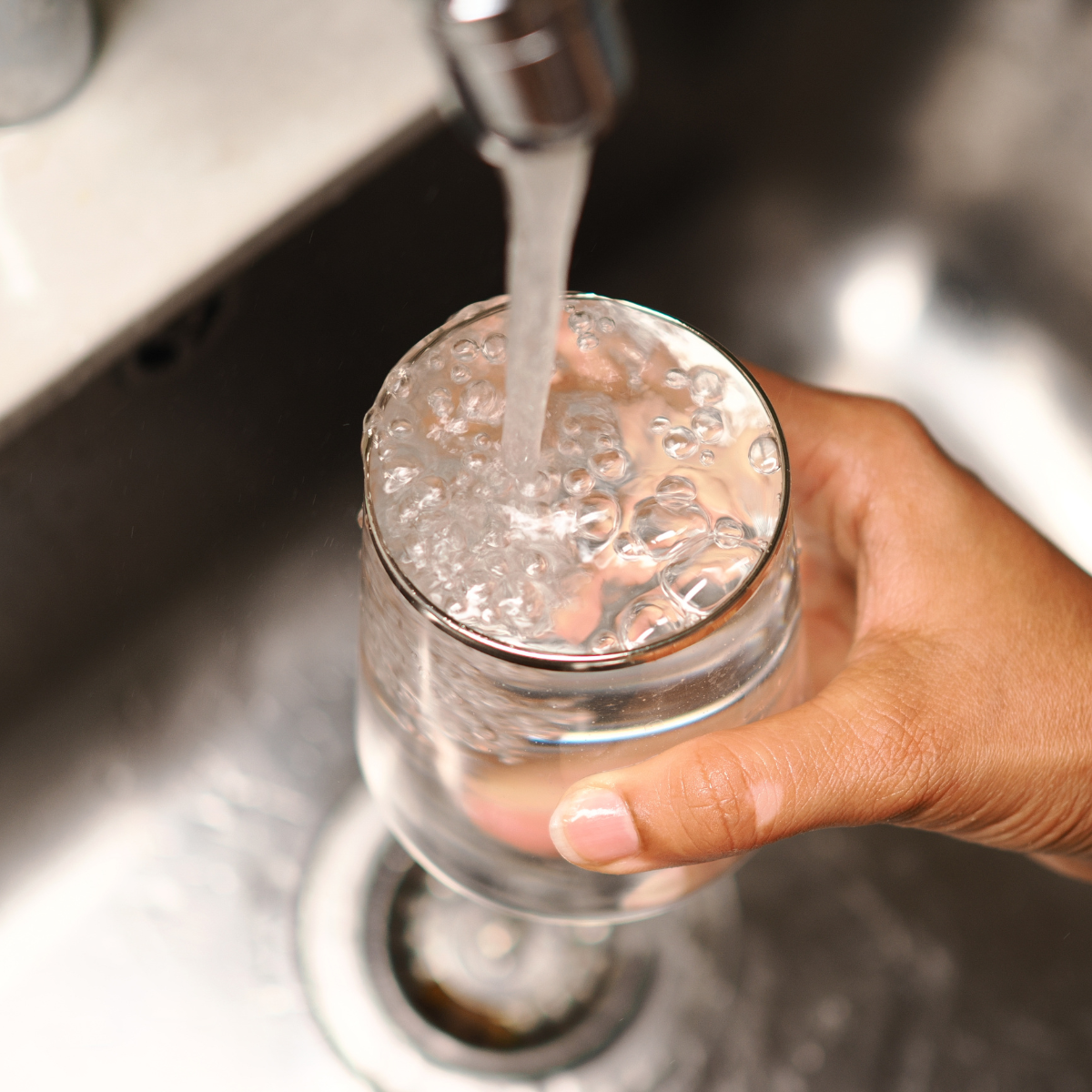
Water systems across Michigan continue to face challenges obtaining fluoridation chemicals, with limited availability and rising costs affecting operations. Some systems have secured partial shipments at higher prices, while others have temporarily reduced or suspended fluoridation because of supply shortages.
In Battle Creek, the city announced Oct. 5 that it had temporarily reduced fluoride concentrations in its drinking water to approximately 0.50 milligrams per liter (mg/L), below the recommended 0.70 mg/L. The adjustment began Aug. 21 to conserve existing supplies, with plans to restore the recommended level when supplies and pricing permit.
The Michigan Department of Health and Human Services (MDHHS) Oral Health Program has also identified Greenville and St. Joseph among communities making similar adjustments in response to supply challenges.
CWF Developments Across Michigan
In Benton Harbor, the City Commission voted unanimously Sept. 8 against restarting community water fluoridation, which had been suspended during the city's lead service line replacement and water infrastructure improvements.
Resources for Communities and Dental Providers
As communities navigate fluoridation challenges, the following resources are available to support public education, patient care and local advocacy.
Fluoridation Resources
MOHC's Fluoridation Information and Resources webpage provides information and resources on community water fluoridation. The Community Water Fluoridation Toolkit offers educational materials, communication tools and advocacy resources to support local fluoridation efforts.
For Dental Providers and Offices
The Patient Guide to Dental Care After Water Fluoridation Decreases or Ends is available to share with patients in communities where fluoridation has been reduced or discontinued Dental professionals are encouraged to distribute this resource to support patient education and conversations about maintaining oral health.
Understanding the Fluoride Shortage
The American Academy of Pediatrics' (AAP) Campaign for Dental Health recently published Key Facts on the 2026 Fluoride Shortage, providing information about chemical availability, rising costs and resources for communities and health professionals.
New Advocacy and Educational Resources
AAP has also updated its Campaign for Dental Health website, ILikeMyTeeth.org, with an increased focus on addressing questions about fluoride safety and correcting misinformation. The redesigned website includes a new Advocacy Support Request Portal, where individuals and organizations can request assistance with fluoridation advocacy, educational resources and collaboration on oral health initiatives.
| | Michigan Medicaid Dental Corner | | |
Special Focus: Your Voice Matters in Michigan's Medicaid Dental Transition
This month, we're taking a slightly different approach to Medicaid Corner to highlight a time-sensitive opportunity for dental professionals and other stakeholders to help inform the implementation of Michigan's upcoming Medicaid dental changes.
Public Comments Requested by November 9
As previously reported, Michigan is transitioning adult Medicaid dental benefits from the Medicaid Health Plans to the Healthy Kids Dental (HKD) contract administered by Delta Dental of Michigan, effective January 1, 2027.
The Michigan Department of Health and Human Services (MDHHS) has released proposed policy bulletin 2644-Dental, Healthy Adults Dental Benefit, for public review and comment.
Additional areas where stakeholder feedback may be valuable include provider contracting, reimbursement, continuity of care and patient eligibility.
MOHC encourages members, dental professionals, community partners and other stakeholders to review the proposed policy and submit comments. Comments may express support, raise concerns or request clarification. Even stakeholders who support the transition may wish to recommend additional guidance to help ensure a smooth implementation for providers and patients.
Take Action by Monday, November 9
Review
Proposed Policy Bulletin 2644-Dental
Submit comments
Email PittsE@michigan.gov and reference Project 2644-Dental.
Share
Encourage colleagues and organizations affected by the transition to participate in the public comment process.
| | MDHHS Oral Health Program Resource Playbook | | |
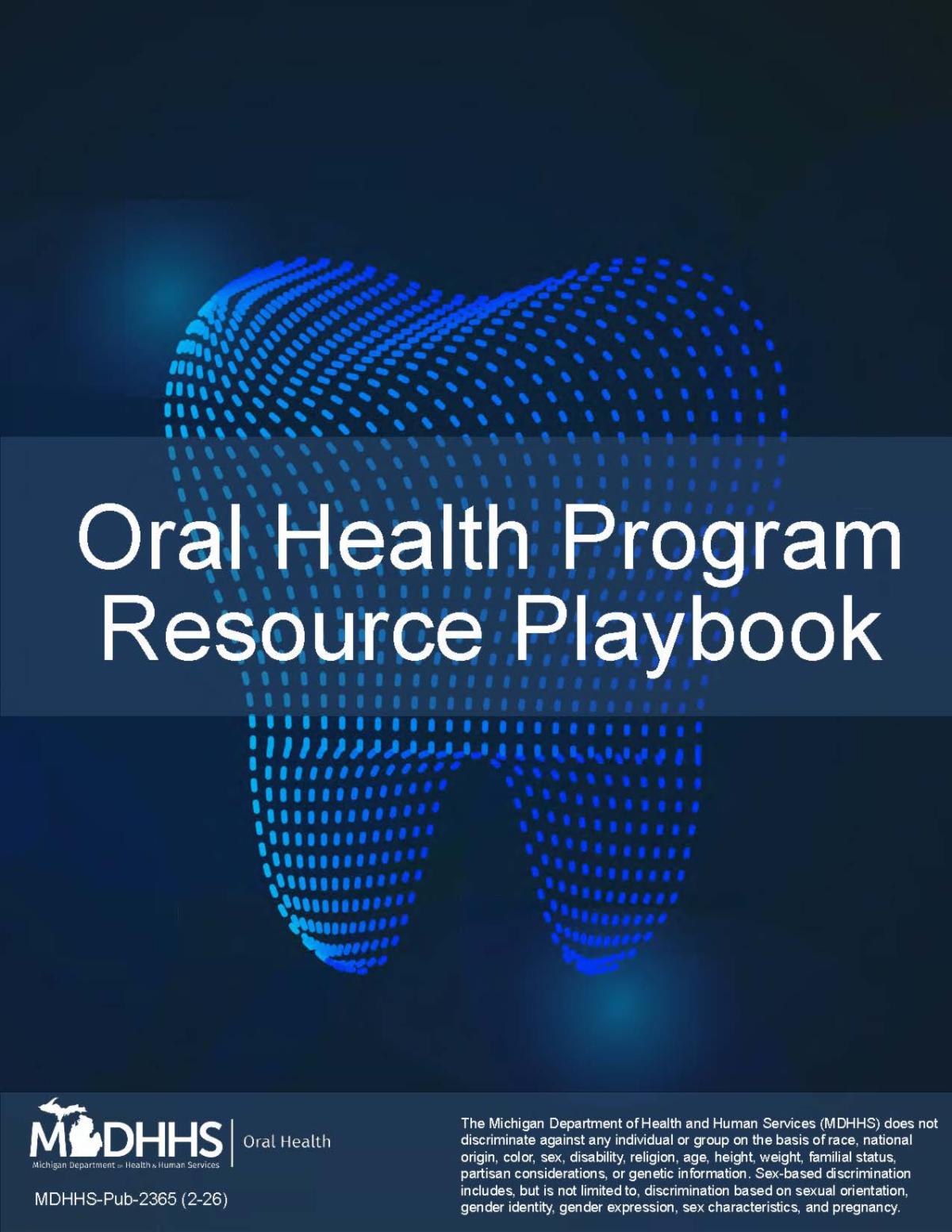
The Michigan Department of Health and Human Services (MDHHS) has developed an Oral Health Program Resource Playbook to help individuals, families, caregivers and community partners better understand the connection between oral health and overall health.
The resource explores oral health risks and preventive strategies across the lifespan, from pregnancy through older adulthood. It also includes practical tips for maintaining oral health, information on the relationship between oral health and chronic diseases, guidance for caregivers and links to dental care and other supportive resources.
MOHC encourages members and partners to explore this resource and share it with the communities they serve.
View the Oral Health Program Resource Playbook
| |
Call for Proposals: 2027 MOHC Annual Conference | |
Share What Works. Spark New Ideas. Advance Oral Health in Michigan.
The Michigan Oral Health Coalition is now accepting presentation proposals for its 2027 Annual Conference, April 29–30, at the DoubleTree Hotel in Lansing.
The 2027 conference will focus on advancing the goals of the Michigan Oral Health Plan 2030. We invite oral health professionals, health care providers, researchers, educators, advocates and community partners to share innovative programs, successful partnerships, research and practical solutions that can improve oral health across Michigan.
Topics of interest include access to care, workforce development, medical-dental integration, Medicaid and dental benefits, oral health policy, prevention and emerging technologies.
Proposal deadline: December 21
Selected presenters will be notified by Jannuary 15, 2027.
Submit Your Presentation Proposal | View the Full Call for Proposals
| | Save the Date: Advocacy Day & Annual Conference | | |
Mark your calendar for two opportunities to connect, learn and advocate with Michigan’s oral health community. MOHC Advocacy Day will be held Wednesday, April 28, 2027, followed by the MOHC Annual Conference on Thursday and Friday, April 29 and 30, 2027, at the DoubleTree in Lansing.
Help shape the conference program! Complete our brief survey to share the topics and issues you would most like to see at the 2027 MOHC Annual Conference.
Additional details, including registration and programming information, will be shared in the coming months.
| | Michigan State Oral Health Plan 2030 | | |
The Michigan State Oral Health Plan 2030 provides a shared roadmap for improving oral health across Michigan. Developed through a collaborative effort involving the Michigan Oral Health Coalition (MOHC), the Michigan Department of Health and Human Services (MDHHS), and stakeholders statewide, the plan identifies key priorities and actionable strategies to expand access to care, strengthen the oral health workforce, advance prevention and promote oral health equity. Explore the plan and discover how you can help turn shared priorities into meaningful action for a healthier Michigan.
View the 2030 State Oral Health Plan
| | |
Become an MOHC Member
Over the past 23 years, MOHC has advocated for policies and programs that improve oral health for all Michiganders. Our members and partners share a vision that all Michiganders have the knowledge, support, and care they need to achieve optimal oral health.
Why Join MOHC?
Advocacy: Advancing policies that improve access to care, including increased Medicaid dental reimbursement, expanded services and stronger support for safety net clinics.
Education: Providing training on oral health innovations, care for people with disabilities, value-based care and preventive strategies such as fluoride, sealants and HPV vaccination.
Workforce Development: Supporting initiatives that strengthen and diversify Michigan's oral health workforce.
Public Health Leadership: Championing initiatives such as community water fluoridation, kindergarten oral health assessments and HPV vaccination awareness.
Our partnership and membership options, which renew on the calendar year, provide the foundation for MOHC to pursue its mission to optimize oral health for all Michiganders equitably.
| | | | | |