Mid-Semester Feedback

for Course-Correction

✤ October 6, 2025 • CTL Article 0004 ✤

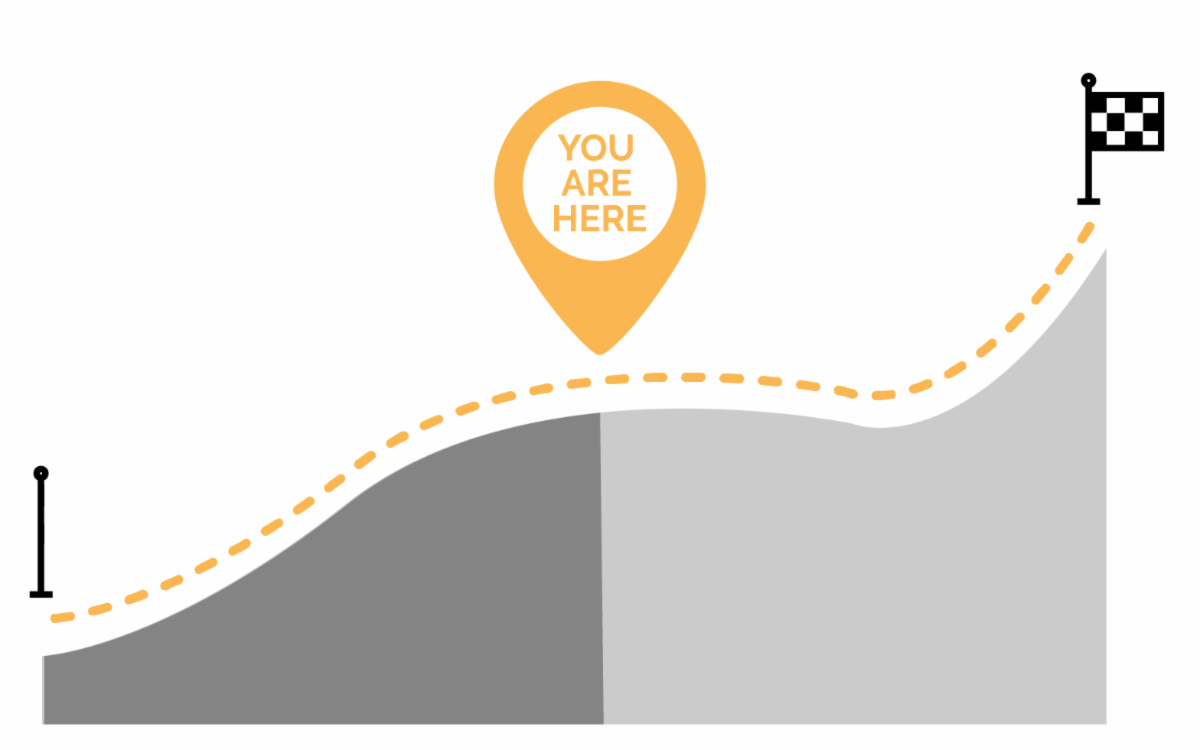
Image of an abstracted roadmap with the progress to the finish line being in the middle with a you are here icon.

Halfway There!

The midpoint of the term can set the stage for a great opportunity:

  • A routine has been built.
  • Enough data has piled up for some patterns to emerge.
  • You’ve seen what’s landed and what’s fizzled out.
  • Students have formed habits and opinions.


Mid-semester corrections aren’t just about avoiding failure, they’re about designing for momentum. LET’S TREAT THE MID-SEMESTER AS A STRATEGIC CHECKPOINT, NOT JUST A CALENDAR MILESTONE.

Benefits

Mid-Semester Feedback has several clear benefits. It provides a chance to grab detailed feedback at a point in the semester when change is still possible. This feedback helps the instructor better understand the students’ experience and provides information about how to improve both the class environment and the learning process. It is an extremely effective way to gain targeted and specific information from students about what factors are supporting or hindering their learning. Not to mention, showing the students that instructors value their input on their learning experience—building rapport.


BONUS: Providing feedback to instructors prompts students to reflect on their learning in the subject and consider how their behaviors in the class are impacting the learning process. 

Student Perspective

When a course makes an adjustment mid-stream, students notice:

  • They feel seen.
  • They feel like their input matters.
  • They understand that effective education is a collaborative exchange between the educator and the learner.

Call to Action

🔗❗️ I’d like to invite you to use this Google form survey (copy/paste/remix as you see fit—or make your own).


This mid-semester survey will allow student feedback to guide instructional changes that can address students’ needs for the remainder of the course. Additional questions prompt students to self-reflect on their own engagement and identify areas of improvement.


STUDENT SURVEY QUESTIONS

  1. What should the instructor keep doing? (What in this course has helped to improve your learning?)
  2. What should the instructor stop doing? (What in this course has hindered your learning?)
  3. What should the instructor start doing? (Is there anything you would like the instructor to change or consider?)
  4. What are you doing that helps your learning in this course?
  5. What are you doing that is hindering your learning in this course?
  6. What could you be doing to enhance your learning in this course?

SURVEY OUTCOMES

  • Instructors will gain real-time feedback from students that will inform them on their current uses of various teaching methods and prompt positive changes in courses.
  • Students will practice identifying their learning needs.
  • Students will reflect on their engagement thus far and identify areas of improvement moving forward.


EVALUATIVE BONUS: It can help provide documentation of both teaching effectiveness and ongoing work to improve.


CAVEATS

Resist the urge to offer extra credit in return for survey responses. Students are aware that their usual post-semester feedback can only be taken into consideration for future students’ benefit, which motivates the use of this survey as a mid-semester tool.

You’ve Got the Feedback, Now What?

What’s required now is the ability and willingness to change your lesson plans to suit the students you have in the room, rather than the students you assumed you’d get or wish you had.


👀 LOOK FOR...

  • clear trends on specific aspects of their learning experiences.
  • aspects of the course that can be modified to better support student learning.


Plan to discuss the major themes from the feedback with the class, express your desire to work with them to improve their learning this semester and the specific actions you plan to take in response to their feedback. 


When reviewing students’ responses, it is important to remember that although students are critiquing teaching effectiveness, they do not fully understand pedagogy. Addressing some of their responses might simply involve explaining pedagogical rationales—there is tremendous value in pulling back the curtain.


Thank them for their feedback. Encourage students to reach out to you with additional comments, questions, or concerns. Consider ways for students to provide ongoing feedback anonymously.

Resources

Teaching + Learning Lab. “Mid-semester Formative Feedback.” Massachusetts Institute of Technology. https://tll.mit.edu/teaching-resources/assess-teaching/mid-semester-formative-feedback/


Holton, Doug, Hajara Mahmood, Kathyrn Cunningham, Miriam R. Diamond, Mary Wright, CRLT, University of Michigan, Maha Bali, Susan Brown, Eulises Dominguez. Midterm Student Feedback Guidebook. (2016) https://bit.ly/msfguidebook


Gooblar, David. “The Midsemester Course Correction.” The Chronicle of Higher Education (October 31, 2017) https://www.chronicle.com/article/the-midsemester-course-correction/

I’d Love to Hear From You!

Your thoughts and suggestions are important. If you have any feedback on this newsletter, success stories from adopting these ideas, or insight on future content, please take a moment to share your thoughts. Your input can help make each release better and more relevant to you!

Gary Meacher, MFA

Founding Director of The Center for Teaching & Learning

CTL@quincy.edu

FRH 135

-----

meachga@quincy.edu

217-228-5432 (x3151)

FRH 344


🔗 READ MORE www.garymeacher.com