A Message from Millstone Fund | | |
As we enter Spring 2026, Millstone Fund reflects with gratitude on the extraordinary work of our partners across Greater Cincinnati — and looks ahead with confidence in our partners, conviction in our priorities, and commitment to meet this moment. The demand for services continues to grow, while the environment remains uniquely challenging for our nonprofit partners. It is precisely in moments like these that focused, place-based investment matters most.
Millstone Fund's work is guided by clear priorities within our pillars. In health, we elevate mental, behavioral, and developmental well-being — the continuum of care that supports individuals and families. Educational projects that propel individuals toward independence and set the stage for thriving communities are anchors for that pillar. Arts is often woven into each – enhancing both mental health and educational experiences for the people in our region. This past year, these priorities shaped every community investment we made.
We committed multi-year support to Greater Cincinnati Behavioral Health Services to advance the development of a mental health urgent care — an innovative expansion of timely, accessible behavioral health services for individuals across our region. We deepened our partnership with LADD through multi-year capital investment, standing alongside an organization with an enduring commitment to people with developmental disabilities. We also invested in Springer School and Center's emerging diagnostics center, strengthening their capacity as a unique regional resource to serve children with learning differences who might otherwise go without the support they need. In our linked arts and education focus, we were proud to deepen our partnership with Activities Beyond the Classroom — a trusted, long-standing partner of Cincinnati Public Schools with more than 20 years of experience delivering equitable enrichment to students across the district and throughout our community. Each of these partnerships reflects a deliberate choice: to go deep rather than wide, to invest in organizations with the capacity and commitment to drive meaningful, lasting change.
Since 2021, Millstone Fund has invested over $24 million across Greater Cincinnati. We are keenly aware of the pressures bearing down on the nonprofit sector: rising demand, workforce challenges, and an uncertain funding environment at every level. Our response is to remain present, engaged, and deeply intentional — listening carefully, learning continuously, and investing in the people and organizations doing hard and hopeful work of strengthening this region.
Sincerely,
The Millstone Fund Board of Directors
| | We asked our nonprofit partners how recent funding supported their work and what they are seeing in their communities. Their responses reflect the realities organizations are navigating right now—from rising demand and shifting funding landscapes to the importance of flexibility in meeting complex, evolving needs. | | |
“At a time when individuals with complex behavioral health needs are struggling to access timely care, community partnerships have allowed us to move forward with urgency and purpose. This support is helping us build a Behavioral Health Urgent Care that offers a more responsive, compassionate entry point to care for people who too often fall through the cracks—ensuring they can access help before a crisis escalates.”
Nikki Bisig
Chief Clinical Officer & Senior VP of Hamilton County Behavioral Health Services
Greater Cincinnati Behavioral Health Services
| | |
“The last 12 months have been stressful to say the least, not just at ABC where we are evolving our brand into KidFuture CPS, but across the nation and around the globe. Federal funds have all but vaporized, especially in the arts education and enrichment sector; and our communities are mired in unmet needs, fear, and uncertainty about the future.
Recent investments in arts education, particularly for Cincinnati’s most vulnerable youth populations, have been nothing short of life changing. Our jazz festival has grown to engage more youth across more art forms than ever before, and more students than ever are getting access to free arts enrichment after school.”
Carmen R. Lawrence-Bille
Senior Manager of Grants & Foundations
Activities Beyond the Classroom
| | |
“When Children’s Law Center (CLC) faced shifting funding conditions and increased demand for our services, flexible funding allowed CLC to meet the moment successfully. This flexible funding was invested into the internal systems that power our work—from improving data tracking, to strengthening service-evaluation, to expanding access to electronic legal-rights resources. As a result, our team could work more efficiently and better adapt to emerging community needs. Just as importantly, we didn’t have to choose between serving youth and investing in the infrastructure behind great services: we could do both."
Sasha Naiman
Executive Director
Children's Law Center
| | |
"Recent funding has been essential in helping Faith Community Health Network respond to growing community needs during a time of uncertainty. Rising healthcare costs, changes to Medicaid and ACA coverage, and an increasing number of uninsured individuals have created added challenges for healthcare in our region.
This support has allowed us to expand our pharmacy and launch Faith Community Clinic, opening in May as Northern Kentucky’s first full-time free clinic and a uniquely integrated model of care. By bringing clinical services, onsite laboratory testing, and free medications together under one roof, we are removing barriers and ensuring uninsured patients have access to quality, compassionate care."
Denise M. Bowman
Director of External Relations
Faith Community Pharmacy
| | |
"Operating support is essential for us to remain responsive, flexible, and effective amid growing uncertainty and demand. While many programs are funded through restricted grants, these funds often fail to cover the full cost of services and can create imbalances, leaving high-impact but less-visible programs underfunded. Operating support fills gaps in core operations and critical advocacy efforts, ensuring stability and enabling leadership to respond to shifting community needs and ever-changing policies. As funding landscapes evolve and demand for mental health services increases, this type of support allows NAMI SWOH to maintain consistent, high-quality programming across the board, advocate for systemic improvement, and ultimately maximize impact for individuals and families throughout our region."
Katie Harper
Executive Director
National Alliance on Mental Illness (NAMI) of Southwest Ohio
| | |
Did you know there are some important considerations when creating an organizational profile and submitting a request?
- Every organization should have at least TWO contacts listed in our grants management system (Foundant). One should be an organizational leader (CEO/President).
- Throughout the application and grant period, keeping contacts current avoids disruptions in communication and grant funding.
| | Millstone Fund Work in Greater Cincinnati | |
GRANTS
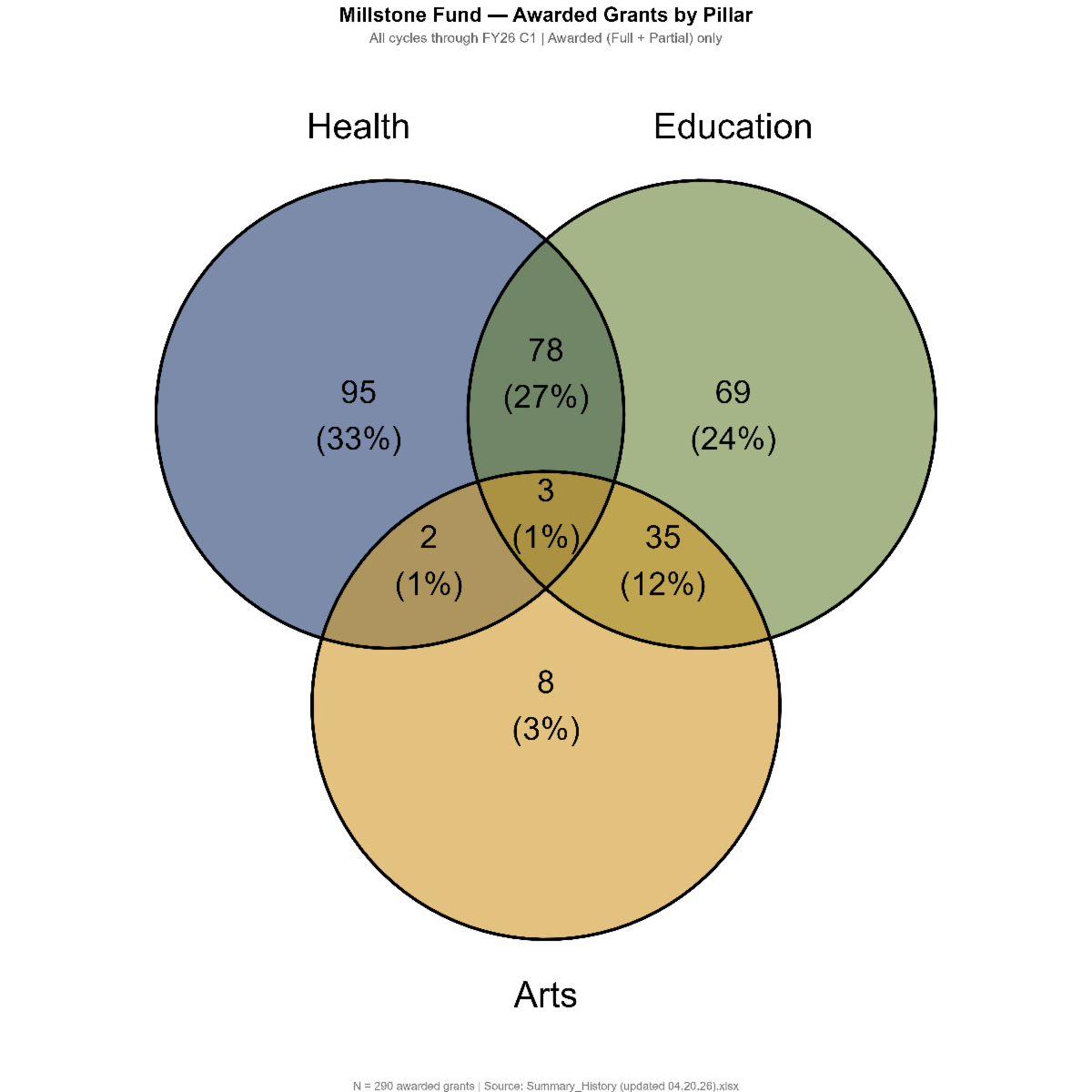
Most recently (Cycle 1 of Fiscal Year 2026), Millstone Fund awarded 51 new grants, expanding and deepening work across Greater Cincinnati (see Grants Awarded). Millstone continued commitments to specific, highly-aligned work occurring within 8 partner organizations.
The total grantmaking for the Foundation, including multi-year, has now approached $24M across 290 awards since 2021.
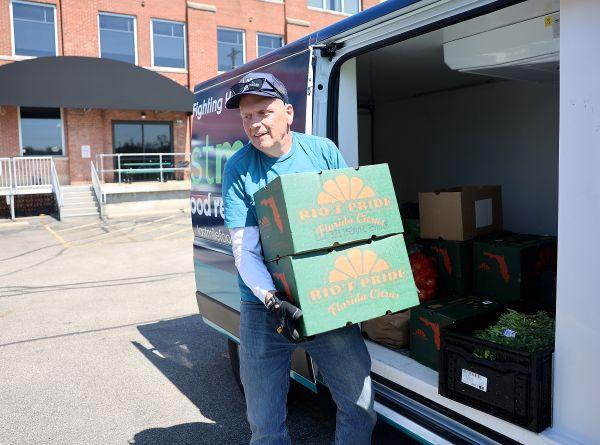
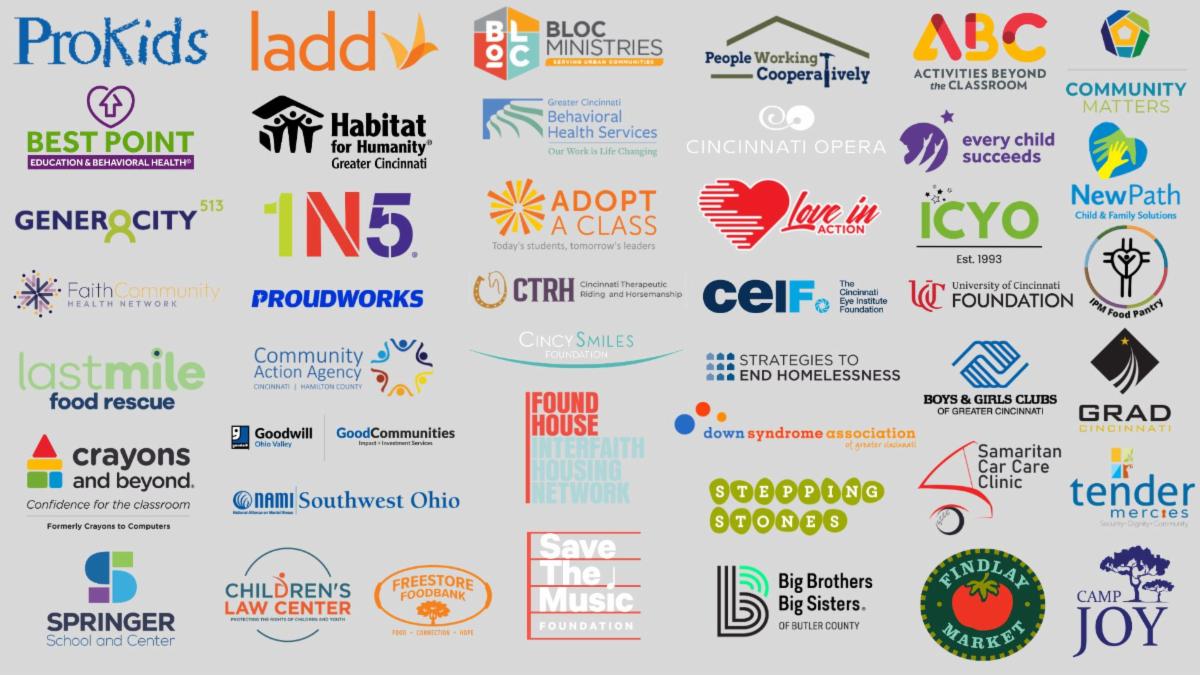
| | | We remain grateful for all our grantee partners who enhance the lives of our neighbors in Greater Cincinnati. Please check out our Grants Awarded page to see a larger list of investments Millstone Fund has made in the areas of Health, Education, and Arts. We are proud to showcase recent grantees whose work continues to strengthen and uplift our community. | | Last Mile Food Rescue is on track to solve food insecurity in Cincinnati, making it the first American city to do so. Millstone Fund's support includes $200,000 over two years to help shrink the hunger gap. It supports technology upgrades to the Last Mile logistics system that moves surplus food to where it’s needed to feed hungry neighbors. Increased capacity will help Last Mile provide the equivalent of 5.8 million meals and save Greater Cincinnati’s food banks and pantries hundreds of thousands of dollars. | | |
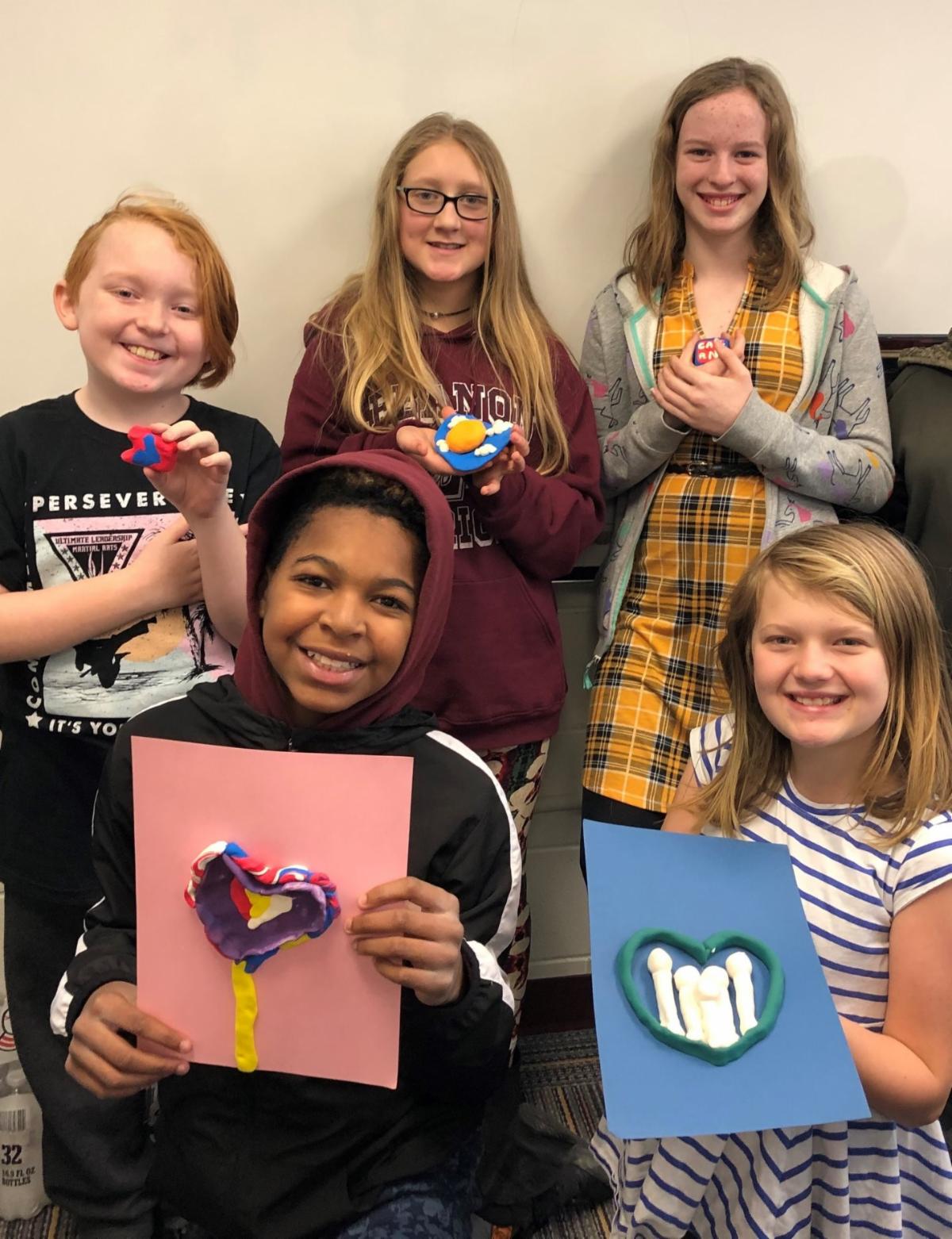
Fernside: A Center for Grieving Children is providing free, evidence-based grief support to strengthen the mental health of Greater Cincinnati K-12 students, helping young people navigate loss in a safe and supportive environment. Millstone Fund's support will help serve more than 500 students through school-based grief support groups, along with additional crisis response services for schools following the loss of a student or staff member.
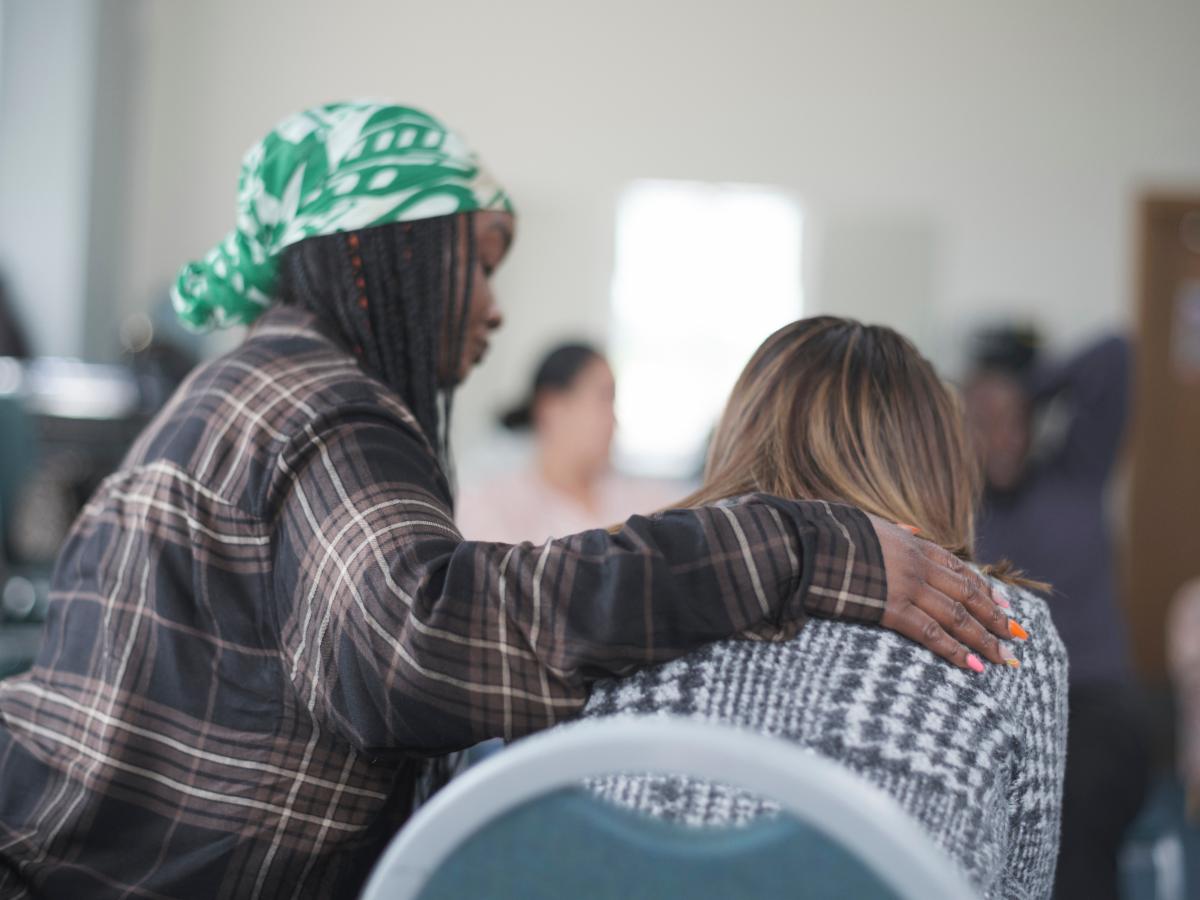
By removing barriers like cost and transportation, Fernside ensures students can access support directly at school. Their programs help children build coping skills, process grief in healthy ways, and connect with peers who share similar experiences - reducing isolation and strengthening emotional well-being.
| | |
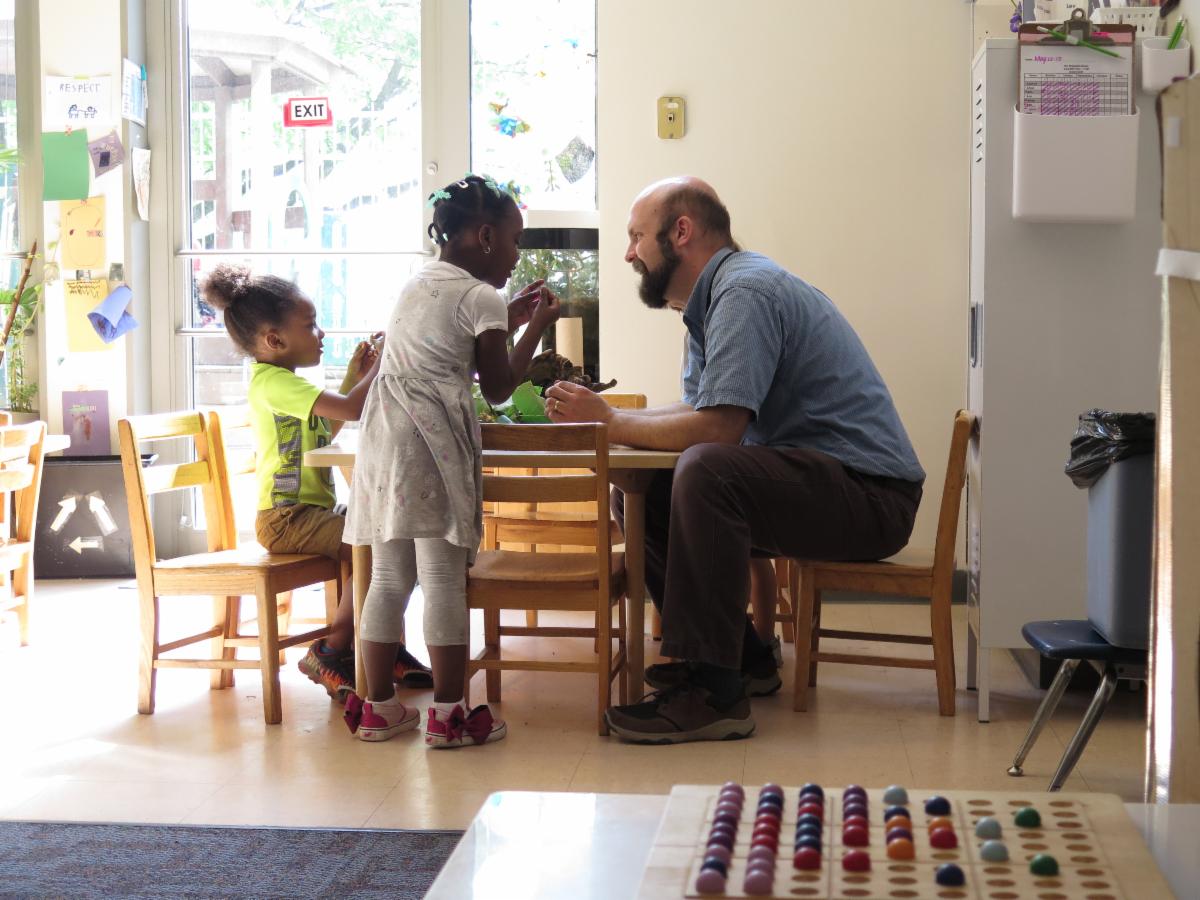
University of Cincinnati Foundation is advancing early childhood development through the Arlitt Center Early Intervention Collaborative, an interdisciplinary model that supports young children's cognitive, social, and mental health needs within the classroom. Millstone Fund's support will help embed services like occupational therapy, speech-language support, and behavioral health directly into early learning environments, ensuring children receive timely, coordinated care.
By integrating support into daily classroom routines, the model helps identify developmental needs earlier, strengthen family engagement, and improve outcomes for children. This collaborative approach is building a more inclusive, connected system of early intervention.
| | |
Women Helping Women is advancing health and prevention efforts across Greater Cincinnati through its Survivor Equity Fund, providing immediate, life-saving support for survivors of gender-based violence. Millstone Fund's support helps deliver emergency financial assistance for safe housing, transportation, and basic needs, reducing barriers and preventing further harm.
By addressing urgent safety needs in real time, Women Helping Women helps protect survivors' physical and mental health while reducing the risk of repeat violence. This work ensures individuals and families can access critical resources quickly, supporting long-term stability, healing, and well-being.
| | |
Bethany House Services is addressing the root causes of poor health by supporting families experiencing homelessness through its Family Services programming. Millstone Fund's support helps expand access to housing stability, mental health care, and essential services, key social determinants that impact long-term health and well-being.
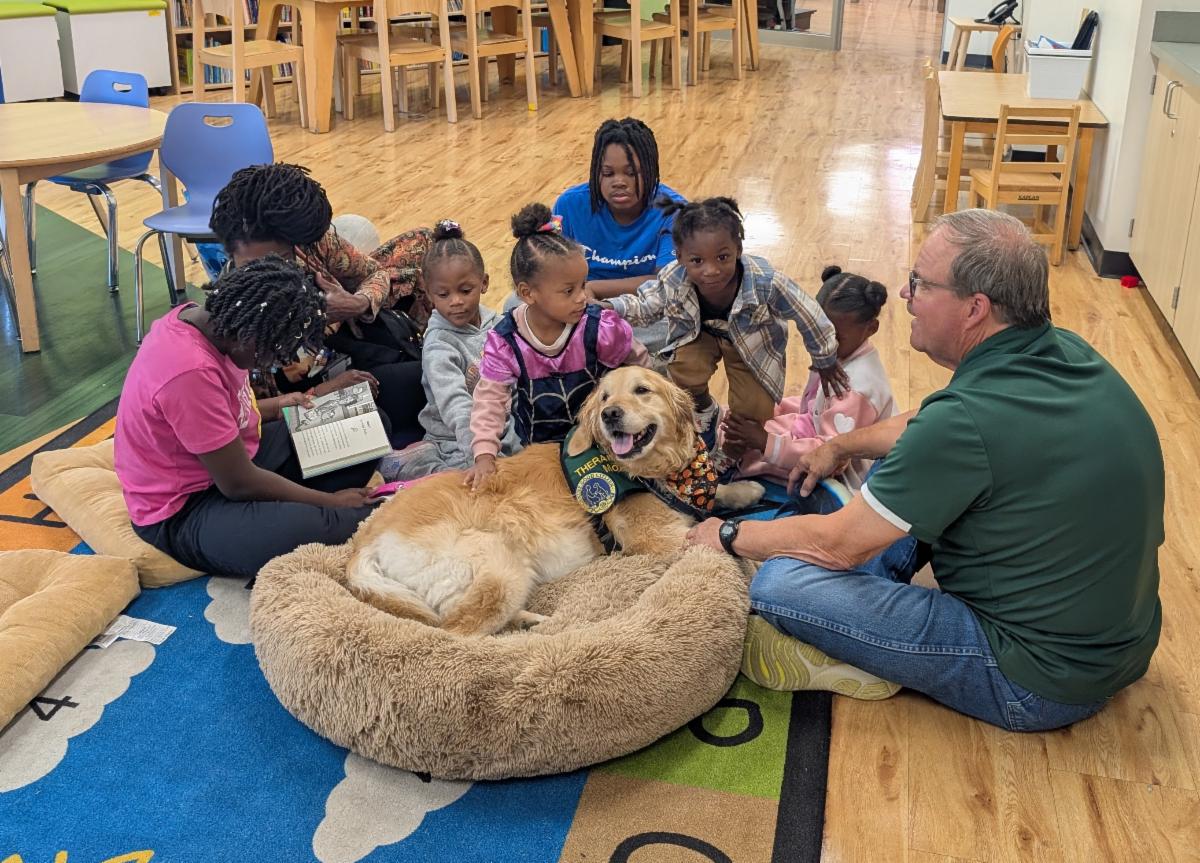
Through trauma-informed, wraparound support, Bethany House helps families stabilize in crisis, improve mental and physical health, and build pathways toward safe, permanent housing. Moments like volunteers reading with children in the shelter (as pictured above) reflect the safe, supportive environment Bethany House creates, helping families heal, connect, and move forward.
| | Millstone Fund strives to secure a better future for Greater Cincinnati within the pillars of health, education, and the arts. We believe these areas are foundational to a healthy and vibrant community: the physical and mental health of people, the reach and quality of education, and the beauty and diversity of creative expression. An important theme across each pillar is a commitment to equity by addressing disparities in opportunities and outcomes in our community. | | | | |