This year's theme: "
Light it Up Blue
," aims to foster understanding and acceptance for those with autism.
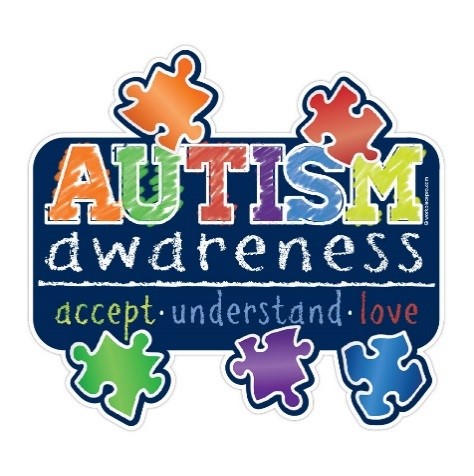
Autism Awareness Month is about celebrating and recognizing people on the autism spectrum, as well as researching and fundraising initiatives which promote inclusivity for people with autism. The world's understanding of autism as a disorder has changed drastically over time; until the second half of the 20th century, only people with severe symptoms were diagnosed with autism, and those who were diagnosed were often institutionalized.
Autism was believed to result from poor parenting or vaccinations, instead of understood as a neurological disorder. Thankfully, special events such as the Power of One March, awareness campaigns at schools, and autism self-advocacy have increased the world's understanding and acceptance of autism.
In 2007, the organization Autism Speaks created Autism Awareness Day. The UN passed a resolution to adopt the observance, and in 2008, the day was celebrated worldwide as it has been ever since.
The following may indicate your child is at risk for an autism spectrum disorder. If your child exhibits any of the following, ask your pediatrician or family doctor for an evaluation right away:
By 6 months
- Few or no big smiles or other warm, joyful and engaging expressions
- Limited or no eye contact
By 9 months
- Little or no back-and-forth sharing of sounds, smiles or other facial expressions
By 12 months
- Little or no babbling
- Little or no back-and-forth gestures such as pointing, showing, reaching or waving
- Little or no response to name
By 16 months
By 24 months
- Very few or no meaningful, two-word phrases (not including imitating or repeating)
At any age
- Loss of previously acquired speech, babbling or social skills
- Avoidance of eye contact
- Persistent preference for solitude
- Difficulty understanding other people's feelings
- Delayed language development
- Persistent repetition of words or phrases (echolalia)
- Resistance to minor changes in routine or surroundings
- Restricted interests
- Repetitive behaviors (flapping, rocking, spinning, etc.)
- Unusual and intense reactions to sounds, smells, tastes, textures, lights and/or colors
If you have concerns, get your child screened and contact your healthcare provider.