|
| |
Mission Control:
Your Acceleration Launchpad
Volume 9
| | Message from the CCLA Team | | Welcome to Our Learning Hub! | | |
Dear California Educators,
Welcome to the final stretch of the school year! As exams, reflections, and sunny summer dreams swirl in your mind, we’re here to fuel your momentum. This month, we’re shining the spotlight on High Dosage Tutoring as an evidence-based strategy designed to accelerate learning through strong relationships, targeted instruction, and seamless teamwork with classroom teaching. Let’s finish strong and make every moment count!
Summer is the perfect time to consider implementation of High Dosage Tutoring in the Fall. Here at CCLA, we welcome the opportunity to support school districts with planning and implementing this highly effective, learning acceleration strategy. As always, CCLA also has resources and personnel to support your teaching and your professional growth at any stage of your learning acceleration journey.
As we close out the school year, we want to thank you for the energy, creativity, and care you bring to your students every day. We honor your commitment to accelerating learning by setting high expectations and making grade-level content accessible to all students. We, at CCLA, are proud to be part of your teaching journey and can’t wait to continue supporting you through this summer and beyond.
The CCLA Team
| | | |
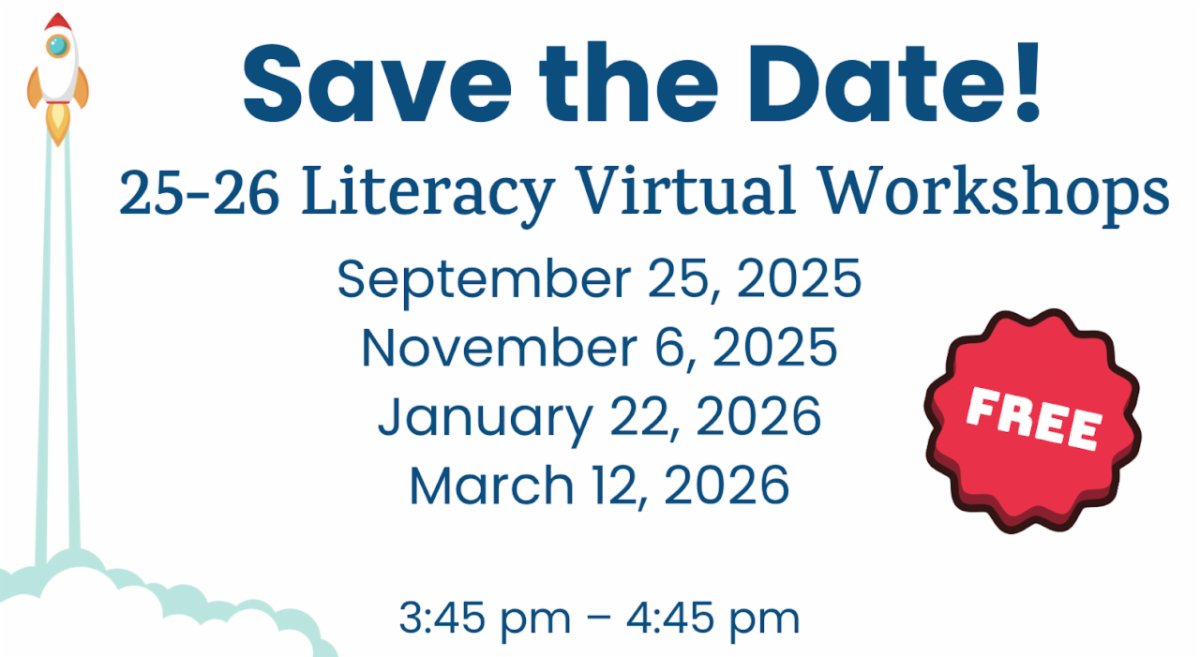
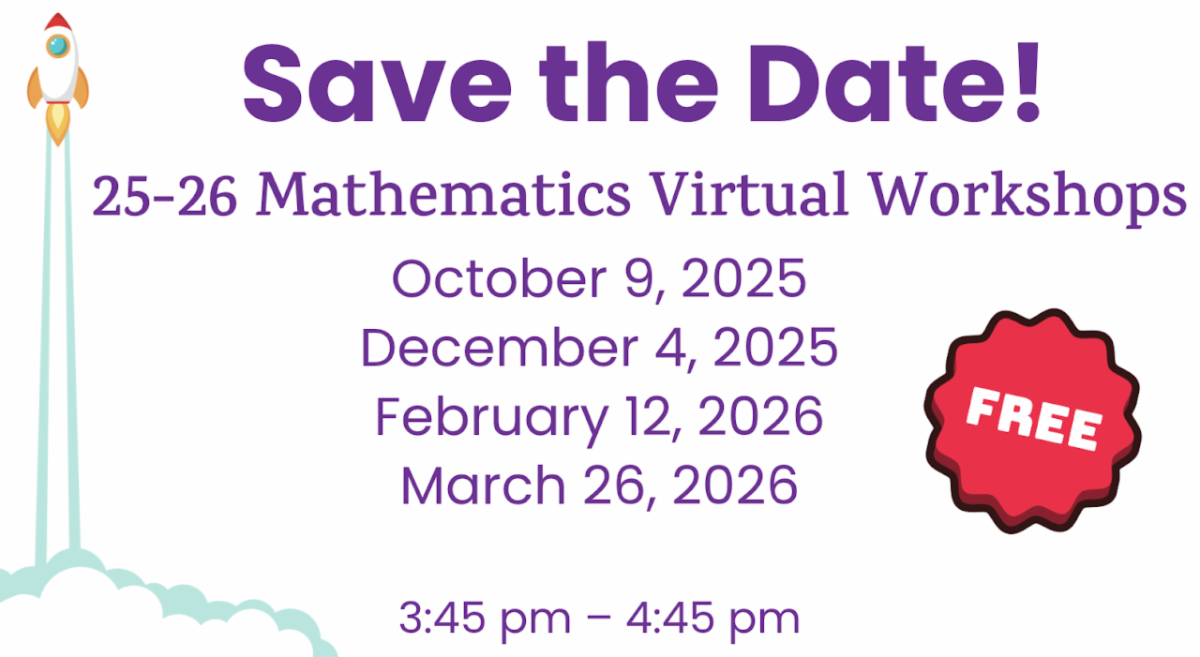
CCLA Events and Resources | | | | | 2025-2026 FREE Virtual Mathematics and Literacy Workshops | | |
The California Collaborative for Learning Acceleration (CCLA) is excited to continue providing targeted professional learning (PL) support and collaboration opportunities for all California teachers for the upcoming school year! Our workshop format includes sharing of evidence-based methodologies for learning acceleration as well as time for educators to collaborate and share experiences, ideas and resources. We encourage all educators to join, as we continue working and learning together to accelerate learning for all students in our state.
To learn more: https://ccla.sccoe.org/events
Have questions? Contact Rebecca Davidson
(408) 453-4295 | rdavidson@sccoe.org
| | |
Accelerating Mathematics Learning for TK–K Students: Cultivating Joy, Curiosity, and Purposeful Play
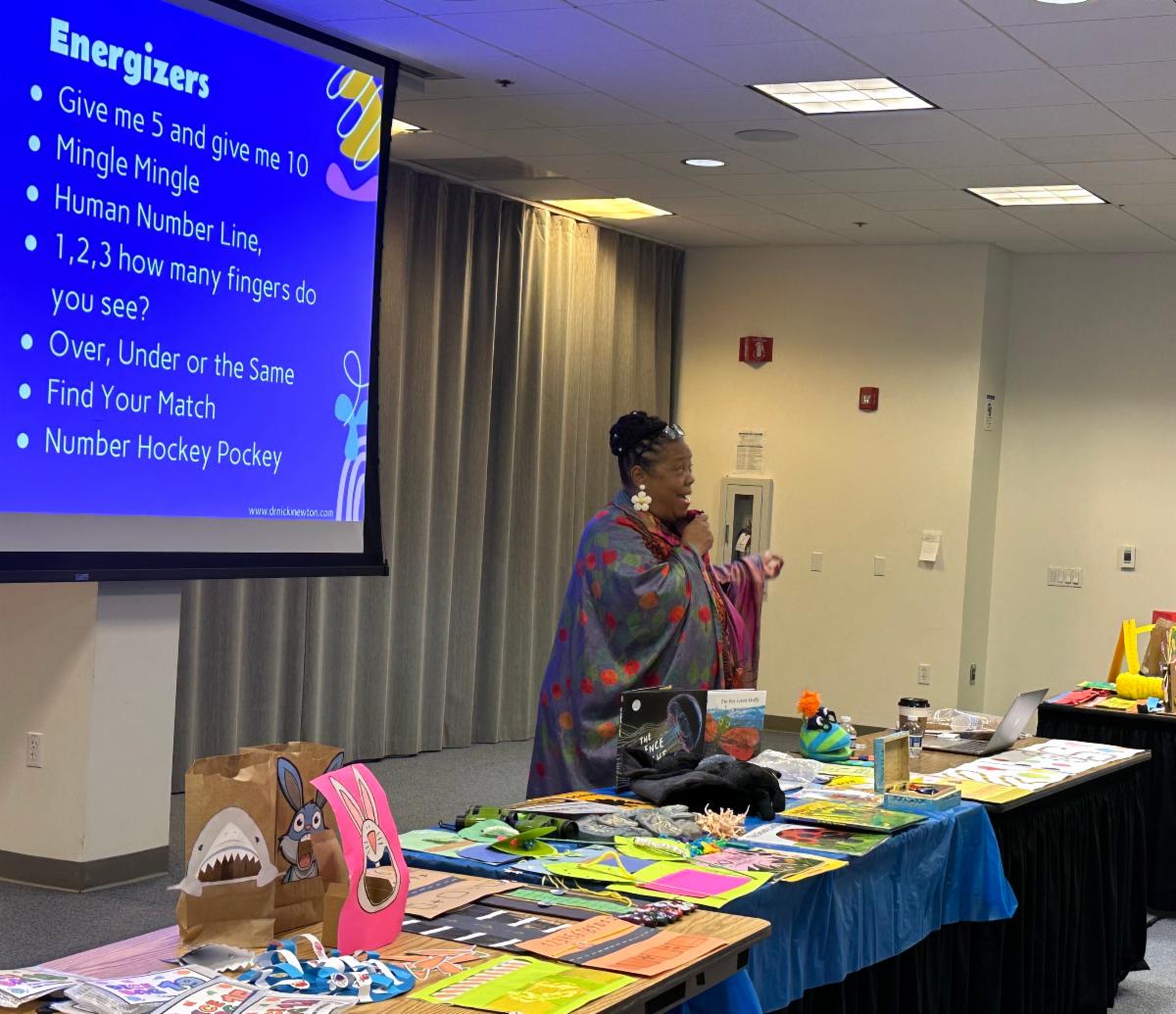
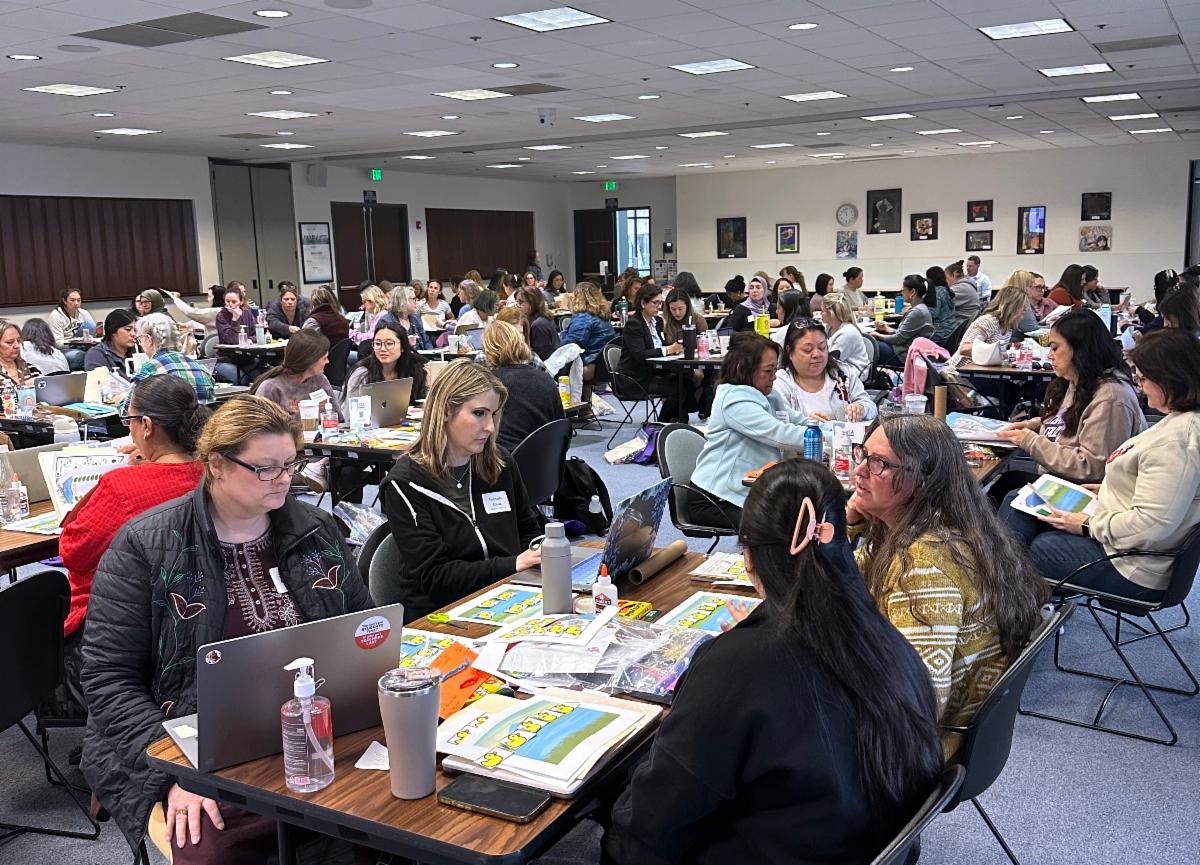
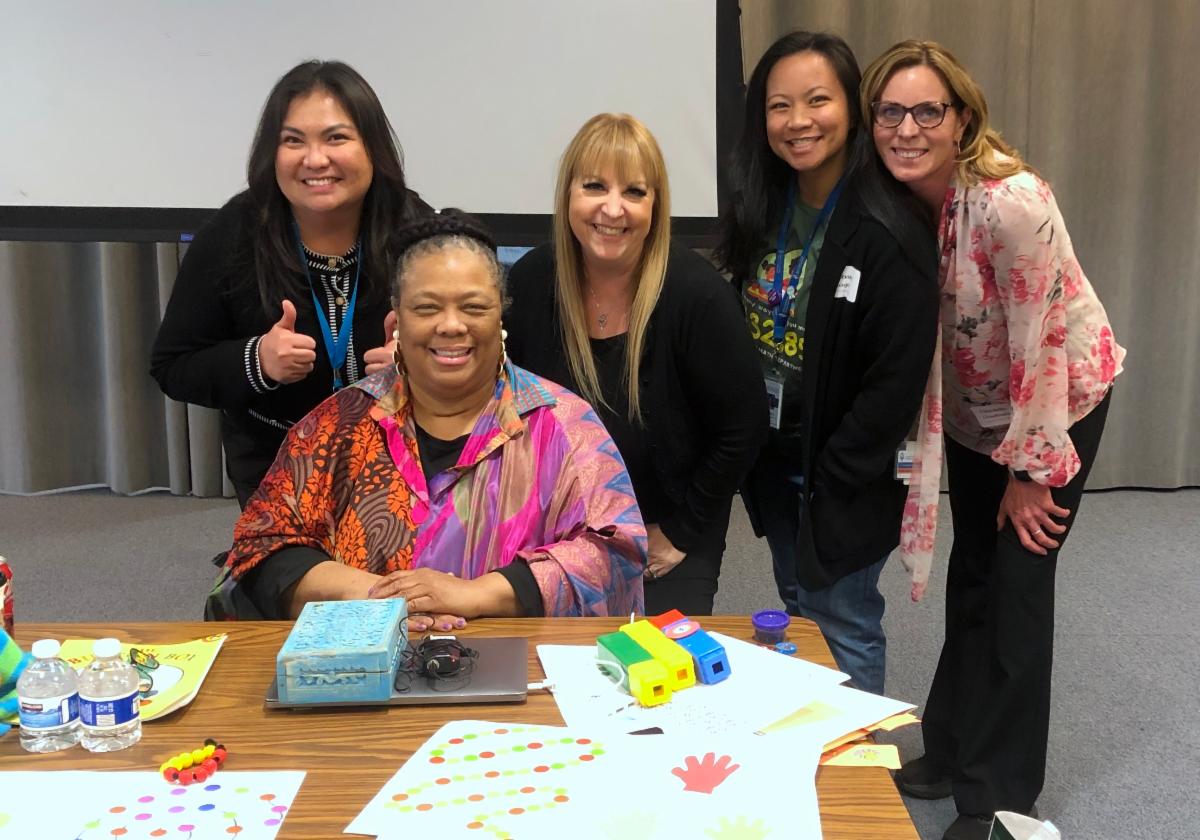
Over 100 educators gathered at the Santa Clara County Office of Education to explore joyful, developmentally appropriate strategies for early mathematics instruction with Dr. Nicki Newton. The day centered on cultivating curiosity and purposeful play through hands-on experiences with counting collections, math picture books, subitizing, patterns, shapes, and block play. Teachers also investigated learning trajectories for early numeracy and embraced a community problem-solving approach to empower TK–K students as confident, creative mathematical thinkers.
| | |
Dr. Nicki Newton shared a variety of math energizers including:
- Give me 5 and give me 20
- Mingle Mingle
- Human Number Line
- 1, 2, 3 how many fingers do you see?
- Over, Under, or the Same
- Find your Match
- Number Hokey Pokey
| |
After experiencing play based strategies, participants collaborated and planned for implementation within their context.
| |
SCCOE's CCLA Math team would like to express a world of gratitude to Dr. Nicki Newton for sharing her energy, enthusiasm, and love of mathematics with our educators!
Don't miss out on future CCLA events like this one! Visit: https://ccla.sccoe.org/events
| | |
Focusing On High Dosage Tutoring
As schools work to close learning gaps and support unfinished learning, one approach continues to stand out for its effectiveness: High Dosage Tutoring (HDT). Research shows that when tutoring is frequent, personalized, and aligned to classroom instruction, it can yield powerful academic gains.
To help educators design and implement tutoring that makes a real difference, we highlight key elements of HDT[1] that can help your school or district maximize the impact of tutoring.
-
Tutoring is most effective when it’s structured and consistent. The authors emphasize that high-impact tutoring isn’t ad hoc. It should be scheduled frequently (ideally 3+ times per week), last at least 30 minutes, and be delivered consistently by the same, trained tutor.
-
Relationships matter. Strong, trusting relationships between tutor and student enhance engagement and learning. Tutors should emphasize, and make time for, building rapport, showing care, understanding each student’s learning needs and goals, and fostering confidence and motivation in their learning.
-
Alignment with classroom instruction is critical. Tutoring works best when it complements core classroom instruction. Using grade level content ensures iis relevant, timely and reinforces what’s being taught in class.
-
Active learning strategies improve retention. Rather than relying on drills and remedial practice, we recommend evidence-based strategies, such as deliberate practice, study skills, and specific feedback to help students deepen understanding.
-
Data drives growth. Effective tutoring programs use formative assessment to monitor progress and adjust instruction. Frequent checks for understanding help tutors tailor support and ensure students stay on track.
-
Professional learning supports tutor success. Tutors need training—both in content and in how to scaffold learning, give actionable feedback, and set goals with students. Ongoing coaching and collaboration make a big difference.
When implemented in a personalized, consistent way, high dosage tutoring is a powerful, evidence based approach for accelerating student learning.
| | |
High-impact tutoring is typically characterized by:
- Small group instruction where the student-to-tutor ratio is 3:1*
- Consistent interaction where students see the same tutor for 30-60 minutes, 3 times a week, over 10 to 36 weeks
- Well-trained and well-supported tutors who use curriculum aligned with classroom instruction[2]
*Elementary students may benefit from shorter but more frequent sessions (i.e. 20 minutes, five times a week).
| | | |
References
- Frey, N., Fisher, D., & Almarode, J. (2022). How tutoring works: Six steps to grow motivation and accelerate student learning, for tutors and teachers. Corwin, Fisher & Frey.
- Robinson, C., Kraft, M., Loeb, S. , & Schueler, B. (2021, Feb.). EdResearch for Action: Design Principles for Accelerating Student Learning with High-Impact. Annenberg Brown University and Results for America. https://annenberg.brown.edu/sites/default/files/EdResearch_for_Recovery_Design_Principles_1.pdf
| | Curious to learn more about High Dosage Tutoring? | |
|
Toolkit for Tutoring Programs
National Student Support Accelerator
| This toolkit is designed to guide practitioners through designing and implementing a new high-impact tutoring program, or improving an existing one. | | | | |
About the Santa Clara County Office of Education
Working collaboratively with school and community partners, the Santa Clara County Office of Education (SCCOE) is a regional service agency committed to serving, inspiring, and promoting student and public school success. The SCCOE is a premier service organization driven by the core principles of equity, diversity, inclusion, and partnership. For more information about the Santa Clara County Office of Education, please visit www.sccoe.org and follow us @SCCOE on Facebook, Instagram, and LinkedIn.
| | | | |