June 2026

Mitochondrial Testing is the Key to Understanding Longevity

What your cells are actually doing - and what to do about it

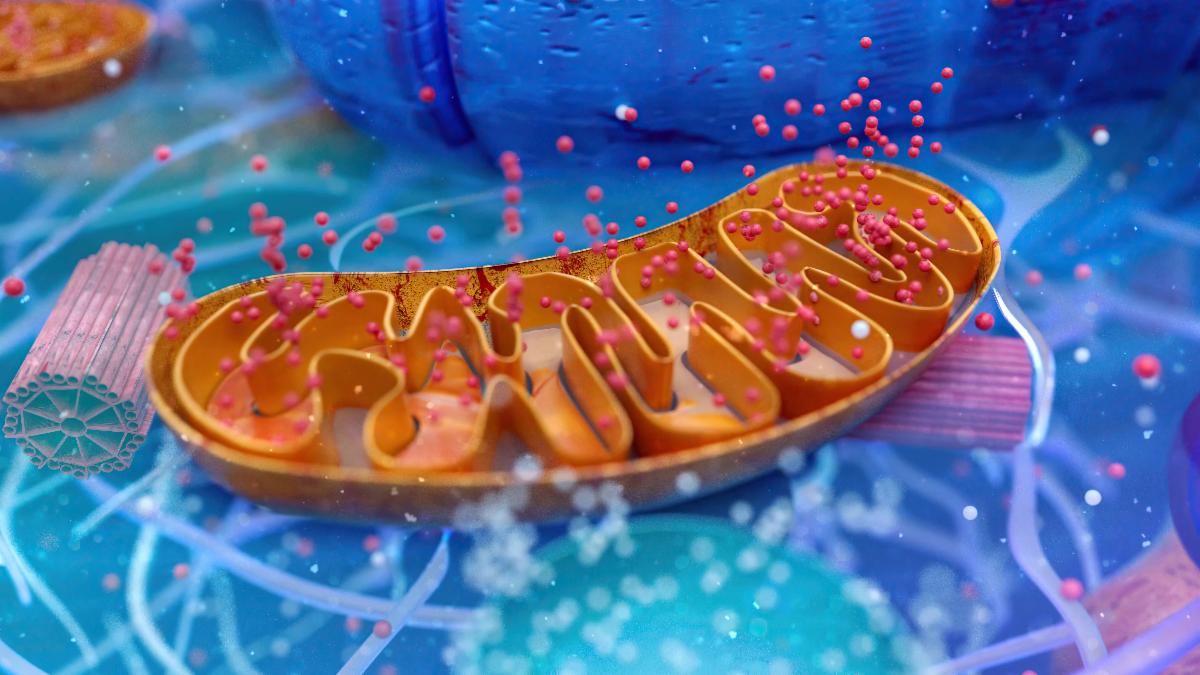
What is mitochondria?


Every cell in your body contains between 500 and 1,000 mitochondria - tiny structures that convert food and oxygen into ATP, the fuel that powers everything you do. Every heartbeat, every thought, every muscle contraction runs on ATP. Across your entire body, that adds up to roughly 37 trillion mitochondria working continuously to keep your energy flowing.


But here is what most people don't know: mitochondria don't just generate energy. They decide when your cells repair themselves, when they recycle damaged components, and when they die. They regulate inflammation, metabolism, and how fast you age. They are, in a very real sense, running the show - and when they start failing, the effects show up everywhere.

What goes wrong - and what’s worth asking about


Mitochondrial dysfunction shows up as persistent fatigue that sleep doesn't fix, brain fog, slow recovery, muscle weakness, and metabolic problems. It has been directly linked to cardiovascular disease, type 2 diabetes, and Alzheimer's disease - not as a side effect, but as an upstream driver.


Something that doesn't get enough attention: several commonly prescribed medication classes carry documented effects on mitochondrial function. Statins can deplete CoQ10 - a molecule mitochondria depend on for energy production. Metformin affects a critical step in the cellular energy chain. Certain antidepressants, NSAIDs, anti-epileptics, and antibiotics have all been studied for mitochondrial impact.


This is not a reason to stop or question any medication - those decisions belong with your prescribing physician. But if you are on long-term medications from these categories and experiencing unexplained fatigue or cognitive changes, it is worth raising mitochondrial function with your healthcare provider.


It is also something we assess as part of a comprehensive wellness review at RCM.

How it is tested


Standard blood work does not tell you how your cells are producing energy. A cholesterol panel tells you the car is running. Mitochondrial testing tells you whether the fuel is burning cleanly, whether the battery is charging, and whether the engine is degrading faster than it should be.


Advanced mitochondrial testing - developed from NASA science originally designed to monitor astronaut health - requires only a small blood sample. It assesses four core domains: aerobic energy production, glycolytic backup capacity, oxidative stress load, and cellular network function. Results identify not just whether something is wrong, but precisely where in the energy production chain the breakdown is occurring.


A 52-year-old executive came in with three years of worsening fatigue and cognitive dulling. Routine bloodwork was normal. Thyroid, anemia, and sleep apnea - all ruled out. Mitochondrial testing revealed impaired aerobic energy production and elevated oxidative stress, with his glycolytic backup system quietly compensating - which is exactly why everything else had looked fine. A targeted intervention produced measurable improvement at four months. His energy returned to levels he hadn't experienced in years.


This story is common. The testing is not….yet.

What can be done


Mitochondrial dysfunction is not a fixed condition. Structured exercise - particularly aerobic intervals and resistance training - directly builds mitochondrial density. Cold exposure, sauna, and quality sleep all support mitochondrial repair. Chronic stress generates oxidative damage that hits mitochondria directly, making stress reduction a clinical priority, not a lifestyle suggestion.


On the supplement side, evidence supports a number of targeted nutrients - CoQ10, NAD+ precursors, B vitamins, alpha-lipoic acid, acetyl-L-carnitine, and magnesium - each working at a different point in the energy production process. NAD+ declines measurably with age and is one of the most important upstream drivers of mitochondrial health. For anyone on a statin, CoQ10 is worth discussing with your provider - statins are known to reduce the body's natural CoQ10 production.


Which supplements are appropriate depends on the individual, their current medications, and what a mitochondrial assessment actually shows. A supervised, evidence-informed approach will always produce better outcomes than self-directed supplementation.

At RCM Health


Mitochondrial testing is now part of how we build Wellness and Prevention Action Plans for clients who want to address root causes - not just manage symptoms.


We begin with your health history, current medications, and goals. Where mitochondrial testing is appropriate, we integrate it into your full picture - nutrition, activity, stress, wearables - and build an intervention coordinated with your broader care team.


You cannot optimize what you have not measured. This is how we start.

To learn more about RCM Health services:


647-350-5500

info@rcmhealth.ca


Raymond Rupert | CEO

RCM Health Consultancy Inc.

www.rcmhealth.ca