|
Teaching & Leading with Intention
Bi-Weekly Insights from Research for Better Teaching
| |
Modeling
Moves That Build Clarity, Confidence, and Independence
| | |
In recent editions, we’ve focused on clarity—setting strong objectives and making criteria for success visible. When students know where they’re headed and what quality looks like, learning becomes more attainable.
But even when expectations are clear, students can still struggle. They may see a strong example and think, “I understand what this should look like… but I don’t know how to get there.” They can imitate the steps—yet remain unsure how to think their way through the work.
In this issue, we explore the difference between modeling and modeling thinking aloud—and why both are essential for building not just clarity, but confidence and independence.
| | |
“Learning can be enhanced by modeling new skills or operations and preserving these models for student reference during early stages of learning.”
The Skillful Teacher, Eighth Edition
| |
Why It Matters:
Clear objectives and criteria tell students where they’re going and what quality looks like. Modeling ensures they can see a pathway forward.
But not all modeling serves the same purpose.
When we model a finished product or demonstrate a process, we reduce ambiguity. Students see the target. They see the steps. They see what success looks like in action.
Yet many students still struggle—not because they lack effort, but because they lack access to the thinking behind the work.
Modeling thinking aloud makes the invisible visible. It exposes the decision-making, the self-questioning, the moments of confusion, and the strategic adjustments that skilled learners use automatically.
One supports clarity.
The other builds capacity.
When we use both intentionally, students move from imitation to independence.the gap between intention and action—especially during complex, multistep tasks.
| |
Try This:
Choose an upcoming task aligned to your objective and criteria for success.
Ask yourself:
- Do students need to see what quality looks like?
- Or do they need to hear how to approach the task?
If expectations are unclear → Model the product or process.
Show the steps. Leave a visible example posted.
If students are stuck in the “I don’t know how to start” phase → Model thinking aloud.
Verbalize:
- How you decide where to begin
- What you notice
- How you test an idea
- What you do when something doesn’t work
Keep it short. Focus on one cognitive move. Debrief afterward:
“What did you hear me do as a thinker?”
That reflection is where learning solidifies.
| | |
“Modeling thinking aloud is different from explaining the steps in a process through direct teaching.”
The Skillful Teacher, Eighth Edition
| |
Small Shifts, Big Impact:
Instead of asking students to revise their work, model your own revision thinking:
“I’m noticing this part doesn’t connect clearly to my claim. I’m going to reread and see where it goes off track.”
When launching a new strategy, make your decisions visible:
“I’m trying this organizer because it helps me keep track of evidence. Here’s how I’m thinking about filling it in.”
Normalize productive struggle:
“Hmm—I’m not sure what this word means. I’m going to use the surrounding sentence to see if it gives me a clue.”
These micro-moments normalize productive struggle and teach students that expertise includes revision, not perfection. Small shifts in teacher language can dramatically increase student metacognition.
| | |
"As we make our internal dialogue external, students should hear us:
• Asking ourselves questions
• Weighing alternatives and using criteria to choose
• Self-correcting after false starts
• Persisting when an initial approach doesn’t yield progress.”
The Skillful Teacher, Eighth Edition
| |
For Instructional Leaders:
Support teachers by identifying moments where modeling thinking aloud might unlock student understanding. During observations, coaching, or PLCs, consider:
- Do students understand both what to do and how to begin?
- Are teachers demonstrating procedures—or modeling cognitive decision-making?
- Are models explicitly connected to objectives and criteria for success?
Try scripting or co-planning brief think-aloud moments during lesson planning or coaching conversations.
| |
Research Connection:
Cognitive modeling—especially think-alouds—is supported by decades of research. In Principles of Instruction, Rosenshine (2012) highlights modeling as a core element of effective teaching, particularly when paired with clear objectives and guided practice. Making thinking visible helps students internalize strategies and apply them independently in new contexts.
For more see Chapter 11 & 12, Clarity in The Skillful Teacher, 8th Edition
| |
"These moments teach students not just what to do, but how to think when learning gets hard."
The Skillful Teacher, Eighth Edition
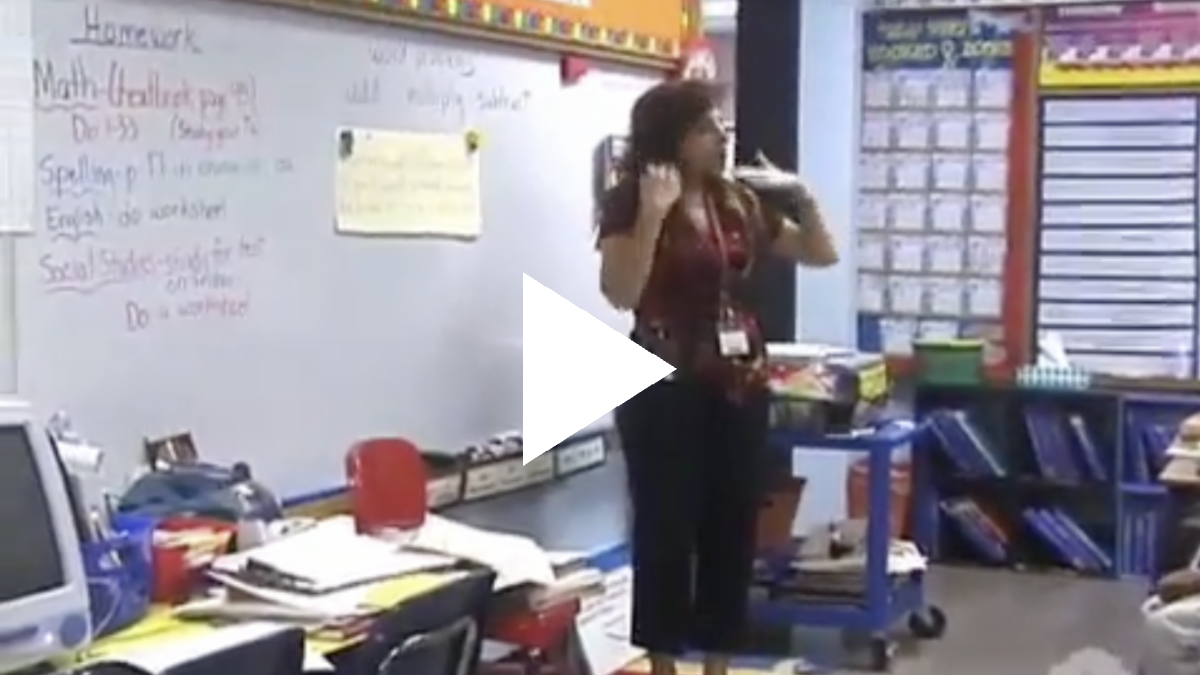
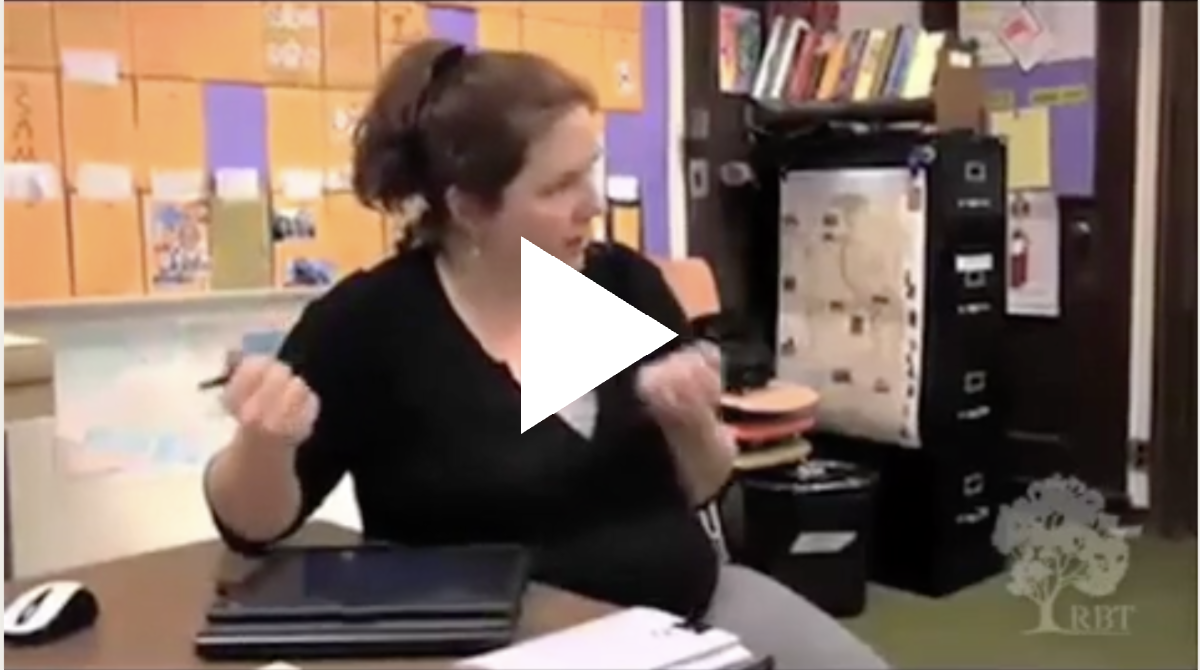
| | To bring this idea to life, we’ve curated two classroom video examples that show modeling thinking aloud in action across age levels. In each, you’ll see how teachers make internal cognitive processes visible — not just demonstrating what to do, but narrating how they think while doing it. These videos offer concrete models you can return to again and again as you plan your own think-aloud moves. | | See how foundational think-alouds can be framed in an elementary classroom, with clear language that invites student metacognition. | |  | High School Video Example | Watch how a secondary teacher uses think-aloud language to unpack strategy, choices, and self-monitoring in a rigorous task. | | | Be sure to check out all the other resources | |
Spread the Word:
Teaching and Leading with Intention
| | Missed an issue of the newsletter? You can find archived copies here. | |
Now Open:
RBT’s Summer Courses for Teachers & Leaders
| | Looking to deepen your expertise, refresh your practice, or grow your leadership impact this summer? RBT’s Summer Open Courses are now open for enrollment! These courses are designed for individuals or small groups (fewer than 25) . | | | |
Studying Skillful Teaching
Hybrid
Instructor: Chris Olansen-Rilli
In-Person Dates: June 23 - 26
Time: 8:30am - 3:30pm EST
Location: 1 Acton Place, Acton, MA
Virtual Dates:
Tuesdays: Sept. 22, Oct. 6, Oct. 20, Nov. 3
Time: 4:00pm - 6:30pm EST
Location : Zoom
| | | | |
Analyzing Teaching for Student Results
In-Person
Instructor: Deb Reed
In-Person Dates: July 7-10, September 30, October 22, November 18
Time: 8:30am - 3:30pm EST
Location: 1 Acton Place, Acton, MA
| | | | |
Women Leaders Program Virtual
Instructor: Pia Durkin
Virtual Dates:
-
Session 1: Tuesday, July 14
-
Session 2: Wednesday, July 15
-
Session 3: Thursday, July 16
Time: 8:30am - 12:30pm EST
Location: Zoom
Plus two (2) 1-hour individual virtual coaching sessions to be arranged with the instructor.
| | | | | |