Monarch and Pollinator News, Alerts, Tips, and Tricks


December 2025

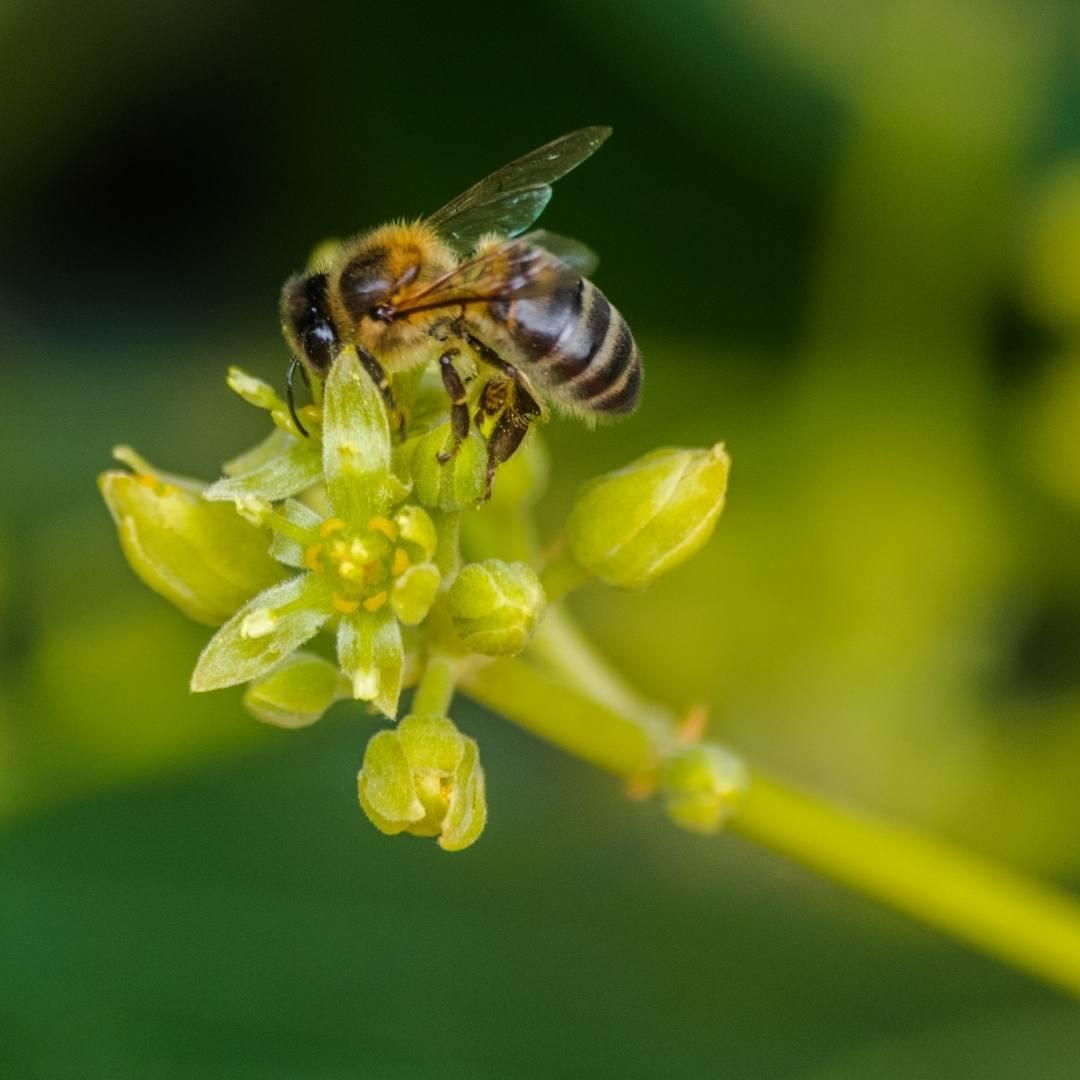
Pollinator Spotlight

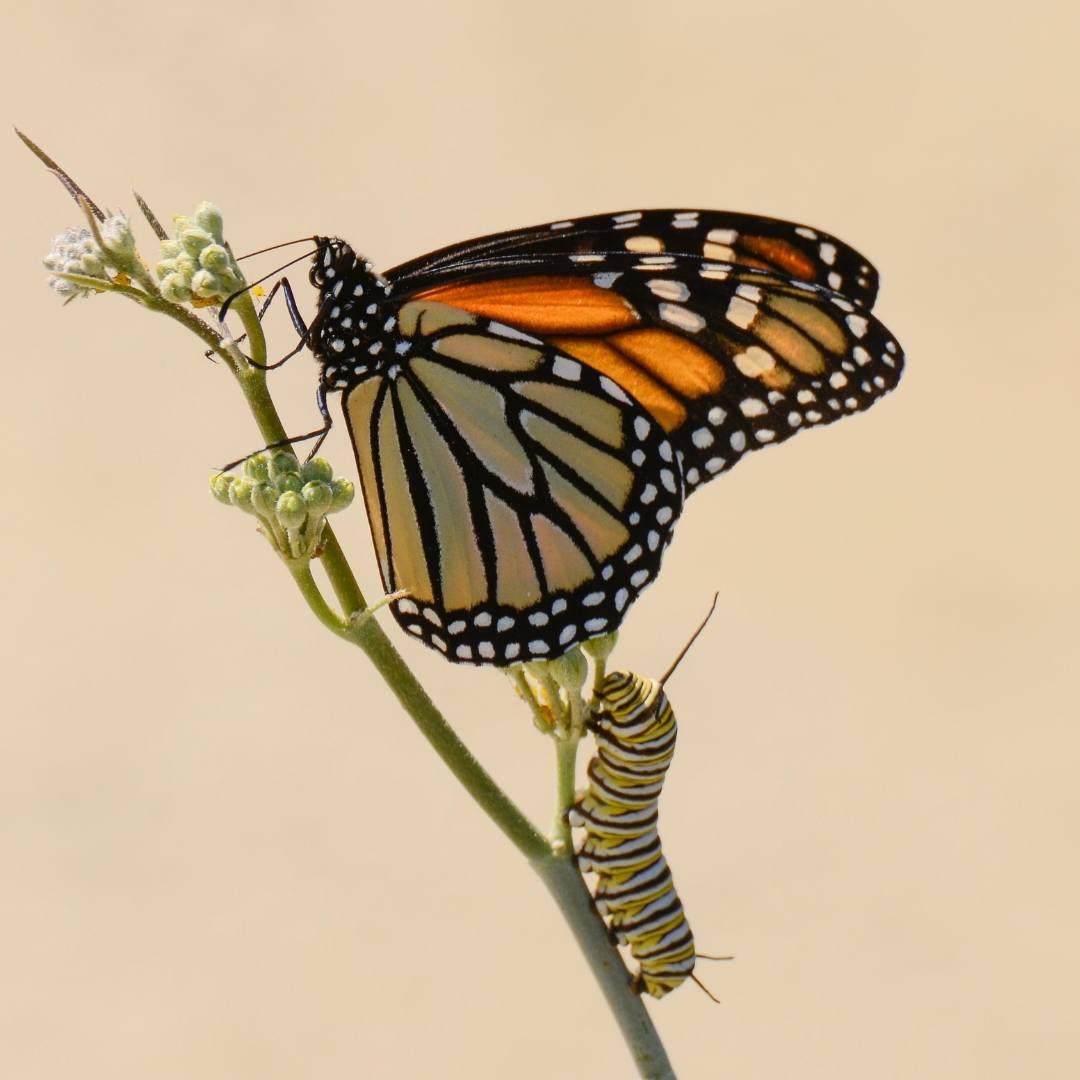
Monarch Butterfly

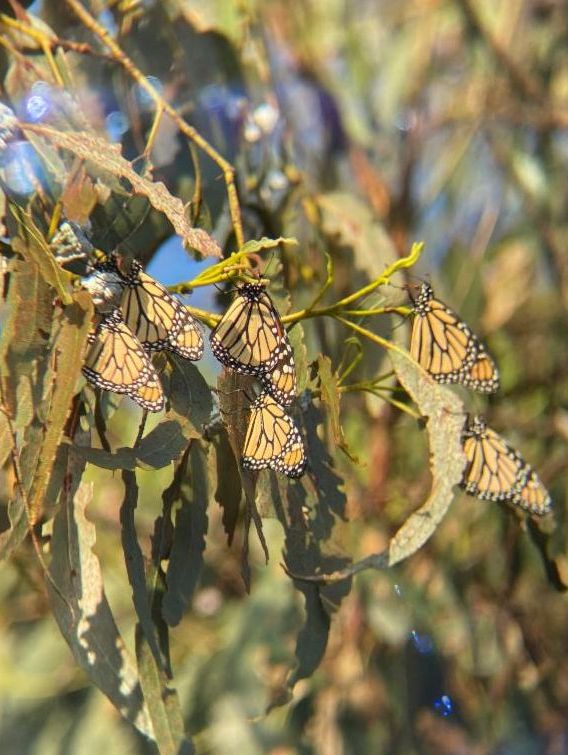
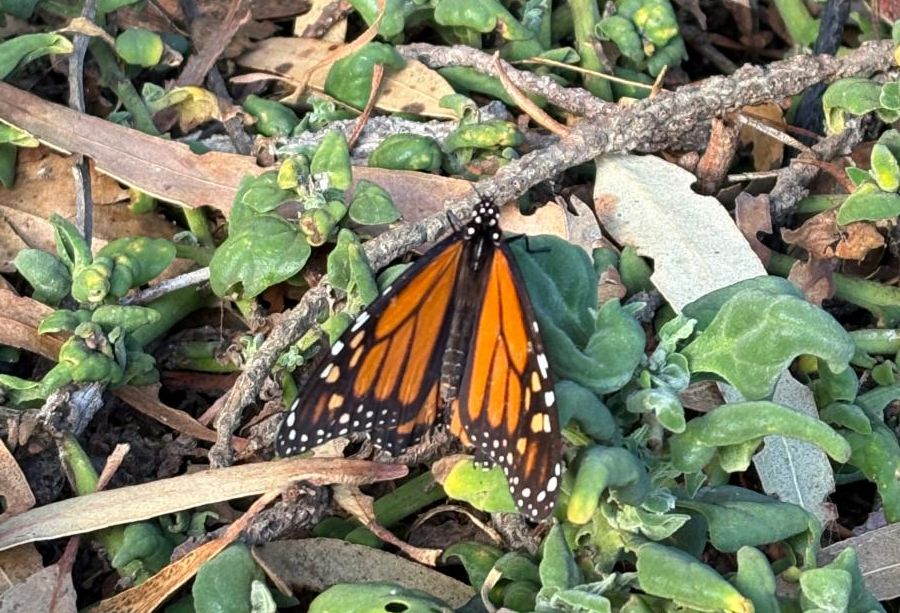
In honor of the Western Monarch Count, our pollinator spotlight is for the one and only Monarch Butterfly! During the winter months, monarchs inhabit groves of trees along the California coast. Beginning in October, monarchs will arrive at overwintering sites to roost until February and March, when they will mate and disperse to start the next generation of butterflies. To learn more about monarch overwintering and breeding sites in Ventura County, click here.

Know Your Plants

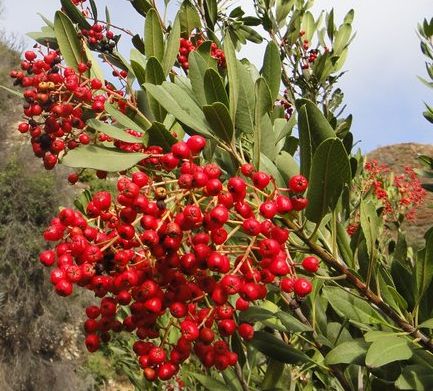
Christmas Berry

Christmas Berry— also known as Toyon— is an evergreen shrub in the Rose family. In the winter months, this native plant develops clusters of scarlet berries, which are eaten by a variety of birds. Toyon is easy to grow and particularly likes sun or part shade.

Giving Tuesday

From the Ground Up!

This Giving Tuesday, we're partnering with local food banks & raising $20,000 to expand hands-on conservation work across Ventura County. From the Ground Up, we're growing our capacity to:


🔥 Conduct more pile burns and work with more landowners on fire-safe land management

🌿 Restore landscapes by establishing new sites to grow native plants

🚜 Support farmers and ranchers through networking events and peer learning

💧 Protect our watersheds and water quality

📚 Connect youth to nature through full-day outdoor excursions


To learn more about donating food or donating online, please click the button below.

Western Monarch Count Updates


On November 4th, the VCRCD counted over 100 monarchs at the overwintering site on Harbor Blvd in Ventura, CA (Site ID #3151)! Volunteers across the state continue to participate in the Western Monarch Count, with early season reports estimating approximately 5,000 monarchs observed so far.


The mid-season and late-season counts will continue from mid-November 2025 to early January 2026. If you would like to volunteer, please email the Ventura County Regional Co-Coordinators Jia Wiebe and Karen Sinclair.

Meet the Pollinators that Pollinate Your Favorite Fall Foods


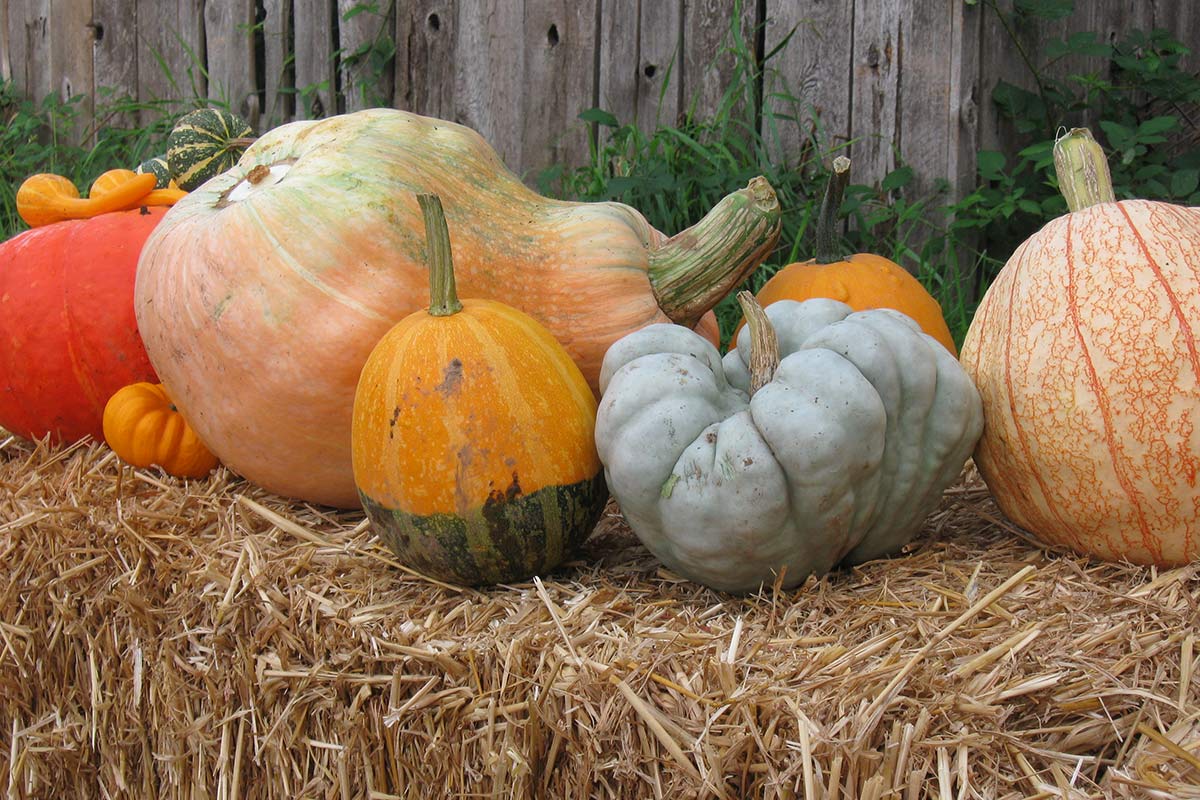
Do you know which pollinators pollinate the produce that make your favorite holiday meals? Cranberries, squash, and carrots all need a helping hand from mighty pollinators! Read the article below to learn more.

Wallis-Annenberg Wildlife Crossing in Agoura Hills is Getting Plants!


In 2022, Wallis-Annenberg Wildlife Crossing Native Plant Nursery Employees gathered a million seeds from native plants on the hills surrounding the wildlife crossing. Now, these seeds are ready to start their lives on the crossing! Read more below.

Gift Ideas for Plant Lovers


Have a plant lover in your life but don't know what to get them for the holidays? Check out the article below for some plant-friendly inspiration!

New Sensors Track Monarch Butterfly Migration


This year, researchers are tracking over 400 monarchs with a solar-powered radio tag created by Cellular Tracking Technologies. This major achievement could provide "crucial insights into the poorly understood life cycles of hundreds of species of butterflies, bees, and other flying insects at a time when many are in steep decline." Click the button to learn more!

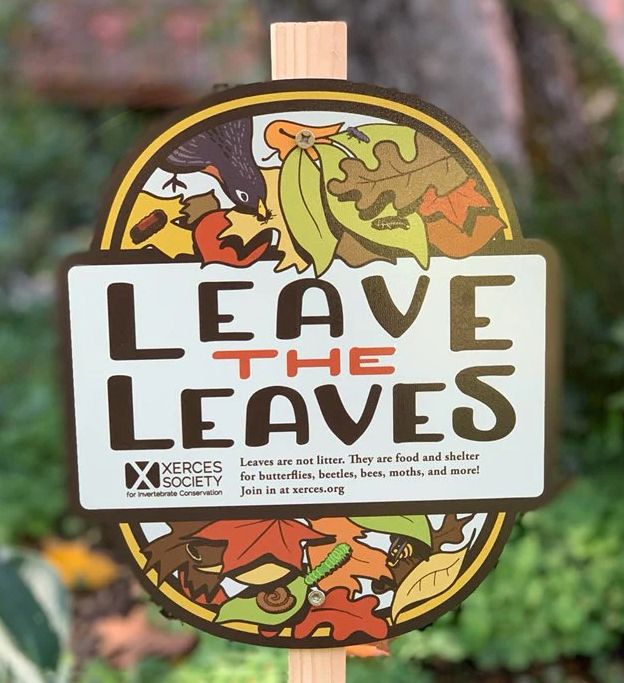
Leave the Leaves for Natural Pest Control


Fallen leaves, brush piles, and logs— one person's trash is another bug's treasure! Leaving leaves and other overwintering resources provide beneficial habitat for pollinators and insects that eat pests in your yard. To learn more, click the button below.

Managing Pests while Supporting Pollinators


Join Staci Cibotti and Mia Park from Xerces Society on December 3rd to learn about how on-farm habitat and Integrated Pest and Pollinator Management (IPPM) can boost biodiversity, enhance pest control, and reduce pesticide risks to pollinators! Register below.

MRAC Meeting Recording


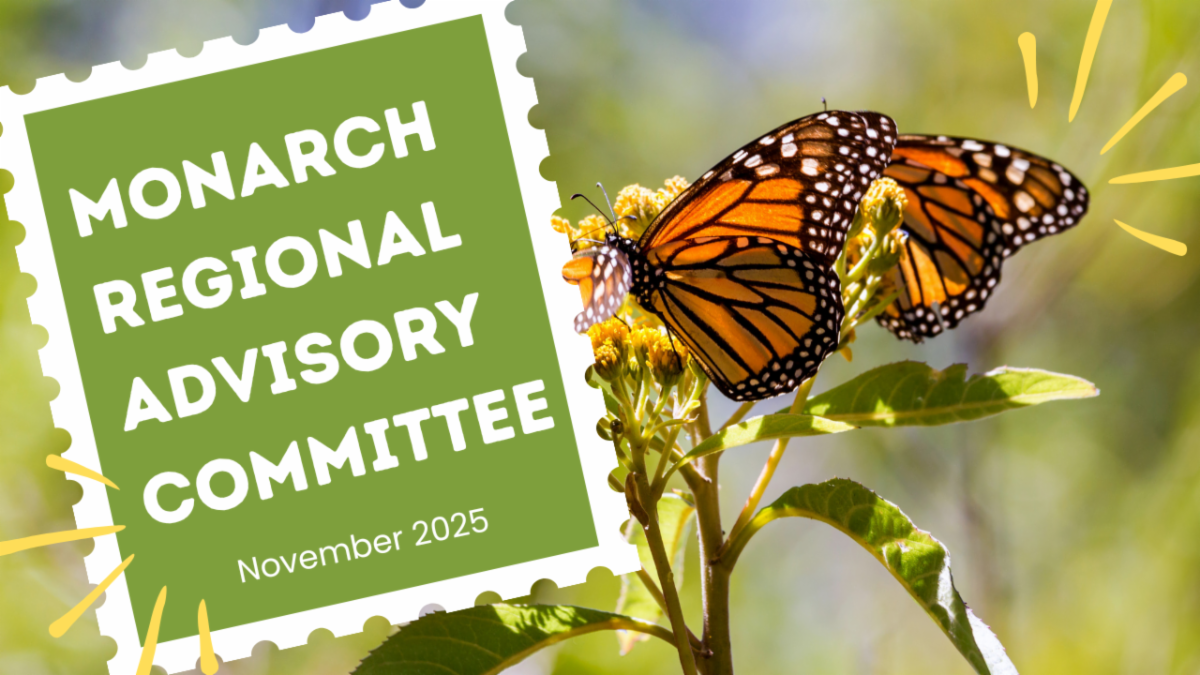
Our November MRAC meeting is now on YouTube! In this meeting, we learn about The Green Valley Project, Pollinator Hedgerows, the Pollinator Habitat Program, and the Western monarch Count.


To get on the mailing list for MRAC please email Rachel.Ray@vcrcd.org.

For more information on the Ventura County RCD,

please visit vcrcd.org.