Monday Morning Coffee and Technical Notes

March 3, 2025 View as Webpage

Upcoming Events


March 6 – Alabama Required Monthly Test (RMT) 11:15 AM


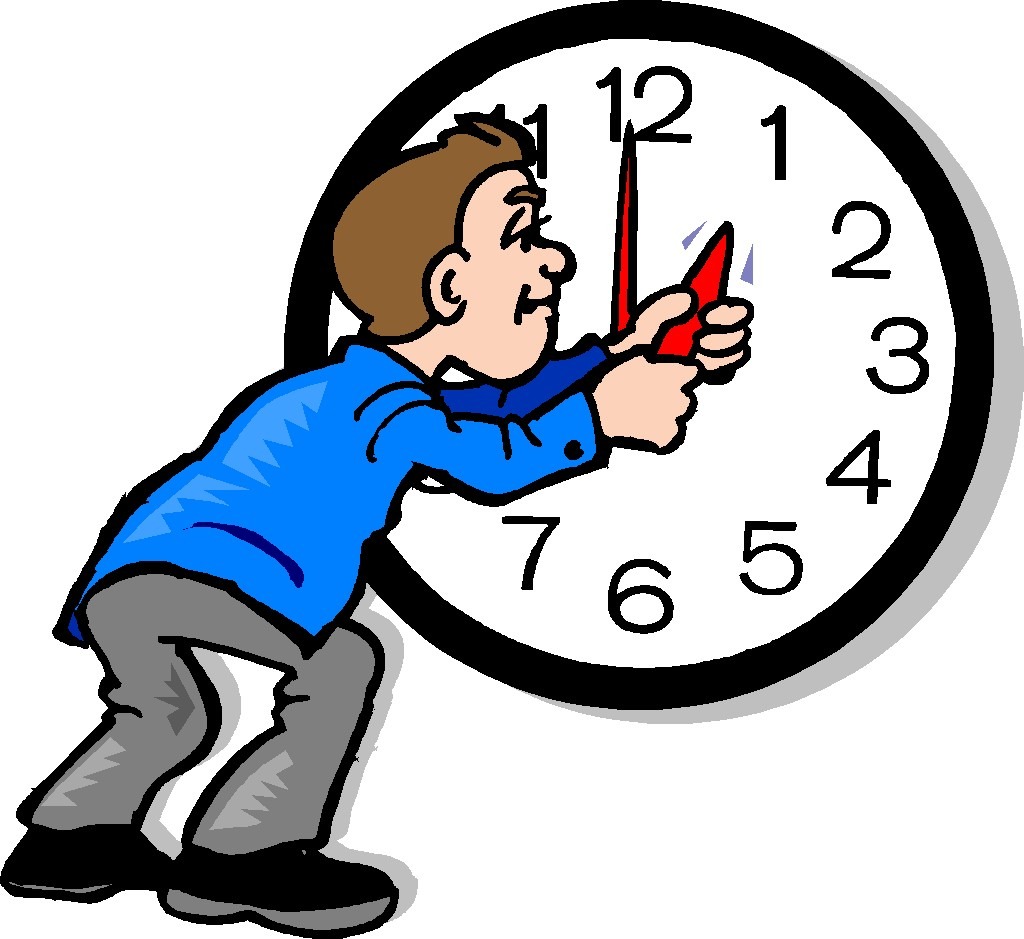
March 9 – Daylight Savings time begins at 2:00 AM


March 18 – ABA Engineering Webinar


April 5-9 – NAB Convention, Las Vegas


April 28 – May 2 ABA Television Engineering Class, Birmingham


August 7-8 – ABA Annual Convention, Birmingham


EAS Notes


As a reminder, the next Required Monthly Test (RMT) for Alabama will be fed on Thursday March 6th at 11:15 AM central time.


It will be distributed on GSSNet satellite and IPAWS. Once received, stations are required to relay the test within a 60 minute window.


Stations should also ensure they are receiving the Required Weekly Test (RWT) from IPAWS each Monday at 11:00 AM local time.


Should you have any issues receiving these test, please send an email to your state SECC for assistance.


Daylight Saving Time


Daylight saving time is set to begin on Sunday, March 9, 2025. In the early hours, time will jump forward by one hour from 2 a.m. to 3 a.m. This marks the shift to local Daylight-Saving Time (DST). Daylight saving time ends on Sunday, Nov. 2, 2025. At 2 a.m. clocks will fall back an hour to 1 a.m., granting an extra hour of sleep.


Many devices, such as phones and computers, will automatically change to DST, but non-smart devices, such as microwaves and some car radios, as well as any clock with hands, will likely need to be changed manually.

Engineers are reminded to check all equipment that depends on actual time to perform different functions. Especially remote controls that change modes of operation at an AM transmitter site.

ABA Engineering Academy


We just finished our radio engineering class and had students from around the country including Ohio, Iowa, Indiana, South Carolina, Mississippi, and Alabama.

The next class is scheduled for television engineers the week of April 28th


Students are already registering for this important class where we cover basic television operations along with the latest in ATSC 3.0 and SMTPE 2110.

The schedule for the fall classes are Radio September 22 – 26 and television November 3 – 7.


Register online here

ATSC 1.0 Sunset


In a petition submitted to the FCC the NAB is asking the commission to sunset the current U.S. DTV standard—ATSC 1.0 by 2030, paving the way for further adoption of NextGen TV, which is now available within reach of 75% of U.S. households. As part of the proposal the association is asking the commission to mandate the inclusion of tuners that support over the air reception of NextGen TV.


In the NAB filing, they are asking the FCC to require that full-power television stations complete the transition to the new ATSC 3.0 transmission standard in two phases. In the first phase, TV stations in the top 55 markets would have a transition deadline of February 2028. TV stations in remaining markets would need to transition by February 2030.


Unlike the first transition to DTV 25 years ago, the transition to 3.0 is voluntary in scope.


Read more Broadcast Law Blog

GIRATS


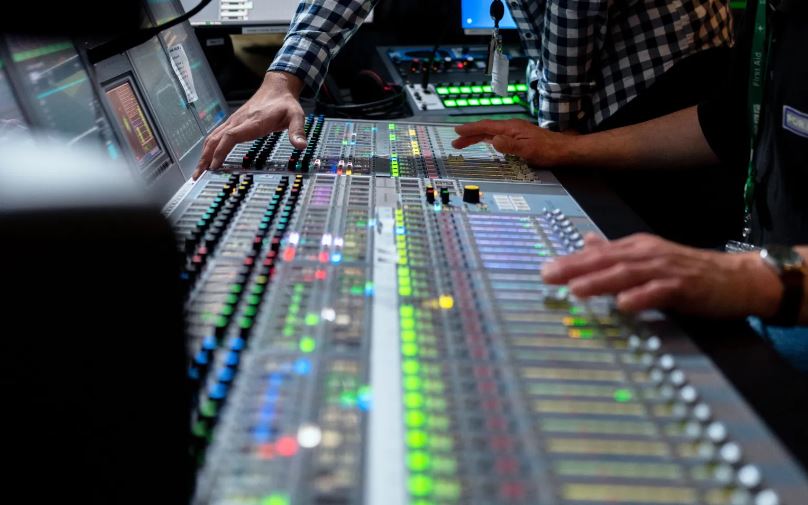
This is an acrostic for “Get It Right At The Source”. It is an important procedure both in pro audio and broadcasting. If the source audio or video is flawed in the beginning, there is normally nothing you can do downstream to clean it up. You might can “mask” an issue, but it will never be correct.


We often hear people say, “we can fix it in the mix”, but that really is a pipe dream.


In broadcasting, engineers should check all the sources that will be used to create your program stream. If you hear or see anything in the source that should not be there, correct the issue first. That’s what engineers do, identify and remove any distractions that will degrade the program quality


Once the source material is correct any other adjustments are for “season to taste”

Monday Morning Coffee and Technical Notes


Our popular weekly newsletter “Monday Morning Coffee and Technical Notes is read by over 900 broadcasters each week. We now offer archives of past newsletters in case you miss one or need to read again.


Simply click on this link to access the list. We will be adding early issues shortly.

That Nasty Hum or Buzz


Sometimes you may notice a low-level hum or buzz in you audio either on the program stream itself or from a particular source. Engineers are aware that this is due to a ground loop somewhere in the system. But how do you find it?


Normally one would make sure that all devices in the system are bonded together and tied to the master ground at one point. However, there is a situation that we sometime overlook.


When mounting equipment in a rack, we mistakenly take for granted that the rack screws handle the grounding. That is not always the case. Most racks are painted which may not make a solid ground connection and can cause hum and other problems.


A good recommendation is to install a ground buss bar at the rear of each rack, (most rack manufacturers have these available for their racks). Use a piece of ground cable (#6) to connect between a ground screw on the chassis to the buss bar (which has threaded holes). The buss bars in each rack should be bonded together and terminate to the master ground system at one point.


Speaking of rack screws we often find that people don’t use all of the mounting screws when installing the equipment. The number of mounting holes are there for a reason by the manufacture, use them all. Also, it is not a bad idea to once in while take your screw gun and go through to tighten and replace any missing.

    Pro Audio – We’re all in this Together


Unfortunately, tech teams at a church service are often underappreciated, or worse, misunderstood.

The general perception might be that they just “push buttons” or “make things work,” but the truth is, it takes skill, knowledge, and dedication to run the complex systems in place at a modern church. The tech team must collaborate closely with the pastor and musicians, making sure that sound levels, microphones, and visuals all work in harmony to support the message and the music. But it’s also essential for the tech team to communicate effectively with the other members of the church team.


While the pastor, musicians, and tech team all play vital roles, it’s easy to forget that the congregation is not just the audience – they are active participants in the worship experience. Worship is not a spectator sport. It’s a communal activity, and the congregation plays a central part in creating the worship atmosphere.


The reality is that when any one of these elements – the pastor, the musicians, the tech team, or the congregation – fails to connect, the whole worship experience suffers. It’s only when all parties are working together in harmony that the service becomes a powerful, transformative experience.

“We’re all in this together” is more than a catchy phrase – it’s a call to unity and collaboration. The worship service is a team effort, and each role is vital to creating an environment where people can encounter God.


Courtesy of Gary Zandstra in Church Sound  

Change those Passwords!

Quote of the Week

The most important part about a job is not that it is never boring; it is that it is always exciting. There is always something new to learn. There is always something interesting to get from someone else. — Zoey Deutch

Inspirational Quote of the Week

"God is always present, even when we don't feel His presence. Trust in His guidance, and He will lead you through every step of the way." - Dieter F. Uchtdorf


The information offered in this newsletter is that of the editor and not of any other entity or individual.

We welcome any comments or suggestions about this newsletter, send to lwilkins@al-ba.com