Monday Morning Coffee and Technical Notes

September 22, 2025 View as Webpage

Upcoming Events


October 3 - Deadline to file ETRS form one


October 10 – Deadline to file 3rd Qtr. Issues and Program Lists


November 2 – DST ends


November 3 – 7 – ABA Television Engineering Class

Station Log Review


Chief Operators are reminded of the requirement to review and sign the station log once each week. In doing so it certifies the station has been operating in compliance with all FCC rules and the parameters outlined in the station authorization.


Any issues or discrepancies discovered during the log review should be reported to the appropriate department for correction. These weekly logs must be maintained for a period of two years and made available to  FCC or ABIP inspectors.

Are You Listening?


There is a popular blog on YouTube labeled “Are you Listening”.  It is for Pro Audio engineers covering topics of interest in audio mixing.


As broadcast engineers we need to adopt that same idea. We need to take time to listen intently to our stations. Listening for things that shouldn’t be there (hum, buzz, background noise, distortion, crosstalk, etc.). In addition, listening to how we transition from one event to another, not only levels but the timing between elements.


We should be conscious of how elements fit together. Stations have often tried to prevent dead air by cramming content together.  But this doesn’t sound natural, when we are speaking to someone, we take breaks to breathe. Speeding can be unsettling to the listener.


Remember, it’s what comes out of the speaker that counts”.

Don’t Forget the Paperwork


If your operation has been issued a construction permit either for a new facility or a major change, remember that per Section 73.3598 of the FCC’s Rules specifies that construction permits are valid for three years and requires that a license application must be filed upon completion of construction. 


Failing to file for a license covering the construction permit can create a Notice of Apparent Liability (NAL) no matter of the reason. The actions will be considered willful and repeated violations of the FCC’s rules


Section 73.1745 of the Rules requires a station to hold an FCC license to operate.

The end of an Era for the 635A


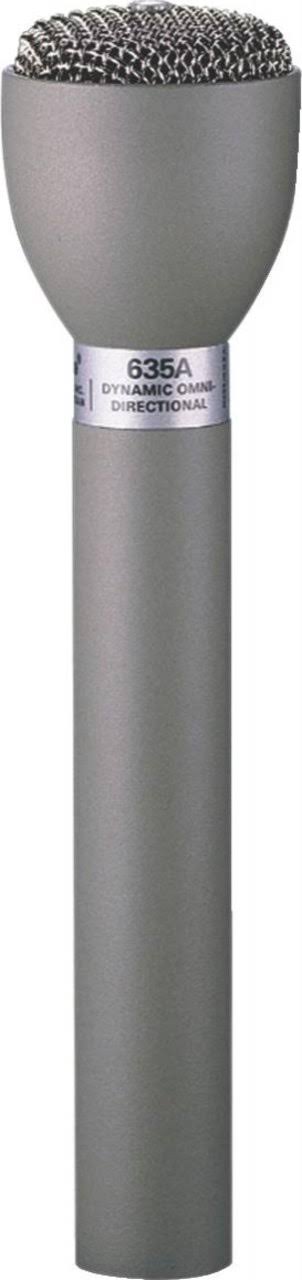
The Electro-Voice 635A microphone was introduced in 1960 and quickly gained popularity in broadcasting and live sound. It features a rugged construction, a unidirectional pickup pattern, and a frequency response tailored for voice.


To show how rugged this microphone was, one of the company’s ads indicated that you sing into the microphone or drive a nail with it. While that is not practical it did show how rugged it was.


The 635A is a dynamic mic with an omnidirectional pickup pattern. It will likely go down as one of the most popular microphone models ever made.


But as useful as the 635 was, the time has come to retire. The final 635A models left the factory in the spring of 2024. As Electro-Voice Product Manager James Curl put it, “It had a good run.”

ABA Engineering Academy


We just finished the fall Radio Engineering class with students from Alabama, Arkansas, Tennessee, Texas, Arizona and Louisiana.


Great group of engineers with plenty of questions. The topics addressed included fundamental electronics, both analog and digital audio, radio transmission systems and antenna structures, IP technologies for broadcasting, as well as station operations such as FCC regulations, EAS protocols, and log management.


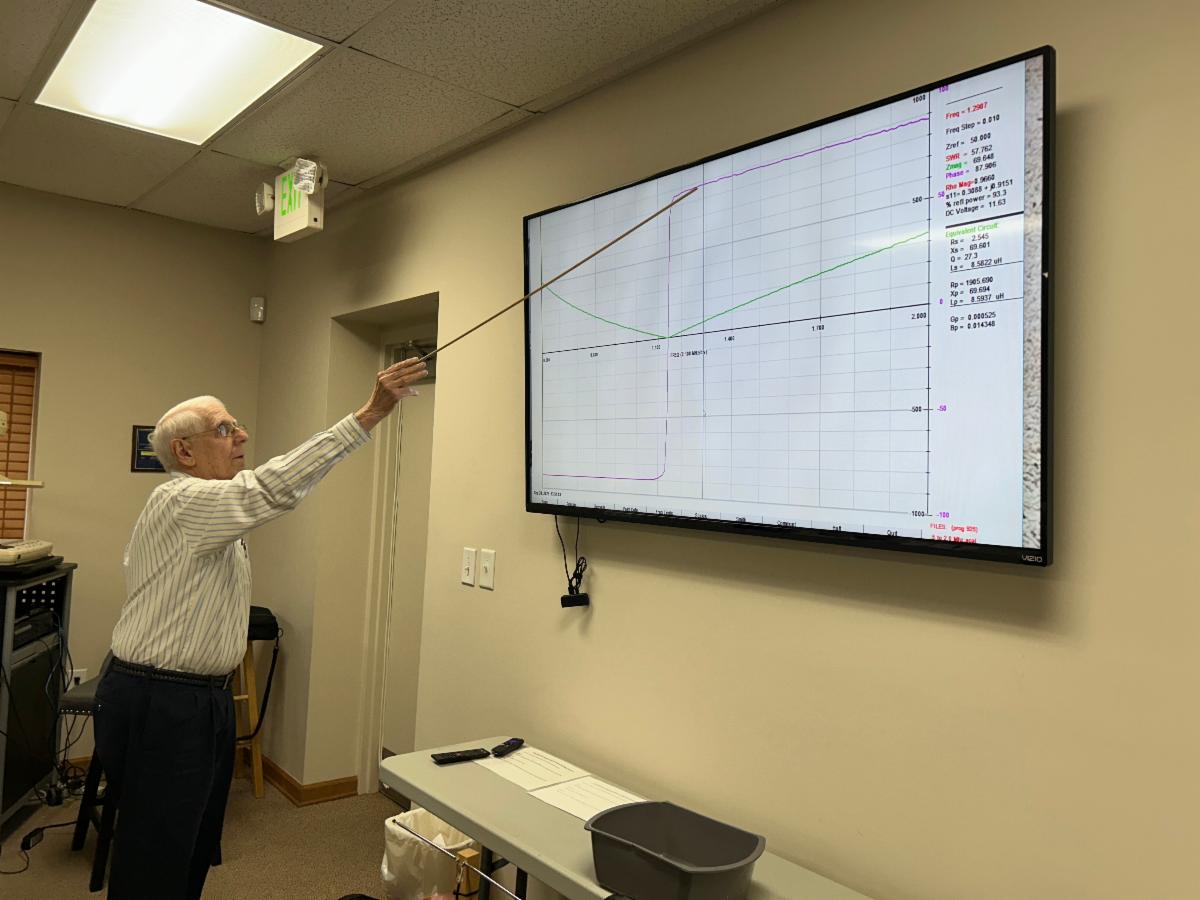
Pictured is instructor Frank Giaridina covering resonate circuits with the help of a network analyzer.


Next engineering class will be Television Engineering the week of November 3rd. This class has been updated with information covering ATSC 3.0 and SMPTE 2110.


The class is offered at no charge. Click here to view the daily schedule and registration.

Pro Audio – Creating Quality not Quantity


 Poor sound can be extremely distracting and embarrassing, especially in a live situation where you can’t go back and correct it. Your job as the sound engineer is to identify and remove any distractions that would keep those in the audience from hearing every nuance and word being presented. We all know that the worst thing that can happen in front of 50 or 5000 people is the audience leaving a service or concert complaining about the sound. This also applies to live broadcast.


Your ears are what you use to mix audio (not the meters). Although meters are important they can’t tell you if the audio is mixed correctly. Learning the “Art” of blending sounds together correctly can move your project up from a B to an A+.


How do you train your ears? Simply by listening to lots of high-quality recordings and concerts.  Don’t just listen…. but analyze the recording. Listen to how all the instruments fit together both in volume and frequency. Each instrument should have its own place to sit in the frequency spectrum. See if you can pick out the different instruments and vocalist. A balanced mix occurs when each instrument and vocal part occupies a distinct position within the overall performance.

Remember wearing these for a hour newscast.?

Quote of the Week

  “Believe in yourself! Have faith in your abilities! Without a humble but reasonable confidence in your own powers you cannot be successful or happy.” — Norman Vincent Peale


Inspirational Quote of the Week


  This life has many choices….Eternity has two, one is John 3:16 and another is Revelation 20:15. The choice is yours.


The information offered in this newsletter is that of the editor and not of any other entity or individual.

We welcome any comments or suggestions about this newsletter, send to lwilkins@al-ba.com