Monday Morning Coffee and Technical Notes

August 31, 2026 View as Webpage

Upcoming Events


August 31  – Review and sign the Station Log


September 1 – NAB Webinar, FCC Rules Changes 11:00 AM

(see article below)


September 16 – ABA Engineering Webinar  


September 19 – Alabama Required Monthly Test (RMT)


September – 23 – ABA 80th anniversary tour Scottsboro

Football Season is Here


It’s football time around the country. 


A lot of broadcasters originate local high school games.


As a gentle reminder, make sure to double-check your remote equipment before heading to the stadium, making sure everything works and you have everything you need (along with back-up items).


Most importantly, arrive at the stadium early so you have enough time to set up, test your equipment, and confirm the studio connection before kickoff.

FM Translator Reminder

In the latest list of broadcast operations released June 30th, it indicated nearly 9,000 licensed translators and boosters in the United States.


As with all licensed operations, the Commission has specific rules and regulations that must be followed.

An FM translator is a low-power FM transmitter authorized to rebroadcast the signal of a primary AM or FM radio station, or another translator station.


“Fill-in” translators are those that provide service within the primary station’s protected service area. “Non-fill-in” translators are normally owned by independent entities and can rebroadcast services from outside the translator market.


The translator license will indicate what service it is licensed to rebroadcast. FCC Rules 74.1231(e) provides that “[a]n FM translator shall not deliberately retransmit the signals of any station other than the station it is authorized to retransmit. 


Precautions shall be taken to avoid unintentional retransmission of such other signals.” If the translator owner desires to change the service it is rebroadcasting, they must notify the FCC (in writing) of the change in the service being rebroadcast.


Technical information and other translator information can be found here.

Washington News


Although not a technical issues, it is a good to know item. Engineers should remind management of this requirement

.

The FCC released a Report and Order setting its annual regulatory fees for 2026. The FCC increased TV station fees by approximately 6.2% from last year. The FCC also adopted similar increases in the fees for full-power radio and earth stations (transmit/receive and transmit only) but decreased fees for LPTV, Class A, TV/FM translators, and FM boosters. 


We expect that early this week the FCC will issue a Public Notice announcing the dates for the payment window (which will require payment before the October 1 start of the federal government’s new fiscal year) and that the Media Bureau will release a fee filing guide for the broadcast services.

Special Webinar covering FCC EAS Rule Changes


New Federal Communications Commission (FCC) cybersecurity requirements for the Emergency Alert System (EAS) take effect on September 29, 2026, requiring broadcasters to take specific steps to protect EAS equipment and systems from cyberattacks.


We encourage all broadcasters to join the NAB and National Alliance of State Broadcasters Associations (NASBA) for a free webinar on Tuesday, September 1, at 12 p.m. EDT to help understand the new requirements and how to prepare your station for compliance. 


Register today to help prepare your station for the new requirements.

Maintain the Transmitter Site Property


FCC Rules 73.1350 (a) indicates that “Each licensee is responsible for maintaining and operating its broadcast station in a manner which complies with the technical rules set forth elsewhere in this part and in accordance with the terms of the station authorization”.


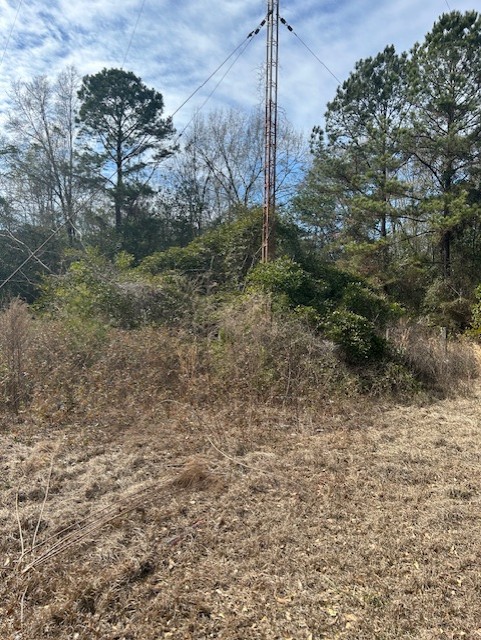
Although not specifically addressed in the Rules, good engineering practices should be followed concerning maintenance of the property itself. This includes keeping the vegetation growth under control, especially around towers, guy anchors and buildings.


Poor maintenance is an obvious warning sign that can quickly lead to problems. Vegetation grows steadily—trees can add 2 to 4 feet per year in ideal conditions, and shrubs may spread even faster. Without regular upkeep, overgrowth can block access roads, hide critical infrastructure, and create safety hazards.


Failing to conduct inspections thorough risk assessments can compromise safety. Hazard trees—those that are diseased, structurally weak, or too close to infrastructure—can cause serious damage if not addressed. Recently, an Alabama FM station lost a tower when a tree fell onto a guy wire, underscoring why proactive site maintenance is mandatory.

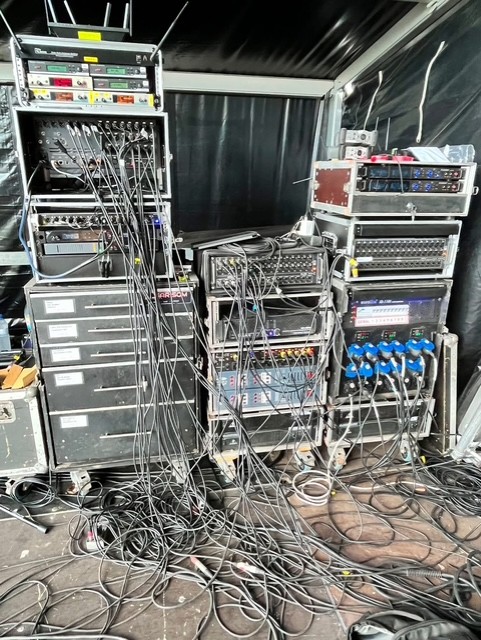
Earl I think the problem is in the grey cable!

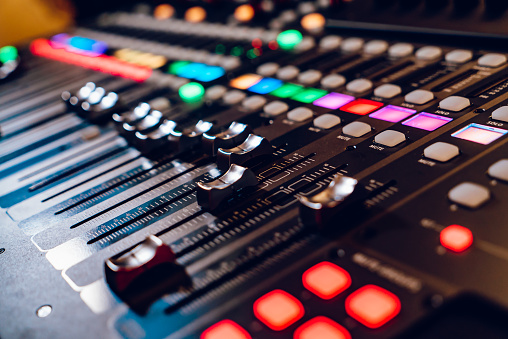
Pro Audio – What Is Mix Depth?


Mix depth is how you create front-to-back space and dimensionality in your sound, a 3D quality that is key in separating professionals from amateurs.


One of the more obvious ways to manipulate depth is with “loudness”—or level. If we close our eyes in an outdoor space we can get a good idea of how near or far people are simply by how loud their footsteps and voices are.

If your mix pumps loud and proud, with all the instruments blaring at the same level, you’ll quickly tire your listeners. Turning down some elements, while letting others maintain dominance, is a great starting point for adding depth.


We can also create an additional sense of three-dimensional depth with equalization. To push something toward the back of a mix, filter out its highs.


As sound travels through the air, high-frequency content is reduced in level to a greater degree than mids the further it travels. Lows, on the other hand, lose much less level even over great distances, which is why something far away can sound and feel plenty bassy.


Like all mixing techniques, adding depth to a mix requires a plan—you need to determine which parts of the song should be placed where, and why. Once you do, these tips will help you create a three-dimensional space.


Read an in-depth article mixing with depth from izotope

Quote of the Week

"As you navigate through the rest of your life, be open to collaboration. Other people and other people’s ideas are often better than your own. Find a group of people who challenge and inspire you, spend a lot of time with them, and it will change your life.”

- Amy Poehler

Inspirational Quote of the Week


"God's way is better than your way. His plan is bigger than your plan. His dream for your life is more rewarding, more fulfilling, better than you've ever dreamed of. Now stay open and let God do it His way."


Samuel Kwabena Amoah


The information offered in this newsletter is that of the editor and not of any other entity or individual.

We welcome any comments or suggestions about this newsletter, send to lwilkins@al-ba.com