Monday Morning Coffee and Technical Notes

March 24, 2025 View as Webpage

Upcoming Events


April 1 – Quarterly Tower Light System inspection due


April 5-9 – NAB Convention, Las Vegas


April 10 – Alabama Required Monthly Test 12:15 AM


April 10 – 1st quarter Issues and Programs List due


April 28 – May 2 Television Engineering Class, Birmingham


May 8 - Alabama Required Monthly Test 11:15 AM


August 7-8 – ABA Annual Convention, Birmingham


April Engineering Webinar


The April ABA Engineering Webinar is set for Tuesday April 15th, I know that is Tax Day, but hopefully you have already filed by then.


Scheduled for our April webinar will be Scott Fisher with Hitachi Vantara. The topic is modern day media storage systems, both on site or cloud.


Webinar starts a 10:00 AM, register here.  

ABA Engineering Academy


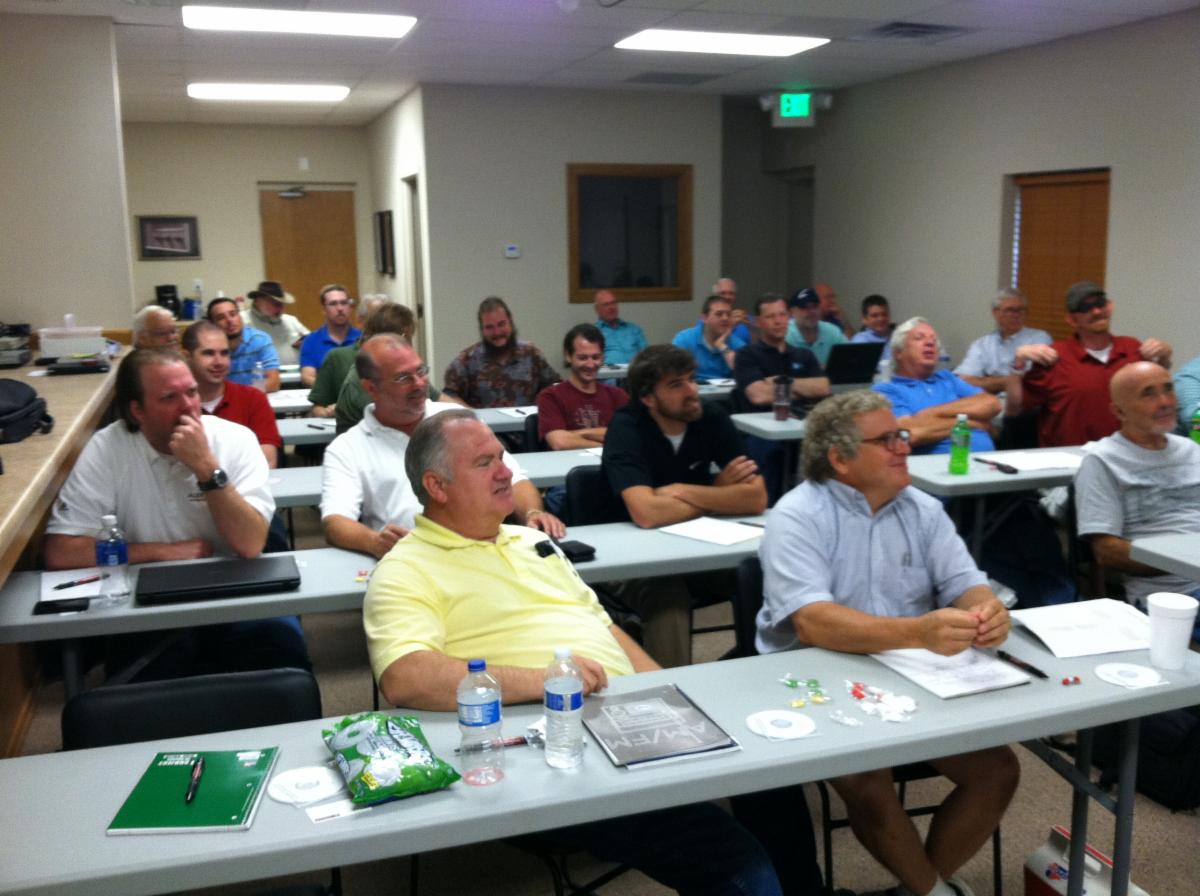
The ABA Engineering Academy will be holding its Television Engineering class the week of April 28 – May 2.


This class will cover basic electronics, audio (analog/digital), history of television, black and white, color, NTSC, ATSC-1, ATSC-3, and SMPTE 2110. In addition, a review of station operation (EAS, FCC rules, good engineering practices, etc.).

 It is designed for engineers just getting started and seasoned engineers as well. Classes are being held at the ABA training center 2180 Parkway Lake Dr, Hoover, AL (Birmingham)


Visit our web site for more information and online registration. Best of all there is no cost for the class. We offer an opportunity for students to take the SBE certification exam on Friday (not required to attend the class). The SBE does have a charge for the exam. Register online here.


The schedule for the fall classes is Radio September 22 – 26 and Television November 3 – 7.

Transmitter Site Walk Around


 Last week we wrote about reviewing all grounding connections during your transmitter site walk-around.


Another important item to look at is all concrete piers (tower base, guy anchors and the building itself.


If you see any cracks beginning to develop, make sure to address those issues as soon as possible. No matter how small they can easily begin to expand and should moisture make its way into these cracks, it could result in serious issues.


Never try to work wet concrete into these cracks, instead place a good amount of dry concrete around the crack and use a brush to push the dry concrete slowly into the crack. Then slowly pour water on the crack, making sure not to wash any of the dry concrete out of the crack. Using this method ensures the concrete has filled the crack. It is a good idea to round the concrete up a small amount so the rainwater doesn’t puddle 

LPTV Rules


LPTV stations are subject to the broadcast EEO rules, even though LPTV stations are not required to maintain a public inspection file.


Instead, these stations must maintain a “station records” file containing the station’s authorization and other official documents and must make it available to an FCC inspector upon request.


Therefore, if an LPTV station has five or more full-time employees, or is part of a Nonexempt SEU, it must prepare an Annual EEO Public File Report and place it in the station records file.

  Reviewing IFB Systems


Interruptible Foldback Back (IFB) mixes are central to broadcast intercoms both for television and radio. They are commonly known as a mix-minus because they enable a full mix to be sent to multiple listeners but minus their own input.


This is really useful, especially for crew members and talent who are on location at a venue or on an outside broadcast. It’s vital because it allows them to hear the broadcast audio without hearing their own delayed voice, which will inevitably be delayed due to the distances involved making the round trip to the studio and back. For example, a field reporter on a news item needs to hear the program output while communicating with the news anchor, and mix-minus removes the reporter’s own (delayed) voice from the mix.


The mix minus bus is so useful that broadcast consoles always have mix minus busses built in, which means a sound operator doesn’t have to build time-consuming multitrack mixes to achieve the same result – it’s one button press away, for absolutely anyone who needs it.


The program feed can be interrupted or ducked to allow cues from the director or producer to the talent during the program.


Reliable communication is essential to guarantee the smooth operation of every broadcast, at all levels, and in this case that still means hearing everything that is said.

 Pro Audio –  Background Vocals


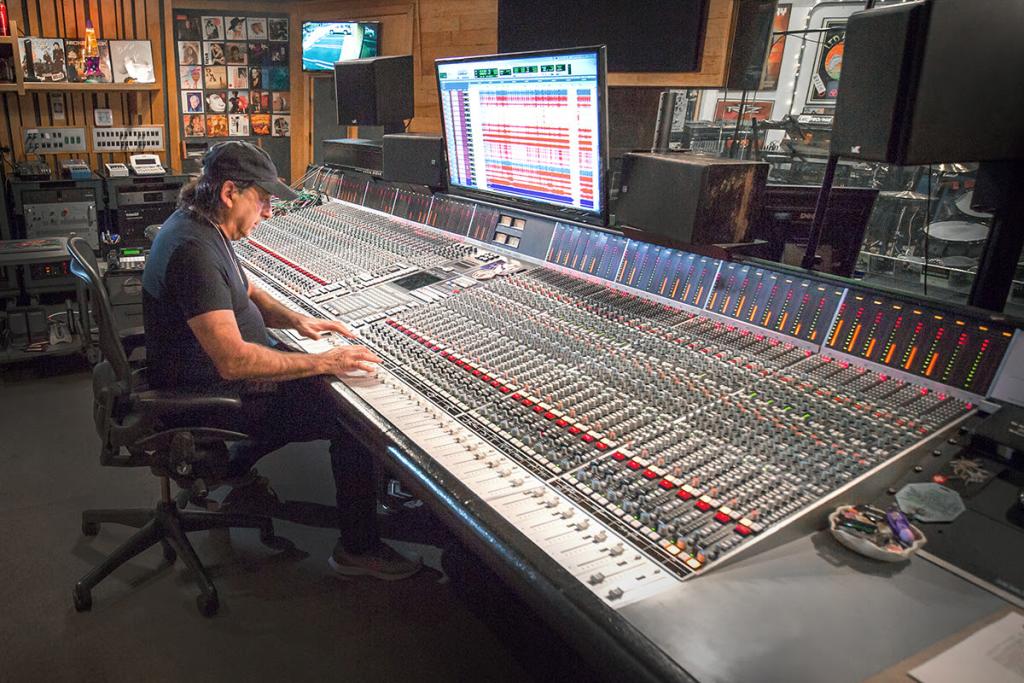
 Like many other aspects of the mixing process, mixing background vocals involves a blend of science and art.


Navigating the complexity of mixing background vocals can be a daunting task for many music producers. This challenge often centers around striking a harmonious balance: ensuring the background vocals enrich the track without overpowering the main melody.


Imagine your mix as a three-dimensional space. The lead vocals are the star in the center, and the background vocals are the supporting cast spread across the stage. As the name implies, they should be background and never overpower the lead vocal.


The key is to treat all the background tracks as one source in the mix. Once you have the balance correct ,assign to a buss then add any effects to smooth out the source to the buss not individual tracks.


Think of the background vocals as the glue that blends and fills in the spaces of the mix.

The Director is not going to like this!!

Quote of the Week

 “The Ultimate test of your knowledge is your capacity to convey it to another”

-     Richard Feynman

Inspirational Quote of the Week


Faith doesn’t make things easy; it makes them possible


The information offered in this newsletter is that of the editor and not of any other entity or individual.

We welcome any comments or suggestions about this newsletter, send to lwilkins@al-ba.com