Monday Morning Coffee and Technical Notes

June 29, 2026 View as Webpage

Upcoming Events

June 29 – Review and sign the Station Log


July 9 – Alabama Required Monthly Test (RMT) 11:15 AM


July 10 – 2nd Quarter Issues and Program list due to be uploaded to station Online Public File (OIPF)


July 16 – Cybersecurity Webinar with Jeff Welton


July 21 – ABA Engineering Webinar


FCC Calendar


Two important items are on the FCC Calendar for July. The second quarter “Issues and Programs” list are required to be uploaded to station on-line on or before July 10th.


Engineers are reminded to conduct their quarterly “tower lighting system” inspection. 


Results of this inspection must be recorded in a transmitters site maintenance log and made available to any FCC or alternative inspector.


ABA 80th Anniversary Reception


The ABA’s 80th anniversary tour made a stop last week in Auburn at The Auburn Marriott Opelika Resort and Spa. A great crowd was on hand for the two-hour reception.


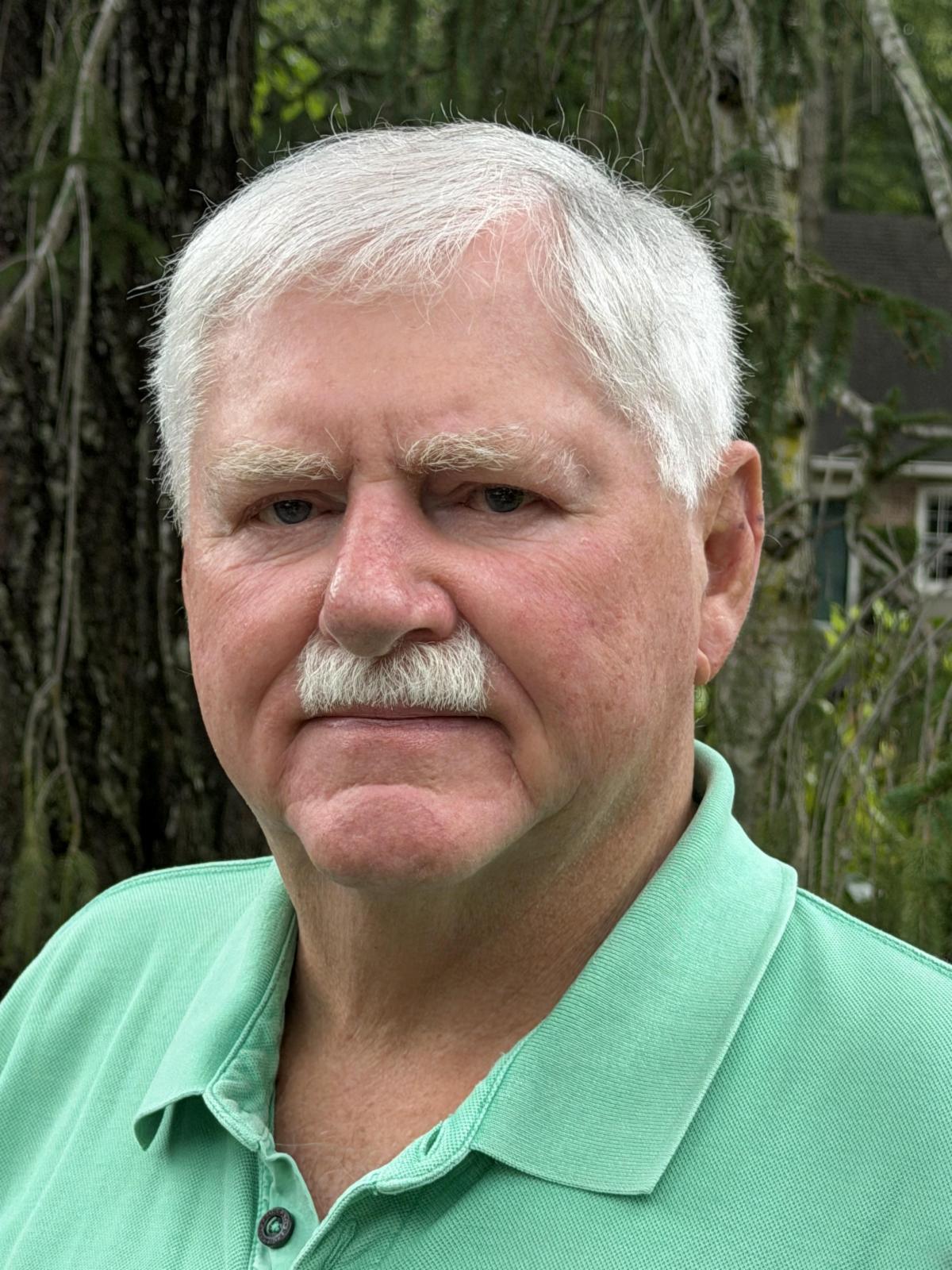
Among the highlights was the presentation of the 2026 Engineer of the Year award. Recipient was long-time Broadcast engineer Terry Harper. Harper spent most of his career with Auburn University telecommunications department. After his retirement in 1994 he started a contract engineering company working with stations around the Southeast.


Each year, the Alabama Broadcasters Association recognizes an outstanding broadcast engineer with its prestigious “Engineer of the Year” award.


The recipient is selected from nominations submitted by engineers across the state and honored for service to Alabama’s broadcast community.


Kirk Harnack, host of the weekly “This Week in Radio Tech” (TWIRT) did his show live from the event. Watch the program here


The next stop on the tour will be in Florence on July 29th.

ABA Engineering Academy


Registration is open for the fall schedule of Broadcast Engineering classes offered by the ABA Engineering Services. Seating is limited so get your registration in to ensure a seat.


These courses are intended for individuals at all levels of experience, including newcomers and experienced engineers, as well as those seeking to deepen their understanding of the technical aspects of broadcasting.


The next Radio Engineering class will be offered the week of September 28th – October 2nd. The television class is scheduled October 26th – 30th.


This 5-day class is held at the ABA Training Center in Hoover, AL (Birmingham). Discount rates for students are available at area hotels. More information about daily subjects covered and online registration is available here.

EAS in Software


Several organizations, including the NAB, are urging the FCC to move forward with allowing stations to use software-based EAS systems instead of traditional hardware.


As more broadcast functions are integrated into software-based platforms—such as audio processing, monitoring, and redundant programming—it seems natural for EAS to move in that direction as well.


One manufacturer of EAS equipment has announced that it has developed a software version of an encoder/decoder. Sage Alerting Systems met with FCC this month to show that software EAS was compatible with existing EAS systems in the field and could coexist with legacy devices.


In a report published in RadioWorld, Sage President Harold Price said “The box took three monitor inputs via streaming audio, sent EAS alert audio via AES67, and sent audio router commands via a LAN.”


Stay tuned as this project moves through development and FCC approval.

SiriusXM Radio EAS Operation


We have been informed that SiriusXM has recently discontinued relaying an EAS weekly test (RWT). They will relay any national level test or alerts on channel one (barter channel).


Stations using SiriusXM as a redundant Primary Entry Point (PEP) source should regularly check the audio on all input sources used by their EAS encoder. including SiriusXM. Also watch a Required Monthly Test (RMT) from SiriusXM.

  Cybersecurity Issues for Broadcasters


As expected, the FCC has officially adopted a proposed rulemaking to address cybersecurity concerns in broadcast systems.


The proposed changes apply not only to EAS equipment but also to any system that could allow over-the-air programming to be compromised by outside sources, including studio-to-transmitter links, processors, and transmitters.


 The three main points are:


* Require all equipment with internet connections to use passwords of 15 or more characters.


* Require all equipment with internet connections to be operating with most updated firmware.


* Require all equipment with internet connections to be behind properly installed configured firewall.


To plan for these changes engineers are encouraged to verify the firmware version of the EAS unit. DasDec should be version 5.4 or higher and Sage Endecs should have version 96.00 or higher.


The rules take effect 60 days after pending publication in the Federal Register.


Read more in radioworld


Jeff Welton with Nautel will explore the critical intersection of IT security, operational safety, and compliance for broadcast facilities.


Learn what broadcasters need to know about protecting networks, transmitters, and connected devices from growing cybersecurity risks, including practical measures for hardening systems and educating staff. Gain insights into how to assess vulnerabilities, implement sensible safeguards, and align your station’s practices with industry best practices to help keep your broadcast operations secure and compliant in an increasingly connected world.


Join Jeff for this special webinar, IT Security: Safety & Compliance, Thursday July 16, 2026 12:00 PM - 1:00 PM Central.


Contact the ABA for password and then register for the webinar here.


Pro Audio – Wet and Dry Audio


In the context of audio recording and mixing, "dry" and "wet" are terms often used to describe the level of reverberation or ambience applied to an audio signal.


A "dry" sound refers to a signal that has little to no reverb or ambience added to it. It typically has a more direct and upfront quality with minimal room reflections or spatial characteristics.


Dry sounds are commonly used when a clean and close-miked sound is desired, such as in genres like pop, rock, or hip-hop, where the focus is on a clear and intimate sound.


Utilizing wet and dry signals via parallel processing is great way to increase clarity in your mix.


Placing the two on separate tracks allows the adjustment of the amount of wet signal to achieve the desired sound without losing the quality of the unprocessed dry signal.


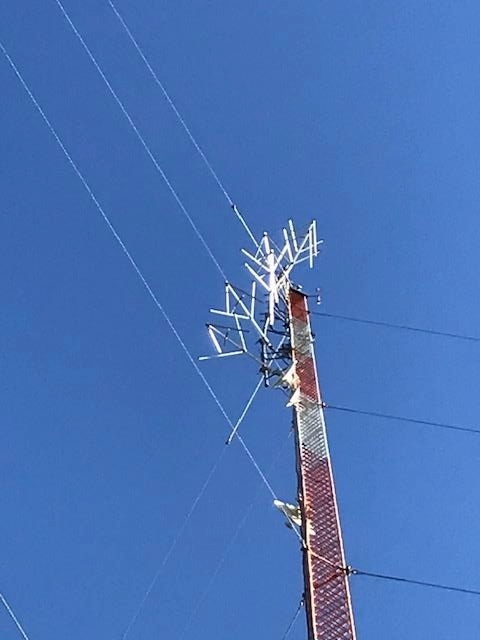
Earl I know it suppose to be directional but…..

Quote of the Week

Develop success from failures, discouragement and failure are two of the surest stepping stones to success.


Dale Carnegie 


Inspirational Quote of the Week


“Faith is not the belief that God will do what you want. Faith is the belief that God will do what is right.”


- Max Lucado


The information offered in this newsletter is that of the editor and not of any other entity or individual.

We welcome any comments or suggestions about this newsletter, send to lwilkins@al-ba.com