Monday Morning Coffee and Technical Notes

June 1, 2026 View as Webpage

Upcoming Events


June 1 – Review and sign the Station Log


June 6 – Alabama Required Monthly Test (RMT) 12:15 AM


June 9Special Cybersecurity Webinar. Special speaker Wayne Pecena Texas A&M. 10:00 AM central


June 16ABA Monthly Engineering Webinar. Frank Foti, Telos Alliance. Topic: Audio Processing how we got to where we are today


June 24 – ABA 80th Anniversary reception Auburn Marriott Opelika Resort and Spa 4 – 6 PM

ABA 80th Anniversary Tour


The next stop on the ABA Anniversary tour is in the “loveliest village on the plains” Auburn. It will be held on June 24th from 4:00 – 6:00 PM at the Auburn Marriott Opelika Resort and Spa.


We’re pleased to announce that Terry Harper will receive the 2026 Broadcast Engineer of the Year award.


The honoree is chosen from nominations submitted by engineers across the state.


This is a free event, and everyone is welcome. 


Register here


Engineering Responsibilities


The station engineer is a major part of the entire broadcast team. While basically the job involves maintaining the technical operation of the station, it is also important to keep up with FCC Rules and Regulations and remind management of timely filing of required reports and documents.


One major item is the creation and filing of the quarterly Issues and Programs List. This is an issue that we often find during Alternative Broadcast Inspections (ABIP).


FCC chairman Brendan Carr restated the importance last week “if the FCC finds a licensee is not serving ‘the public interest’, there will be consequences”.


The Issues and Program Lists must be uploaded to the online public file on or before the 10th day of the month following the end of each quarter. Second quarter reports are due by July 10th, 2026.

ABA Engineering Academy


The fall round of engineering classes are coming up in September. The ABA Radio Engineering class will be held the week of September 28th – October 2nd. Our television class is scheduled October 26th – 30th.


These courses are intended for individuals at all levels of experience, including newcomers and experienced engineers, as well as those seeking to deepen their understanding of the technical aspects of broadcasting.


The classes cover an overview of basic electronics, analog and digital audio, history of radio and television technology, creating audio and video streams, RF systems for radio and television along with basic studio operation and FCC rules and regulations.


We’re currently updating our study guides and program to include more relevant material for broadcast engineers, as well as new information about emerging technologies like IP for broadcasting, digital audio and video, SMPTE 2110, and ATSC 3.0.


We also offer students the opportunity to take the SBE Certification exam on Friday if desired.


This 5-day class is held at the ABA Training Center in Hoover, AL (Birmingham). Discount rates for students are available at area hotels. More information about daily subjects covered and online registration is available here.

Increasing Cybersecurity Issues in Broadcast Operations


The ABA Engineering Services will host a special Engineering Webinar on Tuesday June 9th at 10:00 AM central time.


Wayne Pecena, Associate Director of Engineering at KAMU-FM/TV will be our special quest and will discuss how the transition from dedicated broadcast hardware to software-driven and internet-connected environments has both transformed station facilities but at the same time made them vulnerable to intrusion from outside sources.


Register online here and share information about the webinar with others.

Summer Transmitter Site Maintenance Items


As summer approaches, be sure to include the condensate drain on your transmitter site HVAC checklist. This 3/4” PVC line typically carries water from the evaporator to a floor drain or pump, and its constant moisture creates an ideal environment for mold and other buildup.


If left unchecked, buildup can restrict water flow enough to trip the shut-off switch or, if no switch is installed, send water where it should not go. Either problem can lead to an unplanned late-night site visit. Flushing the line regularly with a bleach-water solution helps prevent buildup.


Cleaning the outdoor condenser coils helps them shed heat efficiently. Special coil cleaners are available for this task, and you should avoid using a high-pressure hose at close range, which can damage the delicate fins. Be sure to disconnect power first, since you may need to remove the top cover and fan to clean the back side of the coils.


Courtesy of Telos Alliance

ABA Engineering Monthly Webinar


The June ABA Engineering Webinar will be held on Tuesday the 16th at 10:00 AM central time. Special quest will be Frank Foti, Telos Alliance.


The topic will cover audio processing today and how we got to where we are today. Frank will also touch on the proper process of making adjustments to create the sound the station needs.

Register online here

Understanding FCC Rules – Tower Light System Inspection


June is the last month in the second quarter of the year.  This triggers the requirement to conduct the quarterly tower light system inspection.


The FCC rules require that the proper operation of the actual lights themselves be observed once each 24 hours, the quarterly tower system inspection involves other items, such as photo cell, switching/control systems, remote monitoring and alarms system.


The results of the inspection should be entered in the “Station Log” and transmitter maintenance log.


As side note Part 17.23 states: “each antenna structure must be painted and lighted in accordance with any painting and lighting requirements prescribed on the antenna structure's registration (ASR), or in accordance with any other specifications provided by the Commission.”


Engineers are encouraged to review the station tower ASR to ensure the painting and lighting complies accurately.

Pro Audio – Creating Streaming Audio


The single biggest streaming upgrade most churches can make right now is fixing the stream audio mix.


If you're pulling from the house mix bus and calling it done, you're leaving the most impactful improvement on the table.

The FOH mix is designed for the room’s acoustics, so it can sound thin and dry on laptop speakers or earbuds. Also, if the service includes live musical instruments there will be “stage sound” which reduces the amount needed in the FOH mix.


If the budget allows, you should have a separate mix console for the stream and locate it in another area away from the auditorium.

Because the FOH mix lacks the room’s ambient and audience sound, the stream mix should include some of that audio to help remote listeners feel more presence in the service.


Care should be used when adding ambient sound, so it doesn’t wash out the main mix. Most importantly when mixing for the stream feed monitor the stream itself not the mix console output.


Ultimately, the goal is to create a stream that leaves remote listeners with a positive impression.

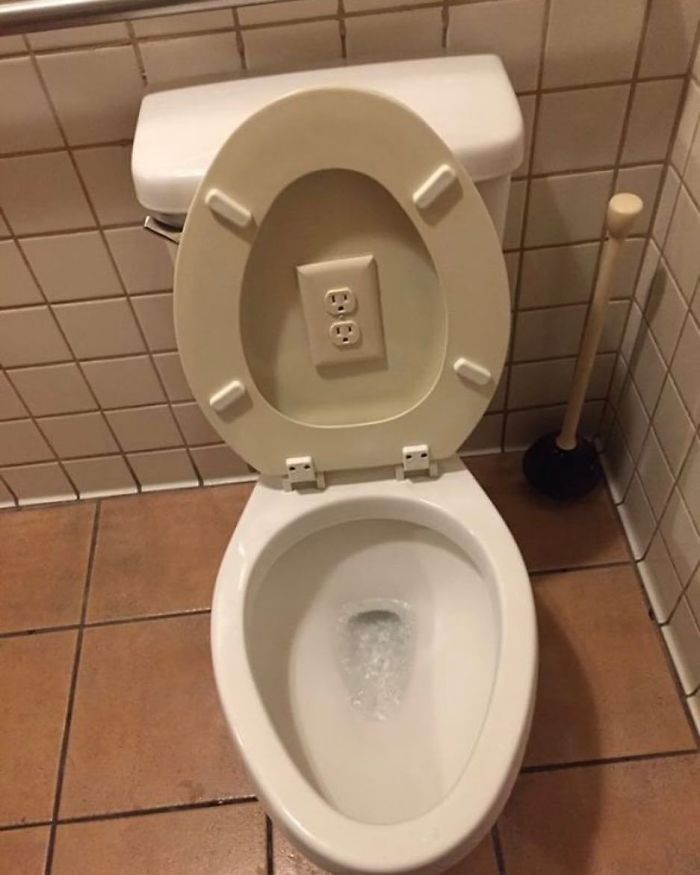
Earl, when I said add a new outlet in the toilet, I meant in the wall!

Quote of the Week

   It is improper for one person to take credit when it takes so many people to build a successful organization. When you try to be top dong, you don't create loyalty. If you can't give credit (and take blame), you will drown in you inability to inspire.


James Sinegal


Inspirational Quote of the Week


When culture changes around us, God's standard of living does not. Even when we're engulfed by evil, the eyes of the Lord range to and fro throughout all the earth to strengthen those whose hearts are fully committed to Him.


David Jeremiah


The information offered in this newsletter is that of the editor and not of any other entity or individual.

We welcome any comments or suggestions about this newsletter, send to lwilkins@al-ba.com