|
Schematics
Most engineers, especially those under 30 probably don’t remember “schematics”. Today most technical equipment problems are fixed by removing a defective module and replacing with a new one.
However, there was a day when an engineer would take the non-functional device to the work bench, open it up and replace a failed part. This required a schematic.
A technical schematic is a visual representation that illustrates the components and relationships within a system using standardized symbols and lines. It focuses on the functional aspects of the system rather than its physical layout, making it easier to understand how different parts interact and operate together.
Seasoned engineers remember the Sams “Photofact” which was a significant part of the history of technical documentation in electronics. Founded in 1946 by Howard W. Sams, the company initially focused on producing radio schematics and repair manuals. Over the years, it became well-known for its Photofact service, which provided detailed service data and schematics for various electronic devices, including radios and televisions. This service became a standard reference for technicians and repair shops, greatly influencing the electronics repair industry.
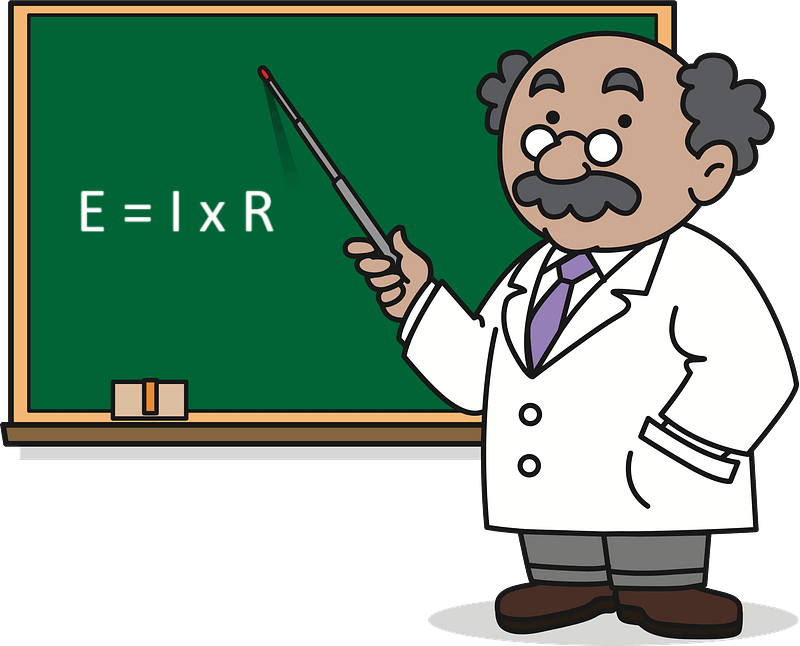
You might be surprised by how many new broadcast engineers don’t know how to solder—or may not even own a soldering iron. Isn't soldering one of the core skills one is expected to know? In my day — when dinosaurs roamed the Earth — learning to soldering was as important as learning ohms law.
I admit that sitting at the workbench, breathing in the scent of a soldering iron, can almost be as satisfying as the aroma of fresh coffee brewing.
|