Monday Morning Coffee and Technical Notes

January 13, 2025 View as Webpage

January Engineering Webinar


The ABA Engineering Webinar with be held on Tuesday January 21st, starting at 10:00 AM central time.


This webinar will cover the future of EAS distribution. The special guest will be Bill Robertson with Digital Alerting Systems. Bill has been involved in the development of an IP EAS system and will talk about what is called “EAS at the Edge” and how it can be implemented in the IP world.


Register online for this important webinar.

Upcoming Events

January 21ABA Engineering Webinar 10:00 AM central time. Future of EAS distribution with special guest Bill Roberston, Digital Alerting Systems.


February 6 – Alabama Required Monthly Test (RMT) 12:15 AM


February 18 - ABA Engineering Webinar 10:00 AM central time. Program TBA


February 24-28 - ABA Radio Engineering Class, Birmingham AL


From Washington


The FCC issued the latest station totals as of December 31st, 2024. The total was 33,373 which includes all AM, FM, TV, FM translators, FM booster, and low power FM’s.


Of interest is the number of FM translators, 8,880 FM and low power stations, 1,968. Compared to last year there are 61 fewer AM stations and 38 fewer commercial FM stations, but 191 more noncommercial FM stations.


 The Commission also released an Order increasing by an average of more than 17% its application fees, including those for broadcast station applications, to reflect changes in the Consumer Price Index. The new fees will take effect 30 days after the Order’s publication in the Federal Register. We urge stations to contact their legal advisors for more information.

 ABA Engineering Academy


The ABA Engineering Academy will offer our Radio Engineering Class the week of February 24 – 28, 2025. The Television Class will be held the week of April 28 – May 2, 2025. We will offer a second round of classes later in the year.


The class will cover basic electronics, analog and digital audio, history of radio broadcasting, AM and FM transmitters/antennas, EAS and FCC rules. We also offer the opportunity for students to take the SBE Certification exam on Friday.


Classes will be held at the ABA Training Center 2180 Parkway Lake Drive Hoover, AL (Birmingham). Classes are offered at no cost for beginners or seasoned engineers from across the country.


Daily class outlines and registration is available at the ABA Engineering Academy website.

 Daylight Saving Time


In 2025, standard time will end and daylight-saving time will begin Sunday, March 9, at 2 am local time.


In the United States, this has the effect of creating more sunlit hours in the evening during months when the weather is the warmest.


Changing the clocks is unpopular. For years, Americans nationwide have battled “springing ahead” and “falling back.” Several states have proposed legislation to stay of one time, but so far none have passed into law.

USB data upgrades


The latest entries, USB 4.0, Thunderbolt 3, and Thunderbolt 4, are where you'll find the highest data transfer speeds: a maximum capable throughput of 40 Gbps.

Thunderbolt is another transfer speed standard used in some USB-C cables—all Thunderbolt 3 and 4 cables are USB-C, but not all USB-C cables are Thunderbolt. So, if Thunderbolt is what you're after, you'll need to make sure that's part of the cable you're buying.


These super-high transfer rates are impressive, but they don't matter much if you aren't regularly transferring hundreds of GB of data or doing something wild like editing video on an external hard drive. If you are, however, you'll want at least Thunderbolt 3.


Some USB cables are only capable of delivering power or transferring data, though most can do both. PD (power delivery) standards fall into one of three main categories: power only, slow charge, and fast charge.


USB PD can handle up to 100W, which is powerful enough to power things like a MacBook Pro, monitors, docking stations, and most TVs. It can also fast-charge smaller compatible devices like your phone or Nintendo Switch. PD also only provides the necessary charge to your device but won't overcharge it. Newer battery banks are starting to support USB PD, which are more capable of keeping your power-hungry devices powered and fully charged.

 Pro Audio – Bidirectional Patterns


Last week we wrote about the different Polar Patterns of different microphones. One of those which needs additional information is the bidirectional.


The bidirectional polar pattern (often referred to as figure-8) is symmetrically sensitive to sounds from the front and back while rejecting sounds to the sides.


The bidirectional polar pattern is based on the truest form of the pressure-gradient principle. This basically means that both sides of the microphone diaphragm are equally exposed to external sound pressure.


So a sound wave from the front of the mic would hit the front and then back of the diaphragm the same way an equal sound wave from the rear or mic would hit the back and then the front of the diaphragm.


The bidirectional polar pattern (often referred to as figure-8) is symmetrically sensitive to sounds from the front and back while rejecting sounds to the sides.


The bidirectional polar pattern is based on the truest form of the pressure-gradient principle. This basically means that both sides of the microphone diaphragm are equally exposed to external sound pressure.


So a sound wave from the front of the mic would hit the front and then back of the diaphragm the same way an equal sound wave from the rear or mic would hit the back and then the front of the diaphragm.

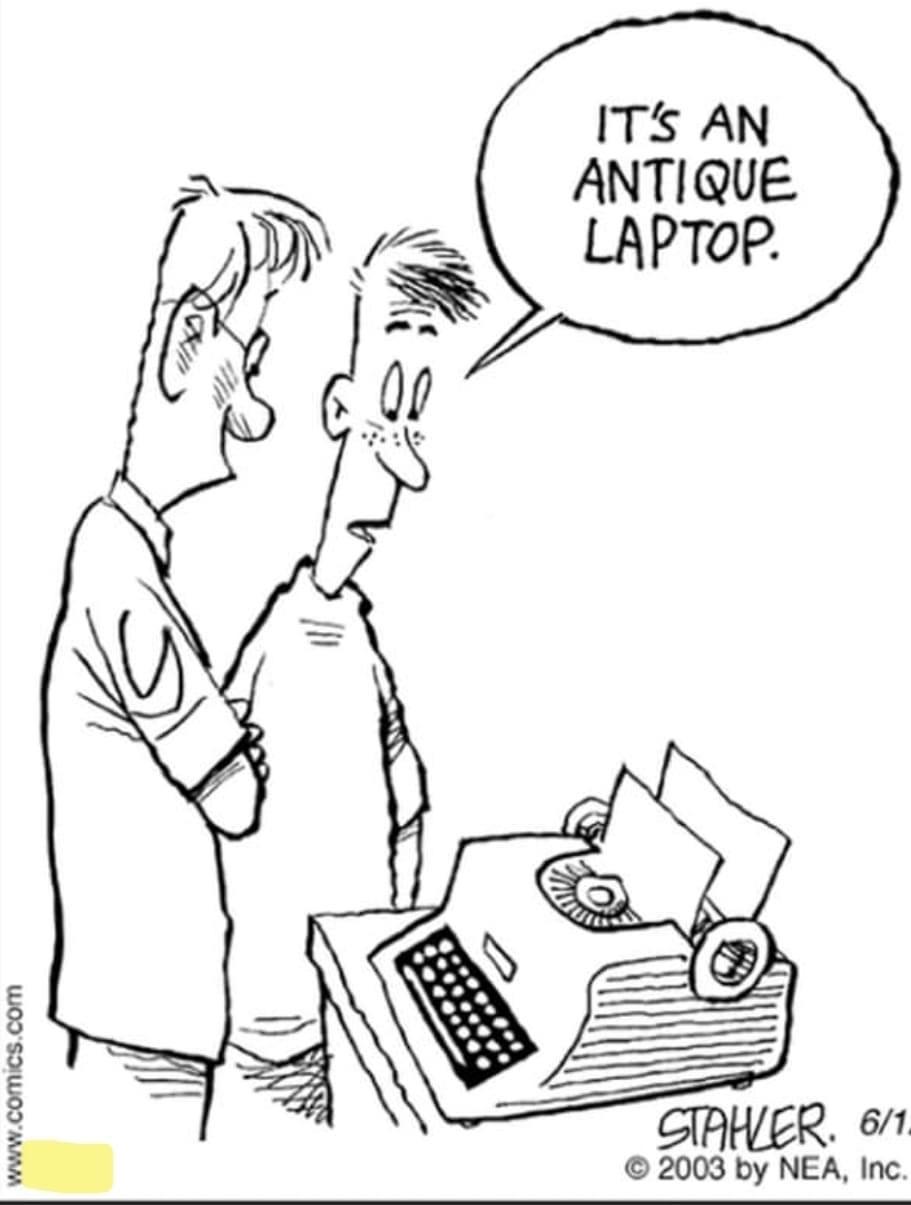
My, how things have changed over the years.

Quote of the Week

When dealing with any type of audio, broadcast or live sound always remember, the quality (i.e. clarity, balance, etc.) of the sound will always outweigh the quantity (i.e. volume).

Inspirational Quote of the Week


Thomas Edison once said when you see everything that’s happening in the world of science and in the workings of the universe you cannot deny that there is a captain on bridge


The information offered in this newsletter is that of the editor and not of any other entity or individual.

We welcome any comments or suggestions about this newsletter, send to lwilkins@al-ba.com