Monday Morning Coffee and Technical Notes

July 21, 2025 View as Webpage

Upcoming Events


August 7-8 – ABA Annual Convention, Birmingham


August 18 & 19 – ABIP Training Seminar, Birmingham


September 21 – 26 – ABA Radio Engineering Class


November 3 – 7 – ABA Television Engineering Class

Plant Drawing


Do you have a “plant drawing” of your broadcast facility? If not, creating a drawing that shows the signal chain that your audio or video takes from the source to the transmitter is invaluable.  


This drawing will aid in troubleshooting and locating “weak links” in the path. Include notes covering redundant equipment and patch points.


Most importantly, be sure to review and keep the drawing current.

Engineer of the Year


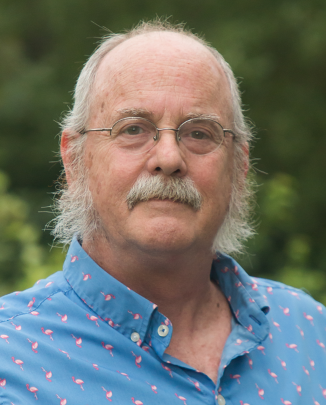
We are excited to announce the 2025 Engineer of the year. Steve Kohn with WSFA-TV Montgomery. Steve has been with the station for over 40 years and was a major part of the recent studio move to a high-rise office complex in downtown Montgomery.


Chief Engineer Morris Pollock said “It's rare to find a broadcast engineer working his entire career at one station but that's our Steve. As Engineering Manager, he continues to work with staff and vendors to design, integrate, document and maintain one of the finest news producing TV stations in the country. "Anyone watching WSFA has seen Steve's work, "what they don't see is the passion Steve pours into WSFA each and every day".


WSFA General Manager Mark Bunting added “Steve Kohn has been and continues to be an integral part of our WSFA engineering team. His love for this industry and our television properties further confirm why he is an excellent choice in being selected as the ABA’s Engineer of the Year.”


This award recognizes excellence and innovation in broadcast engineering for an Alabama radio and/or television station. Criteria include development of new technology, leadership in education and contributions to broadcast engineering technical standards.


WSFA is an NBC affiliate, owned by Gray Communications and is celebrating its 70th anniversary this year. Steve oversees the studio operations and their modern transmitter facility, which includes a 2,000-foot tower south of Montgomery.

He will be honored during the luncheon on Thursday August 7th as part of the ABA 2025 conference.


FCC Rules Quick Notes


If you have been following the news from Washington, you should be aware that the FCC has decided to explore a compete overhaul of the nation’s Emergency Alerting System (EAS) and Wireless Emergency Alerts (WEA).


This follows a proposal from the NAB and other groups to move the EAS system to a computerized system rather than the current “hardware based” operating system.


FCC Chairman Brendan Carr stated last week, “With underlying frameworks that are 31 [EAS] and 13 years old [WEA], we think it’s time to explore if structural changes to these systems are needed, with an eye towards making sure we are leveraging the latest technology to save lives”.

The Commission plans to explore this in their schedule August 7th Open meeting.


Stay tuned, we will continue to issue updates in this newsletter concerning possible changes to the EAS/WEA systems.

2025 ABA Conference


Radio and Television engineers should make their plans to attend the 2025 Annual ABA Convention on Thursday August 7th. We have lined up 5 very informative technical presentations during the Engineering Seminar. The morning sessions include:


A look at the new generation of water-cooled solid-state radio and television transmitters. The presenter will be Greg Martin with Rohde & Schwartz.


This will be followed by Bryan Martin with Thompson Power Systems. Bryan will cover proper sizing and installation of large diesel generators and ongoing maintenance and service.


After the two morning sessions we will have a break to allow visits with the many exhibitor booths. This is a great time to check out new products, services, and equipment information.


Lunch is provided at noon with your registration.


After lunch the first presentation will feature Larry Wilkins, Director of Engineering Services with the ABA. The topic is “It’s what comes out of the Speaker that Counts”. A look at how to create quality audio in both radio and television program streams.


Peter Gogas with Gray Media will then discuss the implementation of ATSC 3.0 Datacasting.


Our final presentation for the day will cover Chief Operator duties as it relates to the requirements of maintaining a “Station Log”. The speaker is John George, RF Specialties and South Carolina ABIP inspector.


Engineering registration is only $40.00 which includes lunch. The location for the conference is Renaissance Birmingham Ross Bridge Golf Resort & Spa 4000 Grand Avenue, Birmingham,AL. Click here to register and if you need hotel information contact Lesa Rice lrice@al-ba.com

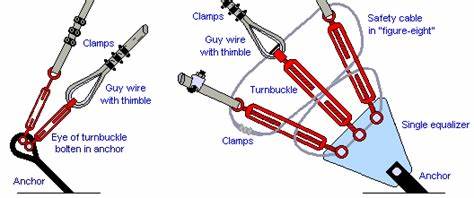
Are You Inspecting the Guy Anchors?


Regular inspection of broadcast tower guy anchor systems is crucial for ensuring structural integrity and operational safety.


Structural Stability

Guy anchors provide essential support to broadcast towers, preventing them from swaying or collapsing. Regular inspections help identify signs of wear, corrosion, or damage that could compromise stability.


Safety Risks

Failure to inspect can lead to catastrophic failures, posing risks to personnel and nearby structures. Inspections help mitigate hazards associated with extreme weather conditions, which can stress anchor systems.


Regulatory Compliance

Many jurisdictions require routine inspections as part of safety regulations for broadcasting infrastructure. Compliance with these regulations helps avoid legal liabilities and ensures operational continuity.


Maintenance Planning

Regular inspections inform maintenance schedules and necessary repairs, extending the lifespan of the tower and its components. They allow for proactive measures rather than reactive fixes, which can be more costly and time-consuming.


Documentation and Reporting

Keeping detailed records of inspections aids in tracking the condition of the anchors over time. Use your cell phone camera to keep a record of the condition of the anchors. Documentation can be essential for audits and insurance purposes, demonstrating adherence to safety standards.


In summary, regular inspections of guy anchors are vital for maintaining the safety, stability, and compliance of broadcast towers.


ABIP Training Seminar


Engineers and other station personnel are invited to attend a free two-day seminar covering the Alternative Broadcast Inspection Program (ABIP). 


Even if you are not involved in the actual inspection, this seminar will cover a lot of areas, both technical and legal. The items covered will help keep your entire operation in compliance with current FCC Rules and Regulations.


The class will be held on Monday and Tuesday August 18th and 19th at the ABA training center in Hoover, AL (Birmingham). The first day will be the classroom and the second day will be in the field conducting “Mock” inspections at an AM, FM and television station.


Instructors include John George, ABIP inspector for South Carolina and Larry Wilkins ABIP inspector for Alabama. LATE BREAKING NEWS: A representative from the Atlanta regional FCC office will be with us on Thursday.


There is no cost for attending the seminar. You can register online here. We encourage you to register early since seating is limited. On the registration page is a list of hotels that have special reduced prices for attendees.

Pro Audio – Live Stage  


Working with a live stage set up sometimes can be confusing, especially if you are new to the business.


Locations on the stage are referenced to the artist’s perspective. This means “Stage Left” is to the left of the artist and “Stage Right” is to the artist right. “Down Stage” is nearest to the audience and “Up Stage” is the back part of the stage.


Other terms used on a live stage include:


Floor Wedges are generally two-way (separate drivers for high-frequency and low-frequency sound) speakers in boxes designed to angle them up at the performers.

Side Fill monitors. These are small speaker cabinets at the sides of the stage that wash the stage with sound so that, even if you're not in front of a floor wedge, you can still hear everything.

Stage Box is where all the mic cables plug in on stage.

D.I. Box (or Direct Injection Box) designed to take a relatively high-impedance source and it to a balanced low-impedance signal

Backline equipment refers to the musical gear provided for performers at live events. It usually includes amplifiers, instruments and other essential equipment that a band or musician needs on stage.

Front Of House (FOH) is where the principal sound engineer does their work during the event.

For a complete list of terms coving sound systems visit BackStage.

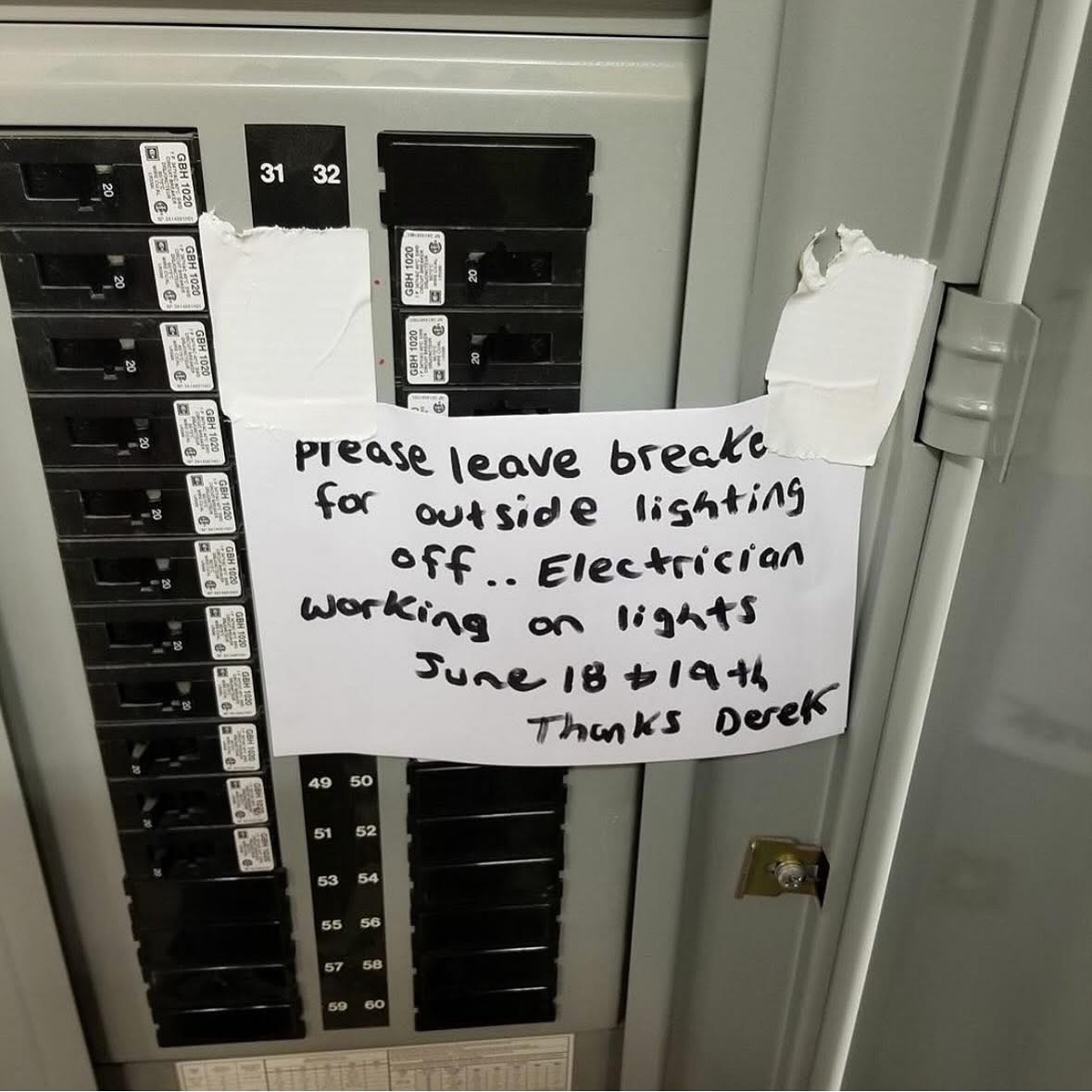
Earl, did you put a lockout tag on the breaker box?

Quote of the Week

"Moving forward is one of the most important decisions we can make in life, because it allows us to grow and learn new lessons.

  • Dr. Peter Nieman

Inspirational Quote of the Week


Knowing Jesus means you can spend your time living the truth, not looking for it.


The information offered in this newsletter is that of the editor and not of any other entity or individual.

We welcome any comments or suggestions about this newsletter, send to lwilkins@al-ba.com