Monday Morning Coffee and Technical Notes

July 6, 2026 View as Webpage

Upcoming Events

July 6 – Review and sign the Station Log


July 9 – Alabama Required Monthly Test (RMT) 11:15 AM


July 10 – 2nd Quarter Issues and Program list due to be uploaded to station Online Public File (OPIF)


July 16 – Cybersecurity Webinar with Jeff Welton


July 21ABA Engineering Webinar – C-band update with Mark Johnson Linkup Communications

Protect your Equipment!


While doctors are issuing warnings concerning dangerous temperatures that most of the country is experiencing, engineers should be aware that broadcast equipment, especially transmitters can suffer damage from high temperatures as well.


While the older tube type transmitters could tolerate higher temperatures, the newer solid-state units can fail quicker when exposed to extreme temperatures. 


Check air conditioning and air flow at your transmitters daily to make sure equipment is not in the danger zone of heat exhaustion.


Remember to clean or replace air filters often!


Update All Passwords and Firmware in your Air Chain Equipment


Under the upcoming FCC cybersecurity rules, broadcasters must promptly review and install software and hardware patches for internet-connected equipment in the program chain to prevent known security risks from giving bad actors access to the station’s program chain or EAS systems.


For EAS equipment the DasDec unit must be using version 5.4 or higher and for Sage Endec the unit must be using version 96.00 or higher.


For other air chain devices, including processors, STL equipment, and transmitters, contact the manufacturers for guidance on password management and firmware versions.

The Commission stated in its rulemaking that stations should use passwords of at least 15 characters, with no dictionary words or station references.


Good engineering practice has always been to use unique passwords for each piece of equipment.

ABA Engineering Academy


Registration is open for the fall schedule of Broadcast Engineering classes offered by the ABA Engineering Services. Seating is limited so get your registration in to ensure a seat.


These courses are intended for individuals at all levels of experience, including newcomers and experienced engineers, as well as those seeking to deepen their understanding of the technical aspects of broadcasting.


The next Radio Engineering class will be offered the week of September 28th – October 2nd. The television class is scheduled October 26th – 30th.


This 5-day class is held at the ABA Training Center in Hoover, AL (Birmingham). Discount rates for students are available at area hotels. More information about daily subjects covered and online registration is available here.

New FM Translators for non-commercial Operators


As a reminder, the window for filing applications for new FM translators to operate in the FM Reserved Band (88.1-91.9 MHz) will open at 12:01 a.m. ET on Tuesday, August 11, 2026, and it will close at 6:00 p.m. ET on Tuesday, August 25, 2026.

Applications can only be filed by existing noncommercial station operators.


Parties can begin to prepare applications much sooner, as the application forms will be available in the FCC’s LMS database starting on July 1.

July Engineering Webinar


Over the years the C-Band satellite spectrum (3.7 to 4.2 GHz) has been the major system used by radio and television networks to deliver programming to their affiliates.


In 2020, the FCC moved to make 280 megahertz of the 3.7 to 4.2 GHz band available for flexible terrestrial use by repacking existing satellite operations into the upper 200 megahertz of the band and reserving a 20 megahertz guard band, while conducting a public auction of the cleared spectrum.


Now the FCC has proposed rules for a further auction of the upper C band — 3.98 to 4.2 GHz — targeting completion by 2027, with Congress mandating a minimum of 100 megahertz be cleared for competitive bidding under the One Big Beautiful Bill Act signed in 2025. This upper segment still carries active satellite services serving cable and broadcast customers in the United States, meaning a second, smaller version of the 2020 reallocation process is now underway.


Mark Johnson with Linkup Communications will join us on the July 21st ABA Engineering Webinar to sort out the changes and what it will it will mean to C-band users. 


The webinar will start at 10:00 AM central time. Click here to join in.

  IT Security Webinar


Jeff Welton with Nautel will explore the critical intersection of IT security, operational safety, and compliance for broadcast facilities.


Learn what broadcasters need to know about protecting networks, transmitters, and connected devices from growing cybersecurity risks, including practical measures for hardening systems and educating staff.


Gain insights into how to assess vulnerabilities, implement sensible safeguards, and align your station’s practices with industry best practices to help keep your broadcast operations secure and compliant in an increasingly connected world.


Join Jeff for this special webinar, IT Security: Safety & Compliance.


Thursday July 16, 2026 12:00 PM - 1:00 PM Central. Contact the ABA for password and then register for the webinar here.

Pro Audio – Protect your Ears


Loud sounds can seriously damage hearing and may lead to permanent hearing loss.


Harmful noise levels can come from many sources, including concerts, music events, construction sites, traffic, and machinery.


Exposure to loud noise, especially above 85 decibels (dB), can cause noise-induced hearing loss (NIHL).  At 85 dB, you have 8 hours of safe exposure. Every 3 dB increase cuts that time in half. At 100 dB (a typical concert), you have just 15 minutes before permanent damage can occur.


Sound engineers should understand the risks of high sound pressure levels at live events and in the mix studio. Prolonged exposure can cause permanent hearing damage and distort your perception of sound levels during long mixing sessions.

Professional mix engineers emphasize mixing at lower sound levels and taking frequent breaks to let your ears rest.


For those involved in audio mixing, the most important tool is your ears, so take care of them.


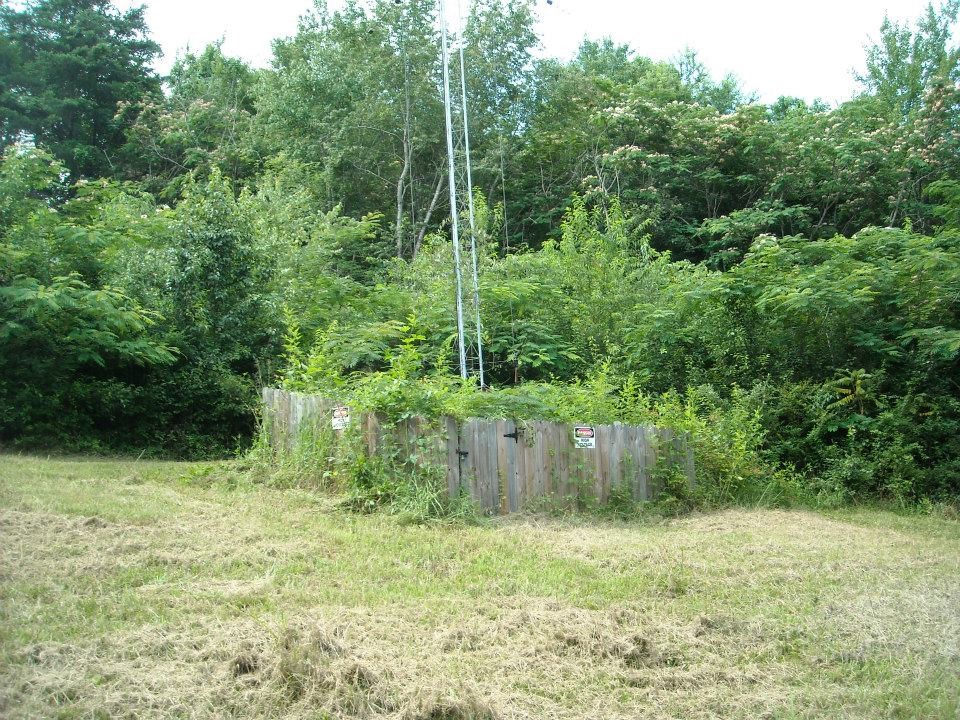
Earl You did a good job on the AM site mowing, but I think you missed the most important part!

Quote of the Week

“No matter how fast we run, life isn’t a race, we all leave empty handed, so it’s how we live that matters most”.


Inspirational Quote of the Week


“Grateful for the freedom we celebrate, but even more for the One who sets souls free. Faith, Family, Freedom. May we never take of it for granted”.


The information offered in this newsletter is that of the editor and not of any other entity or individual.

We welcome any comments or suggestions about this newsletter, send to lwilkins@al-ba.com