Monday Morning Coffee and Technical Notes

June 15, 2026 View as Webpage

Upcoming Events


June 15 – Review and sign the Station Log


June 16ABA Monthly Engineering Webinar. Frank Foti, Telos Alliance. Topic: Audio Processing how we got to where we are today


June 24 – ABA 80th Anniversary reception Auburn Marriott Opelika Resort and Spa 4 – 6 PM


July 9 – Alabama Required Monthly Test (RMT) 11:15 AM

June ABA Engineering Webinar


The ABA Engineering Webinar will be held tomorrow Tuesday, June 16th starting at 10:00 AM central time.


Our special guest will be Frank Foti, Telos Alliance. Frank will talk about how we got to where we are today with audio processing.


Make sure you join us for what will be a most informative and entertaining webinar. 


Click here to register.


2026 Alabama Engineer of the Year


Each year, the Alabama Broadcasters Association recognizes an outstanding broadcast engineer with its prestigious “Engineer of the Year” award.


The recipient is selected from nominations submitted by engineers across the state and honored for service to Alabama’s broadcast community.


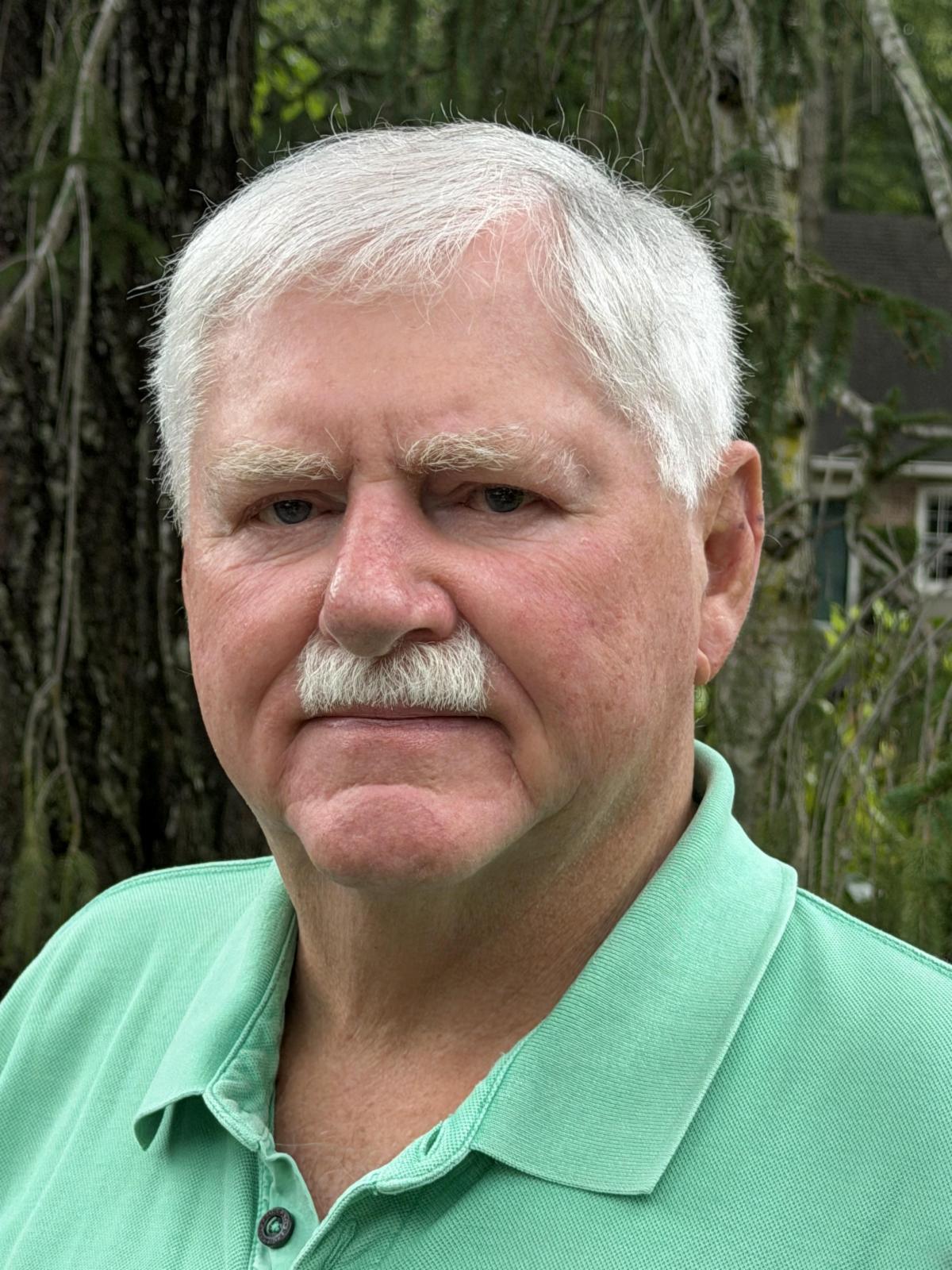
The 2026 Engineer of the Year is Terry Harper. He began his career in 1967 at WABT (now WACQ) 580 kHz in Tuskegee, Alabama. In 1969, he joined Auburn University’s Educational Television Division as an audio engineer.


He retired from Auburn University in 1994 and has provided contract engineering services across the state ever since.

Terry and his wife Tammie reside in Auburn. They have three sons and seven grandchildren.


His hobbies include snow skiing, hunting and fishing, and working on the farm.

The award will be presented at the ABA 80th anniversary reception in Auburn Wednesday June 24th. The reception will be held from 4:00 – 6:00 PM at the Auburn Marriott Opelika Resort and Spa.


This is a free event, and everyone is welcome. Register here

Grounding at guy anchor points


When laying out a new tower site or updating a present one, don’t forget about guy anchors. One might think that since the tower is grounded that the guy lines (since they are tied to tower) are grounded as well. But is not the most effective way to ground guy wires.


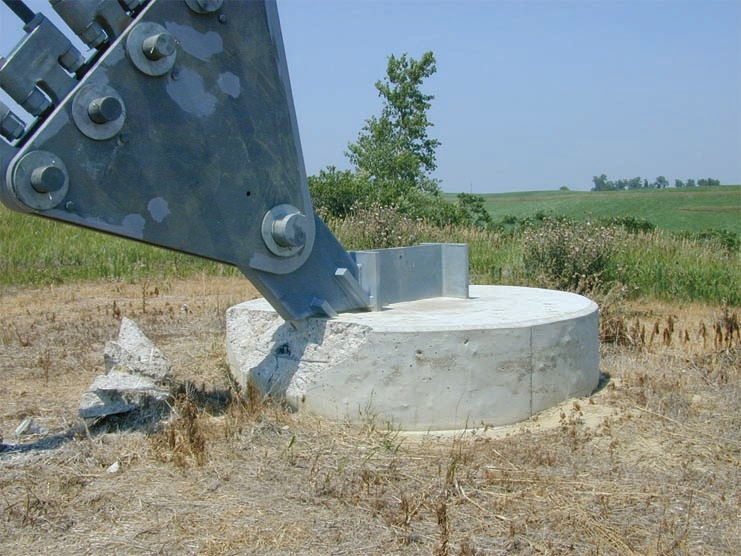
A lightning strike on a poorly grounded guy line can cause major damage. If the guy wires are not bonded correctly, the high current from the strike may travel through the anchor rod instead. That current can cause moisture in the concrete pad to expand rapidly, which may crack or severely damage the rod or the concrete. See photo above.


Recommended procedures for grounding guy wires include….


1. At each guy anchor bond all the guy wires together just above the preform for the turnbuckle. Use a single run of cable and compression clamps, leave slack in the lengths between the guys and do not use galvanize wire.


2. Mark a circle about 10 feet from the center of the guy anchor. Install three 10-foot ground rods, spaced evenly around the circle. Bond the rods together with 2-inch or larger copper strap.


Then use a large gauge stranded copper wire to bond the guy wires (using compression clamps) to the ground rod. If possible, use cadwelding for all in ground-system connections.

Remember to place the rods and cables below ground level to eliminate any damage from mowers. Put marking tape or paint on drain cable from guys to ground system.


Be sure to inspect all grounding connections during your quarterly site walk around.

ABA Engineering Academy


As technology continues to change, successful engineers must embrace lifelong learning. To support that goal, the ABA Engineering Academy offers broadcast engineering classes throughout the year.


These courses are intended for individuals at all levels of experience, including newcomers and experienced engineers, as well as those seeking to deepen their understanding of the technical aspects of broadcasting.


The next Radio Engineering class will be offered the week of September 28th – October 2nd. The television class is scheduled October 26th – 30th.


This 5-day class is held at the ABA Training Center in Hoover, AL (Birmingham). Discount rates for students are available at area hotels. More information about daily subjects covered and online registration is available here.

  A Bit of History


On September 7, 1927, in a San Francisco laboratory, inventor Philo Farnsworth and a small team of assistants placed a slide containing an image of a triangle in front of a machine Farnsworth called an Image Dissector, and then gathered around a receiving tube on the other side of a partition. As they watched, one line of the triangle appeared in a small bluish square of light on the receiver. At Farnsworth’s instructions, someone rotated the slide. As if by magic, the image of the line on the receiver turned as well.


This was the beginning of the television system we have today. Technology has made tremendous improvements and changes over the years, but Farnsworth’s basic principles are still in use today.

The Art of Listening


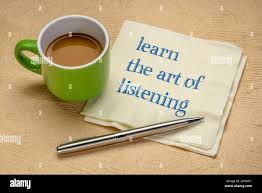
A question for engineers, do you listen to your station? I don’t mean just punching over to see if you are on the air. We are talking about listening intently. Are there sounds that should not be there, hum, buzz, clicks, distortion, etc. Be conscience of how the transition from one element to the next one sounds. Note the level, quality, blending, etc.


Although this is not a technical issue, pay attention to see if the station sounds too busy. Listeners can be put off by the “old rock jock radio” style—fast talking, tightly packed elements, and excessive effects. I recently heard a production director comment that clients often insist not to use a “radio voice” on their commercial, make it sound natural.


One issue I often hear starts in the production room: background music and sound effects can overpower the vocal when they are not blended properly. By definition, background audio should stay behind the vocal, not compete with it at the same level.


The goal here is to have a product that will invoke a positive experience to the listener, which in turn increases “time spent listening”.

Maintaining hand tools


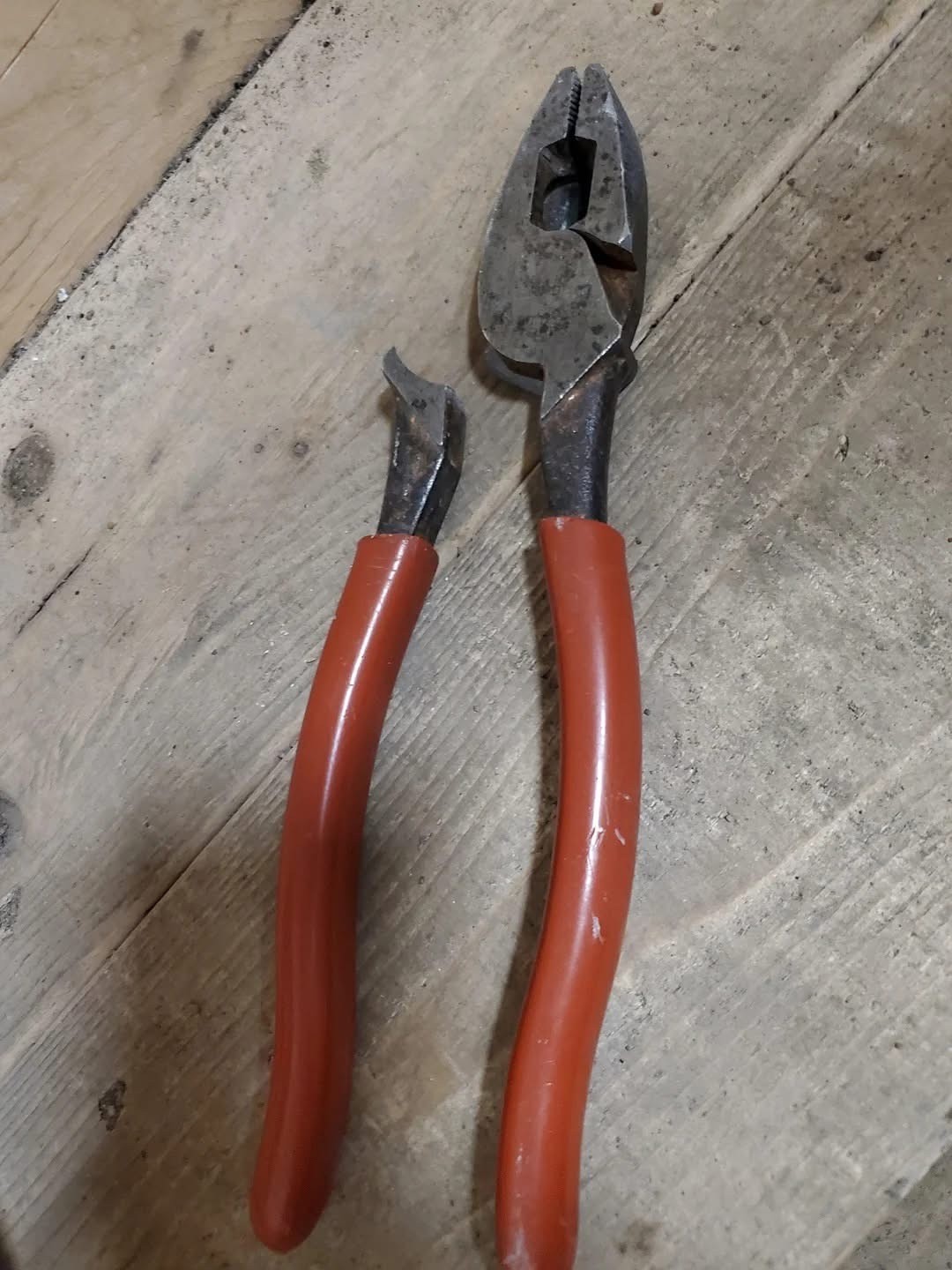
Maintaining hand tools is crucial for their longevity and performance. By keeping your tools in good condition, you can ensure that they remain easy to use, allowing you and your team to work faster and more efficiently.


·     Clean tools after each use to prevent corrosion and damage.

·     Store tools in a dry environment to prevent rust and damage.

·     Check for wear, damage, or any other issues that may affect performance.


Above all choose the right tool for the job to ensure optimal performance. Using the wrong tool can damage both the tool and the workpiece.

Pro Audio – What exactly are dynamics?


Dynamics (as they relate to audio) are the range(s) between the quietest point and the loudest point in a sound. Things like string orchestras are very dynamic, as in there’s a large span of how quiet the orchestra plays and how loud the orchestra plays.


If a piece of music or a person isn’t very dynamic, this means that the performance stays within a certain “volume” level throughout without much variance.


We care about dynamics because if things have too large of a dynamic range, sound people could be riding faders throughout an entire event. That’s never fun.


Use dynamic plugins and hardware to help control the dynamics of an input or performance. Compressors, limiters, gates, dynamic EQ, and others fall under dynamic processing.

Compressors squash down the louder parts of an input to directly make them have less dynamic range. Limiters are very powerful compressors — they limit how loud an input can get.


When used appropriately, dynamics can be one of our most valuable tools in music and sound reinforcement.


That said, avoid overusing dynamic processing, as it can reduce the overall quality of a performance. At the end of the day the goal is to make the performance sound natural, any processing used should not be apparent to the audience. This is important both in a live event or recording studio.

Safety First, as Earl always says "always assume the circuit is live"

Quote of the Week

 Loving your work can turn even the most mundane tasks into exciting journeys of self-discovery and growth.


Inspirational Quote of the Week


Waiting is an exercise of faith that demonstrates the condition of our hearts. Waiting on God is an act of faith. And faith is what separates the men from the boys.


Steve Farrar


The information offered in this newsletter is that of the editor and not of any other entity or individual.

We welcome any comments or suggestions about this newsletter, send to lwilkins@al-ba.com