Monday Morning Coffee and Technical Notes

November 3, 2025 View as Webpage

Upcoming Events


November 3 – Station Log Review by Chief Operator


November 6 - Alabama Required Monthly Test (RMT) 11:15 AM CDT


November 18 – ABA Engineering Webinar. Special guest will be Kirk Harnack Telos Alliance

AM Tower Fence


Engineers that maintain AM transmitter sites are reminded of the requirement of having the tower enclosed with a locked fence.


These fences and gates should be inspected during each transmitter site visit.


The Commission has issued numerous Notices of Apparent Liability (NAL) for non-compliant enclosures. Check both the fence and lock structures and promptly repair any issues to avoid major safety concerns.

ATSC 3.0 Update


Even though the FCC operations is mostly closed, due to the government shut down, the Commission met last week and issued a landmark decision. They unanimously adopted a Fifth Further Notice of Proposed Rulemaking (NPRM) to accelerate the transition to the ATSC 3.0 broadcast standard (NextGen TV). 


The plan is to change the ATSC 1.0 simulcasting from mandatory to voluntary. The NAB had encouraged the Commission to set a hard date for sunset of ATSC 1.0, which would have required the top 55 markets to cease ATSC 1.0 simulcasting in 2028 and the rest of the markets by 2030. However, the FCC proposal would propose a market-based transition rather than a fixed timetable. 


To that end, the FCC proposes to end the 1.0 simulcast requirement in favor of voluntary simulcasting, observing that “at this stage broadcasters have strong market incentives to continue to effectively serve their viewers” such that a mandatory simulcasting requirement is no longer necessary.


Read more details of the proposal at CommLawCenter.

Cybersecurity Awareness


Cybersecurity has become a strategic necessity for broadcast operations in today’s hyper-connected world. The rapid increase in the use of Al creates another type of attack to our systems.


Artificial Intelligence is influencing cybersecurity for both attackers and defenders. AI agents are capable of scanning networks, creating adaptive phishing campaigns, and carrying out complex attacks. In defense, AI-based systems can detect irregularities, isolate threats, and address vulnerabilities with minimal human involvement.


Adopting a defense-in-depth strategy is critical. Multi-layered security protocols ensure that if one security measure fails, there are additional safeguards in place.  


Integrating these protocols into legacy systems can be challenging, yet it is essential. The complexity of such integrations demands robust project management and streamlined workflows. By adopting a multi-faceted approach that includes advanced reporting, real-time monitoring, and strategic collaboration among teams, organizations can create a resilient network environment dedicated to safeguarding their broadcast systems.

Daylight Savings Time Ended


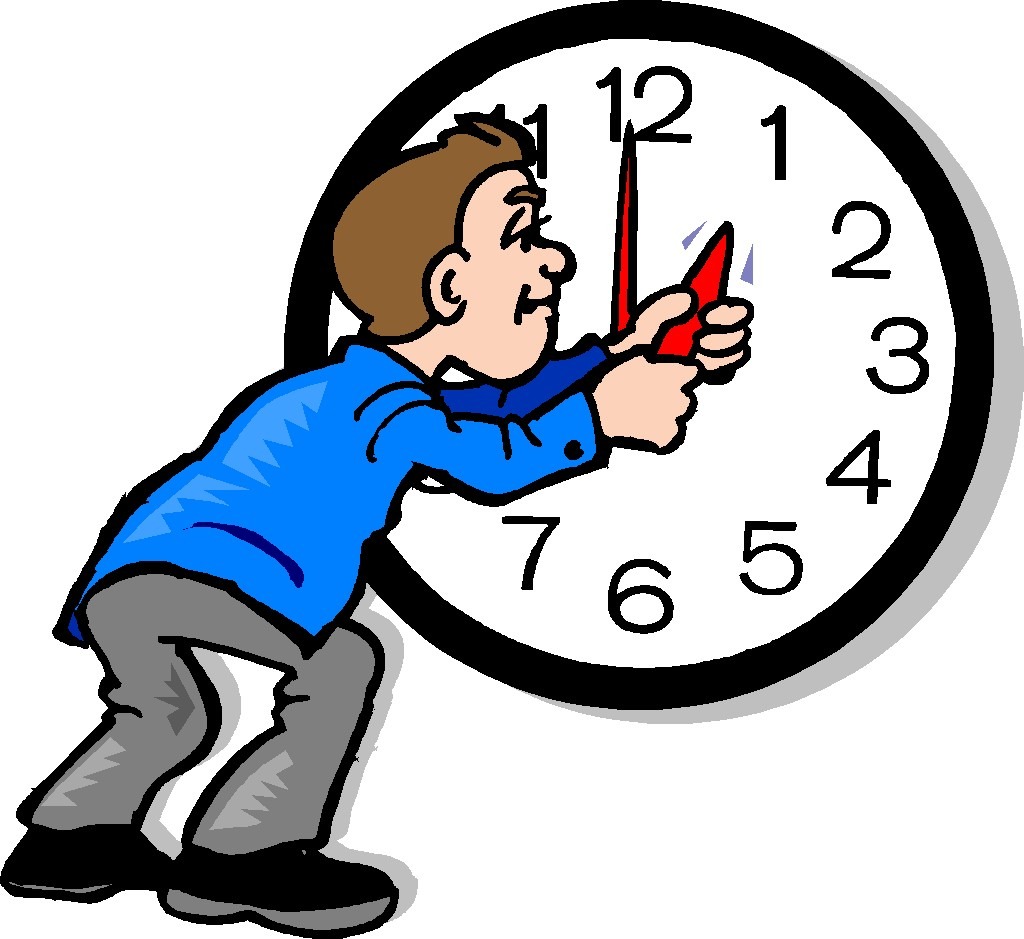
Most areas of the United States changed from Daylight Savings Time to Standard Time at 2:00AM local time yesterday November 2nd.


Time moved back one hour at this time. We gained an hour to accommodate for more daylight in the mornings.


In addition to changing clocks and readjusting our lifestyles, broadcasters should ensure that all operations that are keyed to the time of day have been adjusted correctly. This includes transmitter modes of operations, automation system. Etc.

Planning Ahead


2026 will be here in just a couple of months. Now is the time to lay out a schedule of major projects for the year. Taking time to schedule projects will aid in securing necessary equipment and scheduling the work. 


Take care not to schedule projects to close together as some may require more time that originally planned. Also leave some time to make required corrections or adjustments before signing off on a project. Finish the project completely, don’t leave part of the project unfinished.


Above all make plenty of notes and document the installation and setup. If the project requires, schedule time to train operators on new equipment.

Pro Audio –  Reviewing Compressors


Compressors are commonly used for many audio applications and function by lowering the uppermost dynamic range of a signal at a set threshold. Once the signal exceeds that threshold, the compressor will engage and reduce it, by a set amount.


Compressors also allow the engineer to determine how fast the gain reduction will engage and how slow it will be released.


How severely the compressor reduces the signal, is determined by two parameters: ratio and threshold. A ratio of 2:1 or less is considered mild compression, reducing the output by a factor of two for signals that exceed the compression threshold. Ratios above 10:1 are considered hard limiting. Assuming a nominal input-signal level, as the compression threshold is lowered, more of the input signal is compressed.


A well-designed and properly adjusted compressor should not be audible. Too much compression can destroy the acoustic dynamic response of a performance.

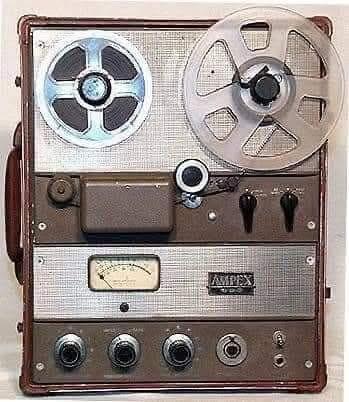
Earl, back in my day, if you had one of these you were really uptown.

Quote of the Week

   Opportunity is often missed because we are broadcasting when we should be tuning in. In other words we should do more listening than talking.

Inspirational Quote of the Week


God's plans for you are better than any plans you have for yourself. So don't be afraid of God's will, even if it's different from yours.


Greg Laurie


The information offered in this newsletter is that of the editor and not of any other entity or individual.

We welcome any comments or suggestions about this newsletter, send to lwilkins@al-ba.com