Monday Morning Coffee and Technical Notes

January 26th 2026 View as Webpage

Upcoming Events


January 26 – Station Log Review by Chief Operator


February 2 - Station Log Review by Chief Operator


February 5 - Alabama Required Monthly (RMT) Test 12:15 AM


February 9 - Station Log Review by Chief Operator


February 17 - ABA Engineering Webinar


February 23-27 - Radio Engineering Class


March 8 - Daylight Saving Time Starts

Weather Related Information  


Disaster data collection has been activated for the communications impacted by Winter Storm Fern.


The Federal Communications Commission (FCC) has activated the Disaster Information Reporting System (DIRS) to receive information on the status of your communications equipment in the affected area.


In DIRS, the event will have the following name: WINTER STORM FERN.


Accessing DIRS: The URL for DIRS is dirs.fcc.gov/.

January ABA Engineering Webinar


Wayne Pecena, IT director for Texas A&M University, was our special guest on the January Engineering Webinar last Tuesday. He discussed Cyber security issues at broadcast facilities.


Wayne covered several items that engineers need to be aware of to minimize attacks on their network.


1. Proper secure passwords on all devices. Secure means it should be at least 12 digits and not using any words that would be found in a dictionary. Scammers have software that will search a dictionary to fill out words used in a password. If you do use a “dictionary word” misspell it. Include numbers, caps and symbols.


2. Create segmented networks using vlans. This will create another gate an intruder will have navigate through.


3. Install a secure and properly maintained firewall at the input of your network from the outside world. Ensure the firmware is kept up to date with most current versions. Along the same lines make sure all the devices’ firmware are the most current.


4. Explore the possibility of having an “off-line” backup of sensitive data.

The last part of the program covered the complexity of designing a network to use multicast data flow.

The next webinar will be on Tuesday February 17th and will feature Cris Alexander with Crawford Broadcasting, discussing AM station power measurements and monitor points.

Reviewing the FCC Rules – Tower Fences


I know in the last couple of newsletters, we have picked on AM stations, but based on FCC records, these stations seem to overlook required items more frequently than other classes of broadcasting.


One area of concern is proper fencing around AM towers.  FCC Rules 73.49 states “Antenna towers having radio frequency potential at the base (series fed, folded unipole, and insulated base antennas) must be enclosed within effective locked fences or other enclosures.


The key word in this is “locked” fences.


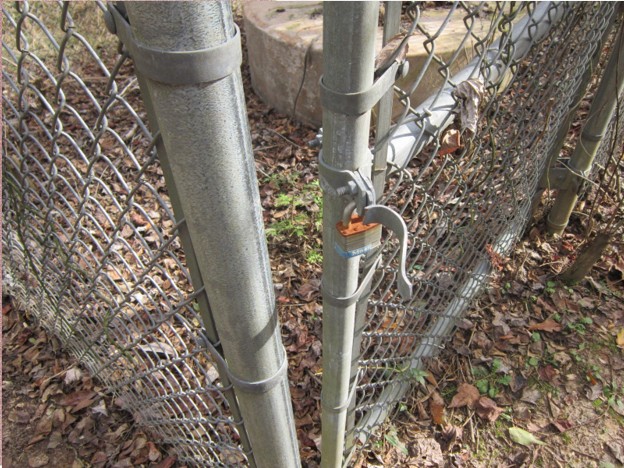
Over the years of conducting ABIP inspections I send various ways stations “lock a gate”. Anything from barb wire wrapped around the gate and fence post, chain around gate with no lock, some with chain and lock but the lock was so rusted you could not unlock it or have lost the key. Even one that the lock was locked on the hasp but half the hasp had broken off (see photo).


The most interesting site had a nice fence but no gate. When ask how they gained access to site for maintenance, I was told they used a step ladder to go over the fence.

Increasing Your Word Power - Latency


 Audio latency is the amount of time it takes for your audio to be sent into your interface that does the job of analog to digital converting, then into your DAW, back into your interface, then have it be converted back into analog to your outputs. Each device it goes through will add a few milliseconds of delay. The computer that hosts the DAW software can create the most delay if not selected and configured correctly.


At the top of the list is the amount of ram in the computer. Ram is what moves and stores data from the “slower” hard drive to the processor. Modern processors can operate with multiple “cores” which can increase the data throughput, plus have their own “processor ram” increasing the speed of data processing.


Keep all software up to date, including computer, driver and DAW updates.

One of the easiest ways to improve latency is to adjust the buffer size and sample rate within your DAW. These two things directly affect how the latency is set and how fast samples are being recorded. If you like math, here’s an equation that will give you a general idea of latency in a typical ASIO configuration. 


Just divide the buffer size by the number of samples per second (sample rate). For example, if you have your buffer size set to 256 and your sample rate at 48 kHz, divide those two and you’ll get 5.3 ms. If you change the settings to 512 and 48 kHz, however, it’ll average out to 10.6 ms.

A lower buffer size will create less audible delays but will make your computer work harder.


A higher buffer size will create more audible delay but will free up resources for your computer to use on other processing tasks.


ABA Engineering Academy


The ABA Engineering Academy will host the Radio Engineering Class from February 23–27, 2026. A few seats are still available so sign up now.


These free classes, held at the ABA Training Center in Hoover, AL, offer both an introduction to broadcast engineering and a refresher for experienced engineers, covering topics such as electronics, audio, video, RF systems, antennas, studio operations, and FCC Rules.


Attendees may take the SBE Certified Broadcast Technologist exam on Friday (exam requires a separate fee and is optional).


For schedules and registration, visit the ABA Engineering Class website. The Television Engineering Class runs March 23–27, 2026.

Back to the Basics – Stop, Look and Listen  


In years past when you approached a railway crossing, there would be a sign that said “Stop, Look and Listen”. It would be good if engineers had that sign at the transmitter site. 


If the transmitter is off the air, take time to observe before jumping into changing parts or turning knobs. Look around the site, not just the transmitter, to see if anything looks different (transmission line, antenna, vandalism, incoming power lines, etc.). Weekly transmitter site visits aids in recognizing if anything is different when you arrive.


Make sure the transmitter is in local control. It may be a problem with the remote control system. Checking this first could save you a lot of time and trouble.


When you try to bring the transmitter back up listen for any strange noises (arcs, roaring, etc). Look at the meters to see if any are way out of range.

We can add another word to the statement, “smell of the site”. Burning smells can be a good indicator of an issue.


If nothing external is discovered, ensure power to the transmitter is off (and locked out), then open the transmitter and look for signs of damage, over heating or broken parts.


While it is important to restore normal operation as soon as possible, don’t get in a hurry and miss safety issues and overlook obvious items.

Pro Audio –  Church Sound Crews


 Are you a member of your church sound crew or maybe thinking of becoming a member? There are some essential traits that you must have or acquire to be a successful part of the crew.


1. Foremost you need to have a heart for the Lord. This is a serious ministry as you are the gate keeper that allows God’s message to get through to the congregation.


2. You must remember that “it is not about you”. The time and work that you put in is to create a genuine worship atmosphere which allows the Lord to fill hearts and minds with His presence.


3. As John Cooper, noted FOH engineer for Bruce Springsteen states “if you are doing your job correctly, no one should even know you are there”


4. Preparing for the next Sunday Service should begin on Monday or as soon as the service outline is available begin to layout plans


5. Schedule a “technical rehearsal” for yourself. Go over every item on service outline, assure all sources needed are working properly. If it is a “busy” service, creating scenes can help.


6. Arrive early on the day of service. Do a quick run though as a final check. If participants in the service arrive early check mixing while they rehearse. Never conduct these rehearsals or sound checks after congregation has begun to arrive!!


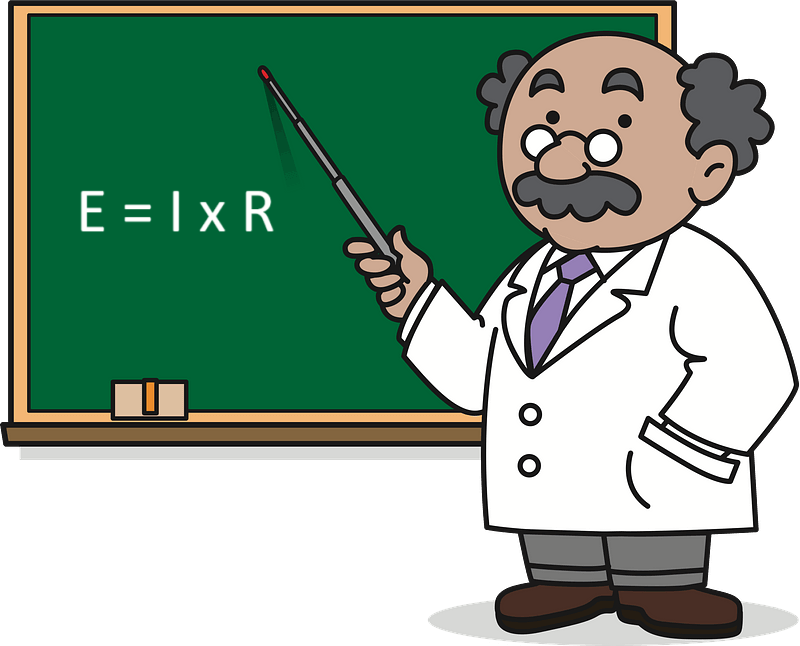
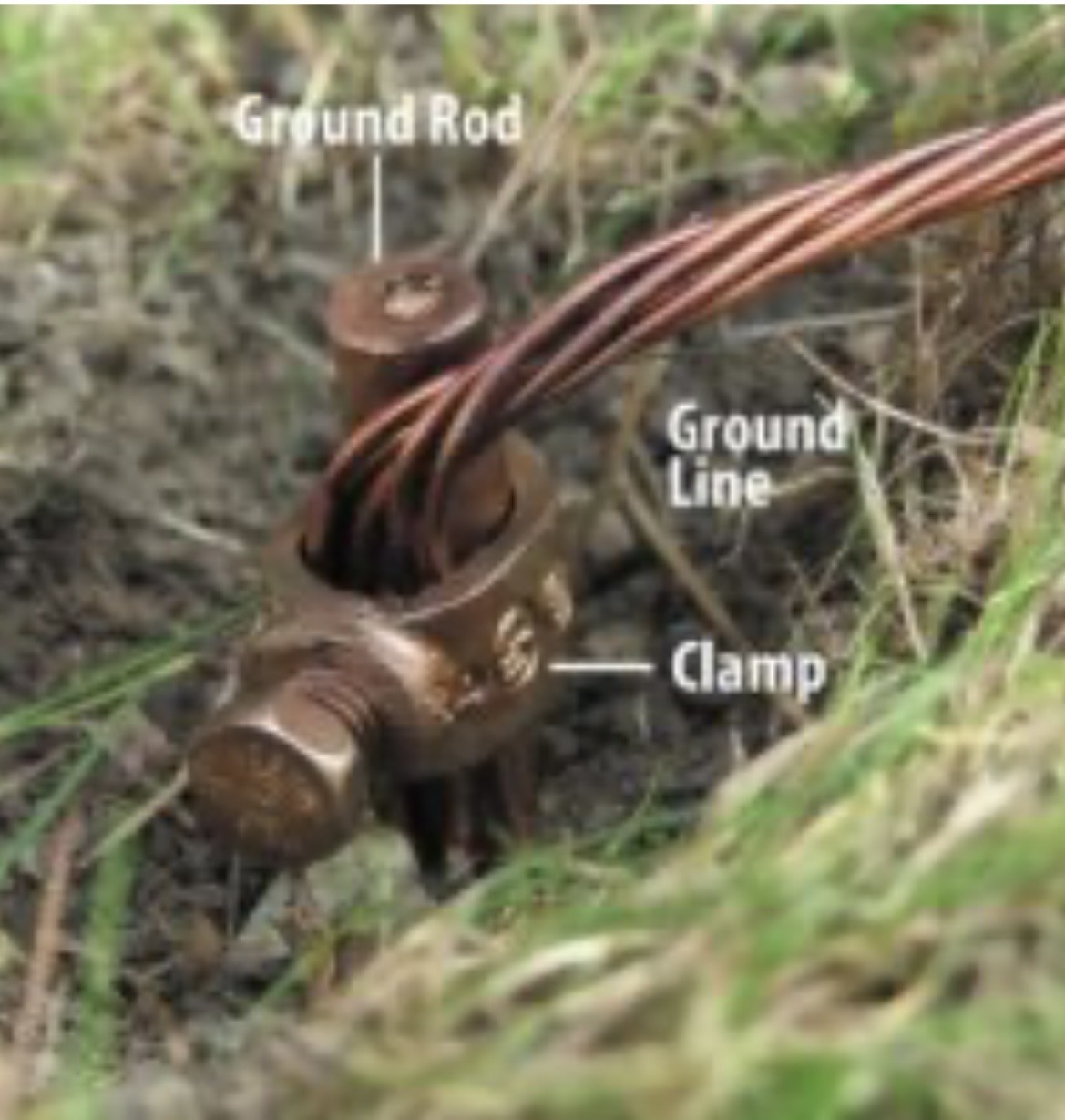
Earl we need to talk about your grounding project!

Quote of the Week

   Nearly all men can stand adversity, but if you want to test a man’s character, give him power.

  • Abraham Lincoln

Inspirational Quote of the Week


Think positively about yourself, keep your thoughts and actions clean, and ask God who made you to keep on remaking you.


  • Norman Vincent Peale


The information offered in this newsletter is that of the editor and not of any other entity or individual.

We welcome any comments or suggestions about this newsletter, send to lwilkins@al-ba.com