Monday Morning Coffee and Technical Notes

May 11, 2026 View as Webpage

Upcoming Events


 May 11 – Station Log Review


May 26 – Monthly Engineering Webinar. Schedule guest is Paul Mclane Radio World – Review of the NAB Convention

May RMT Report  


The Alabama Required Monthly Test (RMT) originally scheduled for Thursday May 7th at 11:15 AM was transmitted on Friday May 8th at 11:15 AM.


The delay occurred because the National Weather Service was issuing several weather alerts for southern Alabama at the time.


We had a 91% success rate of reception.


Storm Issues


Large areas of Alabama, especially central and southern regions, saw severe weather last week, with many storms bringing damaging winds and flooding.  


Engineers should inspect tower sites for possible storm-related damage, including:

1. Leaks in the transmitter building

2. Using binoculars, look for any broken or missing hangers supporting antennas and transmission lines on the tower

3. Inspect ground around the tower base and guy anchors for soil erosion.

4. Look for any trees that may have fallen and disrupt travel around the site

5. Check fuel levels in generator tanks (if applicable)


Make sure to enter any issues in the transmitter maintenance log (with photos

ABA Engineering Academy


The Alabama Broadcasters Association established the ABA Engineering Academy thirteen years ago. Since its inception, students from various regions across the United States have participated in the program.


These courses are intended for individuals at all levels of experience, including newcomers and experienced engineers, as well as those seeking to deepen their understanding of the technical aspects of broadcasting.


The classes cover an overview of basic electronics, analog and digital audio, history of radio and television technology, creating audio and video streams, RF systems for radio and television along with basic studio operation and FCC rules and regulations.


We’re currently updating our study guides and program to include more relevant material for broadcast engineers, as well as new information about emerging technologies like IP for broadcasting, digital audio and video, SMPTE 2110, and ATSC 3.0.

The next radio class will be held the week of September 28th – October 2nd.  Our television class is scheduled October 26th – 30th.


We also offer students the opportunity to take the SBE Certification exam on Friday if desired.


This 5-day class in held at the ABA Training Center in Hoover, AL (Birmingham). Discount rates for students are available at area hotels. More information about daily subjects covered and online registration is available here.

Understanding the Rules and Regulations – Remote Control


As a reminder, a broadcast station, attended or unattended, must establish suitable monitoring procedures of its equipment and maintenance schedules for the station and indicating instruments to ensure that the equipment is operating properly.


73.1350(c) states “the transmitter control personnel must have the capability to turn the transmitter off at all times.


If the personnel are at a remote location, the control system must provide this capability continuously or must include an alternate method of acquiring control that can satisfy the requirement of paragraph (e) of this section that operation be terminated within three minutes.


Paragraph (e), “If a broadcast station is operating in a manner that poses a threat to life or property or that is likely to significantly disrupt the operation of other stations, immediate corrective action is required”.

ABA 80th Anniversary Tour


The next stop on the ABA Anniversary tour is in the “loveliest village on the plains” Auburn. It will be held on June 24th from 4:00 – 6:00 PM at the Auburn Marriott Opelika Resort and Spa.


This is a free event, and everyone is welcome.  

ABA Engineering Webinar


May 26th is the date for the next monthly Engineering Webinar. This is one week later than our normal date, due to scheduling issues.


Our special guest is Radio World Editor-in-Chief Paul McLane, who will highlight key takeaways from the recent NAB Convention in Las Vegas.


Mark your calendar for what will be a most informative program on May 26th starting at 10:00 AM central time. Register online here.


Increase Your Word Power – Containers


A container is an isolated, stand-alone unit that encapsulates an application and all its dependencies. It runs consistently in any environment, independent of the host system.


It is a light, executable software package that wraps everything an application needs libraries, configuration files, and binaries. This ensures the application behaves the same way whether on a developer’s laptop, testing environment, or production server.


Unlike traditional virtual machines that carry a full OS, containers only pack what is required, making them faster and more efficient.


Containerization is the process of packing an application together with all its dependencies into a container in order to allow the application to run consistently from one computing environment to another, in simple terms containerization involves using the host OS kernel to run many isolated instances of applications on the same machine, making it very lightweight and efficient in deploying applications.

Back to the Basics – Safety Conductors


Standard wiring comprises three wires: hot, neutral, and ground. For equipment to function, they need both the hot and neutral wires; the ground wire is a safety feature, not required for the device to operate. The hot wire delivers electricity to the device, while the neutral wire provides a return path for the current back to the electrical source.


Under normal conditions, the ground wire does not carry electrical current. Its purpose is to provide an alternate path for fault current, helping protect you if a short circuit occurs.

Connecting both the neutral and ground wire in a sub-panel is dangerous because this would result in the ground wire potentially carrying electrical current. This situation can increase the risk of electrical shock.


The neutral and ground wires should only be bonded (connected) in the main panel, where it is the designated bonding point.


Pro Audio – Mix in Context


Countless online techniques can help recording engineers build strong mixes, but the most important principle is widely agreed upon: “listen in context.”


A track can sound amazing in “solo,” but what matters is how it fits into the full mix. For instance, a kick drum tone that feels perfect on its own may cause problems once everything else comes in.


Use the solo button to find and remove sounds that don’t belong, but make dynamics decisions only while listening in context.


After adding a source, toggle mute button on and off to hear whether it strengthens the mix or pulls focus from it.

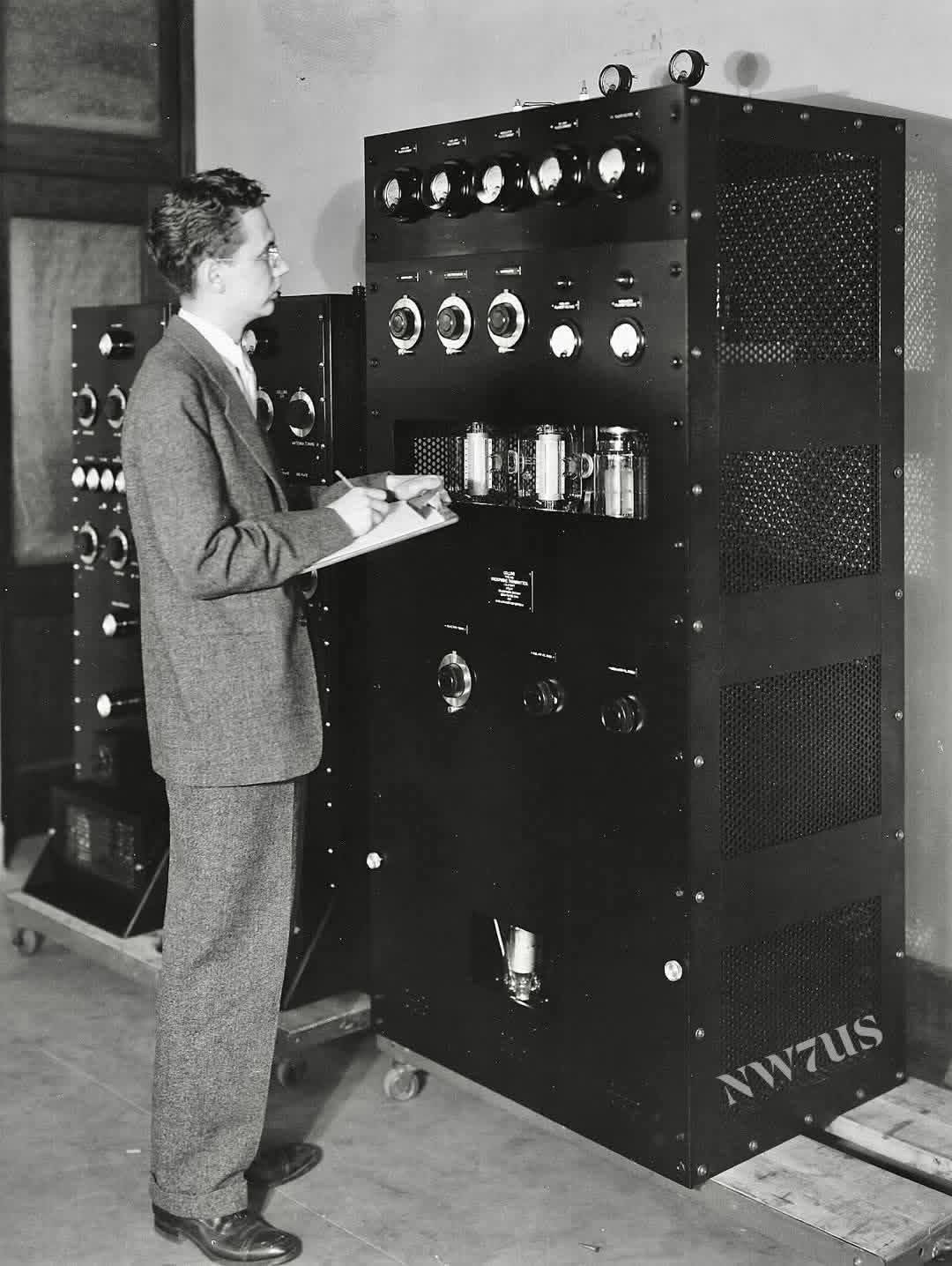
Readers have ask about Earl. Found this photo made at his first job.

Quote of the Week

 "The only way to do great work is to love what you do."

Steve Jobs

Inspirational Quote of the Week


The Lord directs the steps of the godly. He delights in every detail of their lives.


The information offered in this newsletter is that of the editor and not of any other entity or individual.

We welcome any comments or suggestions about this newsletter, send to lwilkins@al-ba.com