Monday Morning Coffee and Technical Notes

September 21, 2026 View as Webpage


Upcoming Events


September 21  – Review and sign the Station Log


September 23 – ABA 80th anniversary tour Scottsboro


October 8 – AntennaFest in Washington DC, see article below


October 8 – Required Monthly Test (RMT) 12:15 AM


October 10 – Issues and Program List due date.


October 20 – Monthly Engineering Webinar

Daylight Saving Time ends on Sunday, November 1st, 2026


Although the U.S. House of Representatives passed the Sunshine Protection Act in July 2026 to make Daylight Saving Time permanent, the Senate has not approved the legislation.


As a result, the November 1st clock change will still occur under the current federal schedule.


Unless Congress passes a new law before that date, Americans should continue to follow the traditional “fall back” routine.


  National EAS Test Scheduled


The FCC has announced a National EAS Test will be held on November 17, 2026 and noting the deadlines for stations to file Forms One, Two and Three relating to that test.


FEMA will transmit the nationwide test of the EAS at 2:20 p.m. Eastern Time (ET) 1:20 p.m, central time, on November 17, 2026, using the Integrated Public Alert and Warning System (IPAWS). If conditions on that date require the rescheduling of the test, it will be conducted on December 3, 2026.


It is mandatory for stations to have the latest firmware loaded in your EAS equipment. The required firmware version for Sage Endec’s is 96.00 or higher and for DasDec’s is 54.00 or higher.


As we have reminded stations before, if your EAS unit firmware is out of date you will not be able to receive the test and your station operation will be considered as non-compliant, which could trigger enforcement action from the FCC.


Another major item is to ensure your EAS unit clock is synchronizing to the official time provided by the National Institute of Standards and Technology. We continue to see stations miss tests and alerts because their clocks are not synced correctly.


All EAS Participants must submit their annual ETRS Form One for calendar year 2026 no later than October 30, 2026.


If you have any questions about the actual National EAS Test or the ETRS filings, contact the Alabama State Emergency Communications Committee

EAS Password Generator


One of the requirements of the new Cybersecurity rules enacted by the FCC is to use a secure password on all your devices including EAS that are in the program chain. The requirement is to use a password that has a minimum of 15 characters.


A few weeks ago we reported on a free password generator offered by Ken Fine. Maxxconnect has also posted another free password generator. So now stations should have no reason not to comply with that part of the new rules. Generator can be downloaded here.


In addition to the password, stations are required to ensure that EAS and other devices in the program chain must be using the latest software with security patches. Sage Endecs should be operating with version 96.00 or higher and DasDec should have version 54 or higher. Failure to comply will result in your EAS unit to be non-compliant.

 ABA 80th Anniversary Tour


The next reception celebrating the ABA’s 80th anniversary will be held in Scottsboro on Wednesday, September 23rd from 4pm – 6pm at the the Kevin Dukes Career & Innovation Academy.

The address is 29727 US-72, Hollywood, AL


Click here to register.

Transmitter Site Visits


During Alternative Broadcast Inspections (ABIP) statewide, it is easy to identify transmitter sites that receive routine visits and the ones that don’t.


Although FCC rules do not prescribe a specific schedule, Section 73.1350 requires “licensees to establish monitoring procedures and schedules that ensure proper station operation and verify compliance with operating power, modulation levels, and antenna tower lighting requirements, where applicable.


Licensees must also be prepared to provide each station’s monitoring procedures and schedules to the FCC upon request”.


Good engineering practices include weekly visits to the transmitter site. Now I am well aware that other duties can make this difficult at times, but it is important to remember the importance of assuring the transmitter plant is operating properly at all times. Develop a trait of being proactive and not reactive.


Items such as HVAC/air flow, transmission line pressure, reflective power, vandalism, vegetation growth, tower structures, guy lines, etc. can sneak up on you if not inspected regularly. Remember to always make notes on each visit in the transmitter maintenance log of the results of the site inspection.


______________________________________________________

ABA Engineering Webinar

The October webinar will be held on Tuesday October 20th at 10:00 AM central time.

The Associate Director of Information Technology at Texas A&M University, Wayne Pecena will be our special guest on the October ABA Engineering Webinar. Wayne will be discussing Firewalls, what they are, why they are needed, and the many ways they can be configured.


Join us for this most information webinar on October 20th at 10:00 AM. Click here to register.


AntennaFest


If you are in broadcast engineering and will be in the Washington DC area in October, then you need to put Tuesday October 6th on your calendar. 


Our good friend William Harrison, Chief Engineer, WETA-FM wanted to remind everyone that SBE chapter 37 will be hosting a free, full day event celebrating antenna systems, combining, and all things RF. Representatives from several companies will discuss varying topics including combining, troubleshooting, and monitoring antenna and transmission systems, and addressing variables and constraints unique to every project.


Participation will be limited to a maximum of 90 attendees, so please Register Here before seats fill up.

ABA Engineering Academy


Television engineers, both newcomers and seasoned, should mark their calendars for the week of October 26th as the ABA Engineering Academy holds its fall Television Engineering Class.


Seats are still available so sign up today. We cover basic electronics, audio (analog and digital), video creation and transmission (including ATSC 3.0 and SMPTE 2110) plus transmitters and antennas.


Classes are held at the ABA Training Center, 2180 Parkway Lake Drive in Hoover AL (Birmingham). Register online here.

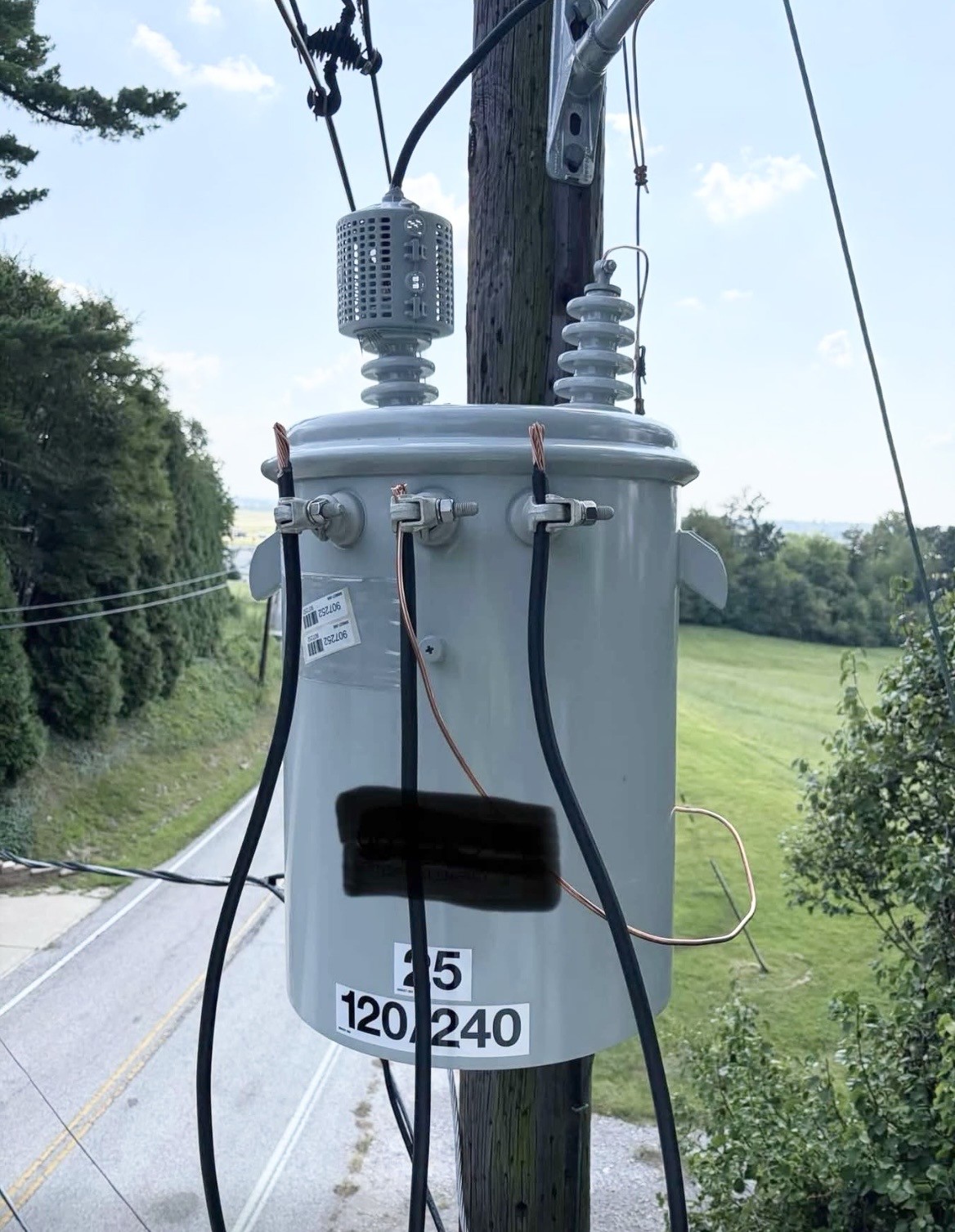
Earl, think we need to call the power company on this one!

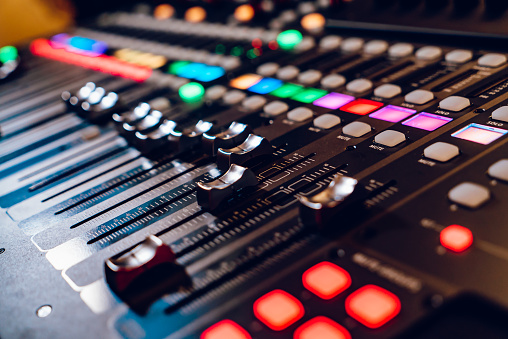
Pro Audio – Using Compression


Compression is one of the most powerful tools we have, yet it is also widely misunderstood. You may have heard someone say, “Just put a compressor on it.” Before doing so, ask, “What am I trying to achieve with the compression?”


First, remember that compression cannot fix a poor signal. A vocal mic placed ten feet from the singer, a noisy guitar DI, or improper gain staging will not be rescued by a compressor. Get the fundamentals right before reaching for compression.

Think of compression as polishing, not repair work. It’s a way to shape the dynamic movement of what’s happening through the sound system.


Compression is less about rules and more about listening. Start simple, trust your ears, and let the tool serve the song.


Quote of the Week

 “If you don’t have the time to do something right, where are you going to find the time to fix it?”

― Stephen King

Inspirational Quote of the Week


The mind governed by the flesh is death, but the mind governed by the Spirit is life and peace.


Romans 8:6


The information offered in this newsletter is that of the editor and not of any other entity or individual.

We welcome any comments or suggestions about this newsletter, send to lwilkins@al-ba.com