|
Overview of Generators
Blackouts. Brownouts. Permanent faults. These power outages can wreak havoc on broadcast operations. First of all, if you don’t have some type of backup to commercial power you may well be off the air, a real bummer!
There are three main types of generators: portable, inverter and standby. The type you chose is based on the running wattage of the items you will connect to them, as well as the surge wattage for starting them.
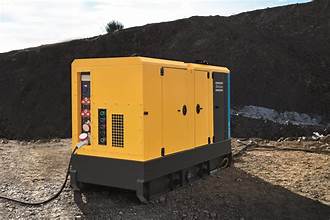
For broadcast operations the type will normally be a standby unit. A standby generator is an electrical system that operates with a transfer switch that commands it to operate automatically when a facility loses power.
Here are some characteristics to note about these types of generators:
They operate on diesel fuel, liquid propane, natural gas or some kind of hybrid.
They are permanently installed and are not portable.
Single-phase models support residential or commercial systems, while three-phase models can provide power to large systems such as a transmitter site.
Remote monitoring for some models allows users to know the status of their standby generator through a smartphone app.
Many will execute automatic weekly self-tests to ensure they will react properly a power loss.
The National Fire Protection Association publishes standards for performance requirements of standby power systems for buildings and facilities.
When planning on installing a standby power system, make sure to seek the help of a qualified industrial generator contractor. They can determine the size you need based on the load.
Once installed proper maintenance is a must. Standby generators are a little more complex than portable or inverter generators. There are some tasks owners can perform and they fall into the type of maintenance common for small engines, such as checking oil, the battery, coolant levels, belts and spark plugs. You may want a certified technician to perform more involved tasks, including testing and servicing the automatic transfer switch that is critical to getting power the main source goes out.
Keep records of inspections, tests and repairs. These records will allow you to understand when further repair or replacement may be necessary.
|