Monday Morning Coffee and Technical Notes

October 27, 2025 View as Webpage

Upcoming Events


October 27 – Station Log Review by Chief Operator


November 2 – Daylight Savings Time ends


November 3 – 7ABA Television Engineering Class


November 18 – ABA Engineering Webinar. Special guest will be Kirk Harnack Telos Alliance

Clean Up!


When working on a new project or repair we can end up using a lot of different tools and supplies. In addition to documenting the project in the station maintenance log we should remember the job is not finished until the site is cleaned up. All tools and left over supplies are put away.


Clean and maintain equipment regularly; a tidy workspace simplifies servicing, plus it looks impressive.

ABA Engineering Academy


 We still have a few spots open for the ABA Engineering Academy’s Television Broadcast Engineering class the week of November 3rd – 7th, 2025.


This is an excellent opportunity for new engineers to receive valuable technical training, including basic electronics, analog and digital audio, history of television, technical operation of NTSC, ASTC 1.0 (8VSB), ATSC 3.0 and SMPTE 2110. Seasoned engineers can use it as a refresher course as well as learning about ATSC 3.0 and SMPTE 2110.


This class runs from 8:30 AM – 4:00 PM Monday through Thursday. Friday is reserved for those wishing to take the SBE Certified Broadcast Technologist exam.


The class is offered at no charge, by the Alabama Broadcasters Association. Click here to view the daily schedule and registration.

Know your System


One of the best ways to have a successful technical operation is to know your system. This is especially true when it comes to an AM transmitter site. Although all transmitter sites have specific items to keep tabs on, AM sites are a little more demanding.


An area that needs attention is the Antenna Tuning Unit (ATU). For those not familiar with AM operations, the ATU is used to match the transmission line impedance (normally 50 ohms) to the tower impedance (which can be any value).


Routine visual inspection is necessary to ensure proper operation. Look for signs of overheating, lightning damage, loose connections and especially insect activity. Wasps and snakes seem to use it as their home. Take care in sealing all openings in the cabinet that houses the ATU components.


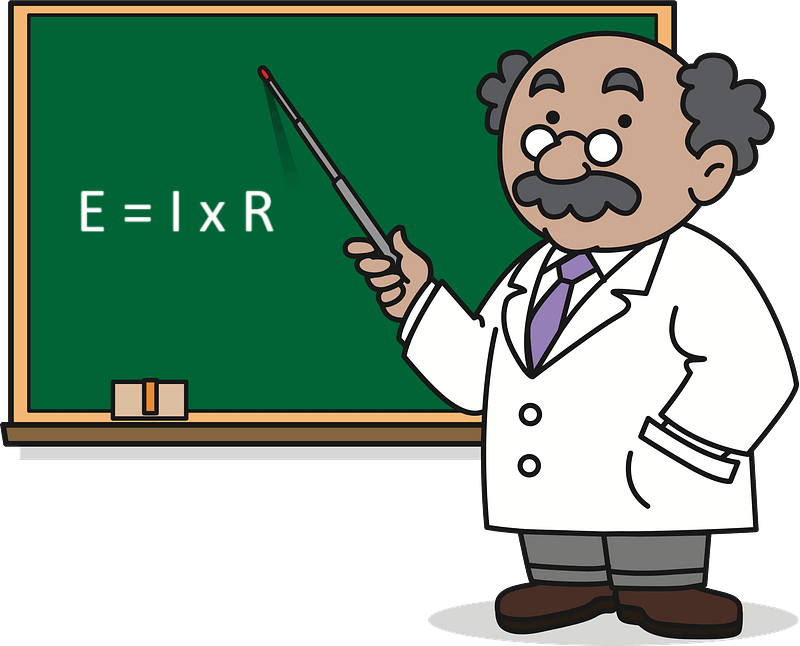
The ATU system also houses the antenna current meter which is used to determine the licensed antenna current. The FCC licensed power for your station is measured at the point feeding the tower itself, using the formula P = I2R, where I is the measured current and R is the actual impedance of the tower.  


The antenna current should be observed as often as necessary to ensure compliance. Above all keep the ATU clean, inside and outside. In addition, inspect the mounting supports for the unit. I once a ATU that fell off the support and laying on the ground…but still on the air. 

Networking


Engineers often benefit from building professional networks. In this context, networking refers not to computer or communication networks, but to forming connections with other technical professionals in the same field.


You should develop an unwavering commitment to continuous learning. The broadcasting industry is subject to rapid technological changes and shifts in consumer behavior. Staying curious, keeping skills up-to-date, and being adaptable to new tools and workflows will position any broadcast engineer for long-term success.


Building friendships with fellow engineers—either locally or through organizations like the SBE—is usually how this happens.

Local coffee shop or lunch meetups are valuable for exchanging ideas and supporting each other in the market.

Know your Audience


How do you ensure your broadcast audio sounds good in the real world? We first need to determine how our content is being consumed on a wide scale.


A good number of our listeners use a phone or tablet to stream our programs; others are listening on laptops or desktop computers. Then there still a lot of “in car listening”.


We have written a lot lately about adjusting processors for the best audio quality on a high quality monitoring system. This is still the an important starting point, it should be followed by listening to various devices used by listeners. At the end of the day the goal is to keep the quality as high as possible while maintaining intelligibly over the various devices.


Side note: when adjusting the processor do so at a low level to avoid artifacts created by your ears. Once the quality is achieved, then (and only then) work on increasing overall levels to the desired “loudness” level consistent with FCC modulation limits.

Daylight Savings Time Ends


Despite movements to do away with the twice a year time change, Daylight saving time will end at 2 a.m. Nov. 2. Time will move back one hour at this time. We gain an hour in November to accommodate for more daylight in the mornings.


In addition to changing clocks and readjusting our lifestyles, broadcasters should ensure that all operations that are keyed to the time of day are adjusted correctly. This includes transmitter modes of operations, automation system, Etc.

Pro Audio –  Prioritize Clarity


The key to a good mix that translates well across all devices is clarity. Ensuring that vocals are clear and intelligible is paramount, as the spoken word is a critical part of the worship experience. Here are some tips to achieve this:


Equalization (EQ): Use EQ to cut frequencies that can make the mix sound muddy. Typically, reducing the low-mid frequencies (around 200-500 Hz) can help vocals and other important elements stand out.


Compression: Apply compression to even out the dynamic range of vocals and other critical elements. This helps maintain clarity and presence without the audio levels fluctuating too much.


High-Pass Filtering: Apply high-pass filters to remove unnecessary low frequencies from non-bass instruments. This prevents the mix from becoming too boomy and ensures that the low end is reserved for elements like the kick drum and bass guitar.


Be mindful of the instruments that occupy the lowest audible frequency range in your studio. Obviously, bass guitar, kick drum, and extreme bass in piano and keyboards can be tricky. Rather than rely on fundamental frequencies of those instruments, concentrate on their sonics around 200 Hz and above, and apply compression generously to create more punch than sub energy. It takes some effort, but mastering this technique will keep those instruments present in your mix, even on an iPhone.

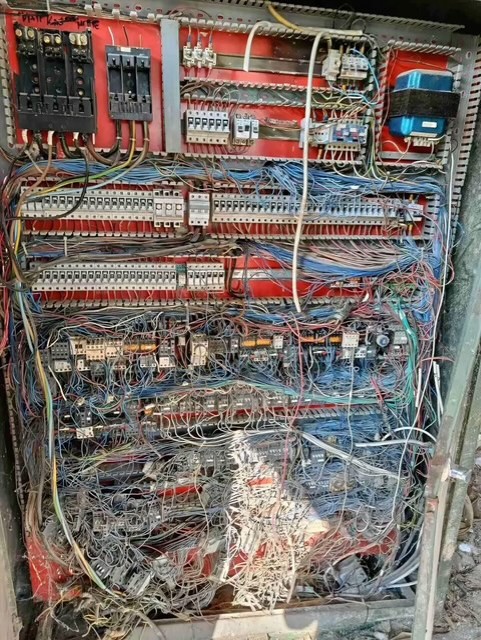
Earl, we have got to do something about the wiring in this facility

Quote of the Week

  "Sometimes we stare so long at a door that is closing that we see too late the one that is open".


Alexander Graham Bell

Inspirational Quote of the Week


 "God is responsible for the consequences of our obedience, WE are responsible for the consequences of our disobedience"


Charles Stanley


The information offered in this newsletter is that of the editor and not of any other entity or individual.

We welcome any comments or suggestions about this newsletter, send to lwilkins@al-ba.com