50-Year Journey in Missions - Part Eight
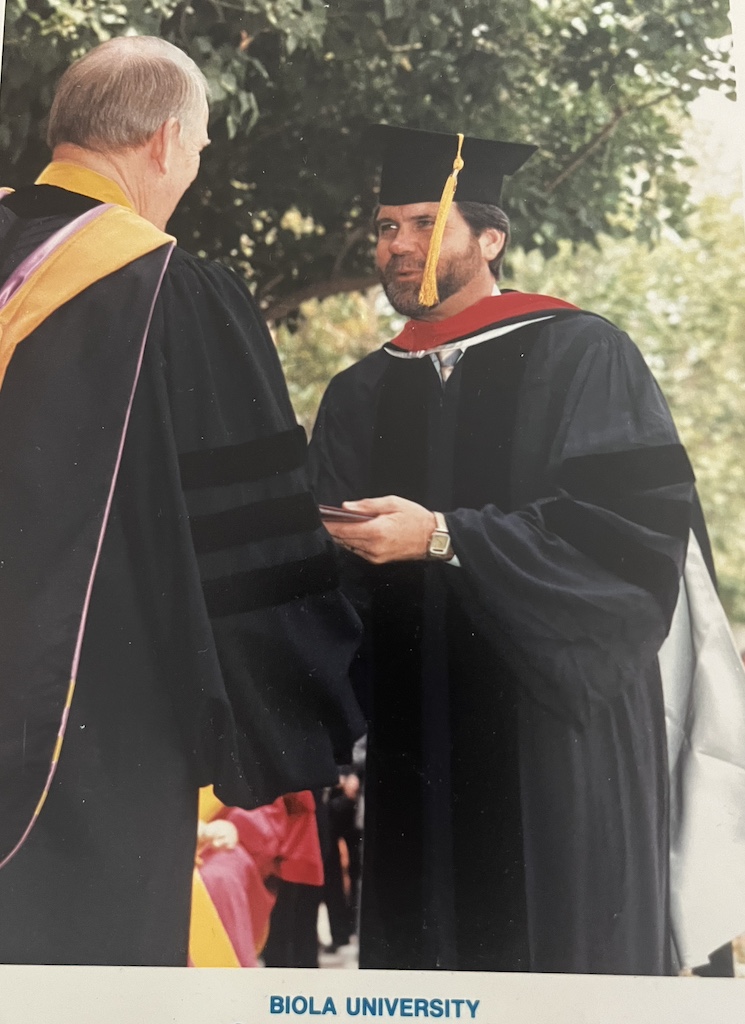
To say the least, I was never a good student. I was at the bottom of my high school class, and entered Bible college on academic probation. So how did I end up with a doctorate?
I had long been familiar with BIOLA (the Bible Institute of Los Angeles) from listening to J. Vernon McGee on the radio. When it came time to think about college for our oldest daughter, Becky, I took her to visit the La Mirada campus. She showed no interest at all. However, during that visit, I met a professor in missions named Lloyd Kwast. Learning that I was a missionary in Africa, he asked about my education and encouraged me to consider enrolling in a fairly new department—the School of Intercultural Studies (SIS).
After being on the field for five years without a furlough, I wrote to our supporting churches and friends, asking for their permission to devote our furlough year to studying at BIOLA. I assured them that I was still available to share ministry reports, but my primary desire was to use that time in the States to better equip myself for service overseas.
My intention was never to teach in a college or seminary, but rather to be better prepared and more effective as a church planter in the remote areas of Kenya. Over the course of three semesters and a summer school, I completed an M.A. in Intercultural Studies and accumulated the hours needed to pursue a Doctor of Missiology (D.Miss.). Unlike an academic Ph.D., the D.Miss. is a practical degree, first established by Roman Catholic seminaries in the 1930s. Its requirements include sufficient hours in theology, history, and anthropology, combined with significant field ministry experience.
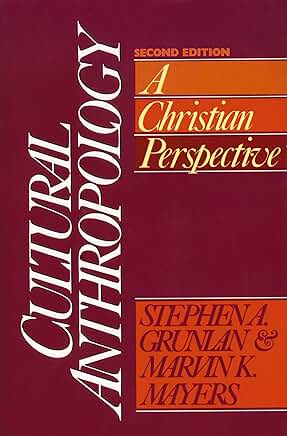
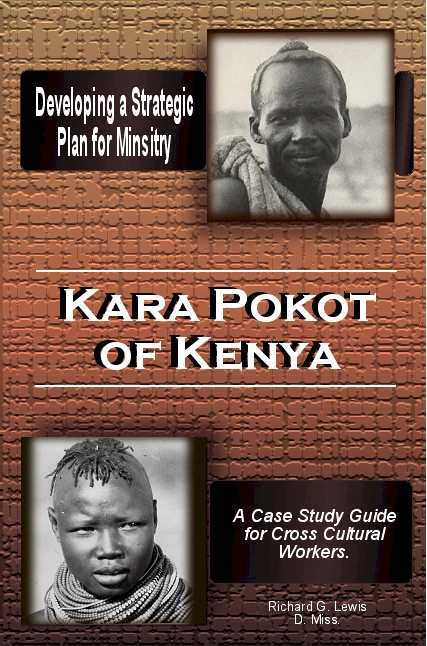
Given the nature of my work in Kenya, it was only natural that I gravitated toward the study of anthropology and amazingly I became an above-average student. Under the guidance of my mentor and later friend, Sherwood Lingenfelter, I pursued advanced studies in the field; he later chaired my doctoral dissertation—an in-depth examination of the social organization of the Pokot of Kenya and its implications for church planting. Why, exactly, is cultural anthropology so important for missionaries?
1. Context gives meaning. Words—even Greek and Hebrew—have no significance unless they are understood within the framework of those who hear them. Terms like faith, repentance, born-again, and salvation carry no real meaning until they make sense to the listener.
2. Understanding how cultures function is key to knowing how people make decisions. The three primary types of culture—shame, fear, and guilt—shape the way people respond to the Gospel. In a shame-based culture, people are motivated by social approval or dishonor; in a fear-based culture, decisions are guided by spiritual or physical danger; and in a guilt-based culture, individuals respond to personal responsibility and conscience. Recognizing these cultural frameworks enables missionaries to present the Gospel message in a more culturally meaningful way.
My studies at BIOLA, followed by continued study, have led me to my current role of training missionaries over the past 50 years and in nearly 70 countries. My thanks to our donors, my professors, and especially to the Lord for His guidance in this journey.
|