Montana Beaver Working Group
| |
|
Connecting people and sharing resources to advance the beaver's keystone role
in watershed health
| |
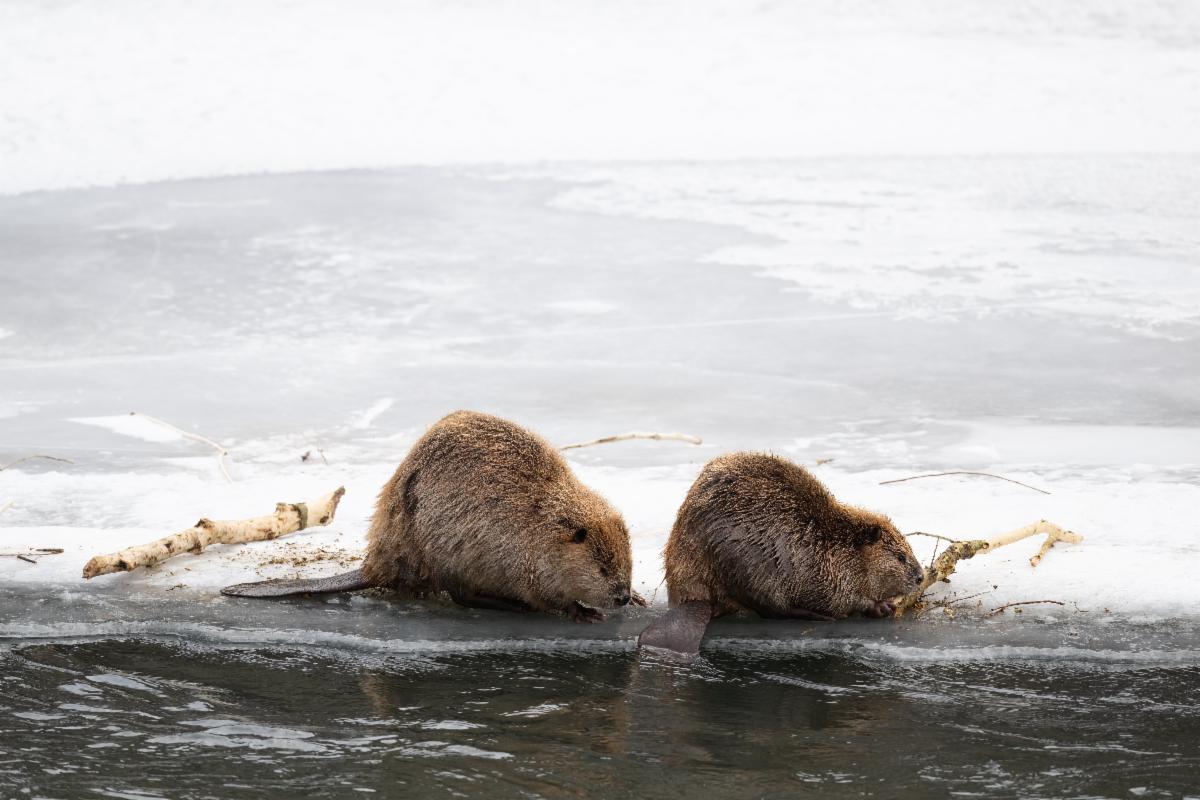
Beavers in northern latitudes may be locked under ice for months, but thaws open chances to seek fresh food beyond the cache. Thank you to Marcel Huijser, a distinguished road ecologist and outstanding photographer from Missoula, for sharing this special moment of a feeding beaver pair! | |
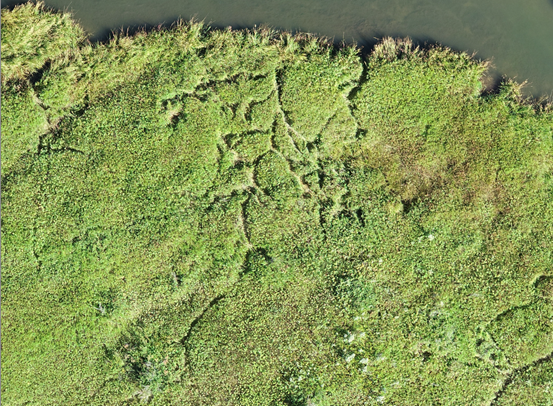
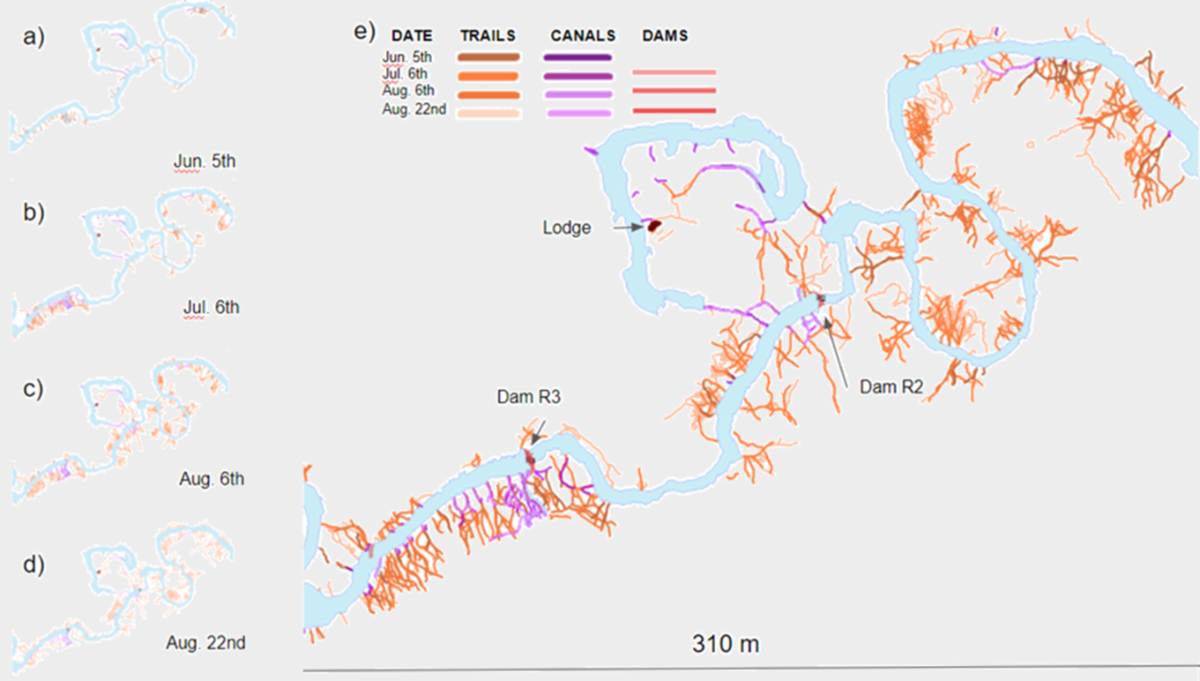
Kennedy's work highlights how both the timing and location of beaver damming activity are influenced by environmental cues, and that canals are of primary importance in the sites that beavers prefer. The top photo shows how wonderfully complex and connected canal networks can be, and the lower image shows how profoundly these networks evolve through the summer. Photo & Image: Jordan Kennedy | |
Follow the Beaver: Learning When, Where, and How Beavers Build
Editorial Note: The images and words for this story come from Dr. Jordan Kennedy, a scientist, engineer, and experimentalist who specializes in merging quantitative analysis with ecological and Indigenous frameworks to tackle complex challenges. This is but a brief hint of Kennedy's knack for brilliant interdisciplinary synthesis, but you can learn more about this research in this preprint of from bioRxiv, or from her website.
Beavers are some of nature’s most outstanding engineers, but their ability to shape landscapes isn’t just a result of instinct or planning—my research hypothesizes it’s a form of stigmergy. Stigmergy is a way of working together without direct communication - coordinating the building of individuals across space and time despite being separated by generations. Through my research, I have theorized beavers leave behind changes in the environment that guide their next steps. For example, when a beaver digs a small channel to help move sticks and mud, other beavers will notice and use it, too. Over time, their repeated activity deepens the channel, turning it into a canal. This framework has heavily been inspired by research on eusocial insects such as ants, who create trails by following each other’s scent, and termites, who build massive mounds without a leader. Small actions add up to big changes, and simple rules can give rise to incredible complexity.
My research focuses on understanding how beavers use their architectures to communicate with other beavers. I track how beaver dams, trails, and canals develop over time by studying aerial drone photos and satellite imagery. These datasets help us see patterns in how beavers decide where and when to build and how their choices impact the landscape. The more we understand these natural building processes, the better we can predict how and where beavers will shape future rivers, wetlands, and floodplains.
This knowledge is a benefit for both conservation and beaver management. Beavers naturally create wetlands that help control floods, store water during droughts, store and sequester carbon, and improve fish and other wildlife habitat. By studying their communication mechanisms, humans may be able to communicate with beavers about where we would like them to build or not build—mitigating human-beaver conflict while partnering with beavers to reclaim habitats where their engineering prowess is deeply needed.
To explore these ideas further and formalize the ideas from my thesis studies, I’ve been building a computer simulation that models how beaver-like agents dig trails and canals over time. The goal is to see how simple rules—like preferring to follow existing trails—lead to large-scale environmental patterns - potentially informing landscape designs in urban or overly degraded environments where beavers cannot survive (deserts, contaminated ecosystems, coastal ecosystems, perhaps even in space, etc.). Beavers have been shaping ecosystems for millions of years—now, we’re learning how to take inspiration from their engineering genius.
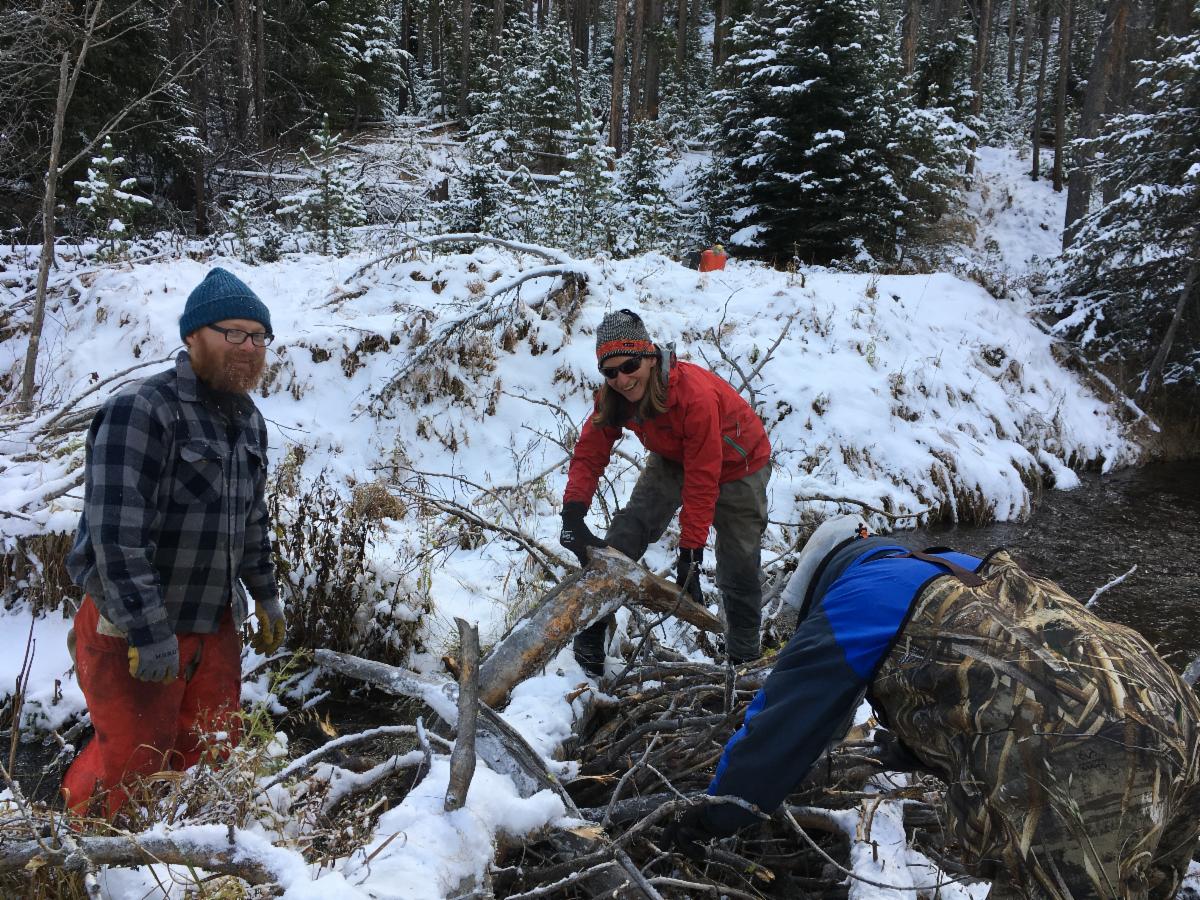
| Will McDowell, former Restoration Director of the Clark Fork Coalition, inspiring the next generation about beavers and water (above), and Amy Chadwick, one of Montana's great beaver mimicry mavens, leading a crew to restore an incised reach of Basin Creek near Butte (below). The BWG was born from and thrives with the vision and action of people like these two, and YOU. Many thanks! Top Photo: Clark Fork Coalition; Bottom Photo: Rob Rich | |
Montana Beaver Working Group Wins 2025 Wetland Stewardship Award
The Montana Wetland Council has named the Montana Beaver Working Group (BWG) a winner of the 2025 Wetland Stewardship Award, citing the BWG's "commitment to promote and support beaver-based habitat restoration across Montana." The nominators noted how the BWG's "guidance has developed the Montana BWG from its original un-funded ad-hoc group into a highly effective meeting ground and clearinghouse for beaver-related work. [The BWG's] ability to connect, coordinate, and empower state and federal agencies, tribal resource management officers, private landowners, watershed groups, and the Montana Trappers Association has resulted in real progress for beaver-based restoration and sustainable management of beavers and their activities in Montana."
This award honors individuals and groups providing innovative, locally led approaches to conserving, protecting, restoring, and enhancing wetlands and watersheds in Montana. Wetland and Watershed Stewardship Awardees inspire others to conserve, protect, restore, and enhance Montana’s wetlands and watersheds. You can learn more about this award and other receipients here, and you are welcome to join the award celebration event at 5pm on March 13, in The Lobby of the Anchor G, 417 N Last Chance Gulch, Helena. Whether you are a newsletter reader, on-the-ground practioner, and/or longtime leader in our efforts, we thank YOU for your contributions to the BWG, and we look forward to continued shared success.
| |
|
Beaver Science Speaker Series
Beaver Institute
Zoom (link here)
March 13, April 10, May 8, June 12
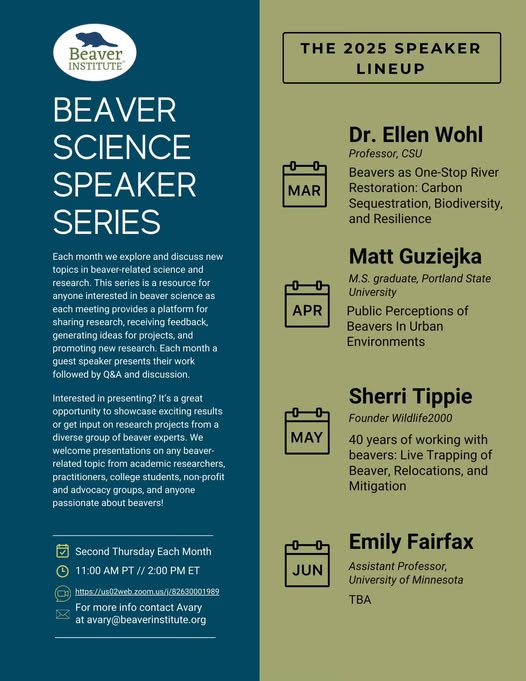
The 2025 edition of Beaver Institute's spring Beaver Science Speaker Series is about to begin! Four impressive speakers are in featured in this year's lineup, starting with Ellen Wohl on March 13. Please enjoy the full series at this link (no registration required) and if you'd like to catch up on previous installments of this series, you can do so here.
| |
|
Montana Beaver Working Group Spring Meeting
Helena, MT and Zoom (presentations only, link here)
April 1-2, 2025
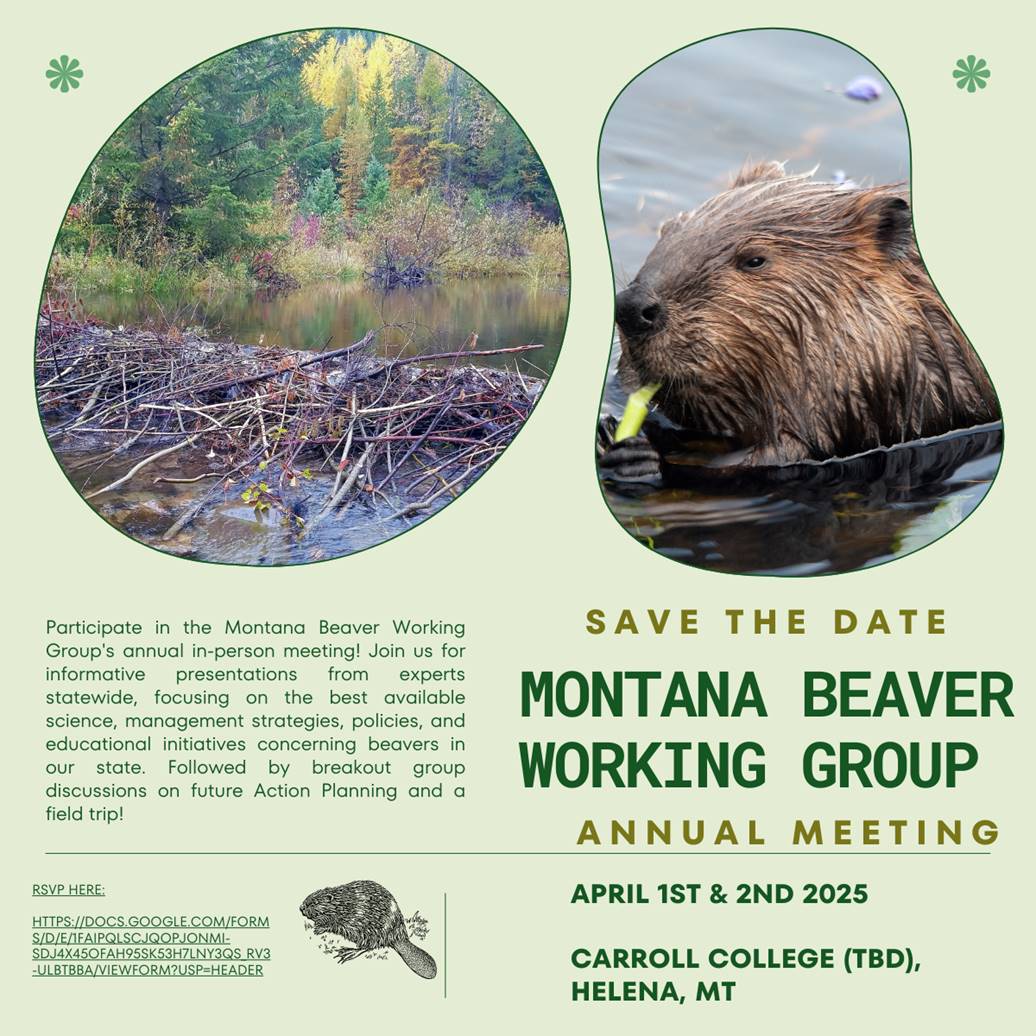
Please join us for the annual spring meeting of the Montana Beaver Working Group. This year's event will be held in person at Carroll College in Helena from April 1-2, 2025, and it will feature several updates and presentations from nonprofits, universities, tribes, and public agencies around the state. The presentations will be available for streaming via Zoom, but in-person participants will also be invited to participate in breakout sessions to discuss the next steps for the Montana Beaver Action Plan, as well as a field tour with Prickly Pear Land Trust on April 2. Breakfast will be provided on April 1, and financial assistance for travel expenses is available. Please RSVP with this short survey here. We hope to see you in Helena!
| |
|
2024 BeaverCON Recordings
Boulder, CO
October 19-24, 2024
Are you trying to remember some of the awesome things you learned at BeaverCON last fall? Or are you still bummed that you couldn't make it to this sold-out event? Whatever your case, nearly 40 hours of content from 150 presenters is now available here. This event gathered a stunning amount of knowledge, experience, and inspiration from across the beaver community, and many thanks are due to the Beaver Institute for crafting this empowering event. Their team welcome emails at BeaverCON2024@gmail.com with any thoughts you have on their videos.
| |
|
Rewilding and the Promise of American Prairie
Daniel Kinka, American Prairie
Gallatin Valley Earth Day
February 27, 2025
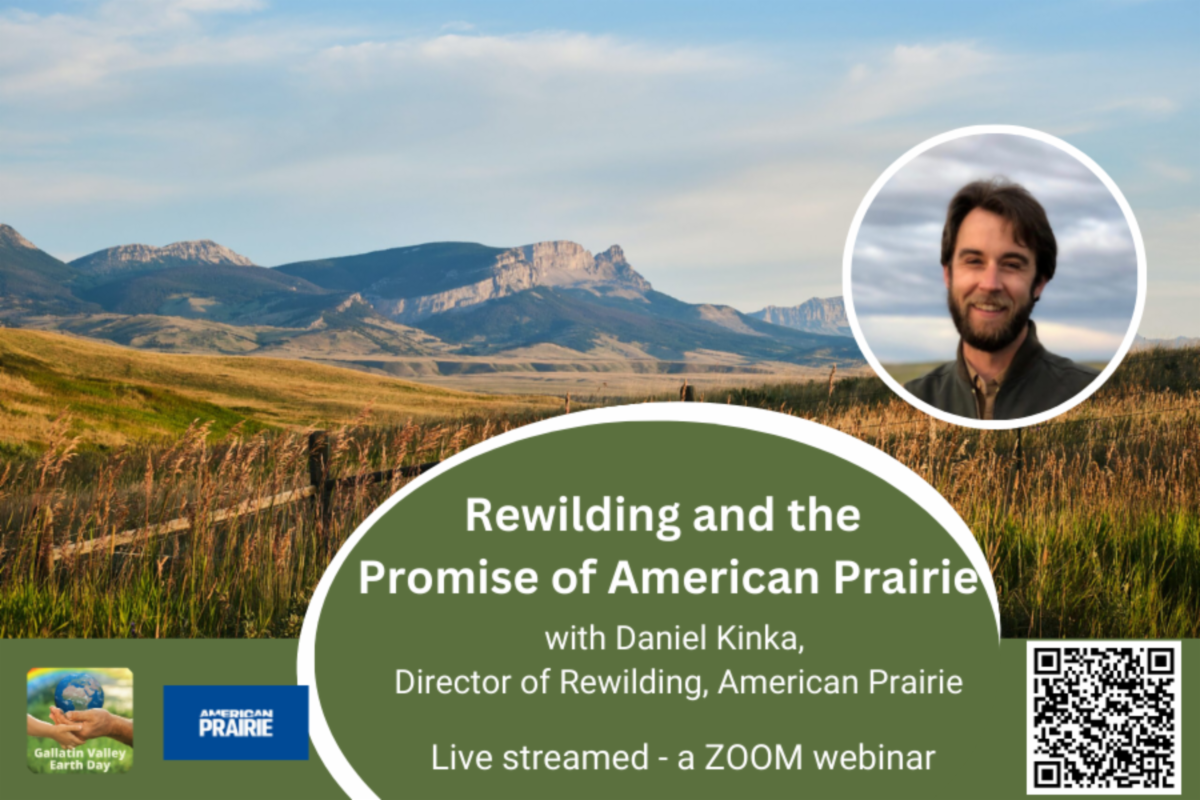
Welcome back, beavers! That's part of the message from American Prairie, the nonprofit that is supporting the restoration of native speces to grasslands in eastern Montana. American Prairie's Daniel Kinka is part of the team leading that effort, which includes activities to enhance habitat connectivity and population recovery for three vital ecosystem engineers: bison, prairie dogs, and beavers. To learn more about how American Prairie is helping to cultivate a thriving grassland community with conditions that are conducive for beavers, check out Kinka's Gallatin Valley Earth Day talk here.
| |
|
Cottonwoods: Unlocking our Rivers' Histories
Nate Hough-Snee, Meadow Run Environmental
Wenatchee River Institute - Red Barn Speaker Series
Leavenworth, WA
February 27, 2025
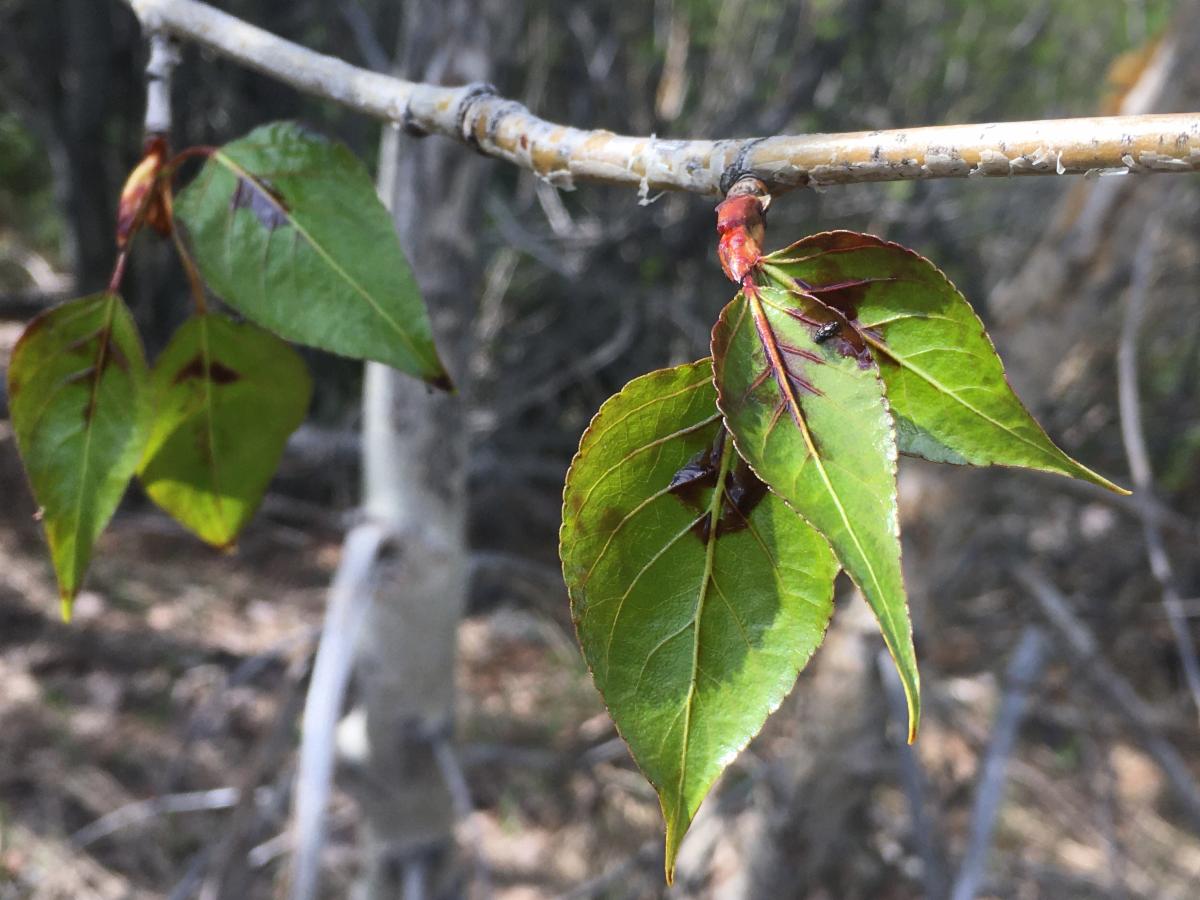
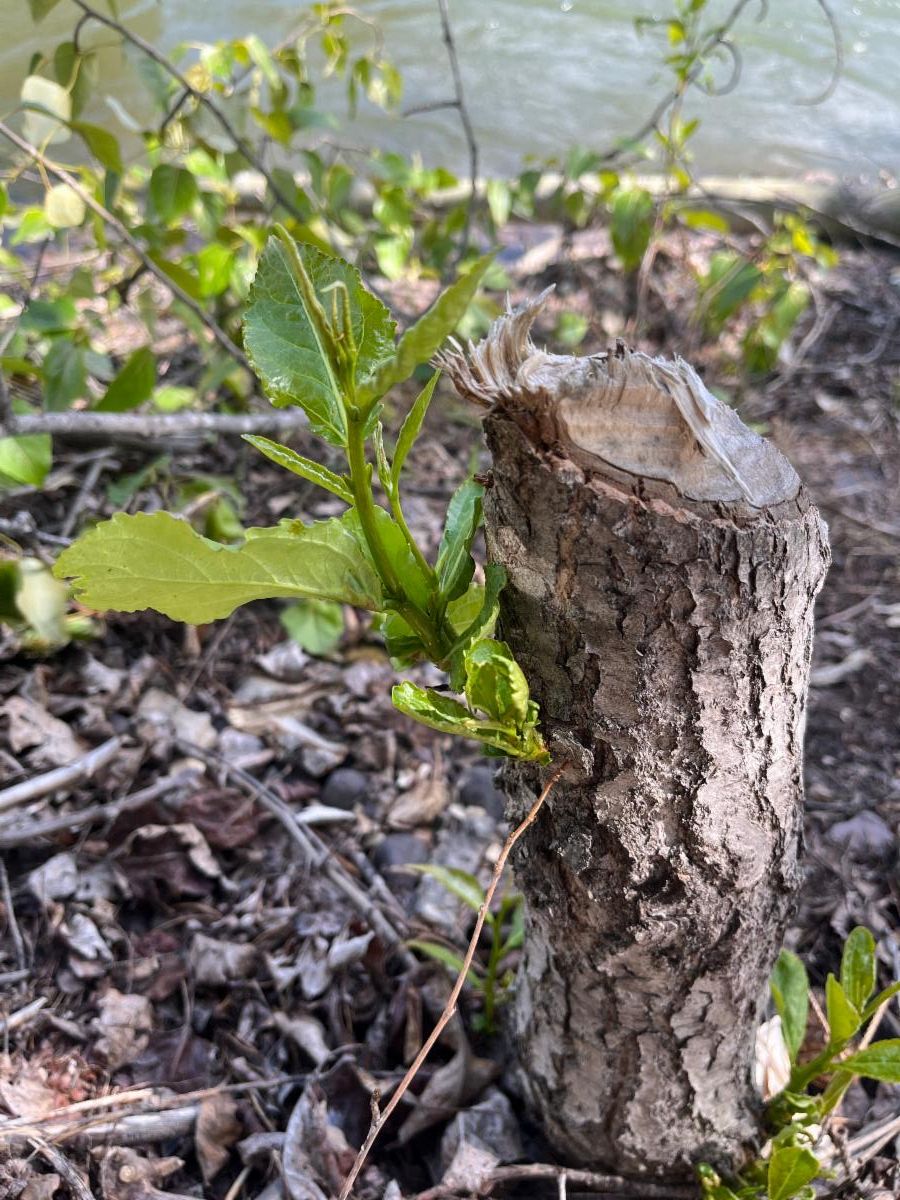
As Montana rivers swell and rush with winter's melt, the floodplain is a pretty vulnerable place to be 150 feet tall. And yet, so stand the cottonwoods, thriving through disturbance. In everchanging zones where land and water meet, cotttonwoods are constantly tested by nature's whims, including the likes of floods, storms, droughts, and beaver teeth. Some of the broad-leaved, furrowed-bark giants eventually "die" (ie. fall down to support other life), and millions of seeds never find just the right conditions to germinate. But new buds still sprout and endure each spring, smelling divine while they're at it. Anyone who cares about beavers needs to know about these mighty riparian trees, and ecologist Nate Hough-Snee is a endearing ambassador for all of their ways. For over a decade, Hough-Snee's knowledge of cottonwoods has been helping people to see how hydrology, geology, and biology shape beaver habitats, and his thoughts will surely deepen your appreciation for the dynamic, diverse links of life that these trees create. Please enjoy Hough-Snee's engaging talk from his home base in Washington State, and consider learning more through his consulting work at Meadow Run Environmental. Photos: Rob Rich
| |
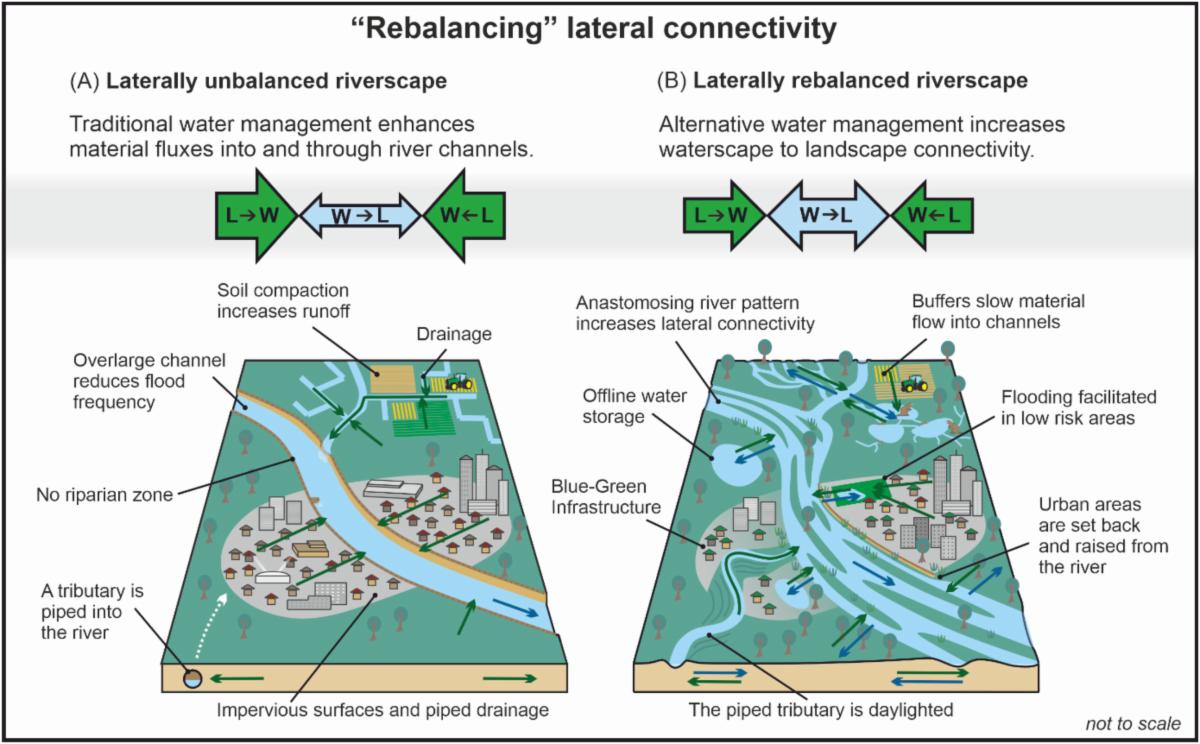
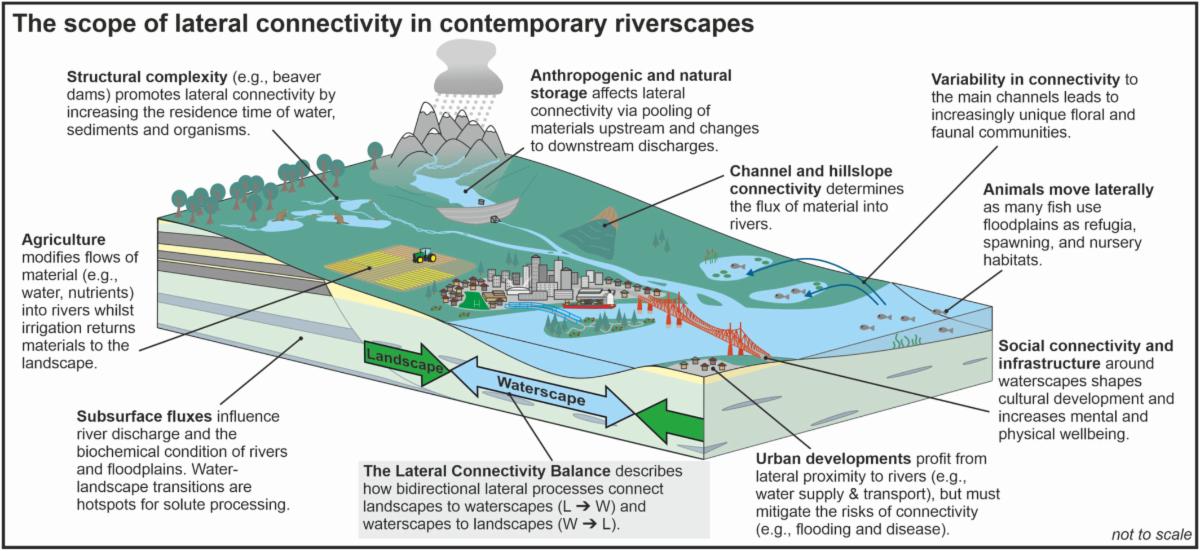
Top image highlights the graphical abstract of this paper. The lower image includes examples of lateral connectivity in a human-modified riverscape. The lateral connectivity balance describes the relative importance of fluxes of material into waterscapes from landscapes (L ➔ W) and vice versa (W ➔ L). Image Credit: Mason, R.J., Johnson, M.F., Wohl, E., Russell, C.E., Olden, J.D., Polvi, L.E., Rice, S.P., Hemsworth, M.J., Sponseller, R.A. and Thorne, C.R. (2025), Rebalancing River Lateral Connectivity: An Interdisciplinary Focus for Research and Management. WIREs Water, 12: e1766. https://doi.org/10.1002/wat2.1766 | |
Rebalancing River Lateral Connectivity: An Interdiscplinary Focus for Research and Management
Mason RJ et al.
WIREs Water
December 2024
We often think of rivers in two directions: downstream and upstream. But such a simple dichotomy forgets that rivers can flow beyond their banks, too. In fact, to be healthy, a river needs the elbow room. In a comprehensive new paper, a diverse team of researchers emphasizes "the importance of considering the bidirectional nature of lateral connectivity, operating both into and out of river channels and the balance between these directions. The resulting 'lateral connectivity balance' provides a framework to understand natural spatial and temporal variability in connectivity." With slick graphics to deepen understanding, this paper is one you'll be thinking about everytime you visit a river. Check out the full range of insights and management applications from its cogent synthesis here.
| |
Riparian Connectivity Coordinator
National Wildlife Federation
Glasgow, MT
Applications accepted until filled
To support its mission, the National Wildlife Federation is seeking a Riparian Connectivity Coordinator (3-5 year term) to join its Western Water Team. As part of a small, high-impact team, this position will work under the guidance of the Riparian Connectivity Manager in partnership with Bureau of Land Management, The Nature Conservancy, Ranchers Stewardship Alliance, and other local nonprofits and agencies. The Riparian Connectivity Coordinator position will include planning, designing, and implementing Low-Tech Process-Based Restoration (LTPBR) projects within the Hi-Line Sagebrush Anchor Restoration Landscape and Northern Great Plains project boundaries. Duties may also include community outreach and education events, trainings for local partners, and working closely with NWF’s Western Water Program staff. Learn more and apply here.
| |
|
Please send photos, stories, upcoming events, opportunities, and other resources to:
Shelby Weigand - Riparian Connectivity Manager,
National Wildlife Federation
WeigandS@nwf.org
MT Beaver Working Group newsletters are posted online here.
| | | | |