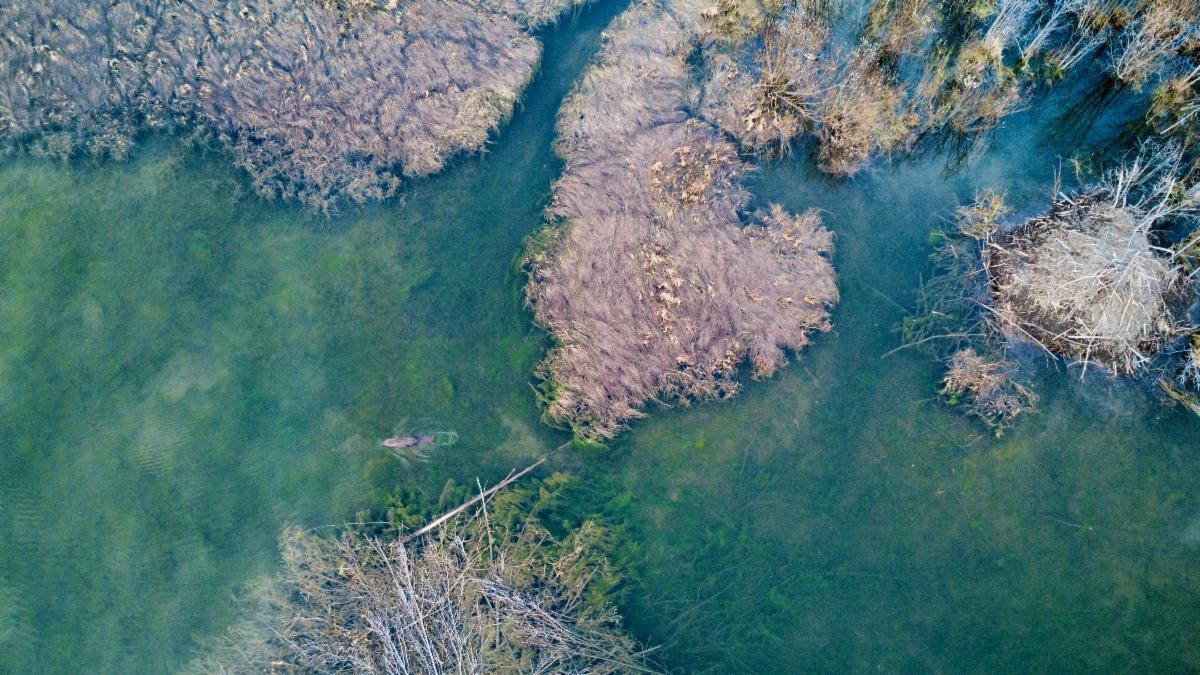
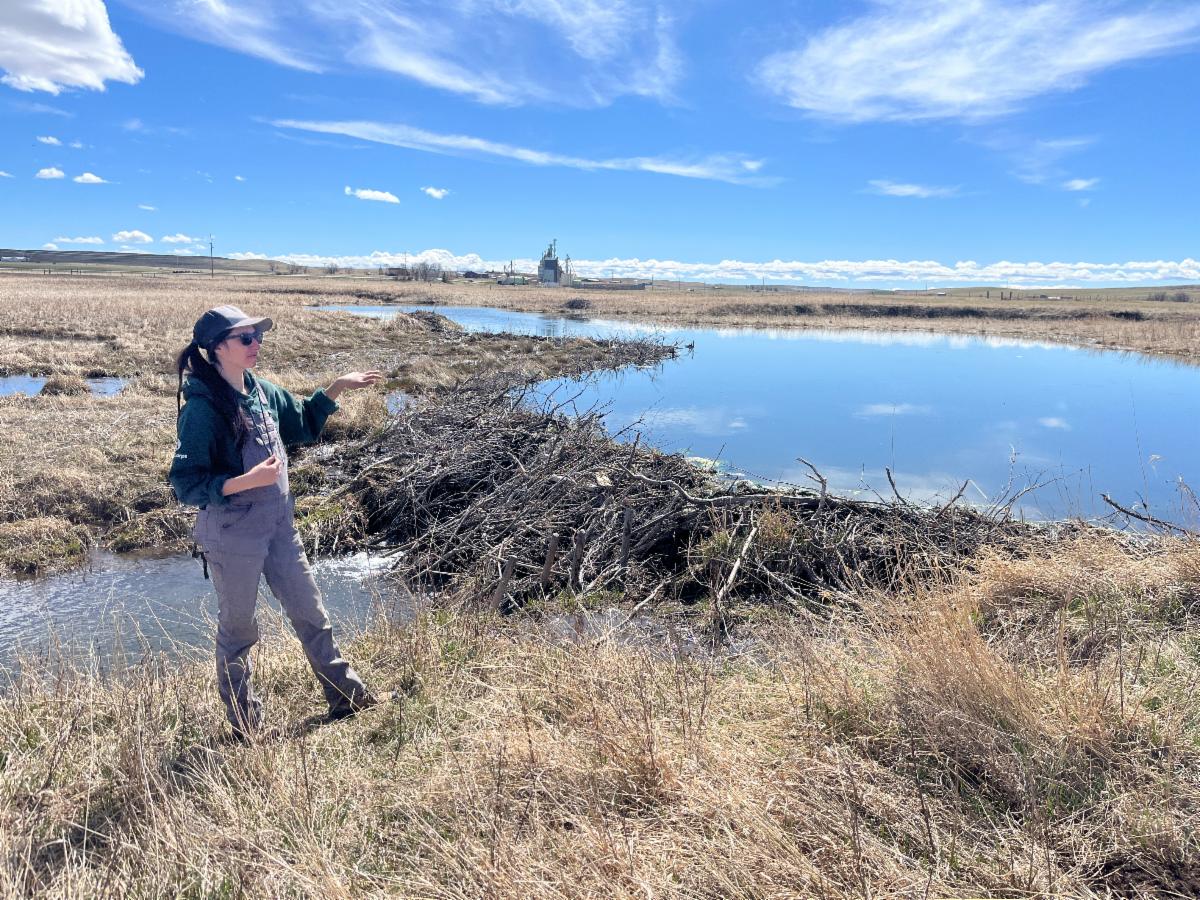
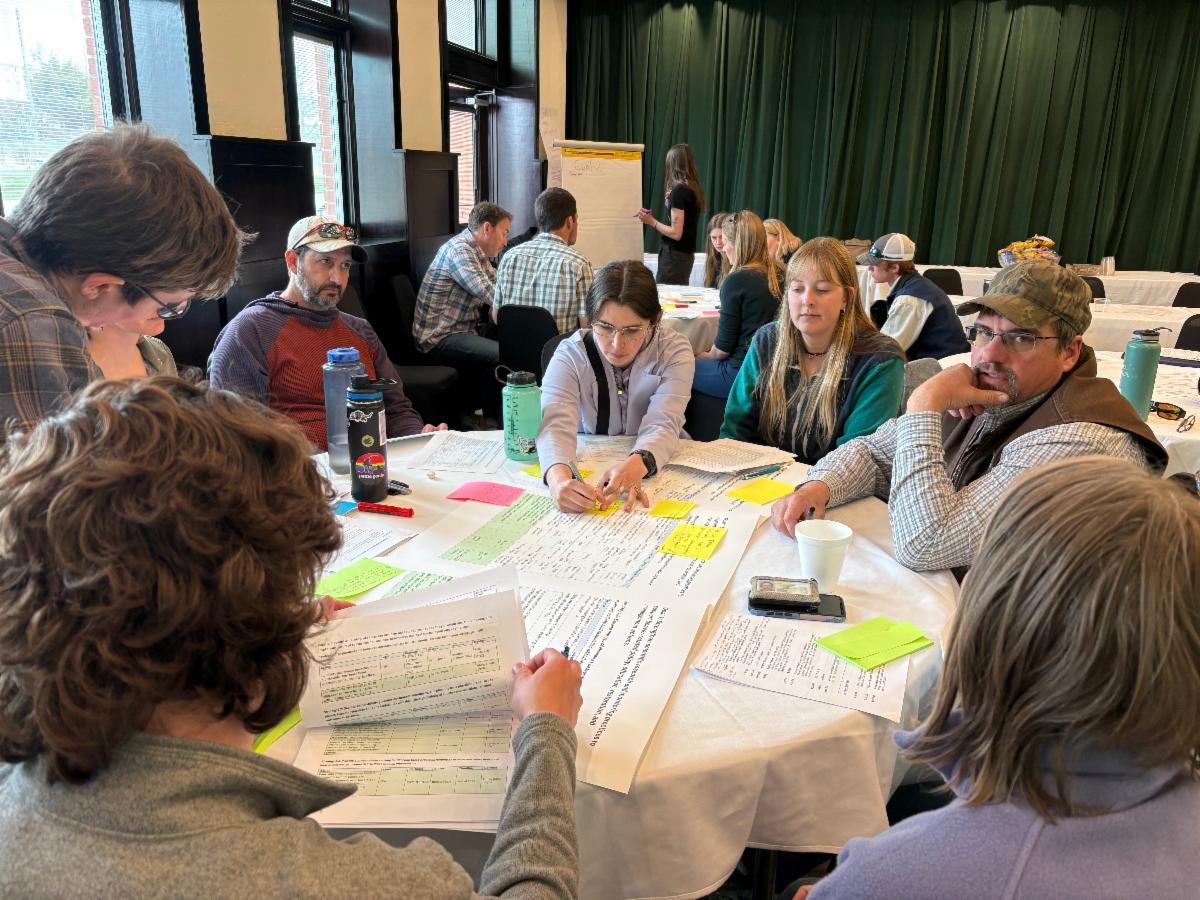
Montana Beaver Working Group | | Our Mission: To connect people and share resources to elevate the vital role of beavers in Montana's ecosystems | | A beaver in early spring, setting out to begin the work of the ice-free season. Photo: Joost Verboven | | Frankie Freilich, Project Manager for Anabranch Solutions, describes the remarkable scene that some beaver dam analogues (and live beavers!) helped restore. Photo: Rob Rich | This meeting included no shortage of sticky noting, easel scribbling, draft highlighting, and thoughtful talking at big round tables. Photo: Alexis Gibson | |
Action Gets Traction at Montana Beaver Working Group Spring Meeting
As the chokecherry leaves were starting to break and the season's first turkey vultures were starting to wheel up on thermals over Lewistown, the Montana Beaver Working Group was feeling the energy of spring, too. After many months of preparation from the BWG's Leadership Team and thoughtfully planned facilitation from the Center for Natural Resources and Environmental Policy, the meeting's 40 diverse participants from all around the state were primed for success.
And by all accounts, success was had. The meeting launched with a round of updates from FWP (with regards to Environmental Assessment for a Beaver Transplant program) and the Montana Conflict Resolution Program (which has now grown to service in four statewide regions). There were also presentations from National Wildlife Federation's Jon Naranjo about Free, Prior, and Informed Consent, as well as the latest from Colleen Piper's doctoral research on the persistence of beaver dams in Eastern Montana's prairie streams.
With inspiration from those presentations, the rest of the meeting focused on constructive discussions to advance 2026 revisions of the Montana Beaver Action Plan, and the first ever Montana Beaver Working Group Charter. Each of these efforts began last year, but their progress took off leading up to and during this meeting. Together, participants identified knowledge/practice gaps, refined language for common understanding, and developed some truly collaborative ideas, including the Charter mission statement that now guides the Beaver Working Group: "to connect people and share resources to elevate the vital role of beavers in Montana's ecosystems." The 2026 Montana Beaver Action Plan and Montana Beaver Working Group Charter will be finalized and shared in the next newsletter issue. Stay tuned!
If that wasn't enough, the meeting was capped by a field tour and work party with a local landowner near Judith Gap. The landowner, who runs a small family-owned ranch, had originally reached out to the Anabranch Solutions and the World Wildlife Fund's Sustainable Ranching Initiative, keen to learn whether beaver dam analogues could help with water storage through the ranch's increasingly dry summer. It turns out the operation was not only prime for such low-tech process-based restoration, but also for live beavers who returned to help enhance, expand, and maintain the structures humans installed. The beavers got so active that the landowner soon needed help for a clogged culvert, but the Montana Beaver Conflict Resolution Project was on the ready for that need, and that "problem" was solved, too. Over 20 BWG meeting participants showed up to see this full-circle example of restoring and living with beavers, then shared in the thanks by planting a few hundred willows and cottonwoods along the banks of the creek. The beavers, landowners, partners, and BWG volunteers made quite a dream team!
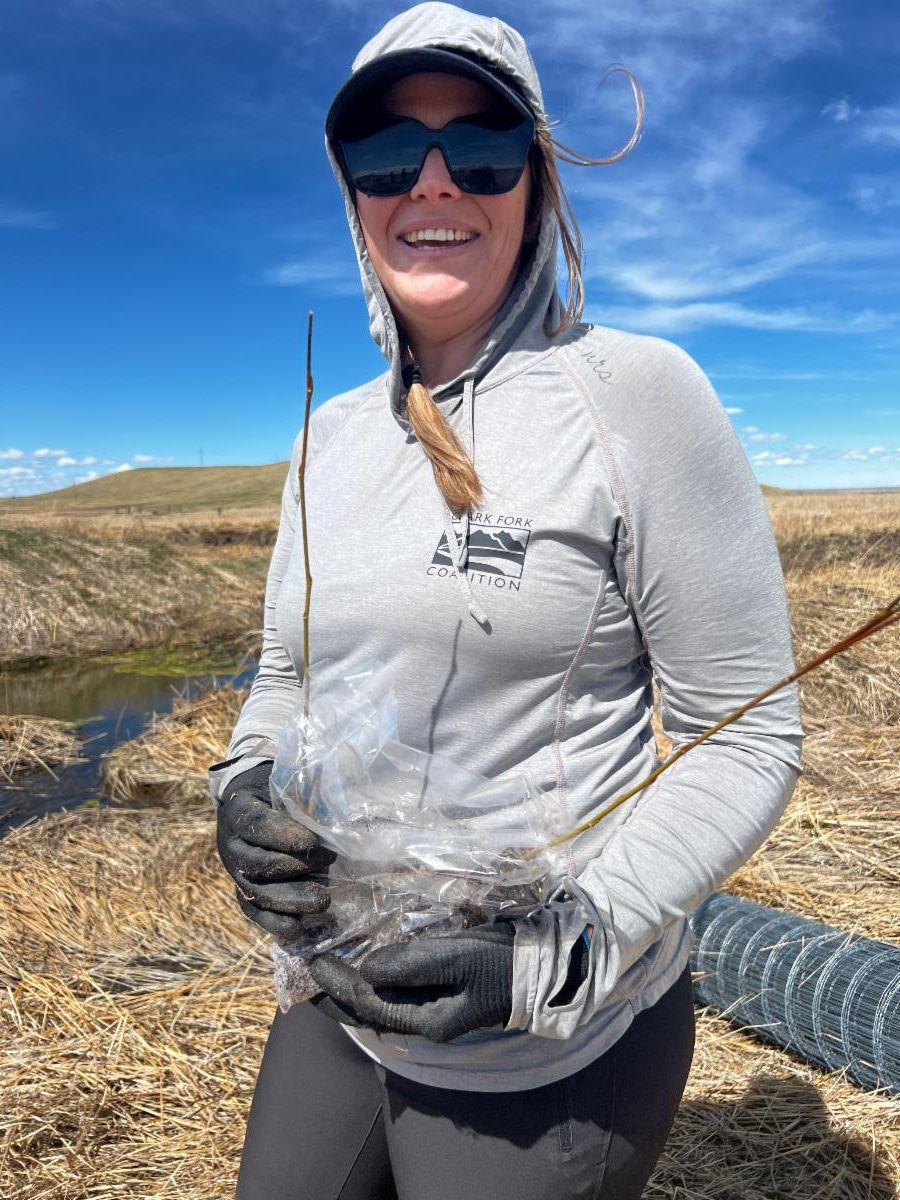
| | The inset photo highlights the Clark Fork Coalition's Lily Haines, who is one heck of an awesome action planner and willow-planting wizard. All these little shrubs are going to light up the landscape with their green this summer, and the beavers will keep propagating for them for seasons to come. Photo: Leah Thayer | | |
BeaverCon 2026
September 26-30, 2026
Minneapolis, MN
Registration is now open for BeaverCon, a keystone biennial event that unites 500+ individual beaver enthusiasts from all around the planet, including scientists, nonprofit leaders, policymakers, land managers, tribal and state agencies, researchers, and more. This year's event will be co-hosted by the Beaver Institute and the St. Anthony Falls Laboratory at the University of Minnesota. To learn more about how you can be a sponsor or participant, please check out the webpage here and stay tuned as scholarship applications and the full program announcements become available.
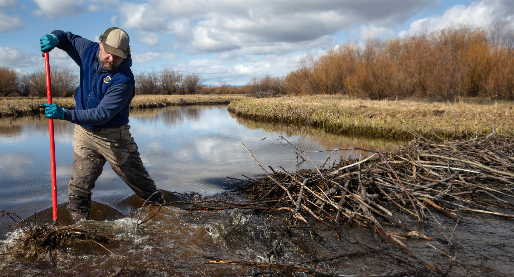
| | FWP Biologist Ryan Kreiner creates a temporary gap in a beaver dam on Steel Creek, one of several spawning tributaries for Arctic grayling on the Big Hole River in southwestern Montana. Biologists time this work just as fish are about to swim upstream to spawn. Photo: Holly Pickett | | |
Notching Big Wins for Big Hole Grayling
Dan Crockett
Montana Outdoors
May-June 2026
The Arctic grayling is a fish like no other, distinguished by its iridescent scales and a dorsal fin that is much larger than fellow members of the salmon family. The upper reaches of Montana's Big Hole River are the only place in the lower 48 states where a native, river-dwelling population of these coldwater-adapted fish still exist, making them a worthy Species of Greatest Conservation Need in Montana's State Wildlife Action Plan. But their management is complicated and, due to human-induced changes to the climate and Arctic grayling habitat, beaver dams can occasionally pose an extra challenge to grayling spawning and survival. To learn more how FWP is navigating Arctic grayling conservation in the Big Hole beaverscape, read (or listen) here.
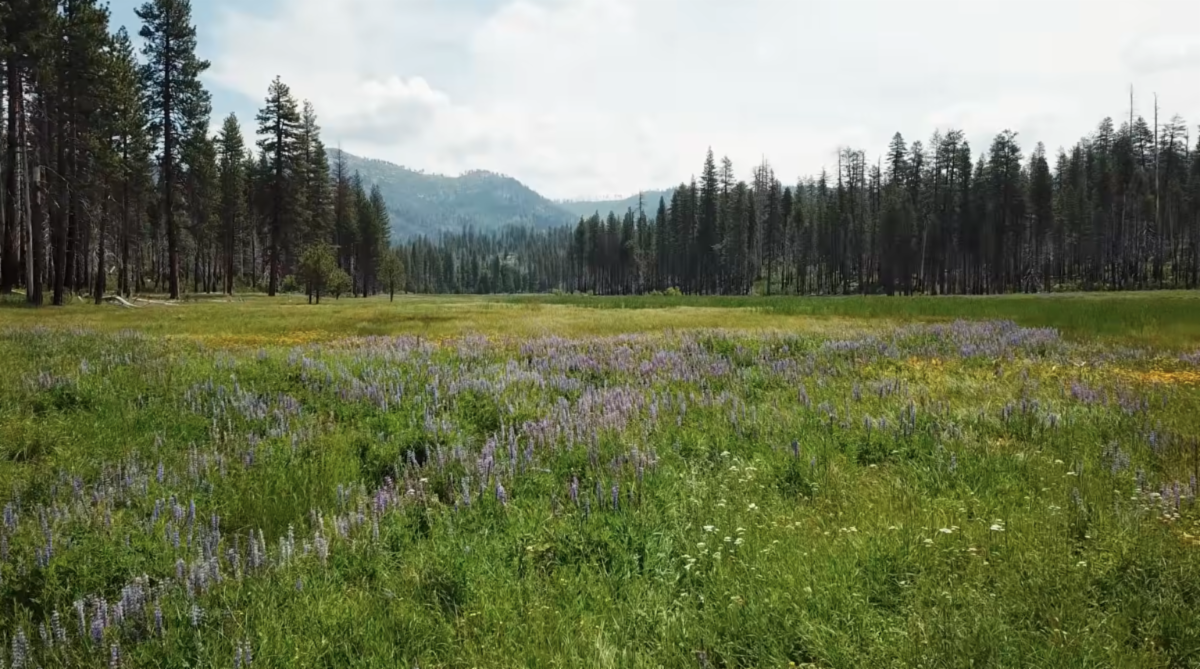
| | Diverse, resilient, and lush with life, healthy mountain meadows are critical to conservation downstream. Photo: American Rivers | |
Restoring Mountain Meadows
American Rivers
May 2026
Healthy watersheds have healthy headwaters. This is a fact that American Rivers understands, and has been acting on, in a collaborative project focused on healing California's mountain meadows. Mountain meadows are often created and maintained by beavers, but many meadows in California are lacking their original engineers today, and this project is cultivating the conditions where beavers can return. Please check out the full story and inspiring video here, and stay tuned how this work is extending in Montana, too.
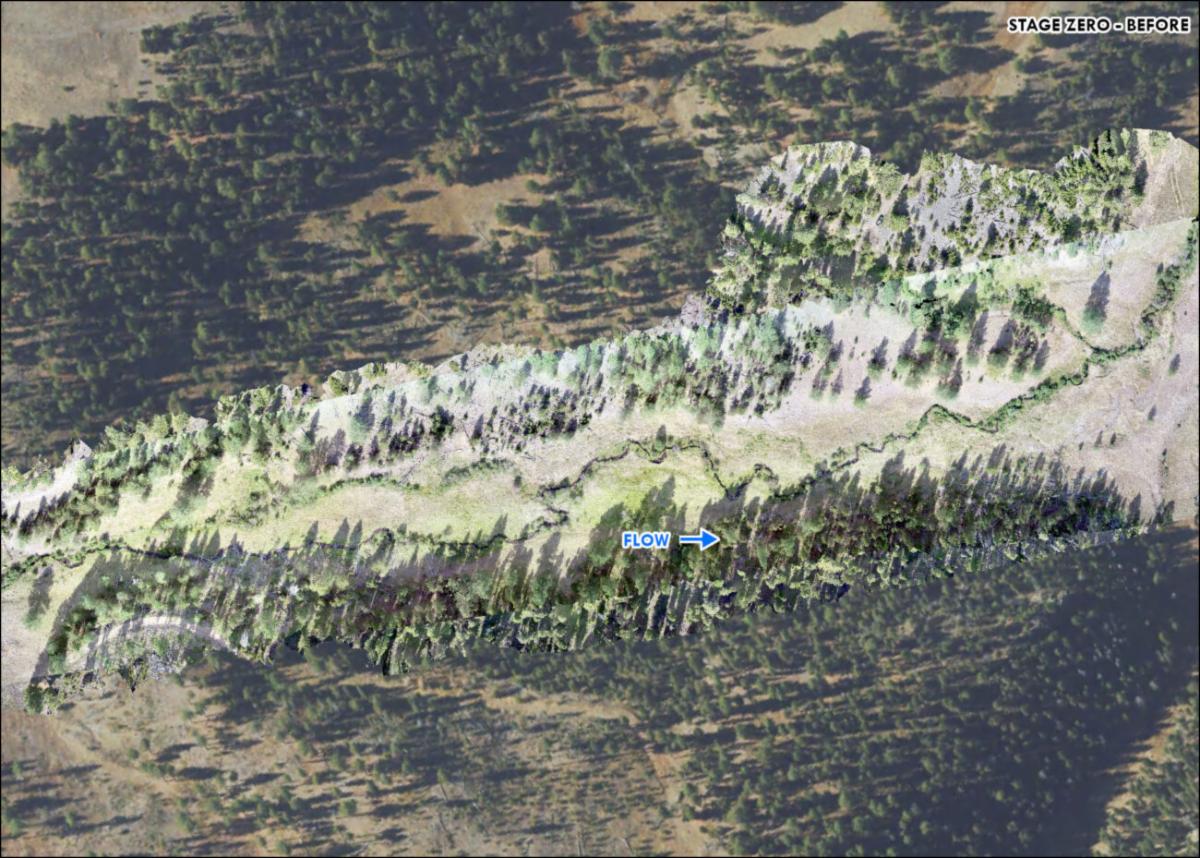
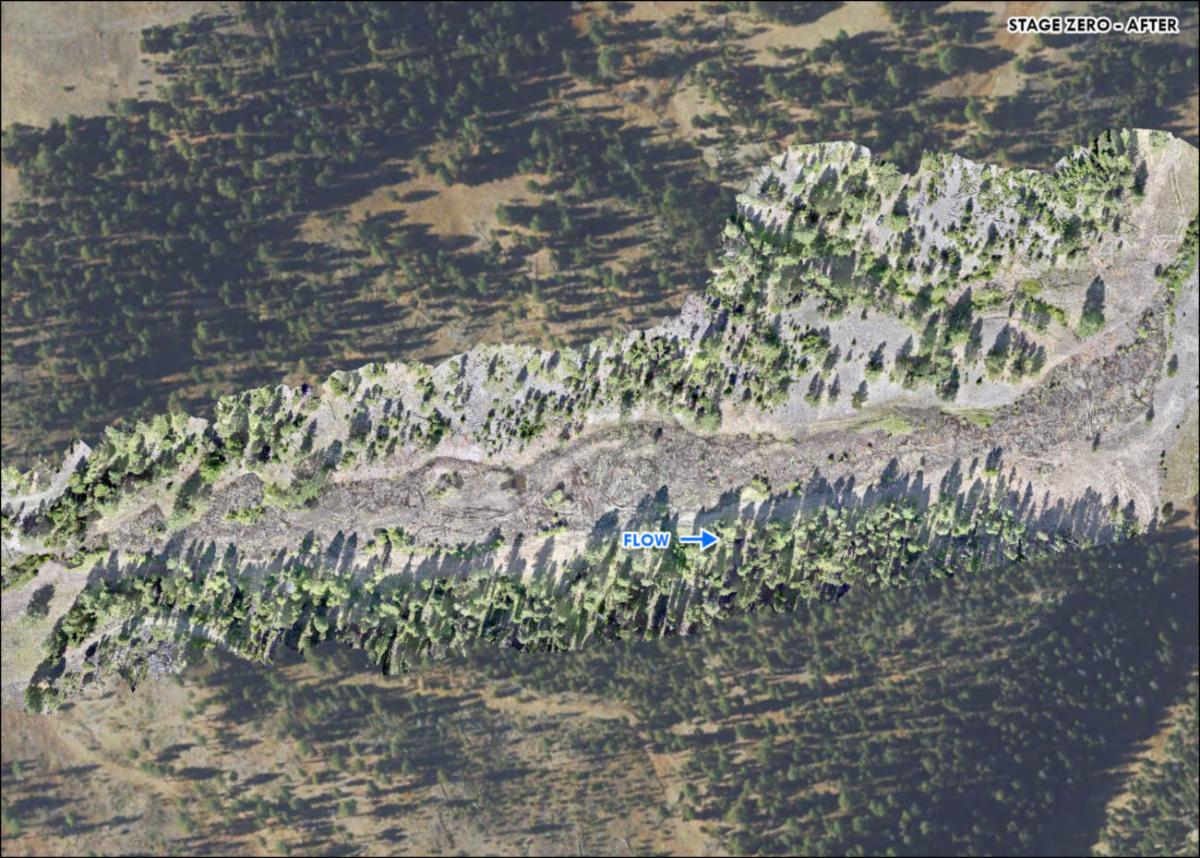
| A powerful aerial view of the South Fork of Spotted Dog Creek before (2020, top photo) and after (2025, lower photo) the restoration of its reconnected floodplain. To understand Stage Zero restoration, just look at that channel...changed from a single thread a to multi-braided masterpiece! Photo: Geum Environmental Consulting | |
The Spotted Dog Floodplain and Slope Wetland Restoration Project
Society for Ecological Restoration - Northwest Chapter
April 2026
For the last five years, the Spotted Dog Wildlife Management Area has been getting a major makeover. With collaborative leadership from Geum Environmental Consulting, Montana Fish, Wildlife & Parks, and the Montana Natural Resource Damage Program, the project has become the first full-valley reset aimed toward a "Stage Zero" channel state in Montana. Check out this informative, beautifully illustrated blog post to learn more about the significance of this effort as part of goals to reconnect degraded streams with their floodplains, enhance and expand riparian habitat, and hold water on the landscape longer into the dry season each year.
| |
Synthesizing Beaver Coexistence Messaging with the Capability, Opportunity, Motivation Behavior Model
Brian D. Erickson & Megan S. Jones
Conservation Biology
January 2026
Talking with somebody about beavers is rarely just talking with somebody about beavers. There is often energy involved - sometimes awe at such an intrepid rodent, other times tension at how to solve a dicey conflict. But at all times talking with somebody about beavers is a chance to go deep into shared values and complex relationships. A recent paper found that interpersonal connections are still the core arena for delivering important conservation messages, and it offered some thoughts about how we can make our conversations intentionally constructive and empowering in the realm of beaver coexistence. For some real-world research insights about the importance of listening and the role of effective beaver coexistence messaging, read on here.
| | |
Executive Director
Beaver Institute
Remote
Priority Deadline: June 15, 2026
The Beaver Institute (BI) is looking for an Executive Director (ED) to provide the strategic, operational, and financial leadership necessary to support BI’s sustainability and growth. This is a role for a leader who thrives in a fast-paced environment and who is equally comfortable orchestrating high-level partnerships, developing systems and processes, and nurturing and managing the team. The ED will lead a virtual team of three dedicated employees, five part-time contractors, and volunteers in a virtual setting while inspiring and engaging partners and funders. Learn more and apply here.
| | |
Please send photos, stories, upcoming events, opportunities, and other resources to:
Shelby Weigand - Riparian Connectivity Manager,
National Wildlife Federation
WeigandS@nwf.org
MT Beaver Working Group newsletters are posted online here.
| | | | |