Montana Beaver Working Group
| | |
Connecting people and sharing resources to advance the beaver's keystone role
in watershed health
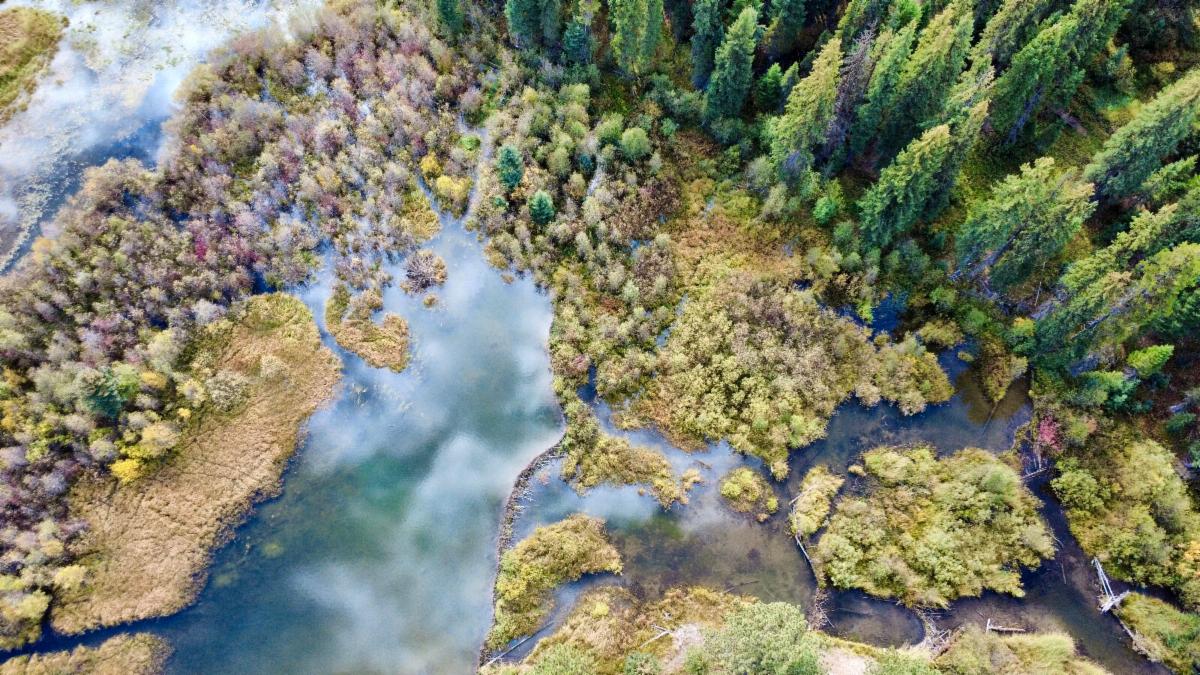
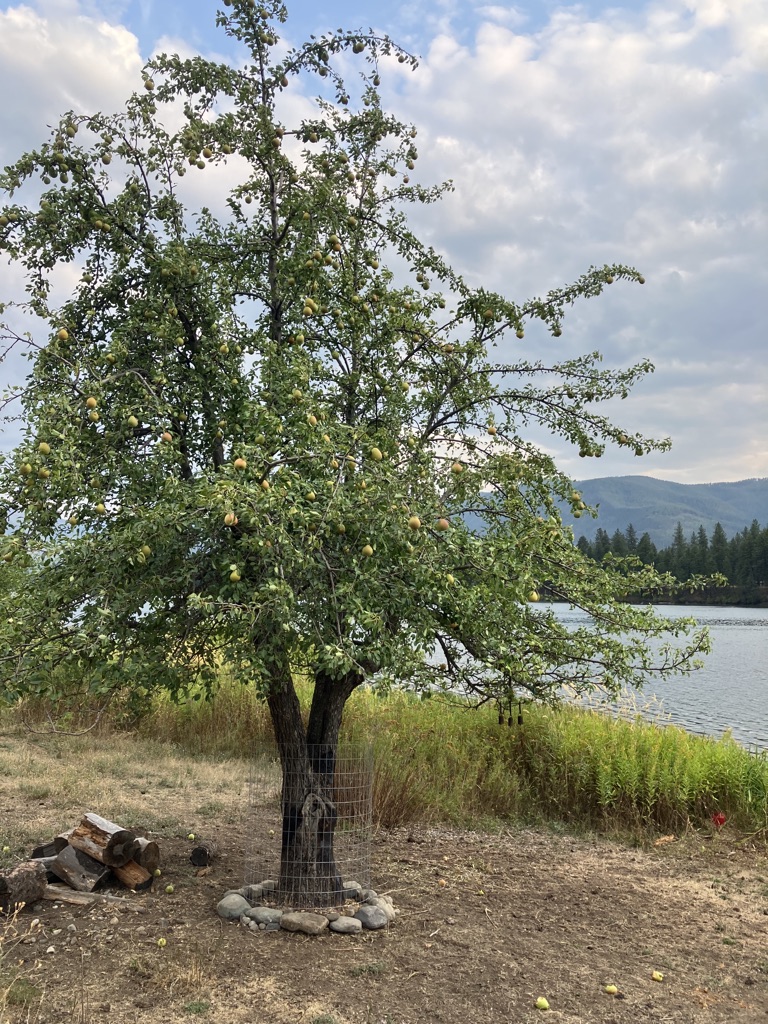
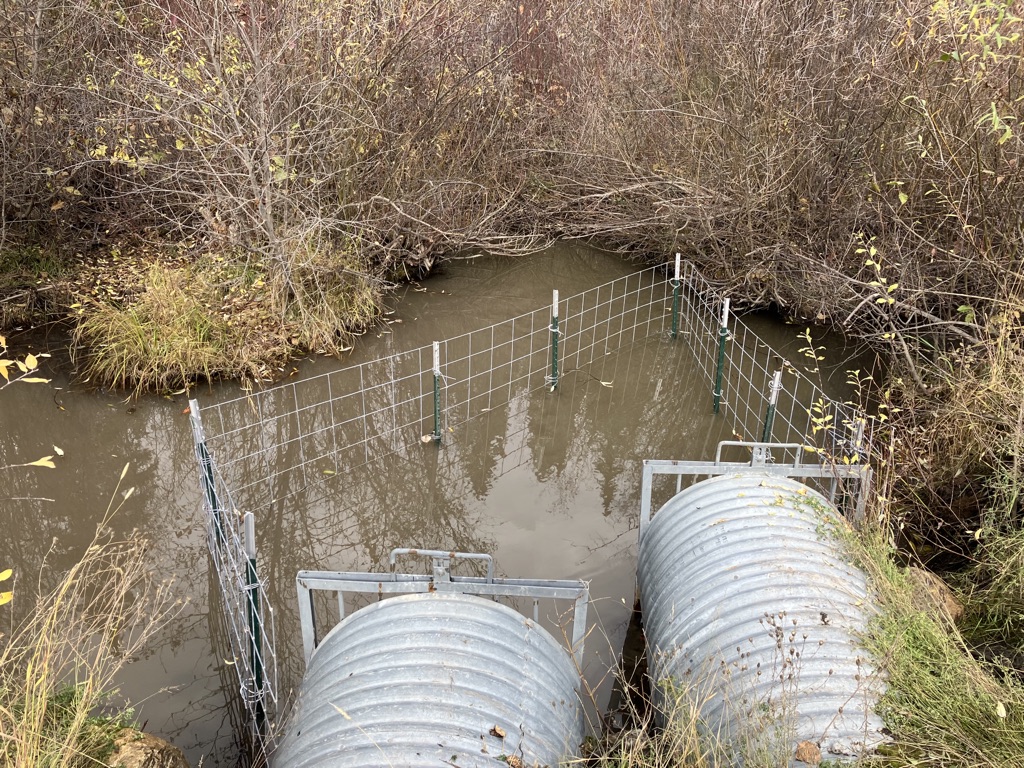
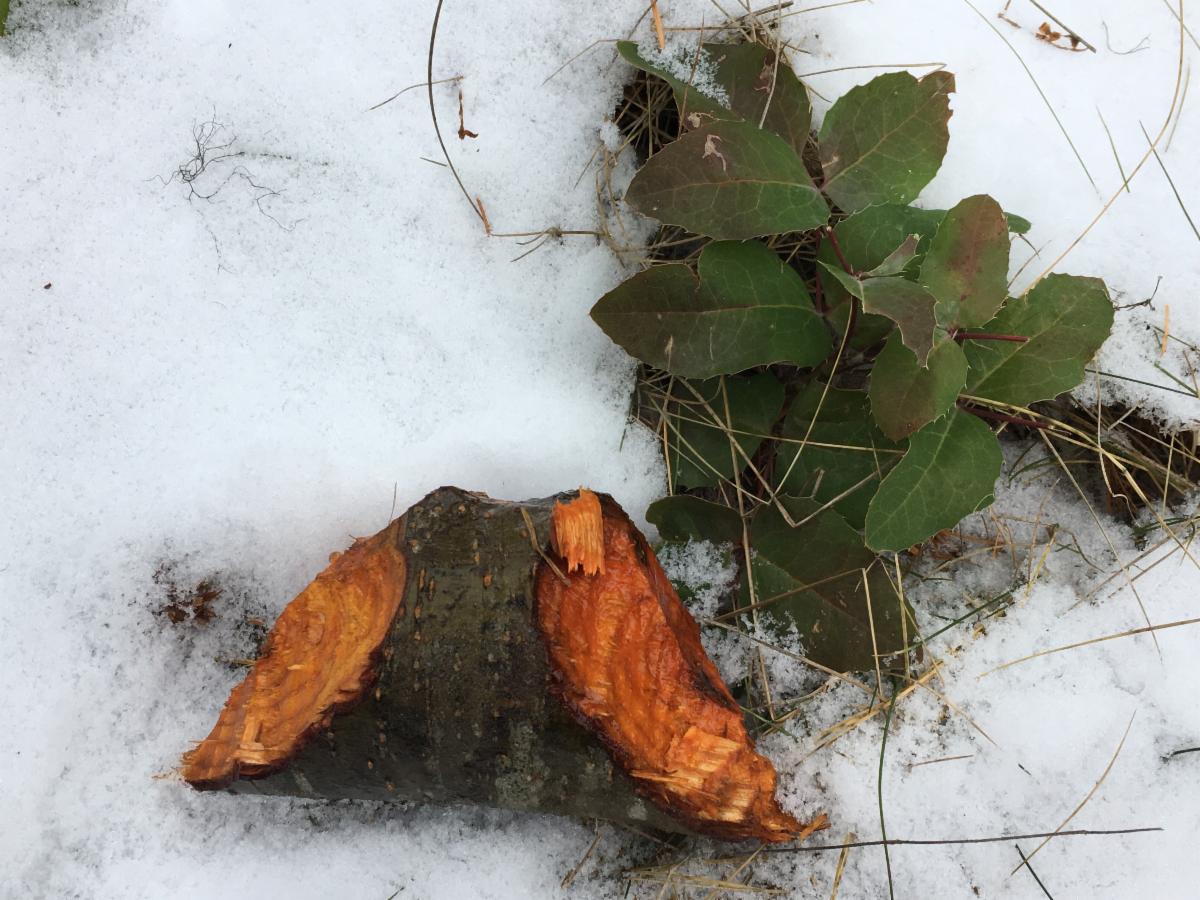
| | We had a glorious fall in Montana, and special thanks to Condon-based photographer Joost Verboven for documenting how beavers enhance the season's color and complexity! | | This season the program worked with several landowners experiencing tree cutting challenges. Types of affected trees included all beavers' usual favorites (aspen, willow, cottonwood, etc.), but also an unusual tree or two, such as this fruit tree. Tree cutting is the program's most highly-reported conflict, and luckily, the solution - shown above - is quite simple. Wrapping trees with 2"x4" welded wire (at least 3' tall, preferably 4') is the program's standard response, and has proven very effective. Photo Credit: Tanner Clegg | The program worked closely with Flathead County Roads to identify this conflict site near Ashley Lake. Beavers had been chronically damming this culvert system, and the county was expending considerable time and effort unplugging it. Seeking a more durable solution, Flathead County Roads and the program worked together to design, permit, and install the pictured exclusion fence. Photo Credit: Tanner Clegg | |
Montana Beaver Conflict Resolution Program Grows, Again!
Editorial Note: The photos and words for this story come from Tanner Clegg, Beaver Conflict Resolution Technician for Montana Fish, Wildlife & Parks' Region 1. Thanks for your contribution, Tanner!
The Montana Beaver Conflict Resolution Program expanded its programmatic reach into FWP Region 1 this year, providing landowners and managers in northwestern Montana non-lethal beaver conflict solutions. Tanner Clegg, a new beaver conflict resolution technician, moved from Grand Junction, Colorado to Kalispell in July. Despite a short 2025 season (July - October), several projects were completed - and several more are being permitted and slated for spring.
Tanner worked closely with FWP's R1 wildlife, fish, and nongame biologists, Flathead County Roads, MDT, and conservation districts to identify and respond to beaver conflicts. Over 30 people attended a beaver conflict workshop in October, suggesting a deep interest in beaver conflict resolution in northwest Montana.
| | |
Montana Beaver Working Group Virtual Winter Meeting
Zoom (link here)
December 16, 2025
9-11am MST
Please join us for the annual winter meeting of the Montana Beaver Working Group. This event will be take place via Zoom from 9-11am on December 16, and it will feature a number of short presentations from our community. Please reach out to Shelby Weigand (weigands@nwf.org) if you have questions. We hope to see you there!
Agenda
9:00 AM Welcome and Updates
Shelby Weigand, Riparian Connectivity Manager, NWF
9:10 AM Beaver Working Group History
Sarah Bates, Retired National Wildlife Federation
9:20 AM FWP Updates: Transplant EA, SWAP, Beaver HUB
Torrey Ritter, Nongame Wildlife Biologist, MT FWP
9:50 AM Reflections on Relocation (and Other Beaver Activities) in Colorado
Nick Hagan, Songdog Outdoor Services, LLC
10:05 AM BREAK
10:10 AM Scaling Beaver-Related Restoration at the Sub-Watershed Scale
Pedro Marques, Executive Director, Big Hole Watershed Committee
10:20 AM Beaver Conflict Resolution Impact Report
Elissa Chott, Beaver Conflict Resolution Team Lead, NWF
10:35 AM Blackfeet National Beaver Relocation and Conflict Resolution
Jim Vaile, Biologist, Blackfeet Fish and Wildlife Department
10:50 AM Montana Conservation Corps: A Year of Restoration
Autumn Holzgen, Norther Great Plains Program Manager, MCC
| | |
Restoration of Prairie Streams
Riverscape Restoration Network - Zoom (link here)
December 18, 2025
2-3:30pm MST
While there are many case studies demonstrating the successful use of beaver-related restoration of forested and mountain-valley stream systems, BDAs are now being implemented in prairie regions where the historical role of beavers in shaping stream geomorphology and the utility of BDAs for floodplain reconnection are not as well understood. In this quarterly meeting of the Riverscape Restoration Network, speakers (see below) will talk about their work to restore prairie steam systems, including LTPBR methods, grazing BMPs, and riparian plantings. They will discuss the challenges of working in stream corridors that often lack the natural structural riverscape diversity provided by wood (riparian trees and shrubs) and beaver that have long been absent, and share lessons learned. Learn more about the River Restoration Network and their series here.
Agenda:
2:00 - quick updates
2:05 - Niall Clancy, Salish Kootenai College
2:30 - Aaron Clausen & Jonathan Proctor, World Wildlife Fund
3:00 - Roundtable to hear from other organizations & agencies working on prairie stream restoration, including the National Wildlife Federation and Colorado's Southern Plains Land Trust.
Speaker Bios:
Aaron Clausen: Sustainable Ranching Initiative Manager for World Wildlife Fund, Montana - Aaron is a conservation biologist and project manager working with ranchers in the Northern Great Plains to improve food-system sustainability and wildlife habitat through education, research, restoration, and conservation. He is the Chair of the Montana Watershed Coordination Council.
Jonathan Proctor: Director, Great Plains Wildlife Initiative for World Wildlife Fund, Colorado - Jonathan's career has centered on restoration and conservation of imperiled and keystone species of the Great Plains and Rocky Mountains including wolves, bison, grizzly bears, prairie dogs, black-footed ferrets, wolverines, lynx, swift fox, and beaver. This work has included policy change, human-wildlife conflict prevention, and collaboration with Tribal and state wildlife agencies, ranchers, rural homeowners, land trusts, and NGOs.
Niall Clancy - Niall Clancy is a new faculty member at Salish Kootenai College in western Montana. He received his PhD earlier this year from the University of Wyoming with work aimed at conservation and restoration of freshwater fisheries. Before beginning his PhD research in Wyoming, Niall worked with Montana Fish, Wildlife & Parks as a fisheries scientist in Kalispell. He recently co-authored a paper about lessons learned from his work to restore a prairie stream in NE WY with LTPBR (see below).
| | |
Why Beavers May Be the Key to Wetland Restoration
Sierra Harris
Bozeman Daily Chronicle
November 2025
"In a quiet, slow-moving tributary of the Yellowstone River, a ripple disturbs the surface of a small pond. A moment later, a sleek, brown mammal emerges from the water and disappears into the brush, returning with a freshly cut willow branch to add to its growing dam..." So begins the work of a beaver, and this great guest column from Montana Beaver Working Group member Sierra Harris and partners in the Bozeman Daily Chronicle. Check out the full contribution here.
| | Photo Credit: Hannah Shields / Daily Inter Lake | | |
Damming Evidence: Citizen Scientists Track Beavers Through Lolo National Forest
Hannah Shields
Daily Inter Lake
November 2025
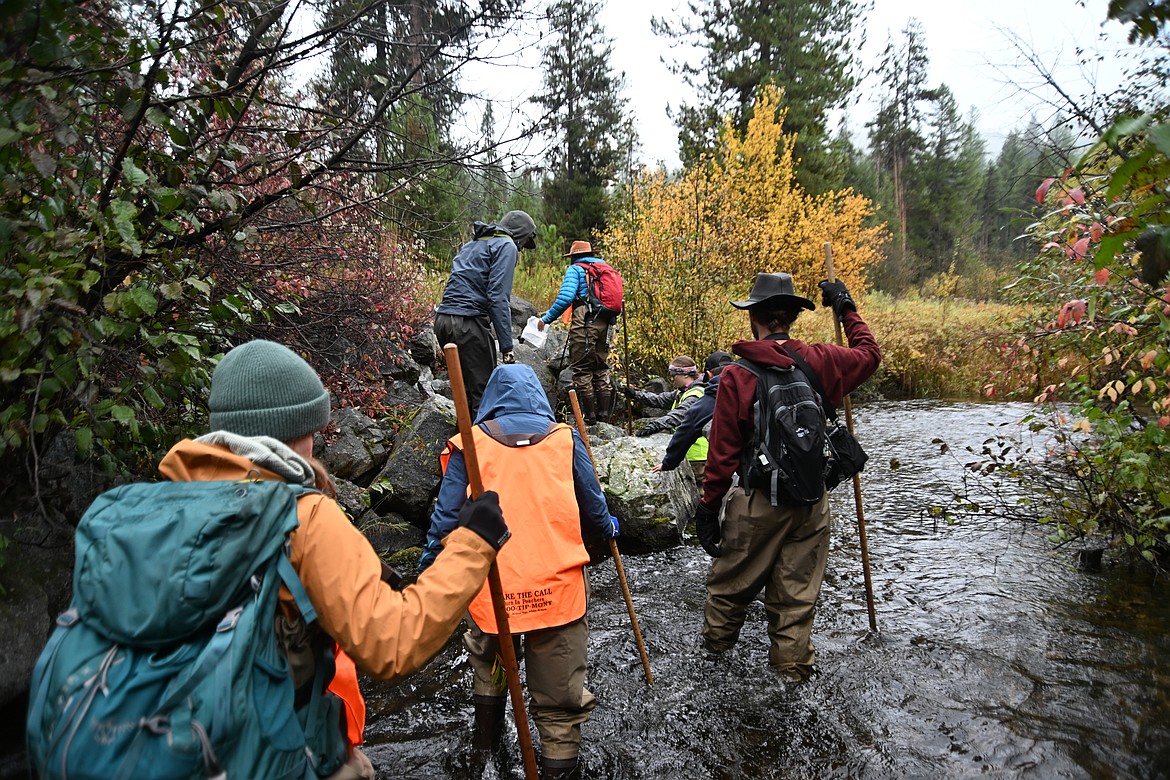
Beaver Blitz! That's what Clark Fork Coalition is calling their citizen-led research project focused on gathering data about beaver movement. This October marked the second round of this annual event, which began last year through partnership with Wild Montana. A total of 17 volunteers contributed to this waders-in-water survey of beaver sign in Lolo and Burdette Creeks in the Lolo National Forest, and the evidence of clippings, dams, and lodges they found will support a statewide database curated by the Montana Natural Heritage Program. To learn more about this exciting, applied effort to learn where beavers are active, check out the Daily Inter Lake's full article here.
| | |
Beaver Tracks & Sign: A Guide for Field Surveys
Rob Rich & Torrey Ritter
November 2025
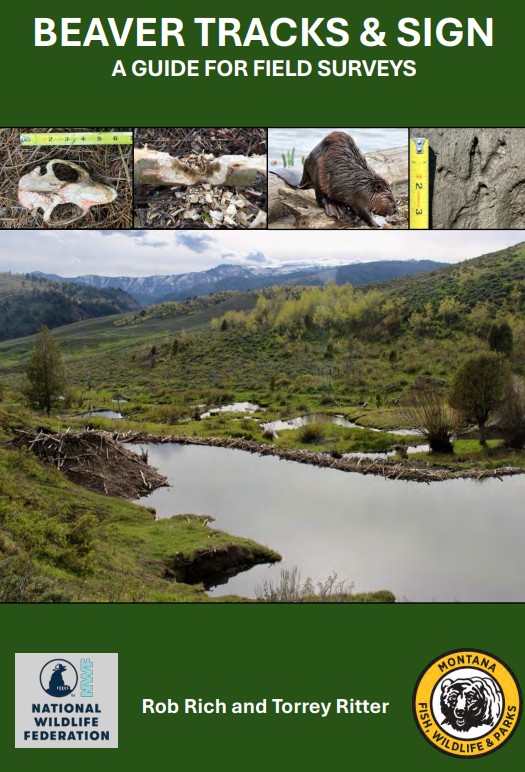
Footprints, scat, clippings, lodges, dams, and more...beavers have so much to teach us from what they leave behind. As indirect evidence of animal presence, tracks and signs offer infinite insights about anatomy, behavior, and ecology. In this new resource, Rob Rich and Torrey Ritter offer guidance for interpreting those beaver tracks and sign in the field, with aim to: 1) inform and inspire anyone seeking a deeper understanding of beaver ecology and 2) support professional or community scientists keen to document beaver activity. Print copies will be available in 2026, but in the meantime, you can find an online version here.
| | Photo Credit: Franz Fischer / Flickr | | |
Beaver-engineered Habitats are Outperforming Ours
Warren Cornwall
Anthropocene
November 2025
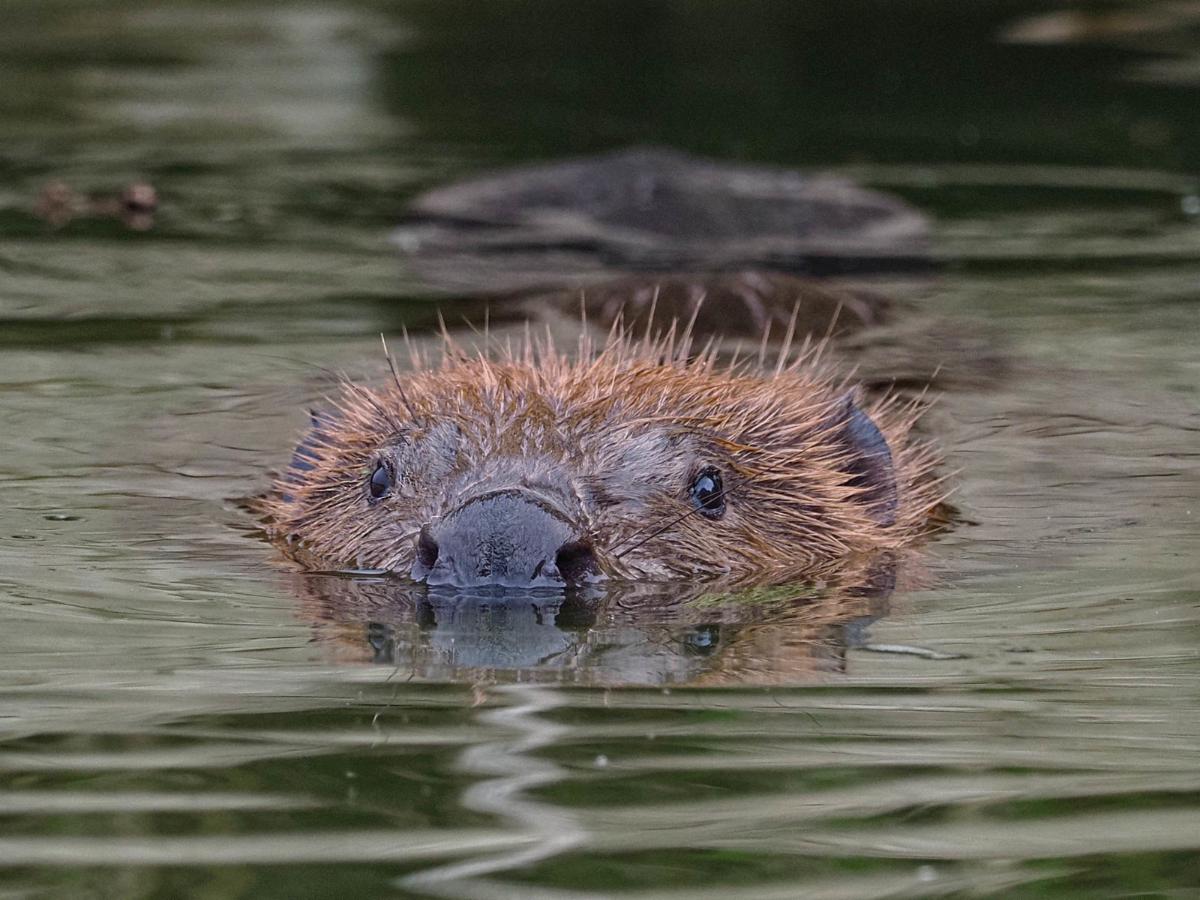
Butterflies, hoverflies, and bats thrive in beaver-engineered wetlands, much more than ponds that humans make. Two new studies provide evidence for this claim, adding to the canon describing beaver benefits to biodiversity within and beyond beaver-shaped habitats. When it comes to creating the features that these pollinators love, there's just no competing what beavers make best: a variety of damp substrates, dynamic plant communities, and abundant dead wood. To learn more about beavers benefit insects and bats - taxonomic groups that contain some of earth's most imperiled species - check out the new research here.
| | Photo Credit: Neal Herbert / NPS | | |
Are Beavers Montana's Latest Transplants?
David Tucker
Mountain Journal
October 2025
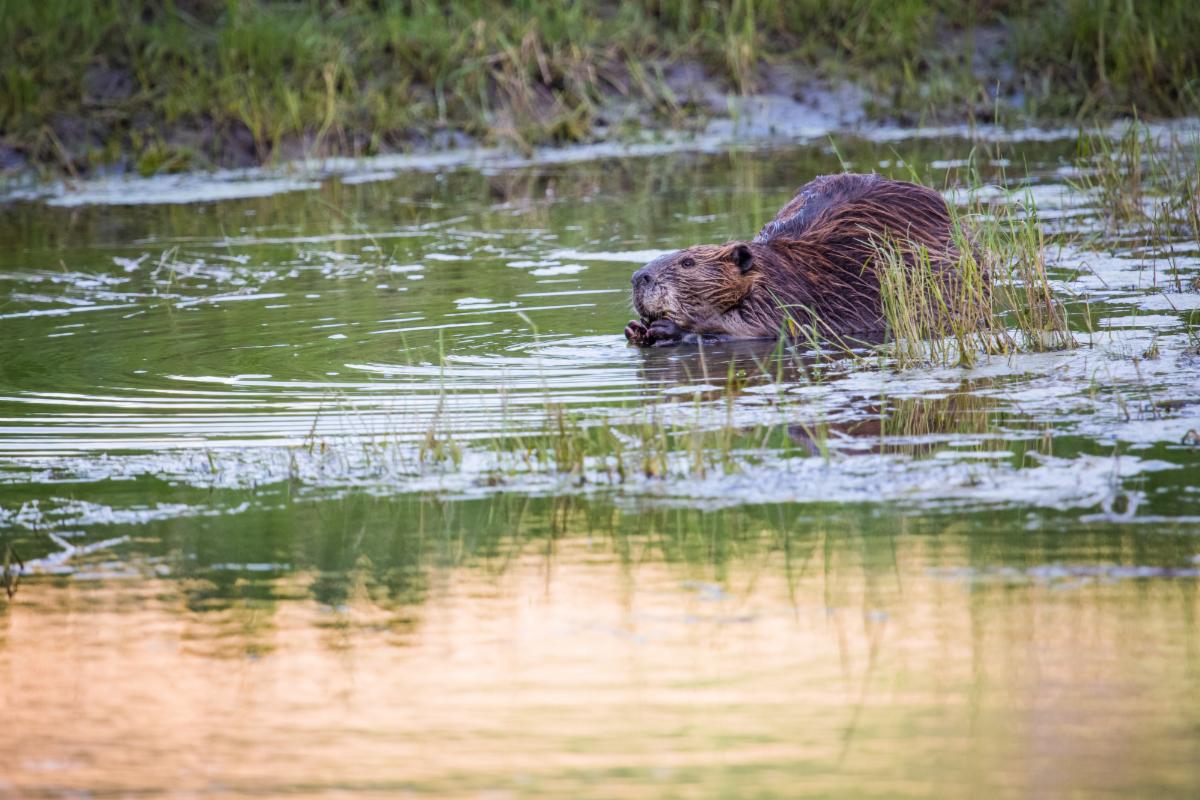
After years of careful consideration and collaborative planning, Montana Fish, Wildlife & Parks has unleashed a draft Environmental Assessment proposing the Montana Beaver Transplant Program. This new initiative would allow managers the flexibility to relocate beavers away from places where they've come into conflict with humans to places where their benefits to biodiversity can be fully embraced. Journalist David Tucker has done a fine job covering the needs and possibilities associated with this proposal for Mountain Journal, highlighting the work of the Montana Beaver Working Group and several of its key contributors. Read the story here, and find the documents for the Montana Beaver Transplant Program here. Review of public comments is currently underway, and the next steps will transpire at the February 26, 2026 Fish & Wildlife Commission meeting, where the Environmental Assessment will be proposed and discussed.
| |
Beaver Management Planning: A Review of Existing Plans and Programs with Recommended Best Management Practices
National Wildlife Federation
September 2025
Beavers provide many ecological benefits, from building drought and wildfire resiliency to acting as a natural disturbance regime on the landscape. While traditionally managed by states as a furbearer species, effective beaver management can happen at any jurisdiction and has the potential to also support and steward watershed health and biodiversity through education, coexistence measures, relocation, and when necessary, trapping or lethal removal.
This report strives to inform beaver conservation and management processes by providing approachable and realistic examples that achieve desired management outcomes while simultaneously elevating watershed restoration via human-beaver conflict resolution and education. This report can be a resource at any stage of the plan or program development process, from plan development to enacting, growing, or strengthening existing beaver management plans or programs. You can read the whole report here.
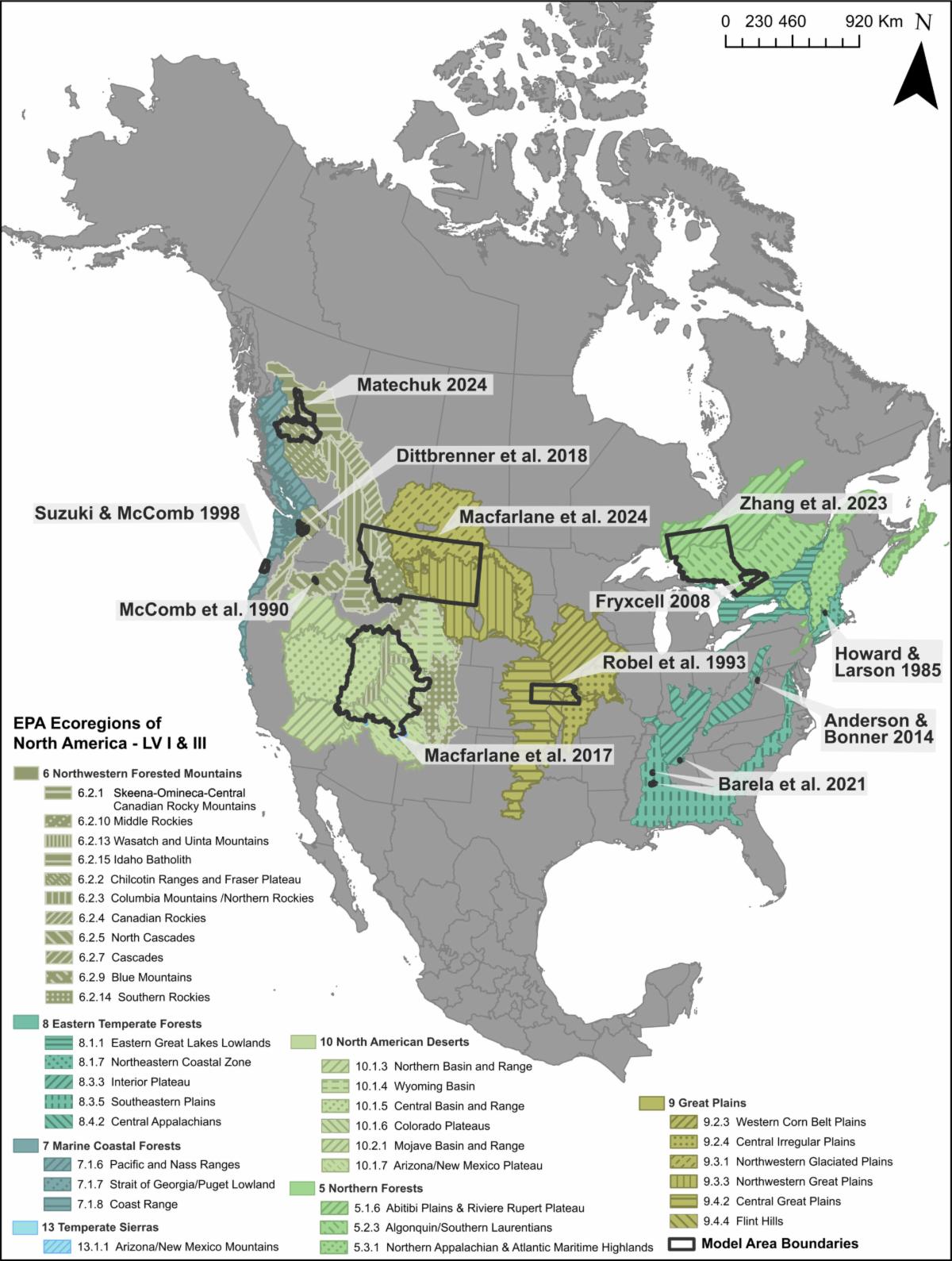
| | Map of 11 beaver dam models and the ecoregions in which they were developed. Colors indicate Level I Ecoregions, and patterns represent Level III Ecoregions. Areas for which models were developed or validated are outlined in black. One model (BRAT; Macfarlane et al. 2017) was also separately validated in the state of Montana (Macfarlane et al. 2024), which is included on this map (Howard & Larson 1985; McComb, Sedell, & Buchholz 1990; Robel, Fox, & Kemp 1993; Suzuki & McComb 1998, Fryxell 2001; Anderson & Bonner 2014; Macfarlane et al. 2017; Dittbrenner et al. 2018; Barela et al. 2021; Matechuk 2024; Zhang et al. 2024; Macfarlane et al. 2024). Image Credit: Moravek, J.A., Andruss, M., Connaughton, A., Miller, J., Garrity, M., Kirksey, K. and Fairfax, E. (2025), Using beaver capacity models: the importance of local knowledge. Restor Ecol, 33: e70135. https://doi.org/10.1111/rec.70135 | | |
Using Beaver Capacity Models: The Importance of Local Knowledge
Jessie A. Moravek, Michelle Andruss, Alyssa Connaughton, et. al.
Restoration Ecology
July 2025
"All models are wrong, but some are useful." While this aphorism from British statistician George Box may not exactly be consoling, it rightly reminds us how applying models without place-based calibrations can lead to inaccurate results. This is especially important when building models to understand where and how many dams beavers can build. Models exploring beaver habitat suitability have been built all across North America - including right here in Montana - and you can learn more here about why these models need place-savvy practitioners to keep them accurate and effective (e.g., see article above about the Clark Fork Coalition Beaver Blitz!).
| | Please send us any beaver-related jobs or funding opportunities you want to promote here! | | |
Please send photos, stories, upcoming events, opportunities, and other resources to:
Shelby Weigand - Riparian Connectivity Manager,
National Wildlife Federation
WeigandS@nwf.org
MT Beaver Working Group newsletters are posted online here.
| | | | |