September/October 2025

Montana Beaver Working Group

Connecting people and sharing resources to advance the beaver's keystone role

in watershed health

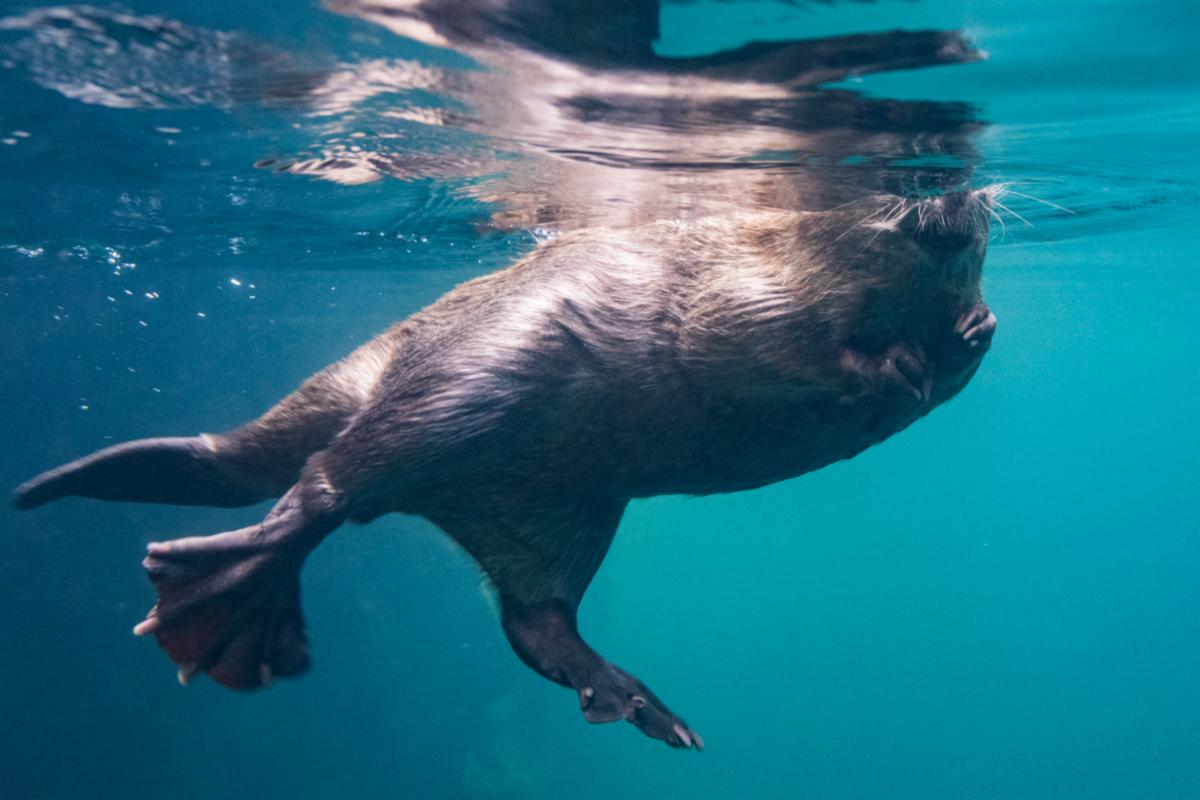
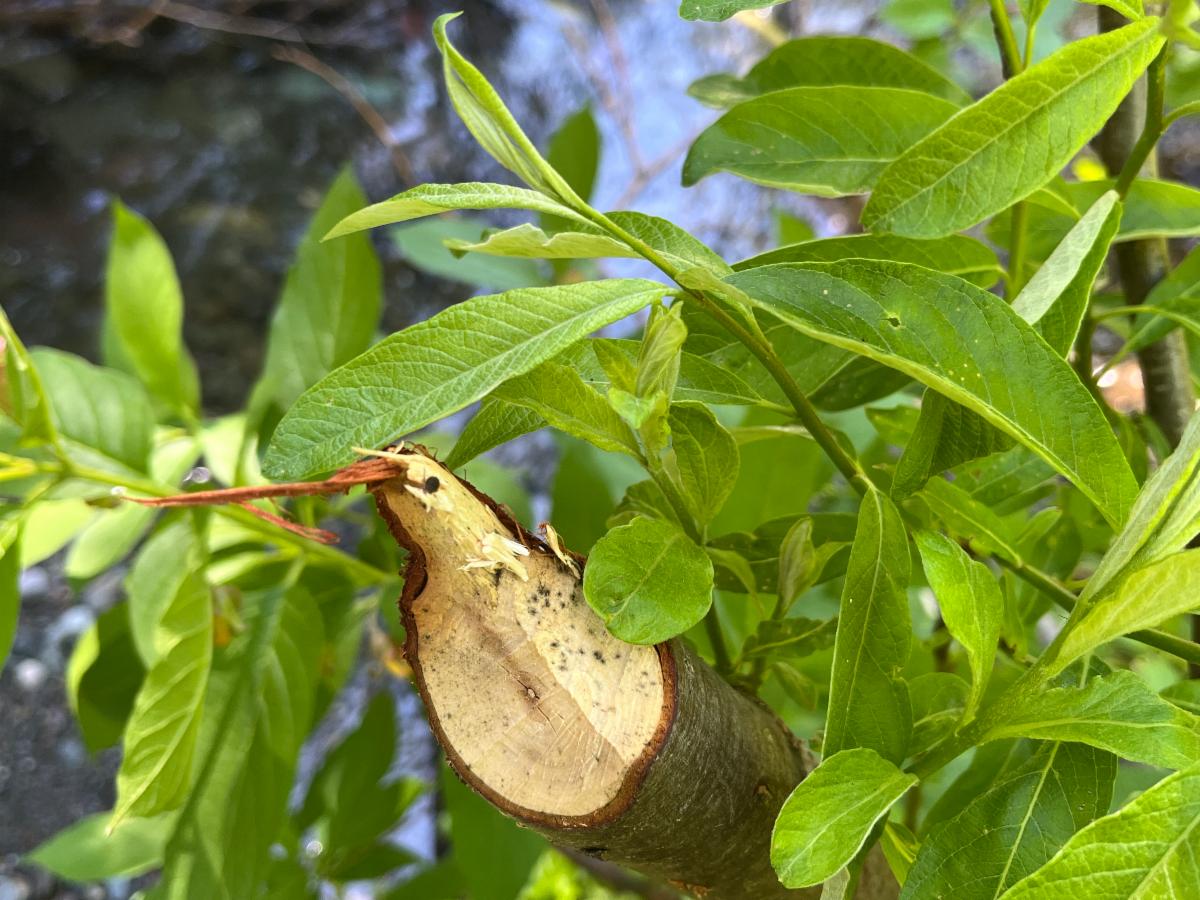
Steven Gnam's award-winning photography has often emerged from Montana's high country, for stories on the likes of moth-eating grizzly bears, wolverines, and whitebark pines. He has also produced incredible work in diverse prairie, desert, and forest settings, and this stunning new image of a wild beaver proves he has an eye for underwater wonders, too. Check out more of Steven's work here, and many thanks to Steven for sharing this cover photo!

Stories and News

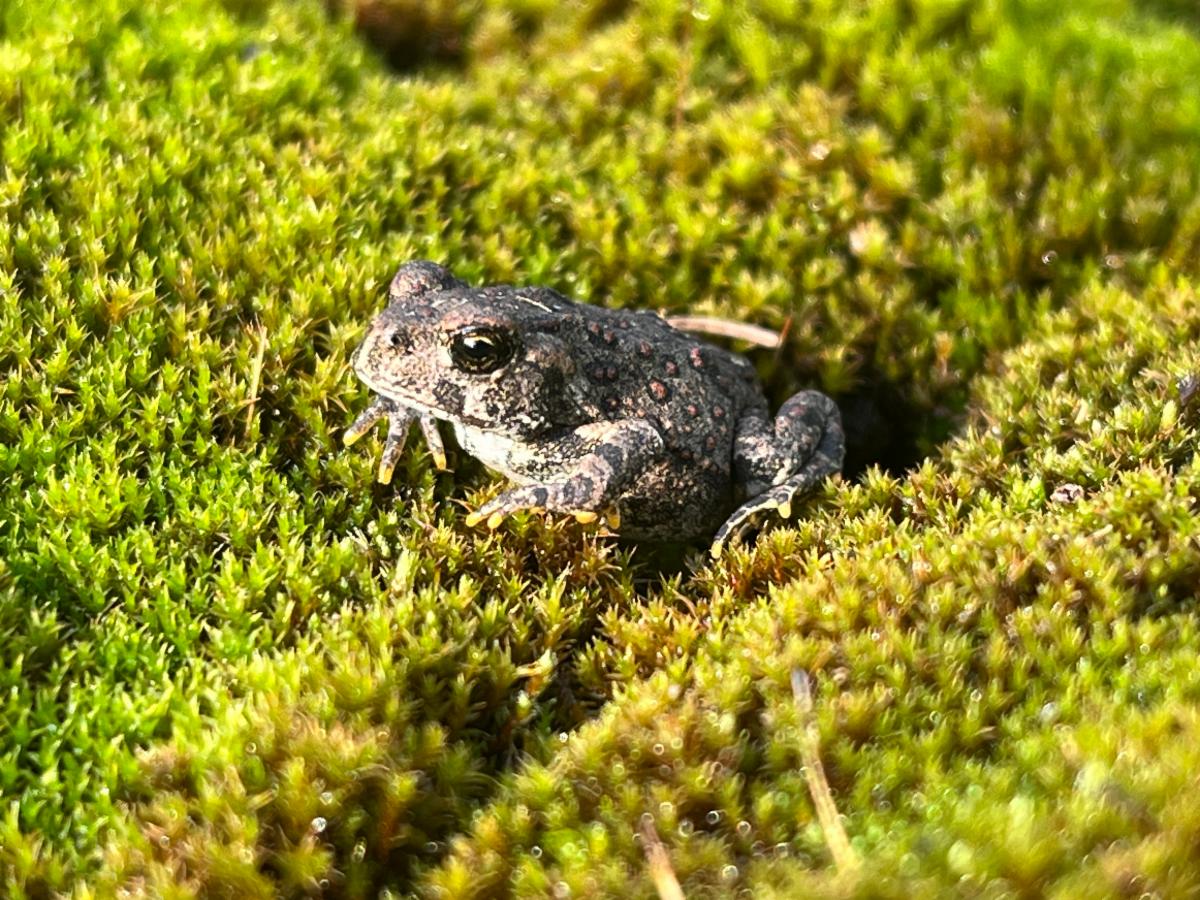
Young western toads move over land in late summer, and many of them can thank a beaver for providing the ponded waters where they could emerge and mature. The western toad is one of 128 vertebrate Species of Concern in Montana, where it has suffered from habitat loss, fungal and bacterial infections, and the extremes of a changing climate. Of these 128 vertebrate Species of Concern, 84 are potentially affected by beaver activity, and of those 84, 52 have mostly positive effects, 22 have a mix of positive and negative effects depending on context (mostly fish), 10 have unknown effects because we know so little about the species, and 0 have only potentially negative effects. Photo Credit: Rob Rich

FWP Updates on Montana's State Wildlife Action Plan and Beaver Restoration Hub


Editorial Note: The photos and words for this story come from Torrey Ritter, Nongame Biologist for Region 2 with Montana Fish, Wildlife & Parks. Thanks for your contribution, Torrey!


2025 SWAP

Montana Fish, Wildlife and Parks (FWP) released the 2025 State Wildlife Action

Plan (SWAP) for public comment on August 26, 2025 (see it here). The public comment period will run through September 14. The SWAP is updated every 10 years and outlines conservation priorities for nongame species and their habitats in the state.


Montana’s SWAP supports FWP’s mission to provide the “stewardship of the fish,

wildlife, parks, and recreational resources of Montana, while contributing to the quality of life for present and future generations.” The SWAP helps FWP’s Wildlife and

Fisheries Divisions identify and prioritize conservation actions to manage Montana’s

most at-risk species. Proactive conservation is critical in helping keep species off the

endangered species list and avoid costly endangered species recovery efforts.


Although FWP is responsible for leading the development of Montana’s SWAP, the plan is for all of Montana. The SWAP identifies threats and conservation actions for Species of Greatest Conservation Need (SGCN) and Habitats of Greatest Conservation Need (HGCN) that help inform FWP’s priorities, but we hope the plan can assist other

agencies and organizations in Montana with focusing their conservation efforts as well. The work identified in this plan far exceeds the available funding and capacity of FWP. We need help from our conservation partners, and we encourage other agencies and organizations to use the SWAP to create a unified effort to maintain Montana’s

tremendous biodiversity and open landscapes.


For the first time, beavers are making a big appearance in Montana’s SWAP. Beavers

are specifically highlighted in a new “Keystone Species” chapter and are also referred to multiple times in conservation threats and actions for both HGCN and SGCN. By

referencing beavers and their immense benefits to nongame wildlife in the SWAP, new

and exciting funding opportunities may be available to restore beavers to areas of their historical range, help people solve human-beaver conflicts, and provide outreach and communication efforts around the benefits of beavers to people and wildlife.


Beaver Restoration HUB

The Montana Natural Heritage Program (MTNHP), with funding from FWP, have

developed a series of online tools to help restoration practitioners and land managers

better understand beaver populations and beaver habitat conditions in their areas of

interest in Montana. The Beaver Restoration HUB offers data downloads, visualization,

and summarization for a suite of geospatial tools related to beavers in Montana,

including the Beaver Restoration Assessment Tool, the Montana Beaver Dam Census,

MTNHP beaver observations, and more. The tools can be accessed via the MTNHP

website (mtnhp.org) under “Dashboards and Tools” (see it here). The HUB requires that you sign in to an ArcGIS account to access all its features, though many features are available without signing in. We highly recommend users read through the BRAT StoryMap and the “Guides for Efficient Use” (including a how-to overview video) as an introduction to this awesome resource. If you have any questions or feedback on the Beaver Restoration HUB, please contact Torrey Ritter at torrey.ritter@mt.gov or 406-381-2339.

Upcoming Events

A Review of State Beaver Management Planning – Exploring What’s Working Well and How to be Successful Enacting Change

National Association of Wetland Managers & Bureau of Land Management

Zoom (link here)

3-4:30pm EST on September 3


Previous NAWM webinars focused on the key role of beavers in creating and maintaining thousands of miles of riverine wetlands across the United States. But what can we do to help beavers? Join Jacquelyn Corday, Corday Natural Resources Consulting, and Adria Surovy, National Wildlife Federation, to cover the highlights from their report, "State Beaver Management Planning: A review of existing plans and programs with recommended best management practices” and learn how proactive and collaborative planning can support beaver-led restoration. You can learn more and register for this event here, and the recording will be available on the NAWM-BLM Beaver-Related Restoration Training Series archive page here.

Beaver Science Speaker Series

Beaver Institute

Zoom (link here)

2pm EST on September 11


The Beaver Institute's Beaver Science Speaker Series is having another strong run! Ellen Wohl, Matthew Guziejka, and Janine Castro led this year's lineup, and the last presenter for this year will be Sherrie Tippie, founder of Wildlife2000, giving a talk titled "40 years of working with beavers: Live Trapping, Relocation, and Mitigation." This monthly series serves as resource for anyone interested in beaver science, and it offers a platform for researchers to share new findings. Each session features a guest speaker presenting their work, followed by Q&A and discussion. Please enjoy each presentation with this link at 2pm of the appointed day, and if you'd like to catch up on previous installments of this series, you can do so here.

State of the Beaver Conference 2025

Canyonville, Oregon

November 18-20, 2025


Plans are underway for the 8th Biennnial State of the Beaver Conference, to be held November 18-20, 2025 in Canyonville, Oregon. The presenter list is filling up with some wonderful people and topics, and in addition to registration, there is still room for you to participate as a speaker or sponsor. Please see more details here and reach out to Leonard Houston (beavers@surcp.org) if you have questions.

Resources

State Wildlife Action Plans - Proactive Conservation for Wildlife and Habitat

The Beaver Institute

July 2025


As states around the country gear up for once-a-decade updates to their State Wildlife Action Plans (including Montana, see above!), The Beaver Institute has pulled together a helpful introduction to this process. This webpage not only describes how and why SWAPs are so valuable, but it also provides insights to help members of the public make effective contributions. To learn more and get engaged in this important effort, check out their resource here, and remember that comments on Montana's SWAP are due by September 14. Photo Credit: The Beaver Institute

Program to Reduce Conflicts with Beavers Keeps Nature's Engineers on the Job

Justin Franz

Montana Free Press

August 25, 2025


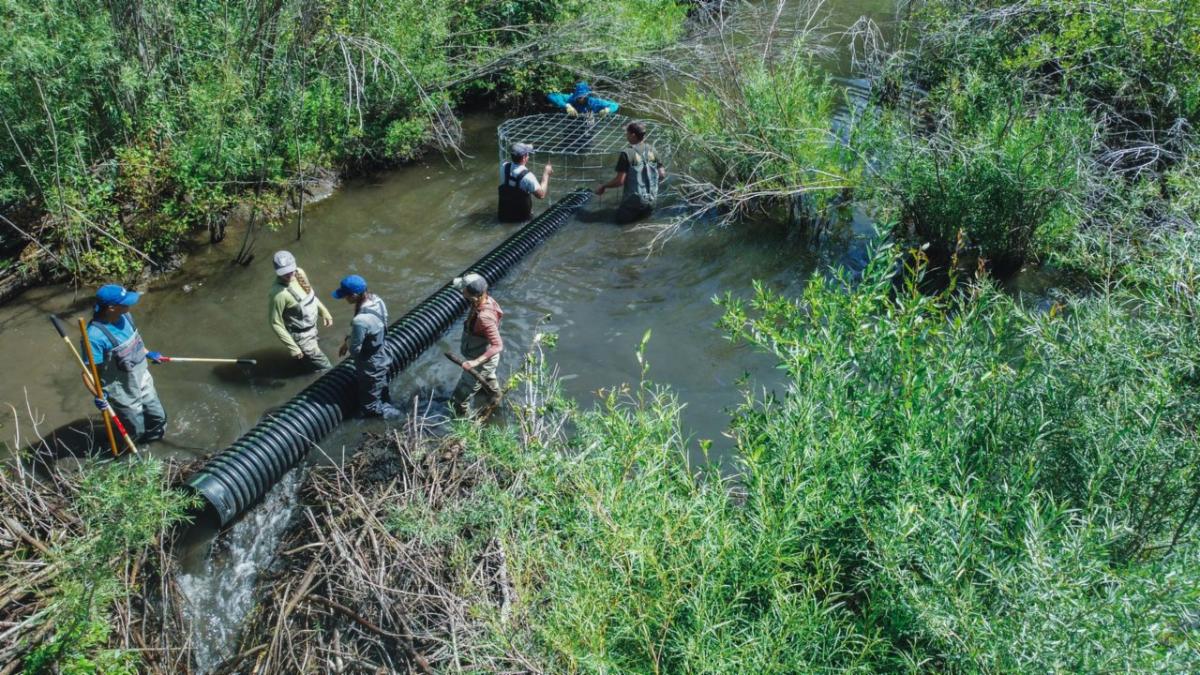
The expansion of Montana Beaver Conflict Resolution project got some coverage in the Montana Free Press. The story features wisdom from program team lead Elissa Chott and Fish, Wildlife & Parks' Region 2 nongame biologist Torrey Ritter, and you can read it here. Photo Credit: Tanner Saul

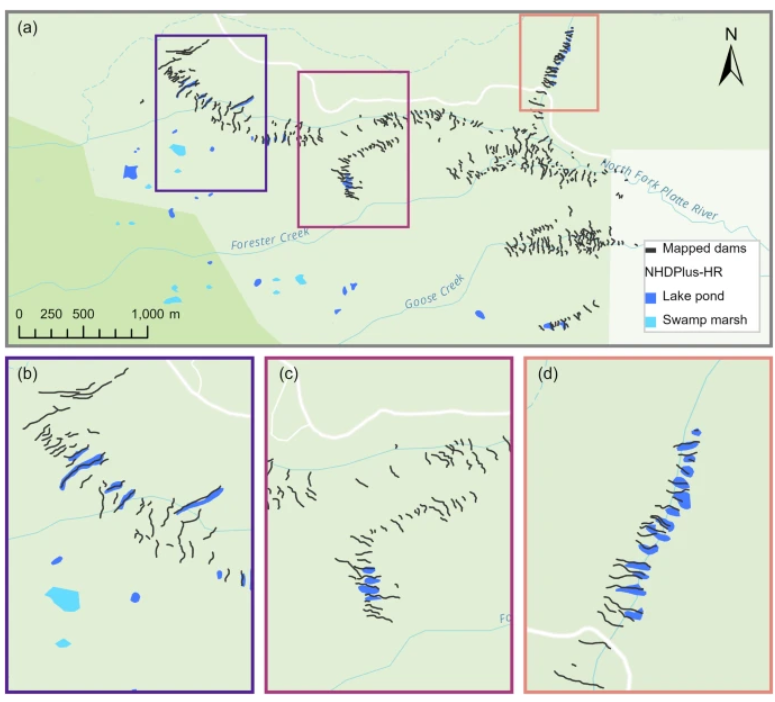
Every beaver pond is unique, but how, and why? And why does that matter for water storage? ImageCredit: Wan, L., Fairfax, E. & Maher, K. Factors influencing surface water accumulation in beaver pond complexes across the Western United States. Commun Earth Environ 6, 614 (2025). https://doi.org/10.1038/s43247-025-02573-x

Factors Influencing Surface Water Accumulation in Beaver Pond Complexes Across the United States

Luwen Wan, Emily Fairfax, and Kate Maher

Communications Earth & Environment

March 27, 2025


North American beavers build dams and ponds that alter streamflow, enhance floodplain water storage, and provide refugia during droughts and wildfires. But how do we explain what drivers of variations in the area that dams occupy? This new study found that dam length was the strongest covariate of pond area, while woody vegetation height and stream power index were also influential; together, these covariates explained 74% of the variation. These results provide an empirical foundation to inform site selection and prioritization for beaver restoration, supporting watershed management, climate resilience and ecological conservation strategies in regions with comparable data availability and landscape characteristics. You can read more about it here.

Opportunities

Please send us any beaver-related job or funding opportunities you want to promote here!

Photo Credit: Rob Rich

Please send photos, stories, upcoming events, opportunities, and other resources to:

Shelby Weigand - Riparian Connectivity Manager,

National Wildlife Federation

WeigandS@nwf.org


MT Beaver Working Group newsletters are posted online here.