|
Montana Messaging for Organizers
July 28, 2026
Top Question on the Ground:
How does the Trump administration's FY2027 budget make it harder for Montana communities to hold polluters accountable?
Answer:
Contamination doesn’t disappear when D.C. cuts a budget.
Montana is home to some of the nation's largest and longest-running Superfund sites. Many require decades of groundwater treatment, soil removal, water monitoring and engineering oversight. Even when responsible companies pay for cleanup, EPA scientists, engineers and project managers are still needed to oversee the work and protect our communities.
The administration’s proposed Environmental Protection Agency budget for next year reduces the agency's overall funding by more than half while cutting research, enforcement and state assistance. These cuts will reduce the workforce that inspects contaminated sites, monitors water quality, and ensures cleanup work is done correctly.
The budget also cuts water infrastructure funding by roughly 90% and reduces state and tribal environmental grants that support cleanup, monitoring and enforcement.
Montana communities deserve answers about whether the EPA will have the staff needed to keep its promises to Montana.
*****
COMMUNITY TALKING POINTS
1. Montana's Cleanup Projects are Still Underway
Montana has more than 20 active Superfund sites requiring ongoing federal oversight. Several of these projects are entering new cleanup phases while others require permanent monitoring and maintenance.
The EPA's proposed 2027 budget cuts the agency by more than half while reducing enforcement, scientific research and staffing that support Superfund oversight.
The question for Montana is simple. Who will finish the work? How many Region 8 project managers, engineers and scientists will remain assigned to Montana?
2. Cleanup Is a Commitment, Not a Construction Project
Montana's largest cleanup projects are entering decades-long phases that require continued federal oversight. The EPA recently proposed expanding residential cleanups in Butte, adding approximately 7,100 more homes to the project area, a plan expected to take 15 years.
In Libby, visible excavation has largely ended, but asbestos remains in parts of the community and requires ongoing property reviews, technical assistance and public health protections whenever contaminated ground is disturbed.
Heavy equipment eventually leaves and jobs evaporate. Corporate responsibility remains. Reducing EPA's capacity while expanding long-term cleanup commitments raises a simple question. Who will finish the job?
3. Let's Avoid Creating Future Superfund Sites.
Montanans have spent generations and billions of dollars cleaning up the pollution left behind by industries that promised jobs and prosperity and failed to pay the full cost of the damage they caused.
Massive data centers are expanding across Montana with enormous demands for land, water, electricity and new utility infrastructure. Without strong environmental oversight, accountability, and meaningful public participation, Montana risks repeating the same mistakes that created today's cleanup liabilities.
Our state should not weaken oversight while inviting new industrial development. The lesson of our Superfund sites is simple. It’s far cheaper to prevent contamination than to spend generations cleaning it up.
*****
CALLS TO ACTION:
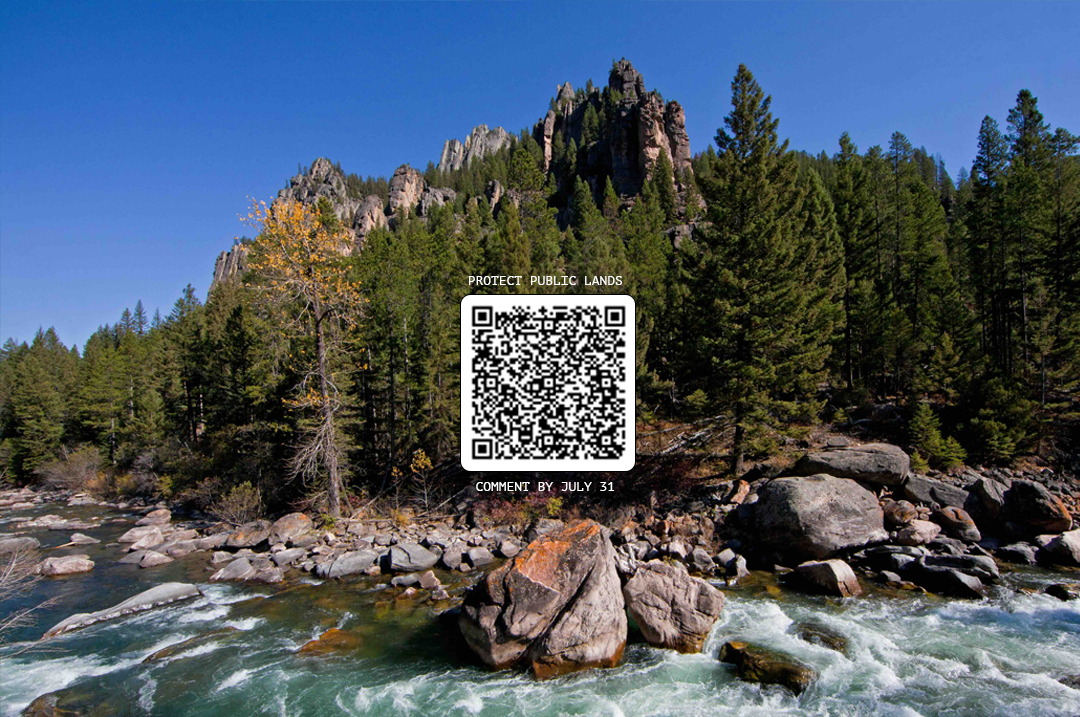
1. DEADLINE TO SUBMIT COMMENT ON USFS CHANGES IS JULY 31.
The Forest Service is proposing changes that would sharply reduce when the public gets to comment on policies governing our public lands. Montanans should have more opportunity to participate in decisions about them, not less. Submit public comment on new USFS policies to limit public oversight before July 31, 2026.
A public comment may feel like one small act. Thousands of people taking that small act together is how communities protect what belongs to all of us.
2. Support Communities Living With Pollution.
Superfund sites are not someone else's problem. Communities across Montana continue living with contamination created generations ago. Every Montana community deserves safe drinking water, clean soil and healthy streams.
As Congress considers the FY2027 budget, pay attention to how proposed EPA staffing levels could affect cleanup work in Montana, and how cuts will affect drinking water standards and irrigation districts. Ask leaders whether active projects in Butte, Billings, East Helena, Libby, Neihart and other communities will remain fully staffed and on schedule.
Montanans deserve clear answers about the future of these cleanup projects before Congress finalizes the budget.
3. Hold Leaders and Corporations Accountable
Ask elected officials whether they support maintaining EPA's ability to oversee Superfund cleanups in Montana. Responsible companies should be held accountable for cleanup. Federal agencies should have the staff and expertise needed to enforce those agreements.
Montana's cleanup commitments should not become another promise left unfinished. Call your Representatives and demand accountability.
Tell them that the people who live here, work here, raise families here, and build communities here deserve a healthy future. Leave your name. Ask for a clear response. Follow up.
Key Contacts
Governor of Montana
Governor Greg Gianforte — (406) 444-3111 (Helena)
U.S. Senate (Montana)
Senator Steve Daines — Washington, D.C. Office: (202) 224-2651
Senator Tim Sheehy — Washington, D.C. Office: (202) 224-2644
U.S. House of Representatives (Montana)
Representative Ryan Zinke (MT-01) — Washington, D.C. Office: (202) 225-5628
Representative Troy Downing (MT-02) — Washington, D.C. Office: (202) 225-3211
Sample Call/Email Script
“Hello, my name is [NAME], and I’m calling from [TOWN]. Please do not abandon Montana communities still living with the legacy of industrial pollution. Reject the FY2027 EPA cuts and protect the cleanup projects, water infrastructure and environmental oversight Montana depends on.”
*****
|