July 2023

Volume 3, Issue 4

Make A Donation

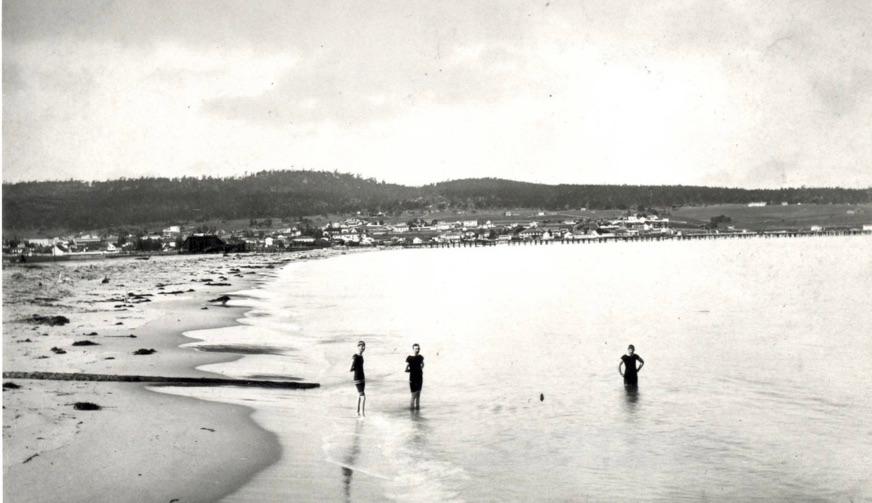
Monterey Panorama

Taken from Bathhouse Pier, 1883

President's Desk

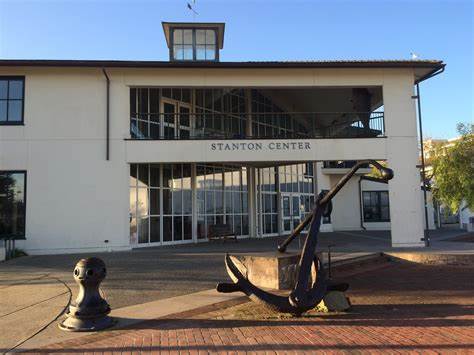
Progress Report on Stanton Center


Continuing with our report on the ongoing changes at Stanton Center.

Please stop in when you get a chance to see the changes. Since our last

report:


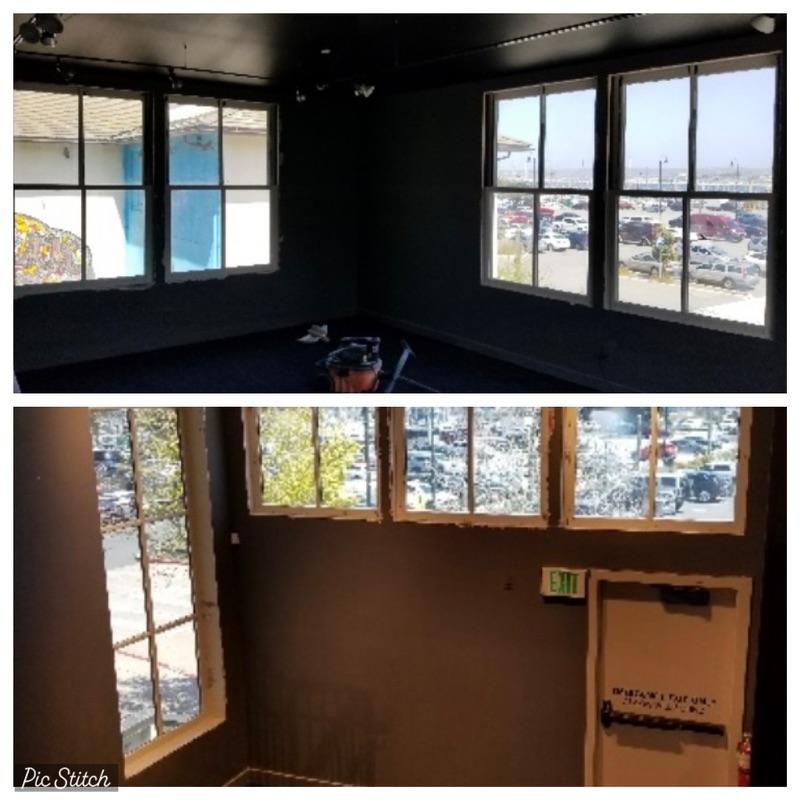
  • Many of the changes made to Stanton Center for the Dali exhibition resulted in covering windows to create gallery space. Some of these changes are being reversed to restore the natural lighting designed into the building by Robert Stanton. The windows re-exposed are in the stairwell leading to the 2nd floor and in an area on the second floor that was once the MHAA Board Room.


  • Work in Stanton Auditorium on the sound system, stage lighting and projection system has been completed and the auditorium is being booked for numerous events.


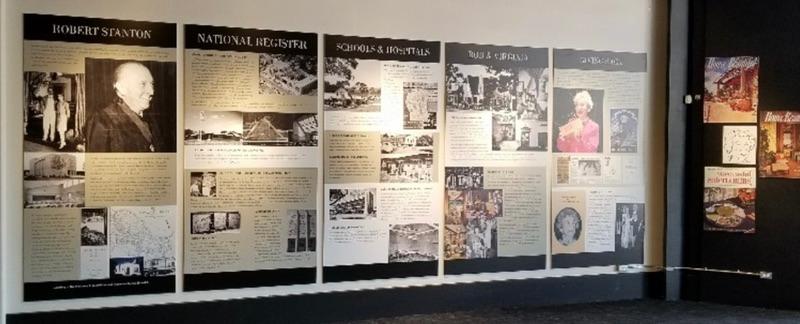
  • A new exhibition has been installed on the first floor of Stanton Center. The exhibit highlights the contributions of Robert and Virginia Stanton to the Monterey community. The exhibition was designed and assembled by Kent Seavey.


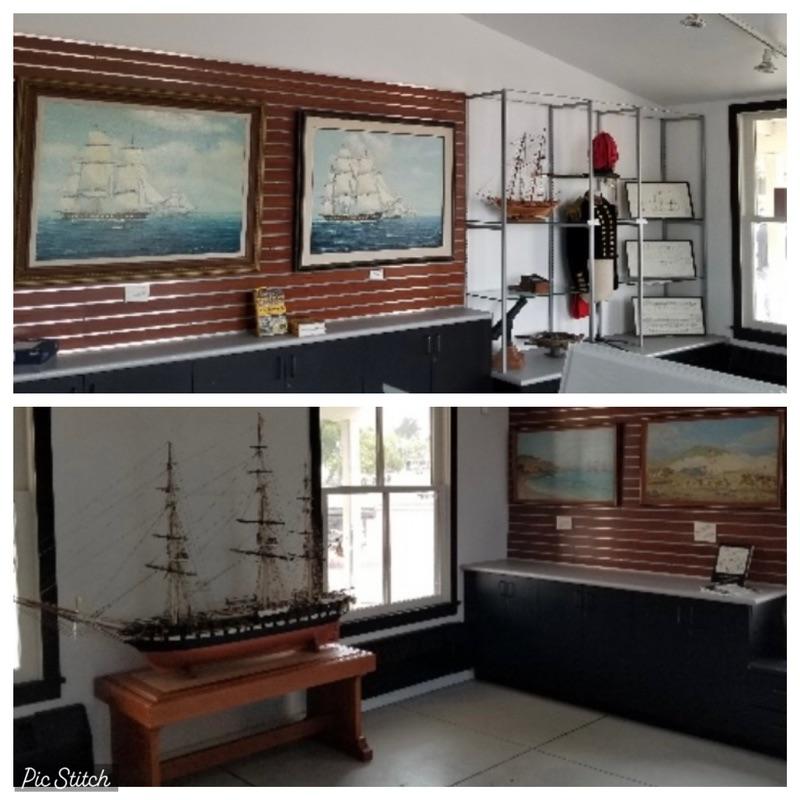
  • We have also developed an exhibit of paintings and other items to commemorate Sloat’s landing on July 7th, 1846. The exhibit and a video featuring Thom Diggins on view in the Stanton auditorium are replacing the outdoor reenactment event. Thom Diggins was the master of ceremonies for the reenactment event in past years.


- Gary Spradlin, President, Monterey History and Art Association

The Museum Stairway Windows Before and After

The Robert and Virginia Stanton Exhibit

Sloat's Landing Exhibit at MHAA at Stanton Center

Monterey People


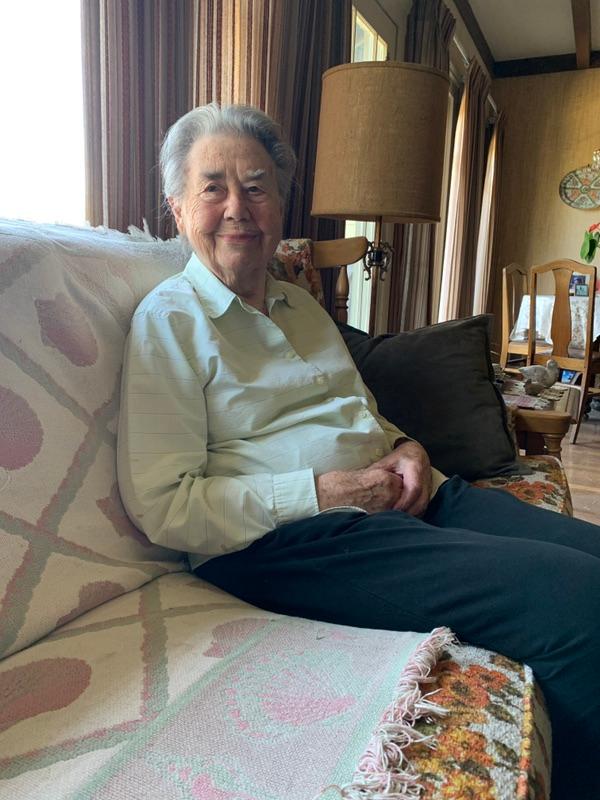
Betty Scheurer Flause


Born in 1927 at Casa Pacheco in Monterey, which was a maternity hospital at that time, Betty Scheurer Flause lives in a house not far from where she grew up on her parents’ chicken farm. There were actually a few chicken farms in Monterey at that time near her parent’s farm, also near Lake El Estero and a couple in Pacific Grove. In addition, there was a turkey farm in Monterey and a pig farm in Del Rey Oaks.


Betty’s parents immigrated from Germany. Her father originally went to Canada, but found the weather too harsh and made his way to the United States and ultimately Monterey. Her mother came to New York first and then Carmel where she was a housekeeper for the Flanders for a short period.


Betty attended Del Monte Elementary School and then Monterey High School where she learned to swim in the indoor swimming pool. Betty enjoyed school, but activities at the high school were limited because the country was involved in World War II. She remembers black out curtains in use at night, school dances were not held, and

gas was rationed so few cars were on the road especially at night.


Betty went to high school with her future husband, Robert Flause, but it wasn’t until they were both in college that their romance blossomed. Betty earned her nursing degree from Stanford University and spent several years at the Dormody Hospital in Monterey, which today is the building across from the Monterey Post Office. Betty continued later in life to volunteer at CHOMP with the Auxiliary.


Robert Flause was from a family that had roots in the Monterey area as well. His father, Magnus Flause took over operations from his father-in-law, George Harper at the Monterey Canning Company beginning in the 1940s through the 1950s. Harper had built the cannery with A E Allen, but Harper later bought out Allen. The company was eventually forced to shut down due to low fish yields.


Betty continues to live an independent life. She feels fortunate to have spent her life in Monterey.


If you have a friend or relative that would like to share their story about living in or around Monterey, please contact Monterey History and Art Association at MHAA.org1931@gmail.com

VIDEO PRESENTATION


The Bridges of Southern Monterey County – Tuesday, August 15, 1:30 – 3:30 at Casa Serrano


Members and their friends are invited to a lecture/video presentation at Casa Serrano on Tuesday, August 15, starting at 1:30 p.m. The Bridges of Southern Monterey County is the topic; the speakers are John and Karen Jernigan of King City and Howard Strohn of San Ardo. All three are members of the San Antonio Valley Historical Association and specialize in the history of South County, in particular the Jolon and Lockwood area.

John took an interest in the bridges after the floods on the Salinas River this year. He was able to study historic photos from the Lou G. Hare collection at the Monterey County Historical Society in Salinas. Mr. Hare was a county surveyor around the turn of the century and was involved in the building and photographing of bridges around the county. The bridges were integral to the social and commercial fabric of the small communities along the river. The slide show will feature bridges starting at the Pacific Ocean and moving south in the upstream direction of the Salinas River. Karen Jernigan is a former news reporter for the King City Rustler.

Howard Strohn currently lives in San Ardo. He served several years as president of the Big Sur Historical Society and 14 years as president of Historic Mission San Antonio.

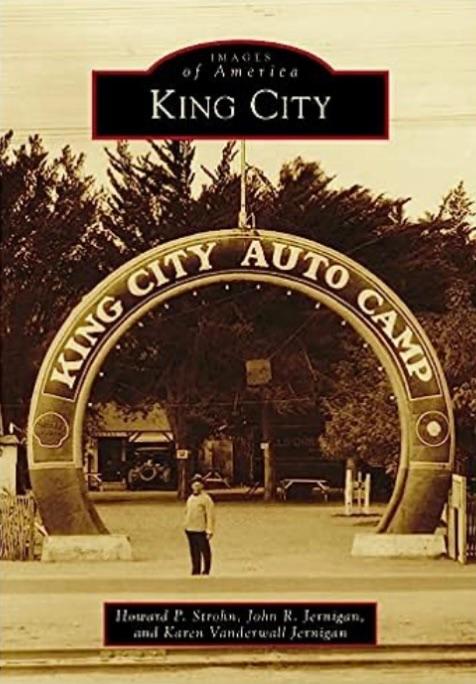
Howard recently worked with the Jernigans to write the “King City, Images of America” book that was published last year by Arcadia Publishing. Copies of the book will be available for sale at this event.

Reservations are required.

RSVP by calling 831-647-8621.

Cost is $10 for non-members at the door; it is free for MHAA members.

Peninsula Diary


Mayo Hayes O’Donnell wrote this issue on August 4, 1960, highlighting just one of many interesting events to occur in August of 1864.

The Californian


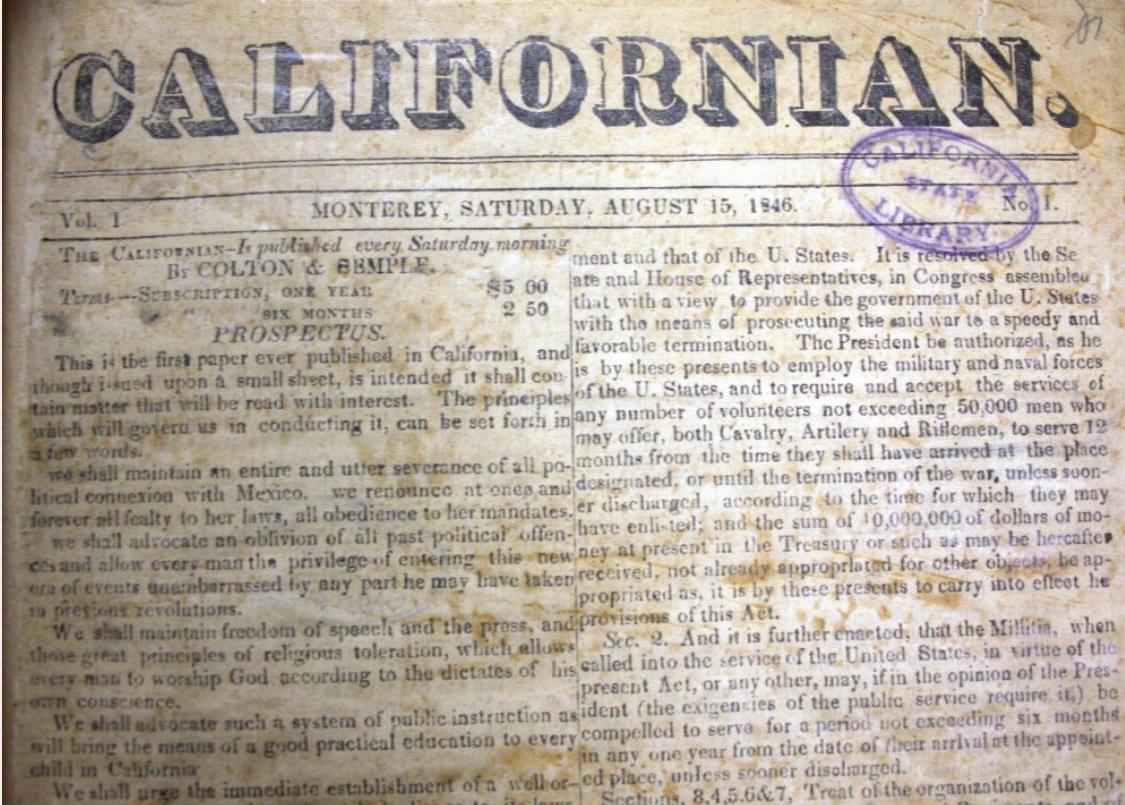
August was an interesting month in Monterey in 1846 for the reason that it was the birth month of California’s first newspaper, the Californian, born on August 15, with the Rev. Walter Colton and Robert Semple as the publishers.

There appeared a prospectus as one of the features of this new paper, which Colton later admitted in his diary, "Three Years in California,” was written by himself. It stated that further issues would appear every Saturday.

Colton wrote: "Little did I think when relinquishing the editorship of the North American in Philadelphia, that my next feat in this line would be in California. My partner is an emigrant from Kentucky, who stands six feet in his stockings. He is in a buckskin dress, a fox skin cap; is true with his rifle, ready with his pen, and quick at the type case.”

Colton gives Semple further credit for the success of the first issues of the Californian. He reports that Semple created the materials of the office out of a chaos of a small concern, which had been used by a Catholic monk in printing a few religious tracts. The press was old enough, he declared, to be used as a curiosity. The type was rusty and all mixed up. It was only by washing and scouring that the letters could be made to show their faces.

The process of preparation for printing the paper continues: "A sheet or two of tin were procured, and these, with a jack-knife, were cut into rules and leads. Luckily there had been found with the press a keg of ink; and then came the main stretch - the search for paper. None could be found, except what had been used to envelope the tobacco of the cigar smoked here by the natives of that time. A coaster in the harbor supplied a small amount of this. It was in sheets a bit larger than what was known as foolscap.” And Colton wrote: "And this is the size of our first paper, which was christened the Californian.”

Though small in dimensions, this first number was as full of news as a black walnut Is of meat, Colton wrote in his diary.

"We have received by couriers, during the week, intelligence from all the important military posts through the territory. Very little of this has transpired; it reaches the public for the first time through our sheet. We have, also, the declaration of war between the United States and Mexico, with an abstract of the debate in the Senate. A crowd was waiting when the first sheet was thrown from the press. It produced quite a little sensation. Never was a bank run upon harder; not, however, by people with paper to get specie, but exactly the reverse. One-half of the paper is in English, the other in Spanish. The subscription for a year is five dollars; the price of a single sheet is twelve and a half cents; and is considered cheap at that.” So ends Colton’s notations for the first issue of the Californian.

On Saturday, August 22, Colton again wrote: “Our little paper, the Californian, made its appearance again today. Many subscribers have sent in their names since our last, and all have paid in advance. It is not larger than a piece of foolscap, but this foolscap parallel stops, I hope with the shape. Be this as it may, its appearance is looked for with as much interest as was the arrival of the mail by the New Yorkers and Bostonians In those days when a moon waxed and waned over its transit.”

Among the collection of old newspapers owned by the Monterey History and Art Assn, and on loan to the Custom House for public display are two copies of the Californian. A copy of that historic publication - the first newspaper published in California dated Oct. 24, 1846, was presented by Everett Graff of Chicago. He bought it from John Howell of San Francisco, having seen that, at the time he visited Monterey, there was no copy of the paper on exhibit here. He presented it to the association and that organization had it framed.

Another copy of the Californian - an original issue dated Dec. 12, 1846 - is also at the Custom House on loan from the History and Art Association.

California's First Newspaper

COMING SOON –

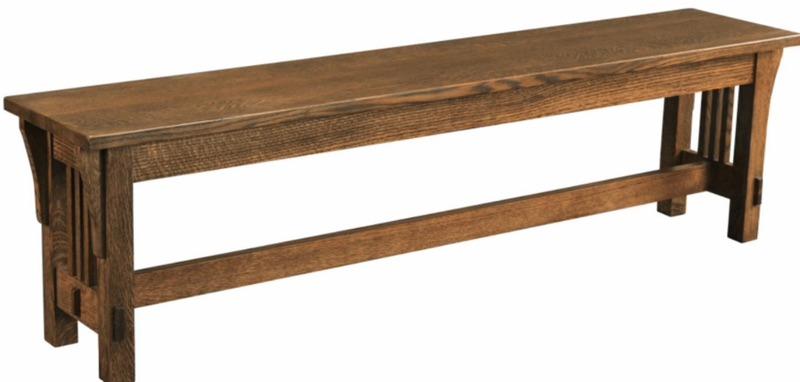
NEW GALLERY BENCHES FOR STANTON CENTER


Twelve new quartersawn white oak benches will be arriving ~late September to replace our tired “red lips” sofas in all the galleries.

The benches are in 2 sizes – three 4 feet and nine 5 ½ feet. An option will be available (small additional cost) to add a commemorative brass plaque. Four of the benches have already been purchased by MHAA members.

Please consider supporting MHAA through the purchase of a bench. Prices are $854 (4 ft.) and $1004 (5 ½ ft.). For more information, please call 831-647-8621.

MONTEREY HISTORY and ART ASSOCIATION

ANNUAL MEMBERS MEETING


MHAA will be holding the Annual Members Meeting in early October at Stanton Center. The Board has not chosen a date yet but will send the meeting notice and proxy via email to streamline the process. If you prefer to receive these items via regular USPS mail instead, please email us at click here to opt out of the email.

Library News


Our longtime volunteer, Eleanor Avila, retired in June. We will miss her welcoming presence, cheerful nature, competency and reliability. Visitors to the library will remember her detailed displays on Monterey History and Art in the entryway display cabinet. She will continue helping the library with cataloging and other work where we need her expertise. THANK YOU Eleanor, for your years of service.

 
P.O. Box 1082
Monterey California, 93942
montereyhistory.org
Contact Us
LinkedIn Share This Email