|
July - August 2026
Volume 6, Issue 4
| | |
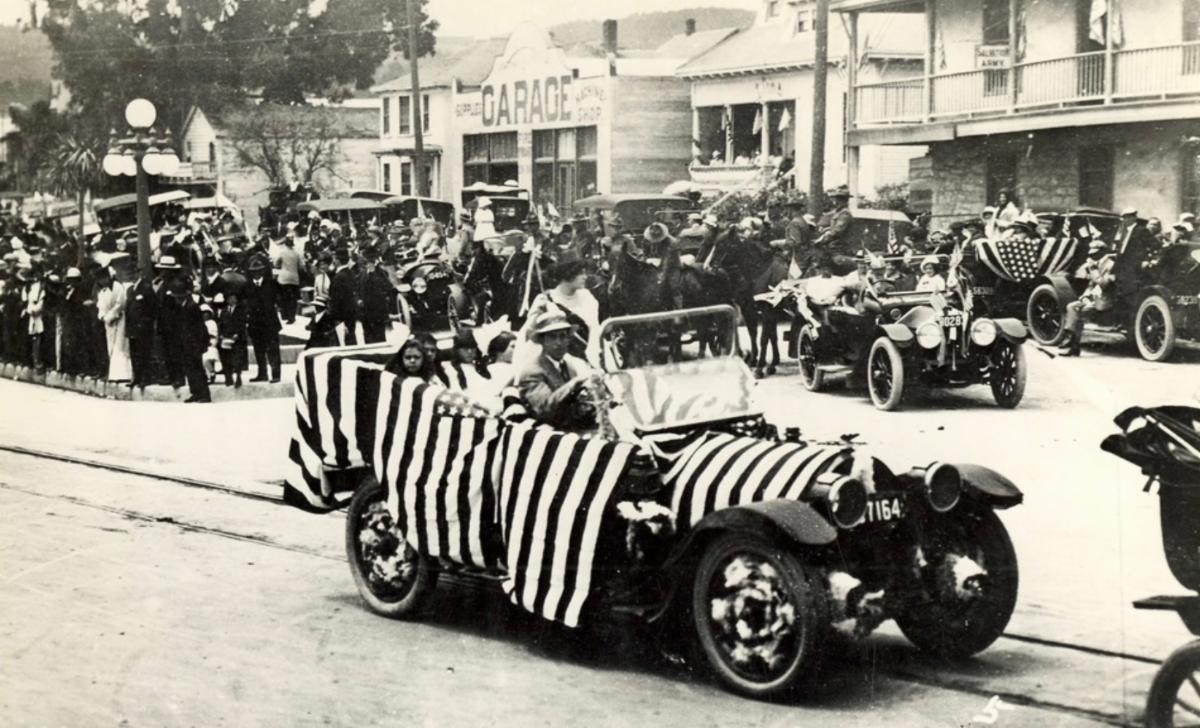
Monterey Parade July 4, 1914
Driver is Arthur Carroll Robinson who ran the Bagby Theater 1900's - Pacific Street
| |
250th Anniversary Exhibitions
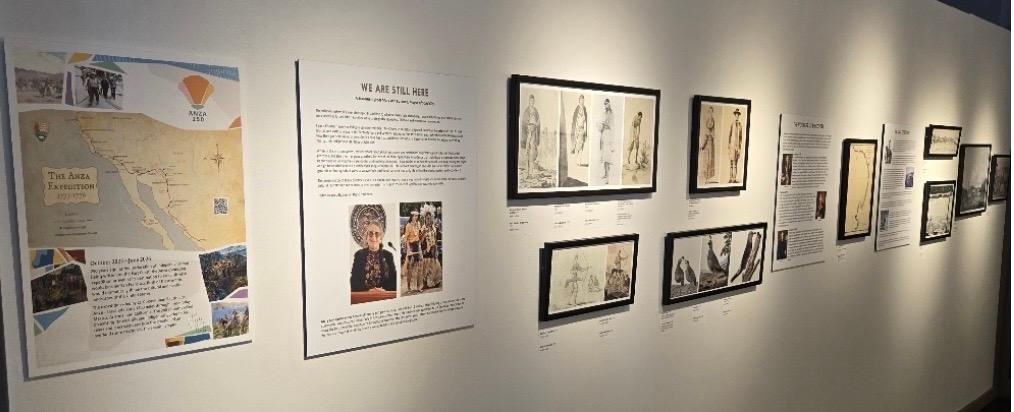
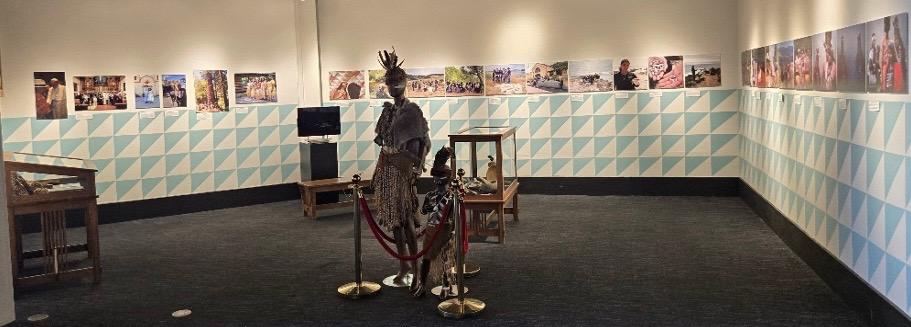
At Stanton Center MHAA is featuring two exhibits relating to events 250 years ago. The Anza Expedition of 1775–1776 marked a turning point in the history of Monterey and the broader Alta California region. Led by Juan Bautista de Anza, the expedition brought hundreds of settlers, soldiers, and families into the area, establishing a permanent Spanish civilian presence that dramatically reshaped the cultural and political landscape. For the Rumsen Ohlone and Esselen peoples, whose ancestral homelands encompassed the Monterey Peninsula, the arrival of the expedition accelerated a period of profound disruption. Spanish settlement introduced new systems of land use, governance, and religion that clashed with Indigenous lifeways. The establishment of missions and presidios brought forced labor, displacement from traditional territories, and exposure to European diseases that devastated local populations. While the Anza Expedition is often celebrated for expanding Spanish influence and securing overland routes to California, its legacy for the Native communities of Monterey was one of loss—of autonomy, of cultural continuity, and, for many, of life itself. Yet despite these hardships, the descendants of these communities continue to preserve their heritage, reminding us that the story of Monterey is inseparable from the resilience of its first peoples.
The Ohlone exhibition is situated on the ground floor of Stanton Center and the Anza exhibition is displayed on the second floor.
-Gary Spradlin, President, Monterey History and Art Association
| | |
The Serrano Family
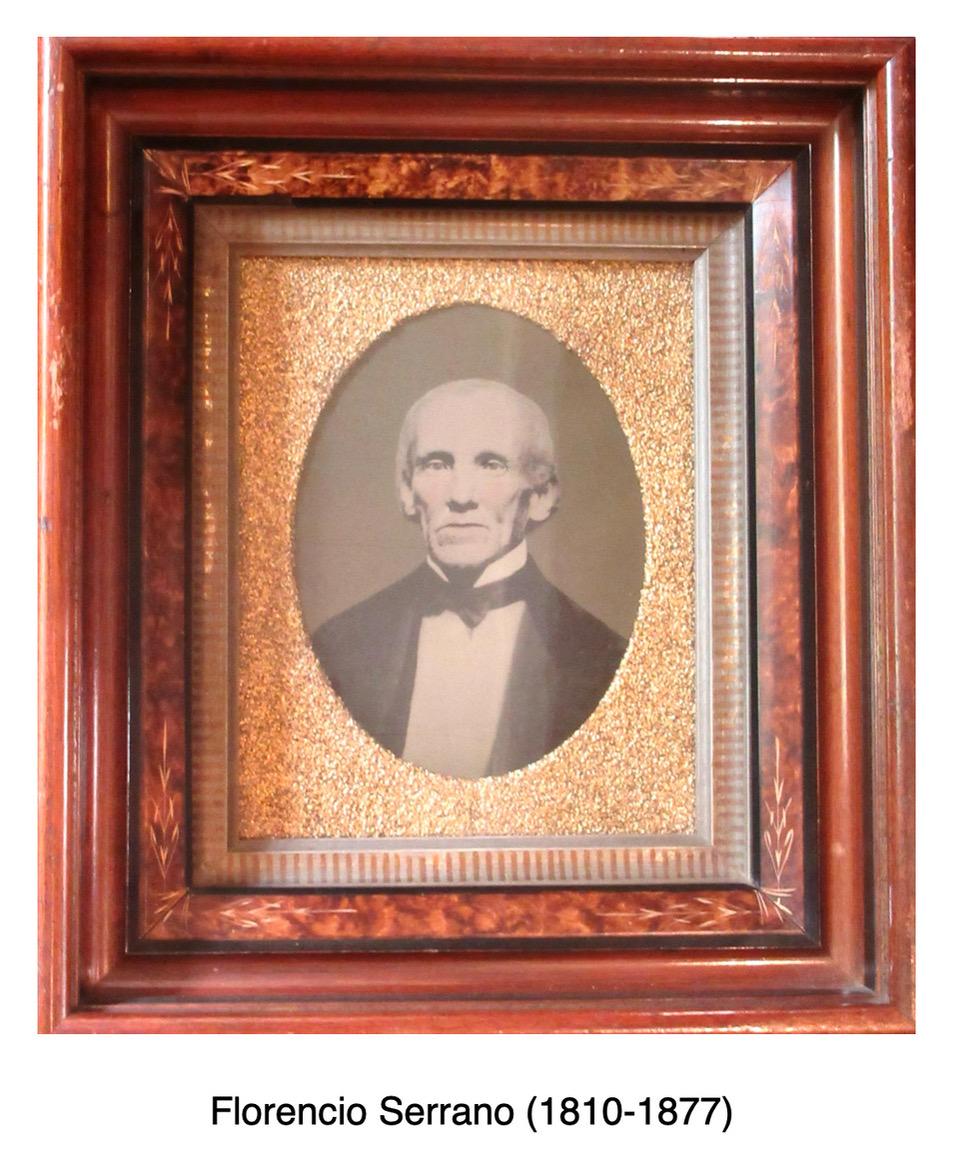
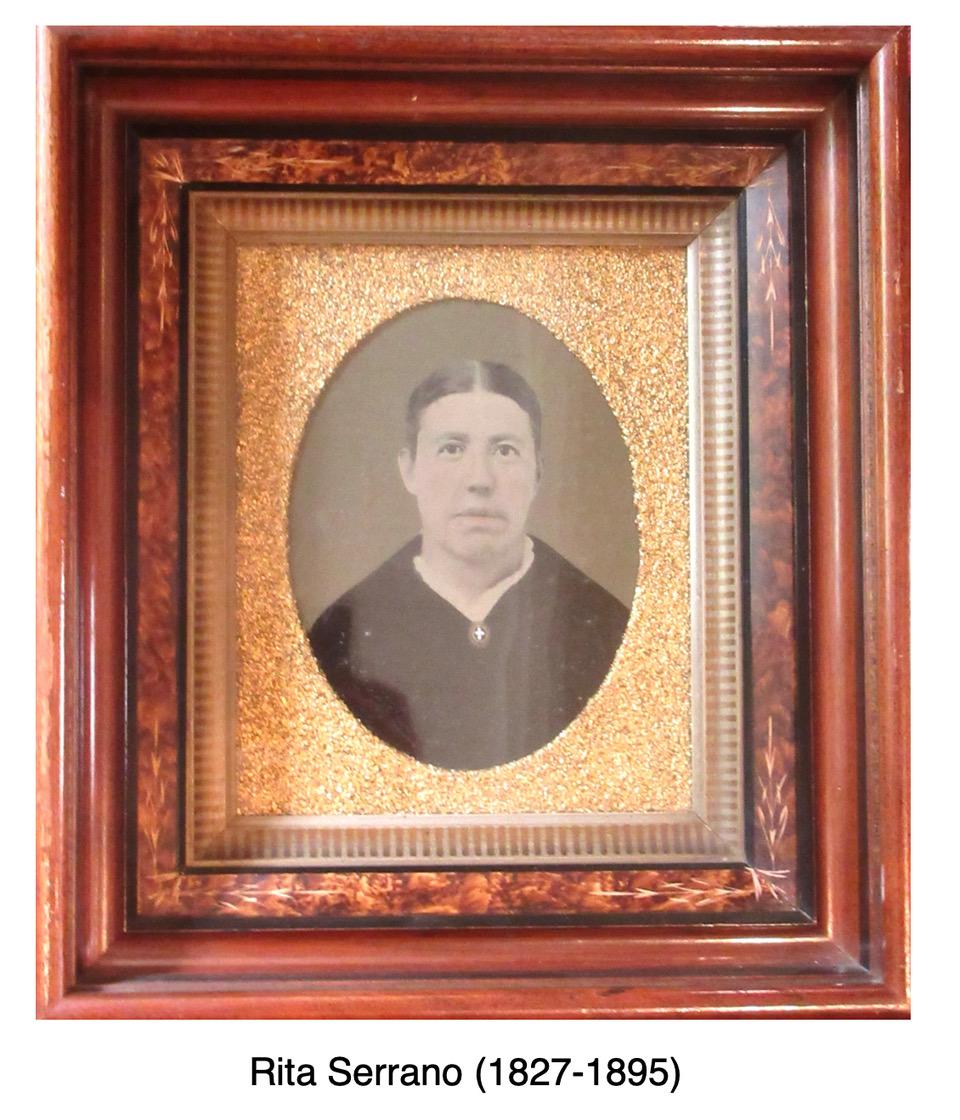
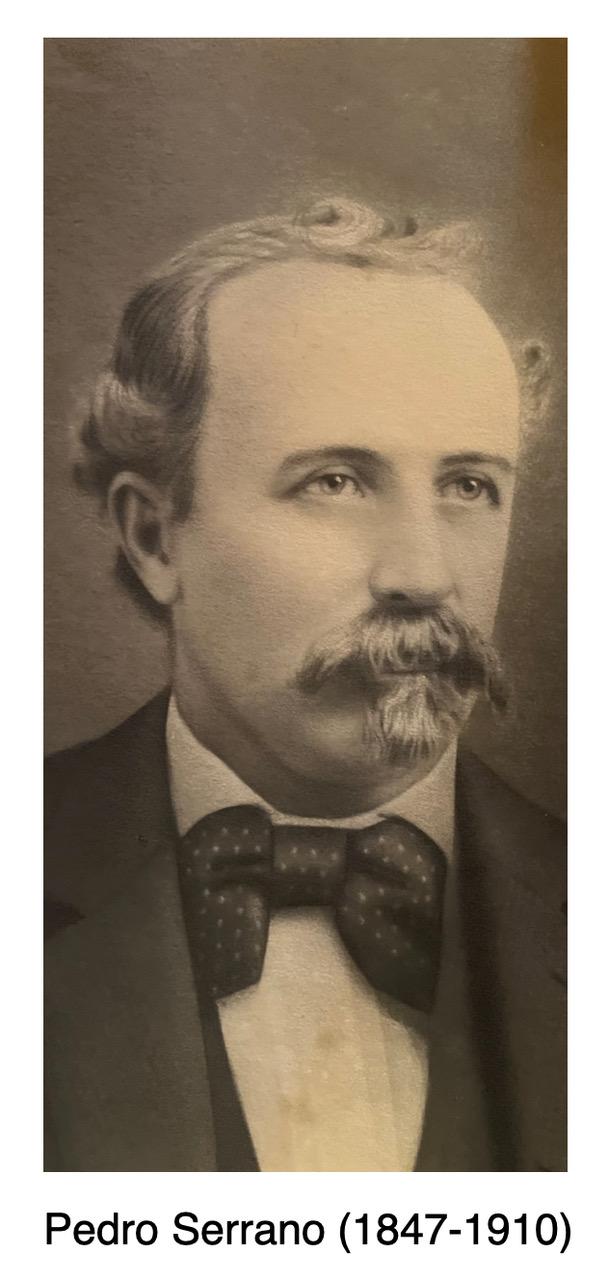
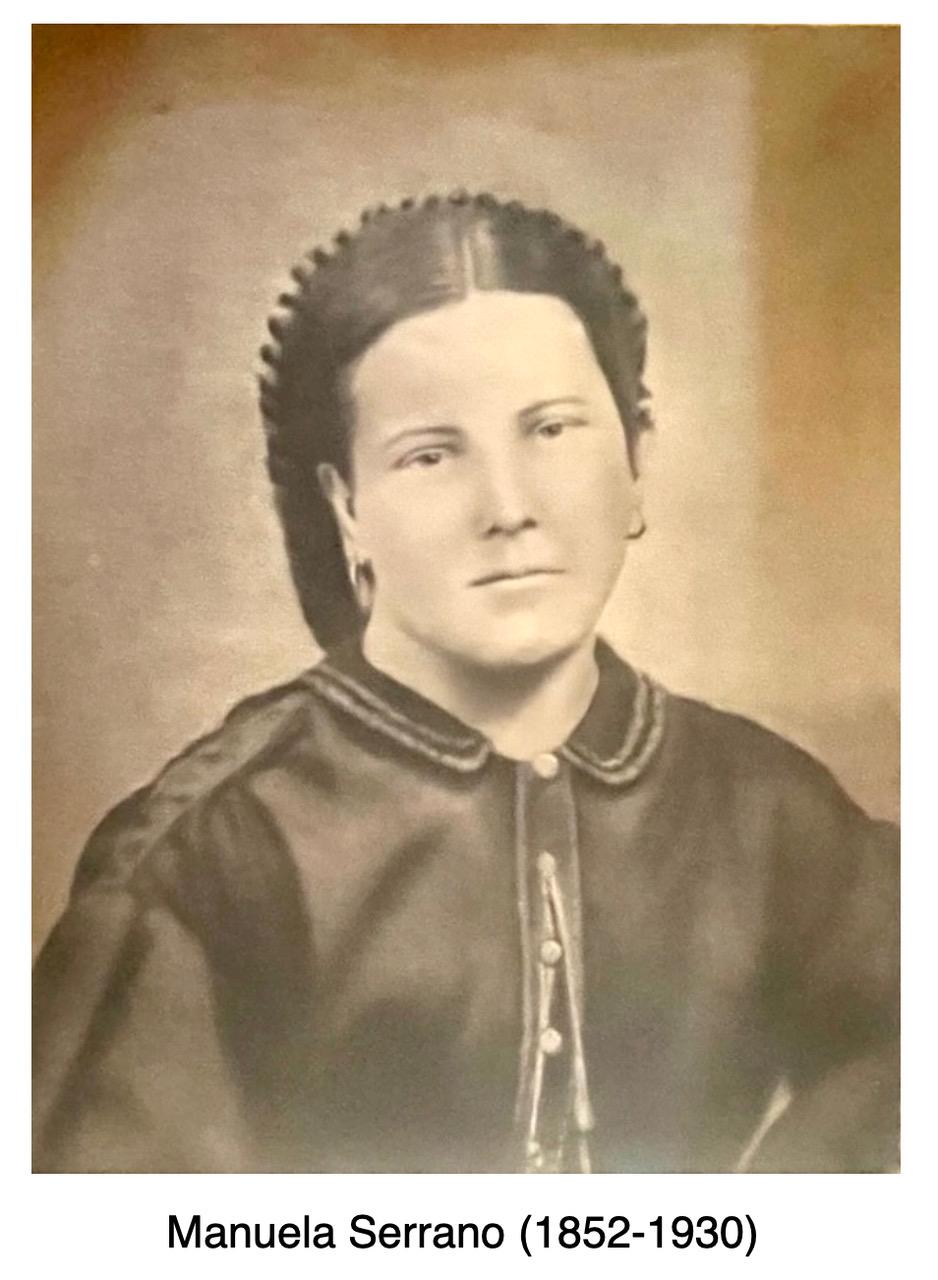
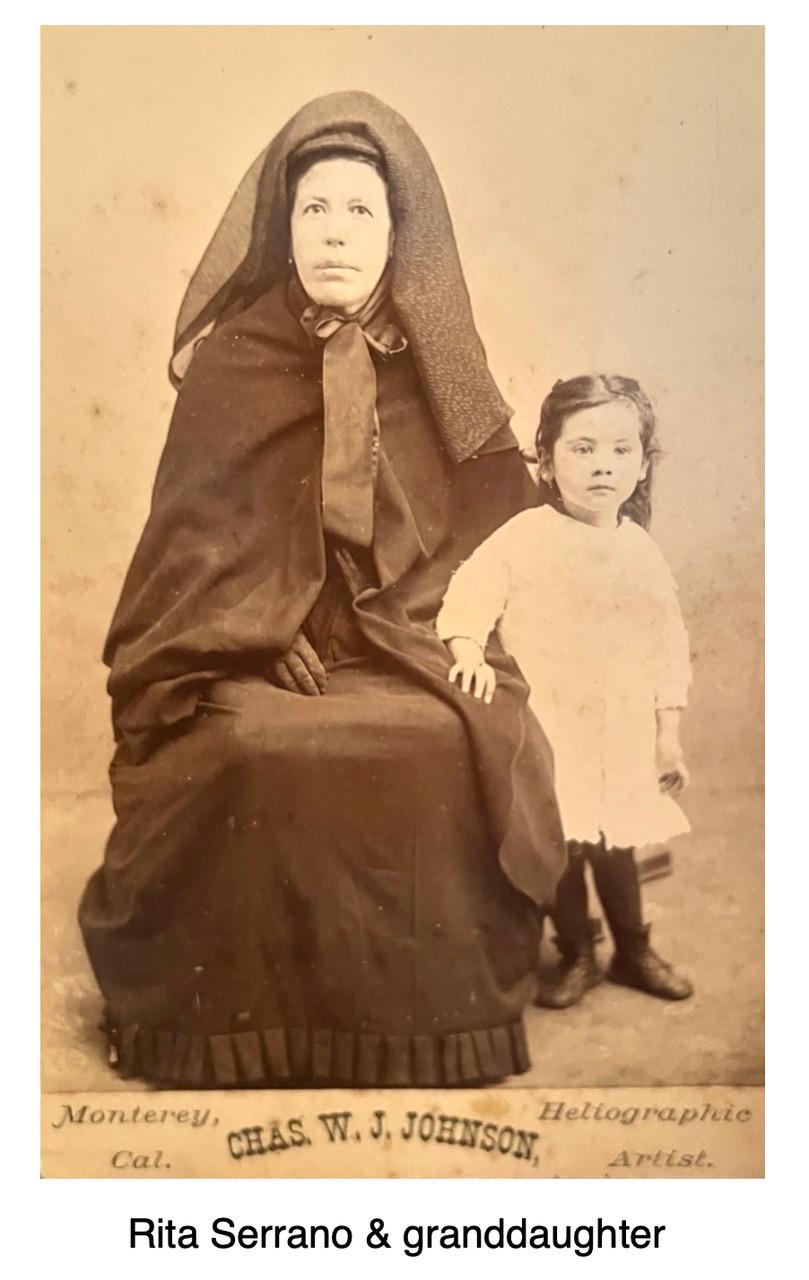
In 1975 the Monterey History & Art Association received a donation of Serrano family photos & letters from native born San Franciscan William Stanley Davis (1910-1996). At that time Mr. Davis was a partner in the CPA office of Davis and Ehrman in SF’s Merchants Exchange Building @ 465 California Street. In the MHAA’s June 1975 Noticias one learns “a gift of historical value has been received from W. Stanley Davis of San Francisco. In a small cardboard box were found a group of old photographs including portraits of Rita de la Torre Serrano and her children who lived in our own Casa Serrano, and a treasure trove of handwritten letters dated from 1851 to 1870. These were written mainly from Antonio Carvajal in Mexico City to his uncle Florencio Serrano in Monterey. They are now gradually being opened and laid flat so that some Spanish scholar may translate them.”
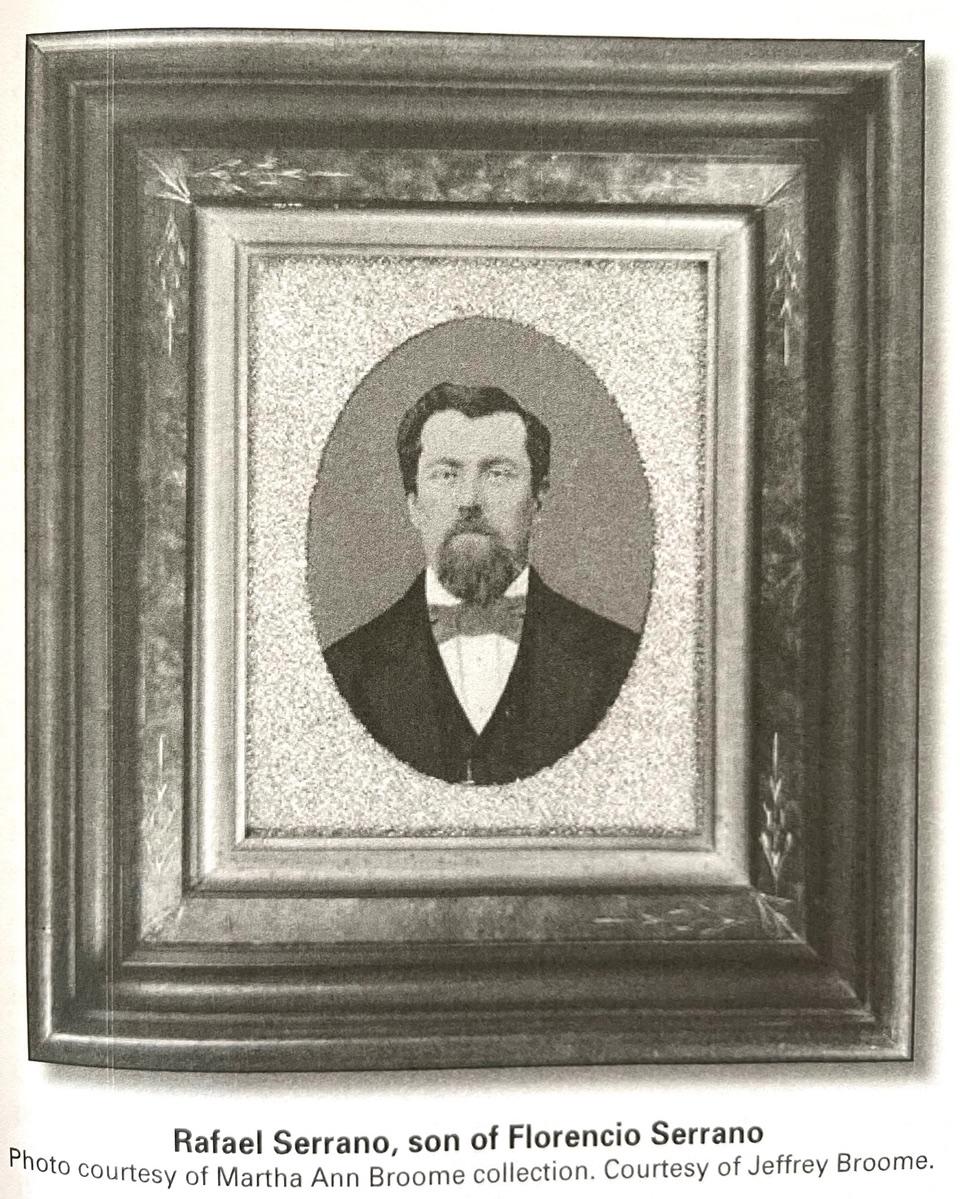
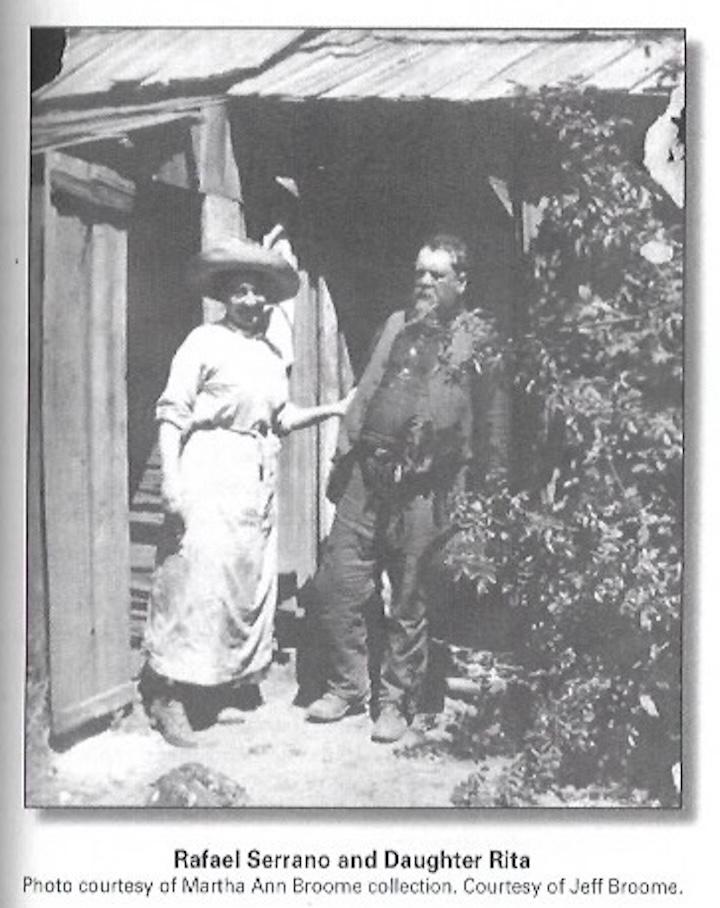
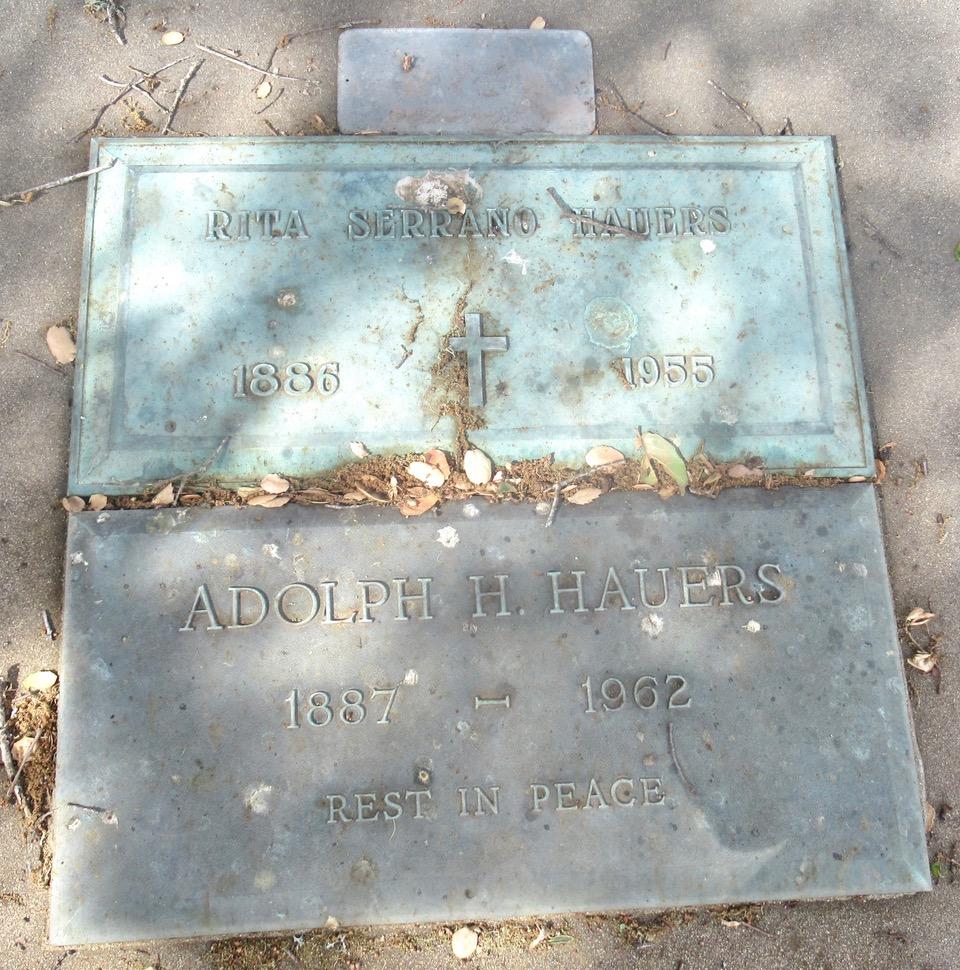
How W. S. Davis came into possession of the Serrano archive is a mystery. One possible explanation is that he came into contact with Adolph Henry Julius Hauers & his wife Rita Serrano Hauers. Rita was the daughter of Rafael & Juana Serrano (her father Rafael was the 2nd son born to Florencio & Rita Serrano). Perhaps Mr. Davis & his wife Lenora met the Hauers as both lived in SF’s Richmond district. The Davis residence was located @ 678 26th Avenue & the Hauers home @ 328 16th Avenue.
Back to Casa Serrano…
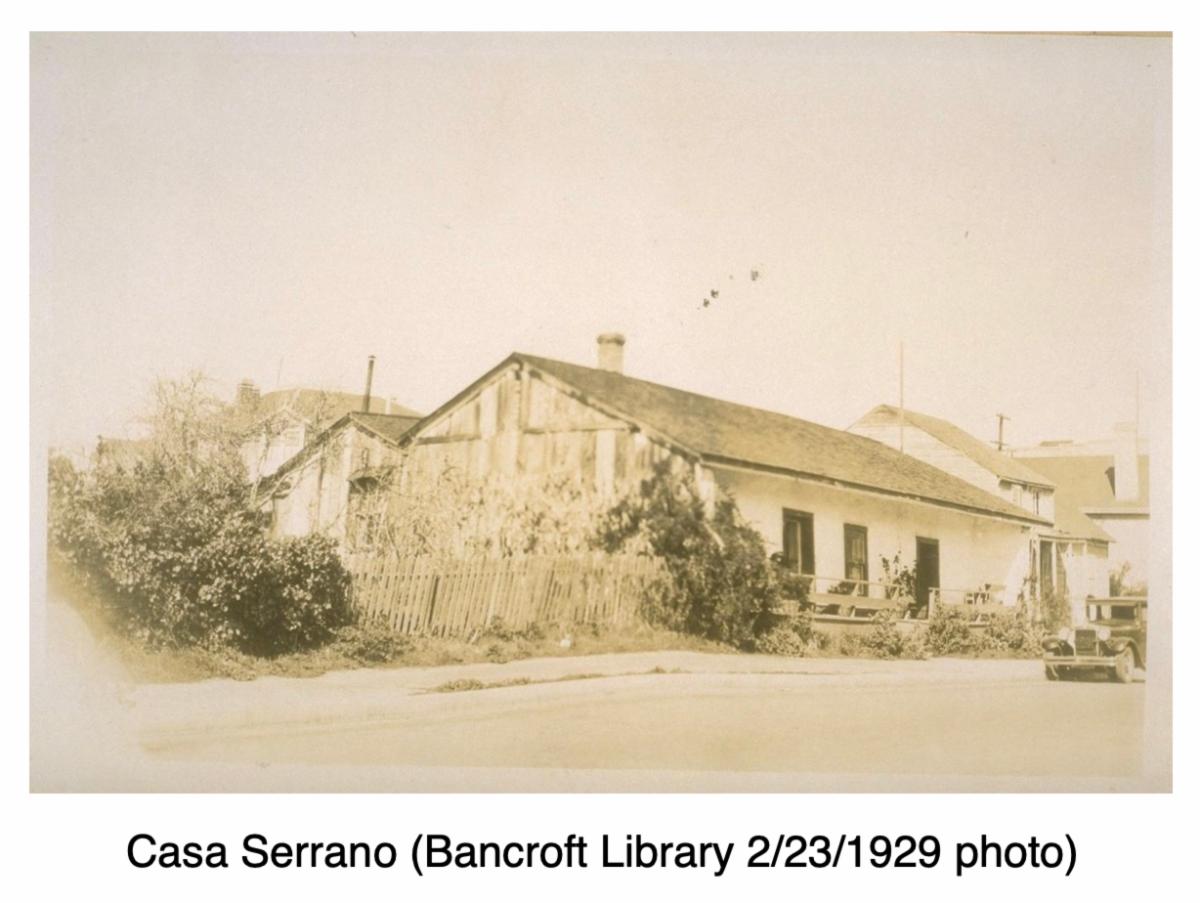
Construction of the graceful adobe was begun in 1840 by John Chamberlain, a 25 year old Irish American blacksmith. The next year on June 3rd, 1841, he sold the house for $525 to Thomas O. Larkin, who added a third room, wooden floors, and glass windows. The one story adobe featured a bedroom, a sala or main room, the newly added 3rd room, an attic, and a corredor along the street side of the building. On January 8, 1846, Larkin sold the house for $1300 to Florencio Serrano, who taught school in the El Cuartel building and later in this house. Serrano, who was born in Mexico in 1810, had arrived in Monterey in 1834 as a member of the Híjar-Padrés Company from Mexico. He was well educated & became a prominent figure in Monterey. Serrano married Rita de la Torre on July 18th, 1845 at Monterey's San Carlos Cathedral. They raised six children (5 sons & 1 daughter): Pedro, Rafael, Mojines, Manuela, Joaquin & Florencio. Serrano became a merchant, schoolteacher, and judge. He succeeded Walter Colton as Monterey's alcalde (mayor) during the early American period. The family continued to live in the house until the 1930s. Then it was leased to assorted restaurateurs, the most popular of which was Cademartori's from 1932-1947.
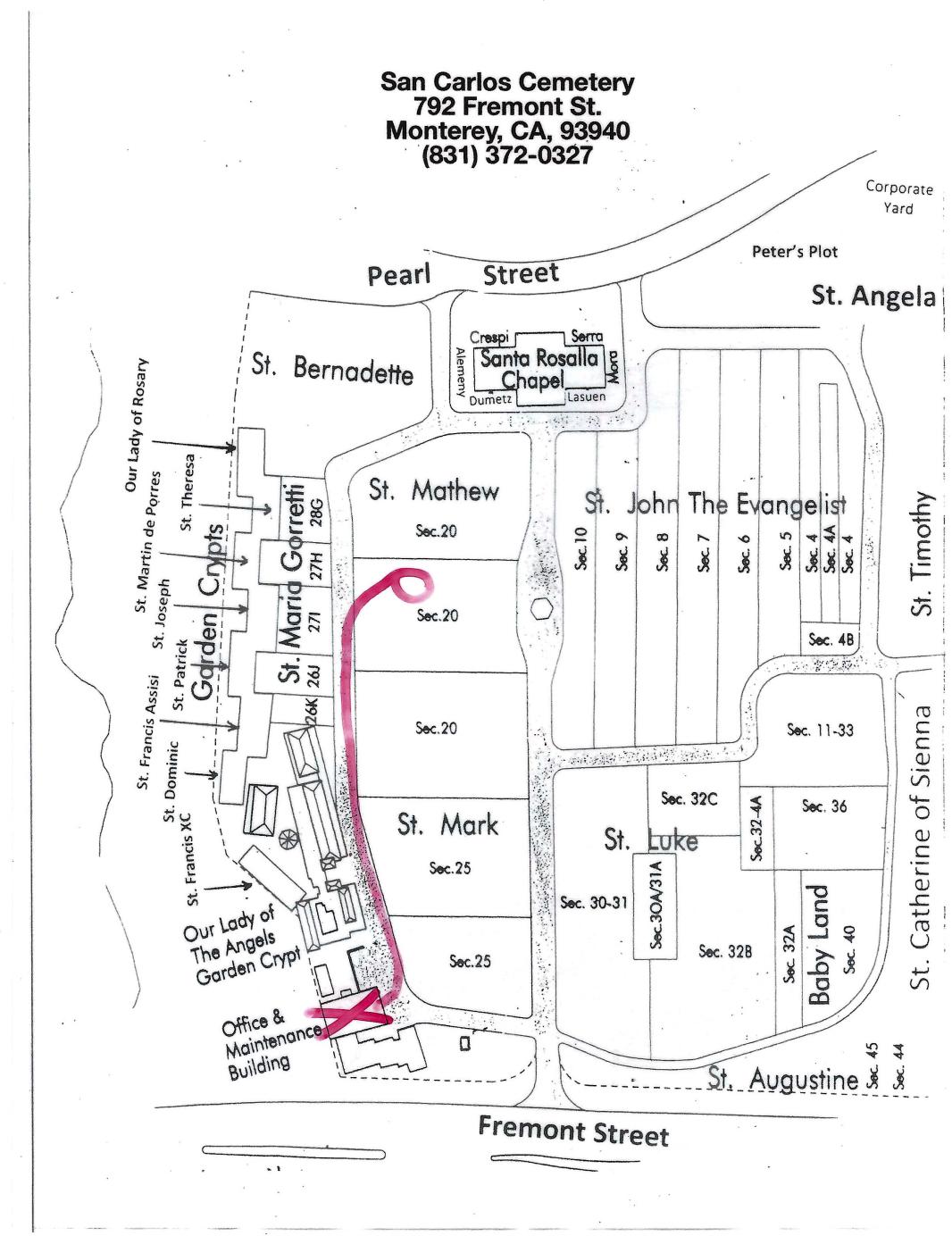
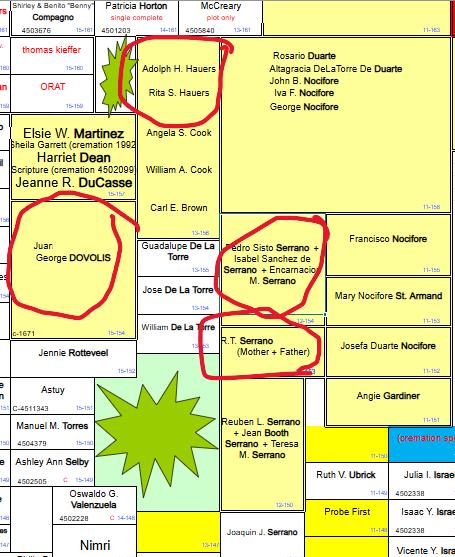
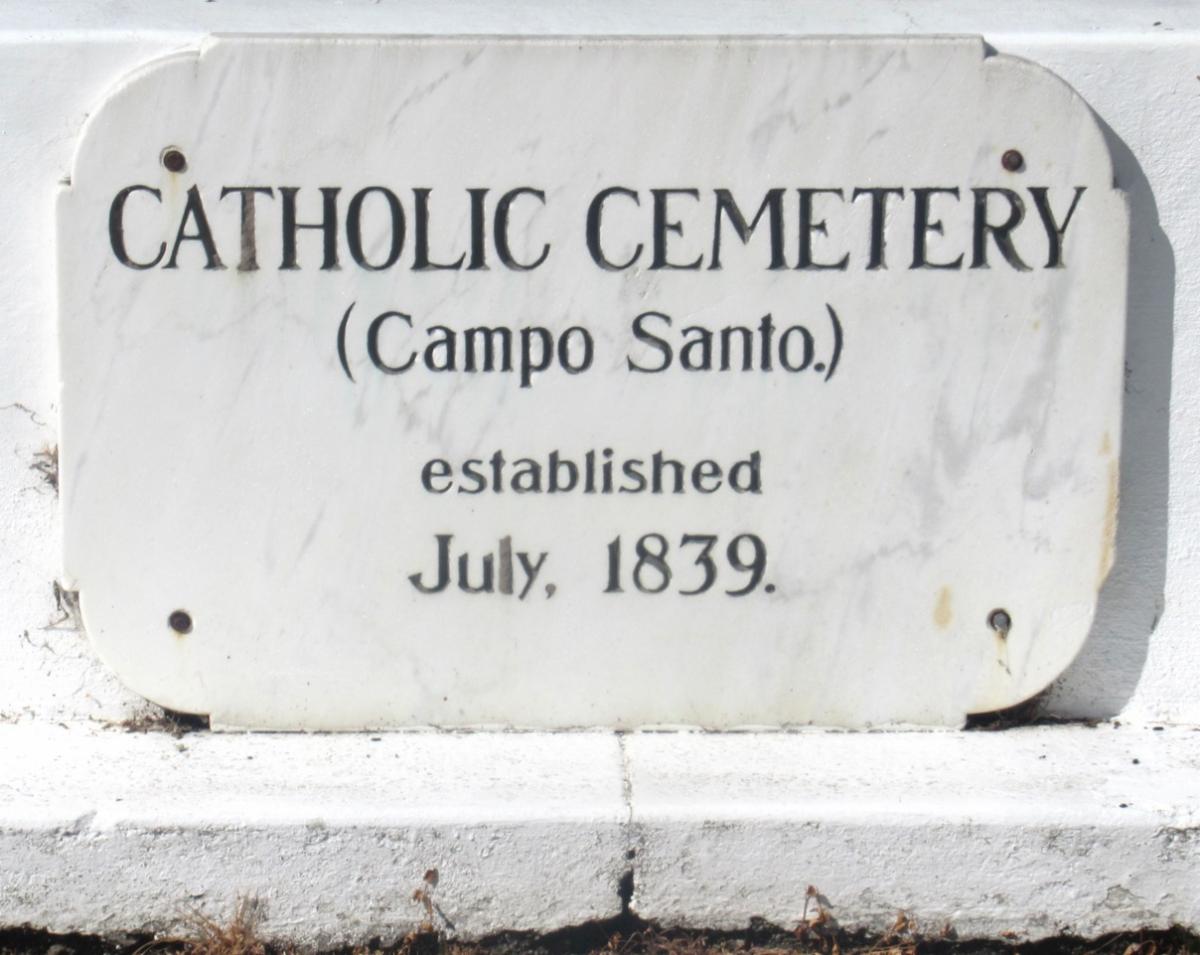
Many generations of Serrano family members are buried in Monterey’s San Carlos Cemetery (Campo Santo established in July 1839). Florencio who died in 1877 & Rita in 1895 are believed to be buried there but current cemetery records can not confirm this & no grave markers have been found. Rita’s obituary in the January 19, 1895 Monterey Cypress reads “Mrs. Rita F. De Serrano, a native of California, died at the residence of her daughter, Mrs. G. Rico on Sunday the 13th after a lingering sickness of several months. The deceased was the mother of Rafael and Pedro Serrano and Mrs. G. Rico, all of whom are at present highly respected residents of Monterey. She was closely related to a number of our well known Spanish families and leaves a large circle of friends to mourn her loss. The deceased was 67 years, 8 months and 29 days of age at the time of her death. The funeral took place from the Rico residence on Tuesday last at 3 o’clock and was largely attended. The remains were placed to rest in the Catholic cemetery. We offer our deep sympathy to the family of the deceased in their sad bereavement.”
Some photos in the Davis gift are identified & shown in this article but many are unknown. If anyone has knowledge of the Serrano family members or their residences, please contact us @ homeagain@pacbell.net
Michael Mazgai
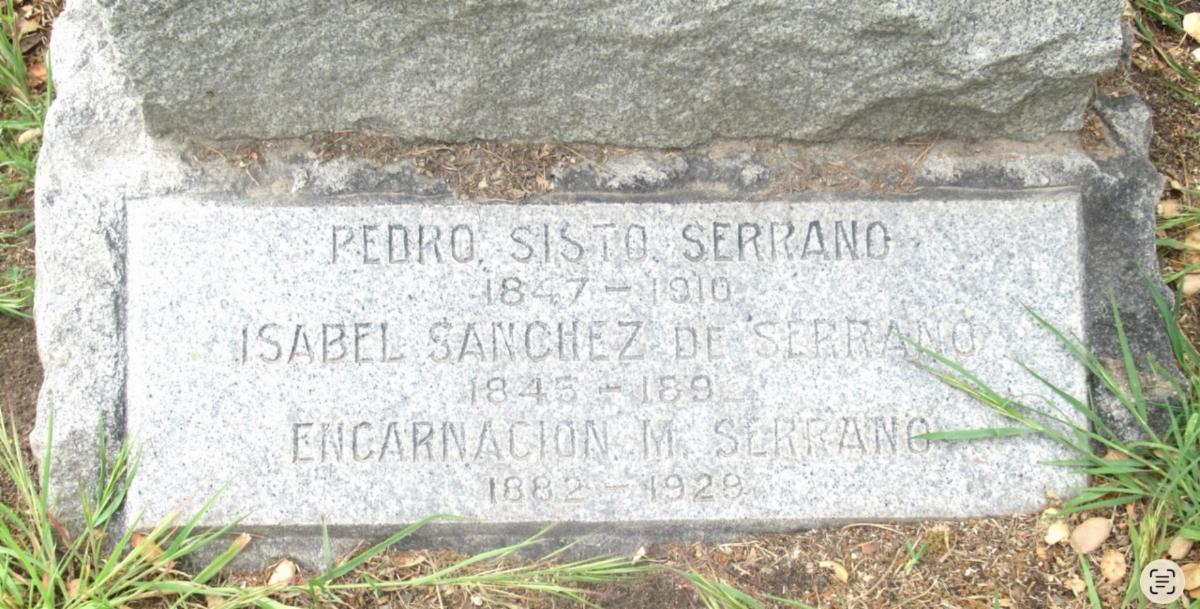
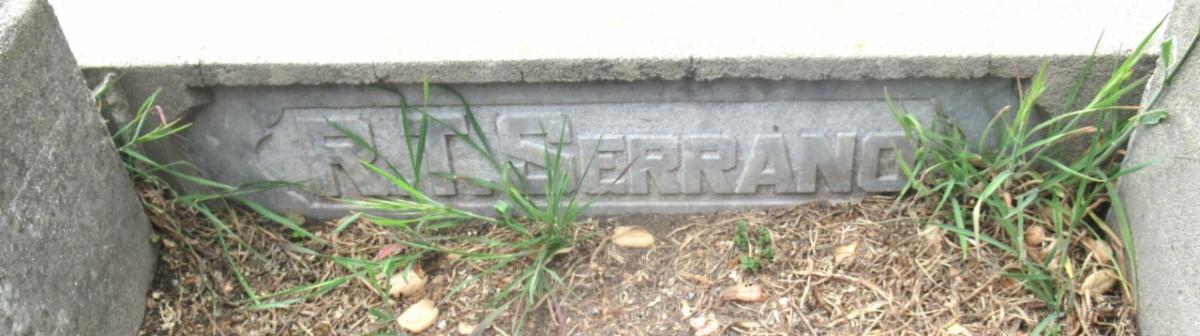
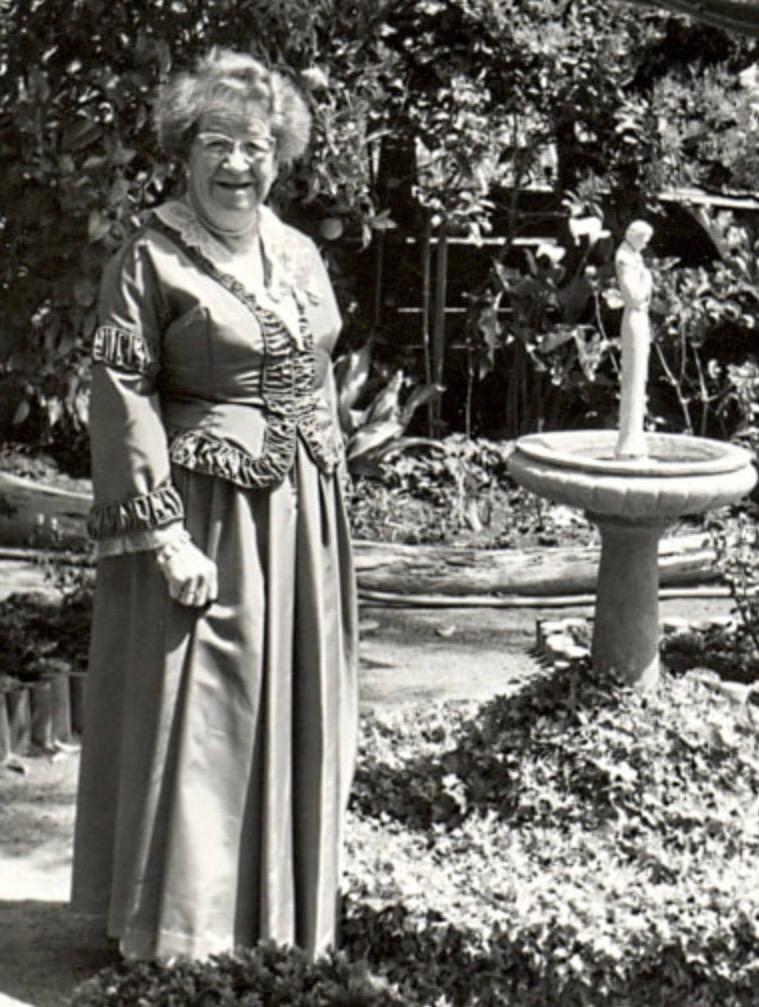
| | Map to the Serrano gravesites (courtesy of San Carlos Cemetery) | Serrano gravesites (Courtesy of San Carlos Cemetery) | 1839 San Carlos Cemetery/Campo Santo (photo credit article author) | Pedro Sisto Serrano (photo credit article author) | Rita Serrano Hauers (1886-1955) (photo credit article author) | | R.T. Serrano (1849-1914) (Photo Credit article author) | | |
Local People
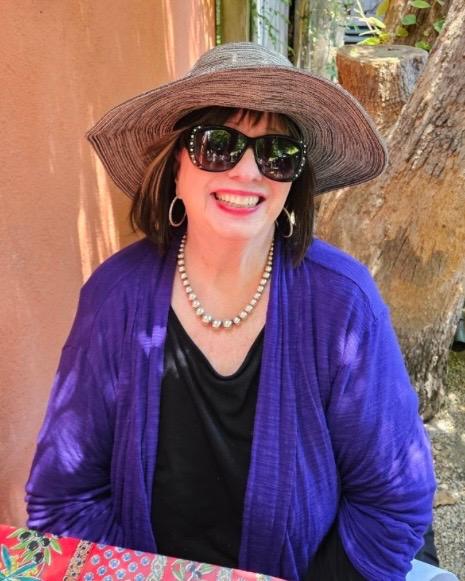
Wendy Brickman
From Museums to Marketing: Wendy Brickman's Passion for History and Heritage.
Wendy Brickman, owner of Brickman Marketing in Monterey since 1990, is passionate about Monterey’s history and heritage. She has loved visiting museums around the U.S. and the world throughout her life. Her husband was a history major in college, and her family loved traveling and studying history as well.
Wendy has enjoyed working with historic organizations such as Monterey History and Art Association, Old Monterey Foundation, Monterey County Historical Society and the Native Daughters of the Golden West – Junipero Parlor 141. Last year, as President of Fisherman’s Wharf Association she put together a fascinating 450-photo online exhibit about Old Fisherman’s Wharf Through the Decades – 1845-2025 which also features numerous images from MHAA’s Mayo Hayes O’Donnell library. Wendy also has worked with many cultural and informative festivals and events including La Merienda, Festa Italia, Turkish Arts and Cultural Festival, Whalefest Monterey and the Monterey County Fair and others.
Over the past 35 years, Wendy’s firm, Brickman Marketing, has represented a wide range of clients including numerous festivals, lectures and other events, attractions, art museums, artists, authors, theaters, shopping centers, restaurants, retailers, and a variety of associations and non-profit organizations.
Wendy has taught at California State University Monterey Bay and Golden Gate University as well as giving many other marketing presentations. She has hosted a monthly television program for years interviewing remarkable people from the Monterey Peninsula. She arranged the monthly Brown Bag seminars for 25 years for the Monterey Peninsula Chamber of Commerce with great speakers on a variety of business topics. She was co-producer of the TV program, “Monterey on Tonight” and also produced the “Brickman Banter TV program” and the “Lawyers on the Line” radio program.
She holds an M.B.A. in Marketing/Management from Loyola Marymount University in Los Angeles, an M.A. in Broadcast Journalism from the University of Southern California, and a B.A. in English from the University of California at Berkeley. She is a graduate of Leadership Monterey Peninsula and Leadership Santa Cruz County and is the winner of four Business Excellence Awards from the Monterey Peninsula Chamber of Commerce and a 1999 Small Business Advocate of the Year Award from the California Chamber of Commerce and a 1999 Robert C. Littlefield Award from the Monterey Peninsula Chamber of Commerce. Wendy was selected as the 2008 Woman of the Year by the Professional Women's Network of the Monterey Peninsula, and as one of the Top Women in Monterey County in 2009 by the Monterey County Commission on the Status of Women.
According to Wendy Brickman, "I encourage everyone to make room for a little more history, art, music, and culture in their lives. Exploring and appreciating these treasures has brought me tremendous joy and enriched my life in countless ways, and I hope others will discover that same sense of wonder and inspiration."
If you have a friend or relative who would like to share their story about living in or around Monterey, please contact Monterey
History and Art Association at MHAA.org1931@gmail.com
| | | |
Peninsula Diary
Mayo Hayes O’Donnell
Mayo discusses Monterey’s first 4th of July in this article published in the Monterey Peninsula Herald on January 31, 1967.
Monterey’s Glorious 4th
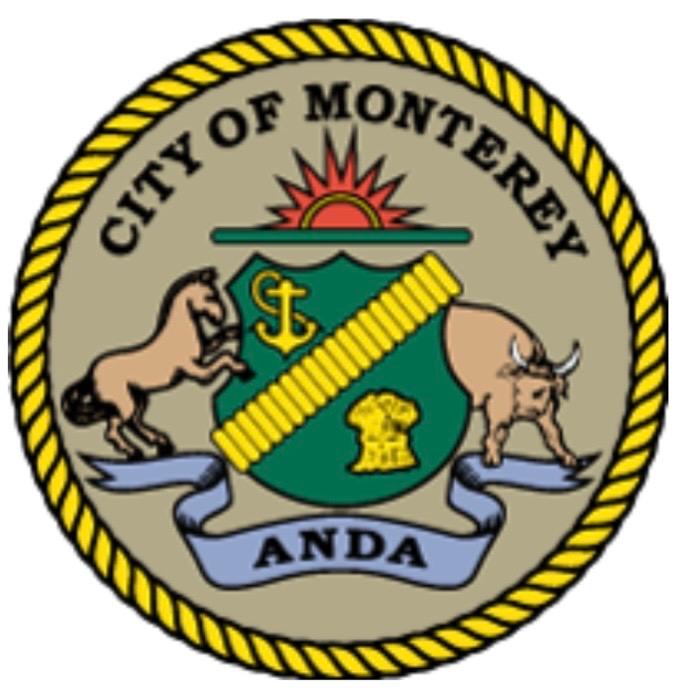
The city seal of Monterey was first used in 1850 for the Fourth of July celebration, the first observance of that national holiday after the Constitutional Convention held in Monterey at which the constitution was drafted and signed on October 13, 1849.
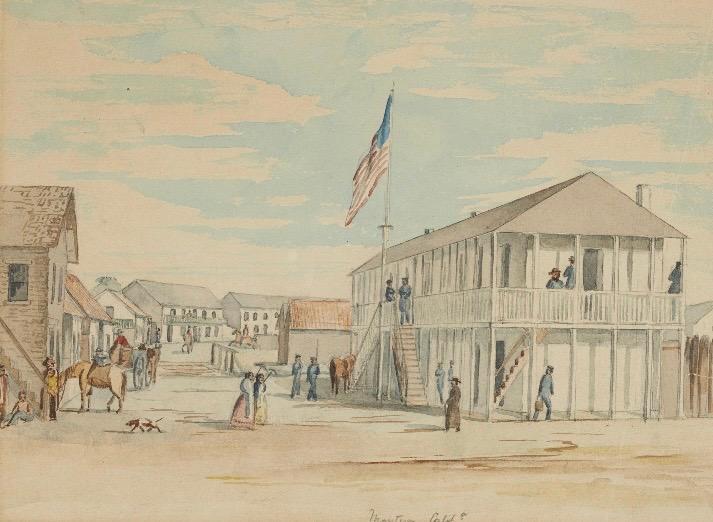
The painting of the Flag on which the seal appeared was done by Lieut. Alfred Sully who later became Gen. Sully. Sully also directed the ceremonies of the famous celebration 118 years ago. An old report of the event has this comment: “As the times were flush in Monterey in those days, everyone was brimful of patriotism, as you may suppose, and we all looked forward to a glorious career for old Monterey.
A correspondent to the old Alta, a newspaper published in San Francisco in the 1850’s, printed the following article concerning the first July 4 celebration in Monterey: “The procession assembled in the plaza across from the church, with the band of the church, the band of the 2nd Infantry at the head, preceded by the famous banner which was carried by a character whose modesty would be put to blush to see himself in print, the celebrated Dennis McCarty, who had gotten up for the celebration in breeches and top boots.’ “There was also mounted escort of young men wearing red ‘bandas’ or ‘fajas’ across the breast. It took up the march to the house of General Riley, who was waiting to receive it in full uniform, girded with yellow sash won at Chapultapec.
“The general was received with drums and banners waving and he took his place in the line which wended its way toward Colton Hall. The ceremonies there consisted of reading the Declaration of Independence by Captain E.K. Kane of the Army, followed by a translation into Spanish by Lieut. John Hamilton, an oration by John A. McDowell (brother of the general) and some remarks in Spanish by the Rev. Padre Ramirez in the Dominican habit with national band aris.”
In another article of a later date, telling of the celebration in 1850, a correspondent wrote: “It was an unusually fine day, we were somewhat younger then and we were in high spirits and our hopes ran high. The festivities of the day, as a matter of course, wound up with a ‘grand balle’ at Colton Hall; the quadrille, the valse, the contra dance and the jarabe,”
After his description of the celebration of California’s first Fourth of July, the writer goes on to say: “It might not be out of place to mention that the Common Council voted General Riley, on the occasion of his departure from Monterey, a massive gold medal, with the city seal crudely fashioned and engrave.
“The civic dignitaries did not however, get as far as their venerable compeers, the city fathers of the rival commercial emporium and city of San Francisco, and vote themselves each a grand metal.
But in spite of the rampant bull and the furious steed of the supporters and the imperative character of the motto ‘Anda’, Monterey would not ‘andarrons’ (go ahead); the young men’s hair is now sprinkled with gray, their steps are not as springy and elastic as they were in those days, but the wind still sighs through the pines; the surf rattles and thunders on the beach, and all appearances the old town of Monterey is still the same.”
Alfred Sully was a young army officer who played in the first plays at California Theater. He married Senorita Manuelita Jimeno, the daughter of Dona Augustias Jimeno and granddaughter of Don Jose de la Guerra of Santa Barbara. The senorita was born in Monterey and died here on March 28, 1851, at the age of 17 years, and her infant son is buried in the Monterey Catholic Cemetery.
Lieut. Sully came to Monterey with Col. J.D. Sullivan’s New York Volunteers in 1848.
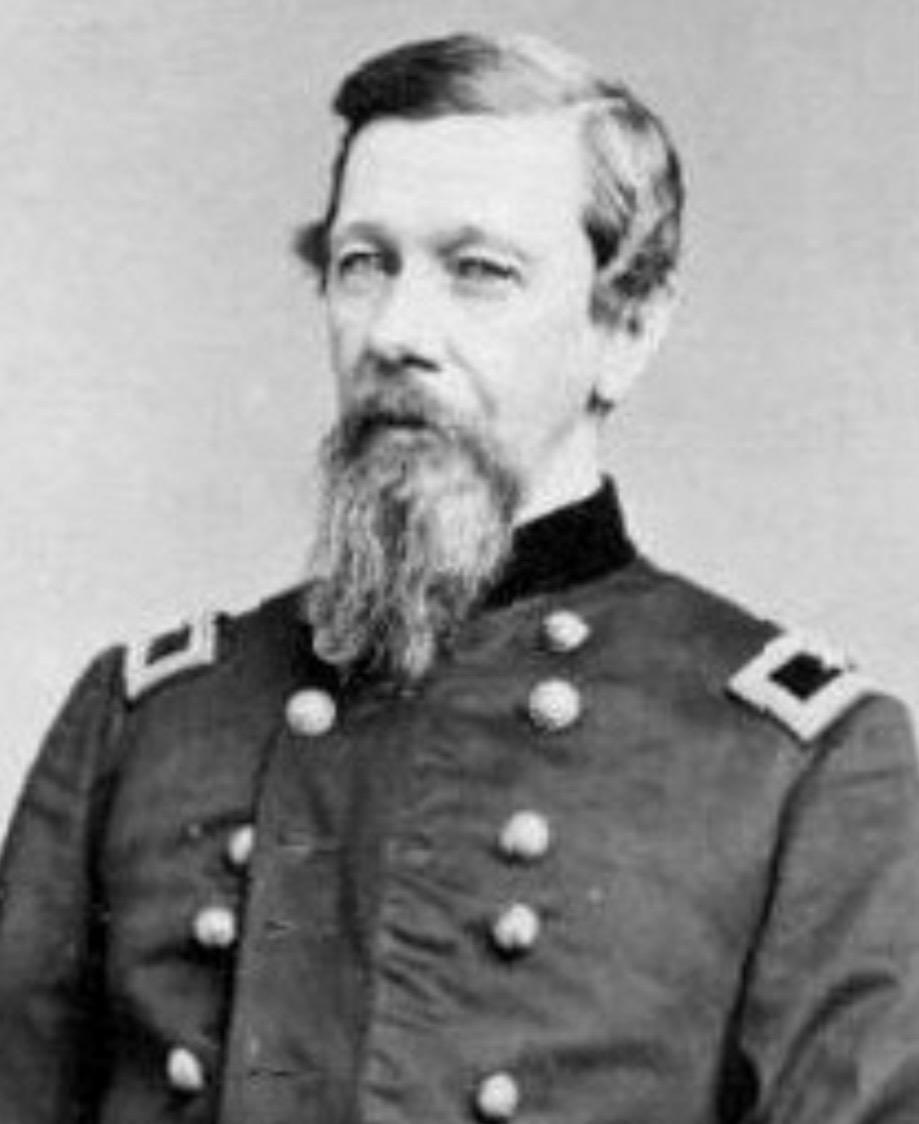
| | Alfred Sully (1820-1879) was chief quartermaster of the US troops in Monterey from 1849 to 1853, when the city seal was adopted on April 10, 1850. | | The city seal of Monterey- The shield is green (as the surroundings of the City are always green) and it describes the City as being born separate from the ancient domain of the United States by a bandolier which crosses the shield. The anchor, the sheaf, the horse, and the bull all show how hopeful the founders were for commerce to play an important part of the City's future. The rising sun expresses the hope that Monterey will be a rising city. The motto "Anda" means onward in Spanish and is symbolic of the spirit of the City of Monterey and expresses the hope for continued forward growth. | Painting "Monterey, California" by Alfred Sully. Watercolor on paper. In the collections of the Gilcrease Museum (not on view). | |
Library News
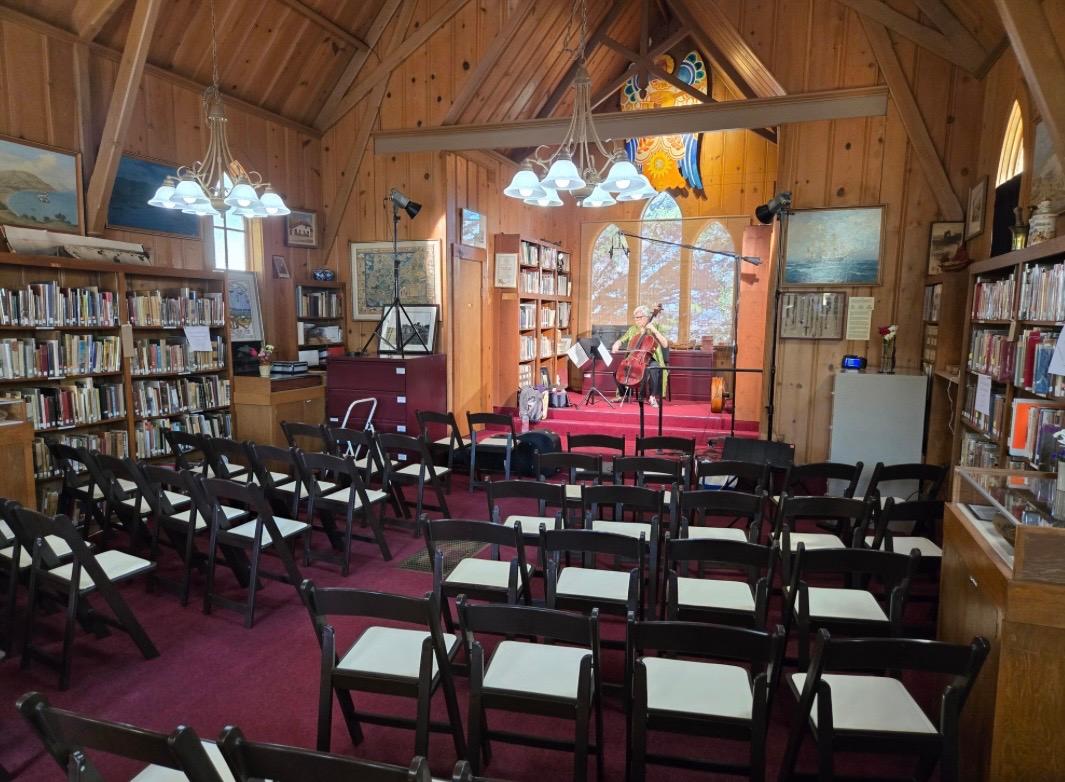
1. Mayo Hayes O'Donnell Library was the site for the inaugural concert/conversation of Summerfest 2026. On June 9th, the Library welcomed 50+ attendees to the event - "Into the Heart of Art 1 - A Cellist's Calling".
In conversation with Cindy Wu, cellists Tanya Tomkins and Felix Fan discussed their training and experiences as musicians, performing music across 3+ centuries. The acoustics and setting in the library provided a great backdrop for a Bach Sarabande through to Liang's Mongolian Suite.
This event was a first for the Library but we hope it won't be the last. Thanks to everyone who supported this event.
2. In other Library news, we have welcomed several new volunteers who are working on indexing Game and Gossip issues and figuring out logistical aspects of some new exhibits at the Stanton Center. We welcome their expertise and enthusiasm
| | |
NEW EXHIBIT
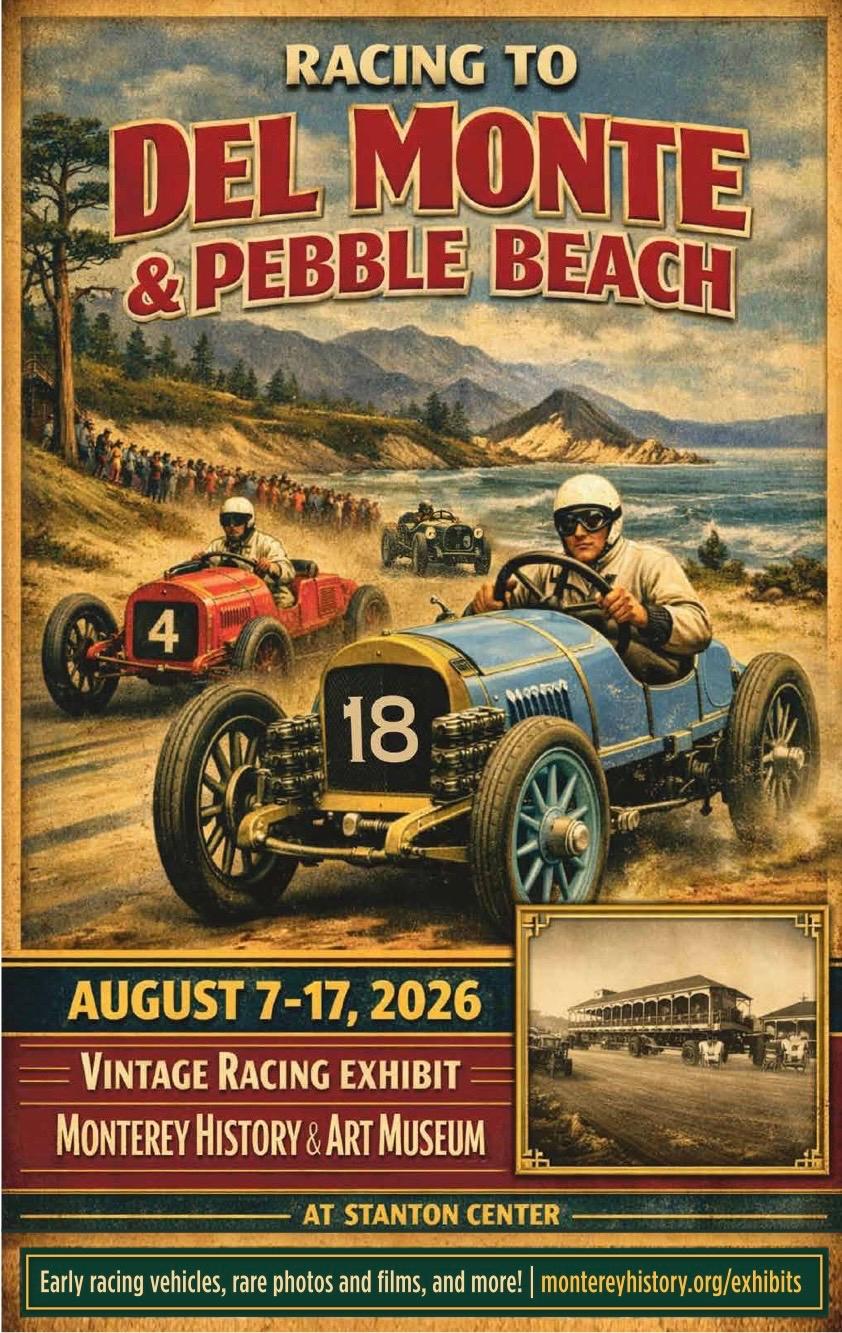
“Racing to Del Monte & Pebble Beach”
Monterey History & Art Museum
at Stanton Center
Save the Dates - August 7-17
| | |
A new exhibit “Racing to Del Monte & Pebble Beach” will open at the Stanton Center for 10 days only during Car Week. This exhibit, in partnership with History San Jose, celebrates the history of the Monterey Bay area automotive culture and the pioneering spirit that shaped California’s early motoring history. The exhibit includes rare early automobiles like the 1899 Ossen & Hunt, the first automobile built in San Jose, and the 1907 Mitchell, a celebrated touring car. Also on display will be rare photographs of the first competitive hill climbs and touring challenges from the Bay Area to the Hotel Del Monte’s race track and 17 Mile Drive. Special historic racing presentations and rare film screenings will be featured throughout the week.
As always, MHAA members get to learn and enjoy all of this for free.
Updated information and schedules will be posted on our website: montereyhistory.org
| |
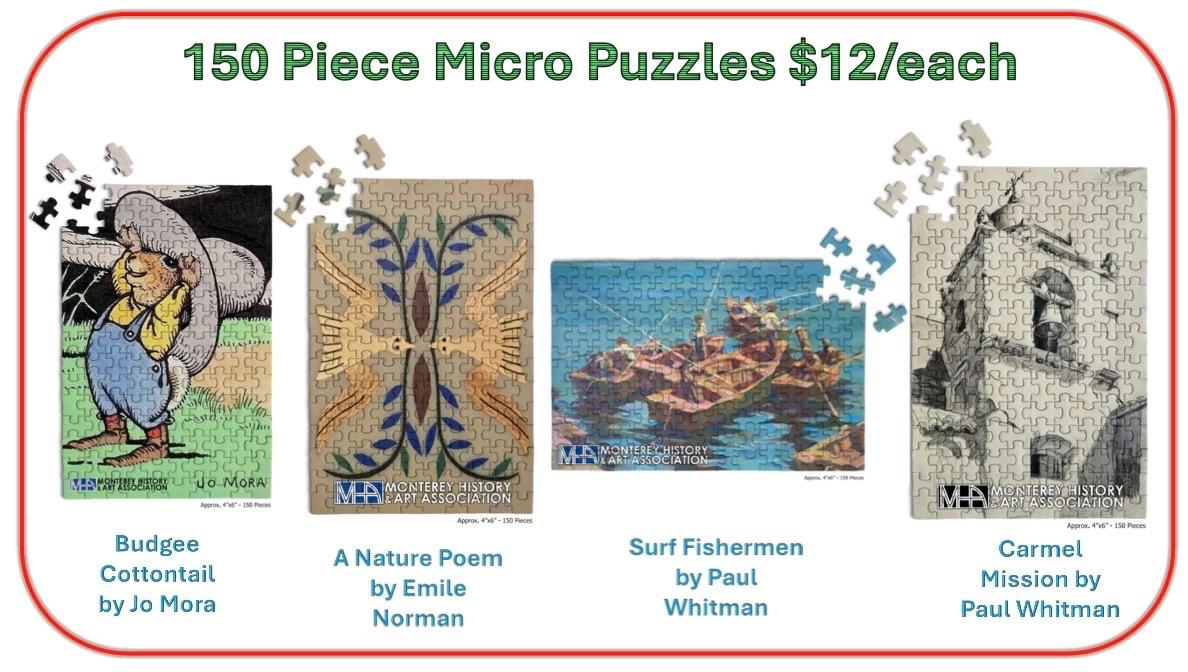
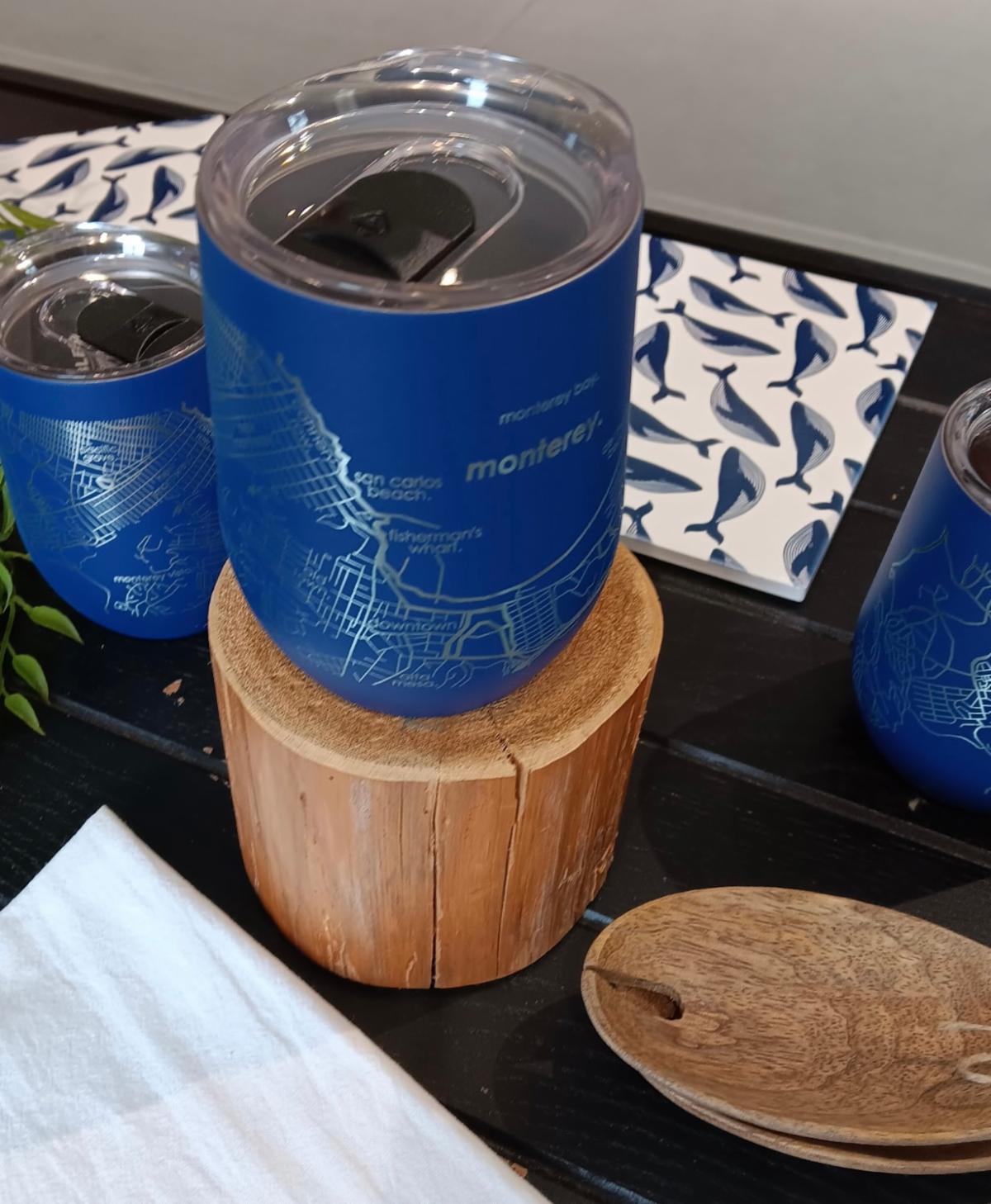
Gift Shop
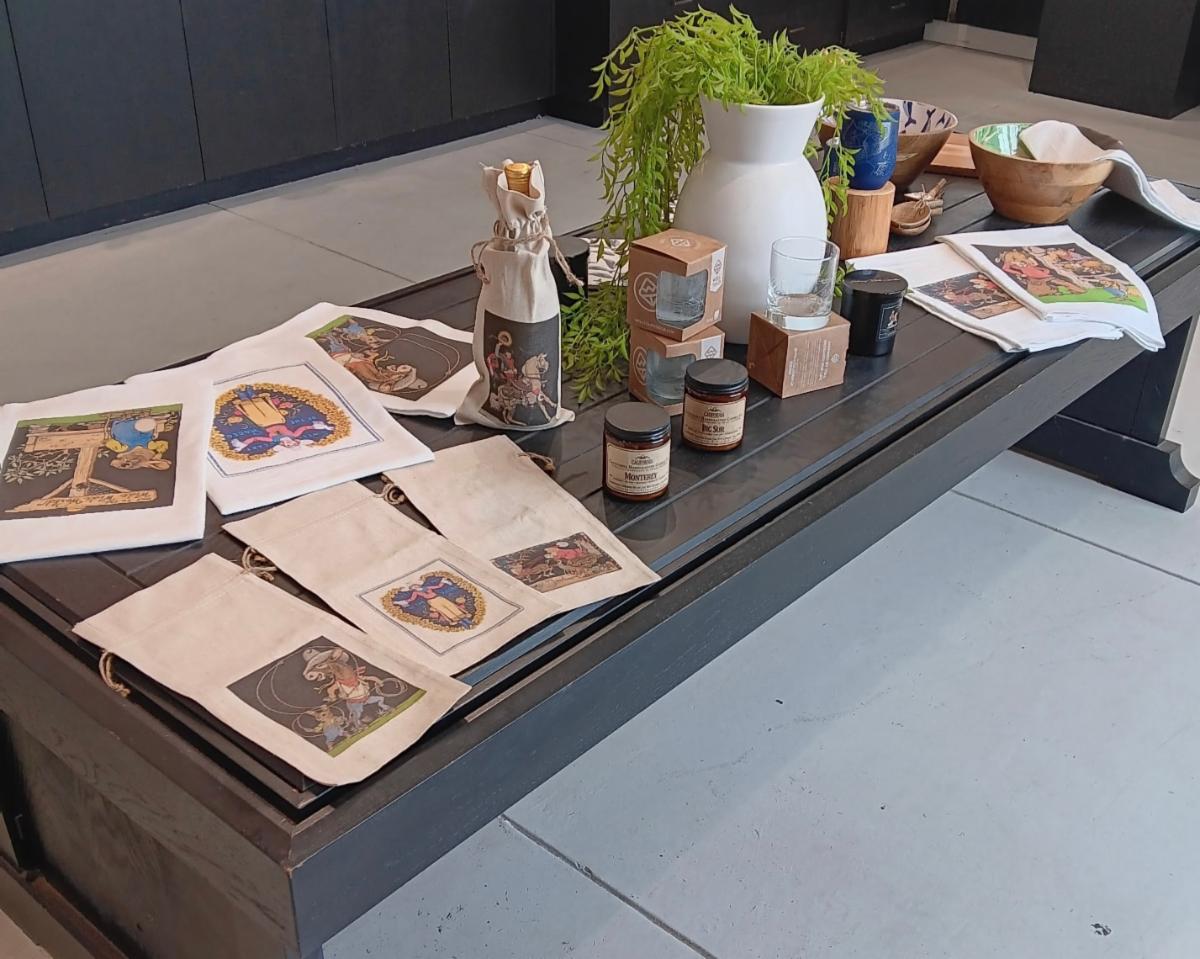
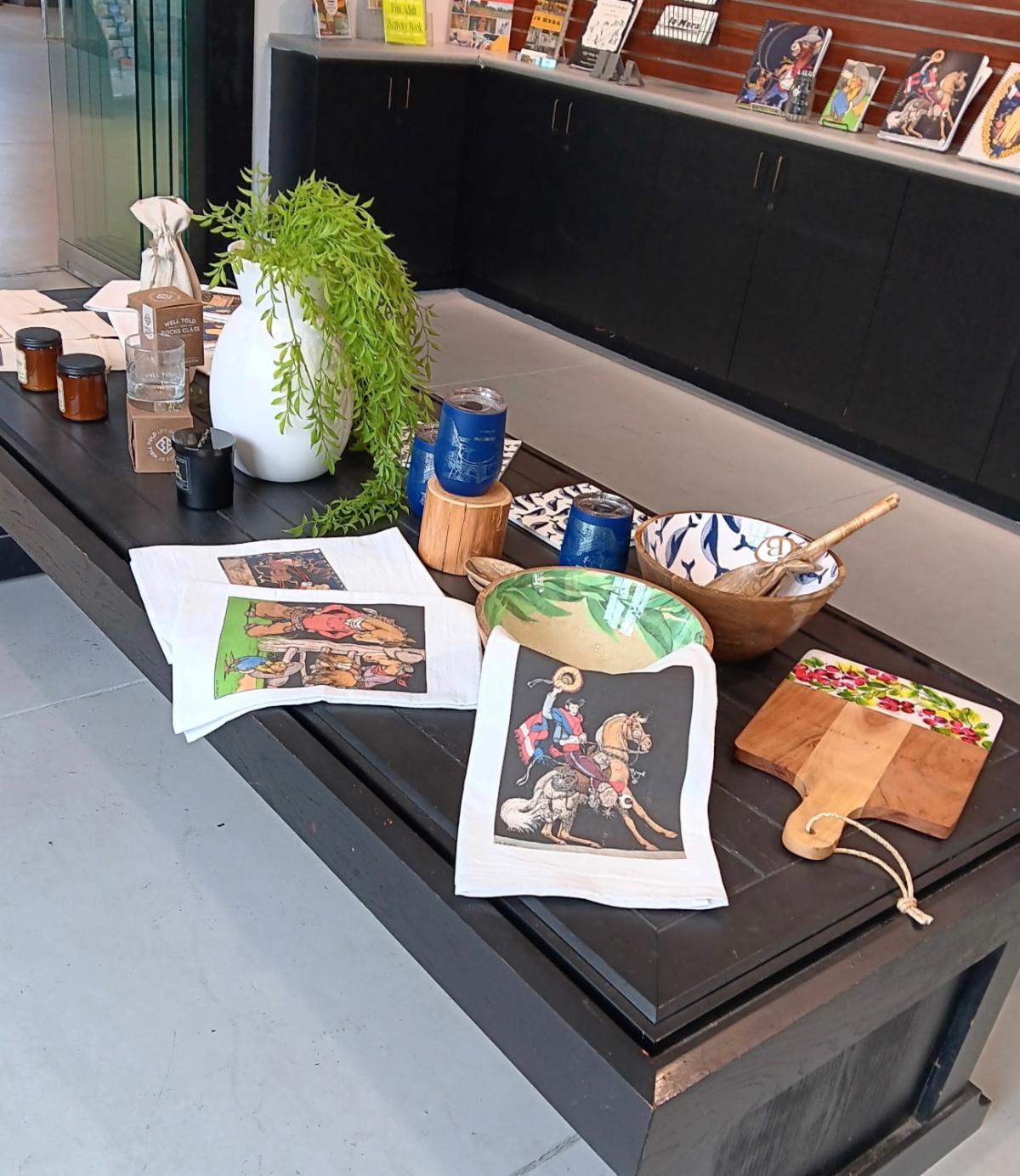
The Gift shop is full of new items. Great gifts ideas or fun items for yourself. Stop in and check out the new products and then visit the new exhibits- Remember admission is free for members!
| | |
Monterey History and Art needs volunteers at:
Stanton Center: volunteers are needed to monitor and host events.
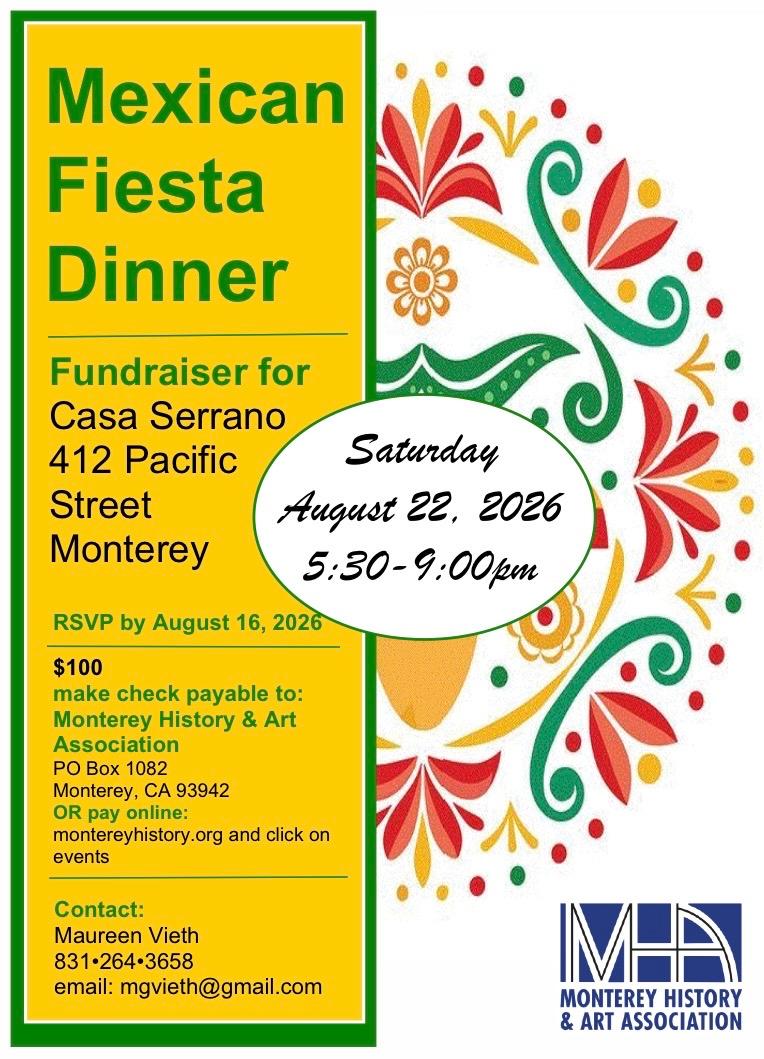
Casa Serrano: docents are needed to staff the adobe on Sat. and Sun. from 2-4 pm and to staff special events.
MHOD Library: volunteers are needed Wed. thru Sun. from 1:30- 4 pm to welcome visitors and help with research questions. Other tasks include: scanning material to place on our website and sharing the history of the library and Monterey.
Training will be provided for volunteers at each of these sites.
email us at MHAA.org1931@gmail.com
THANK YOU
| | |
Come visit our exhibits at Stanton Center.
Free admission for MHAA members!
| | |
P.O. Box 1082
Monterey California, 93942
montereyhistory.org
| | | | | |