|
This month's newsletter is two folds. We'll be continuing to delve into the role the heart plays in dysphagia, and we will be featuring an organization that is making an incredible impact on the aphasia community. We of course have our SLP of the month featured as well!
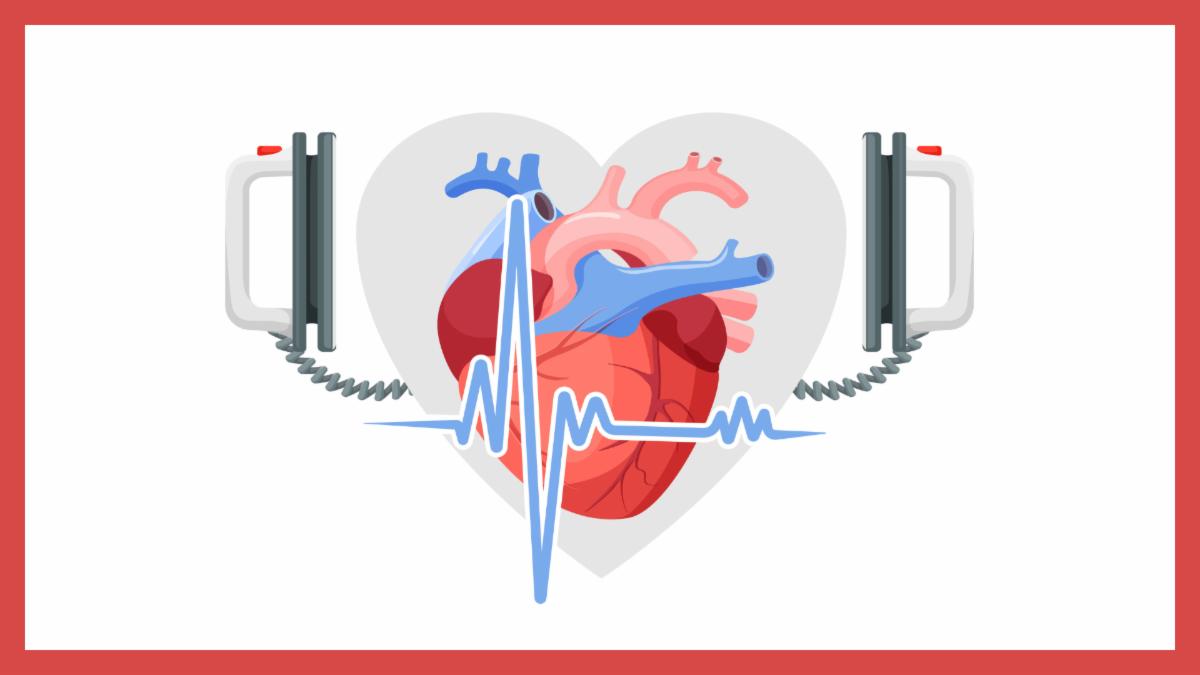
So let's get down to business and start talking about the heart of the matter, cardiac dysfunction + dysphagia!
Many of our patients with dysphagia have cardiac diagnoses which may be related to their dysphagia. "The reported incidence of dysphagia in this population varies anywhere from 2.7% to 51%" (Barker et al., 2009; Rousou et al., 2000). Therefore, we thought it would be useful for our treating SLPs to provide a category of dysphagia types as it relates to cardiac dysfunction.
Cardiac Dysphagia is caused by "esophageal compression from an enlarged left atrium." (Sharma, n.d.). Signs of cardiac dysphagia include weight loss, difficulties with solids, cardiomegaly, CHF, and in extreme cases vomiting blood. Depending on the severity of the case, dietary changes coupled with compensatory strategies may provide relief for the patient whereas in severe cases, surgery may be required.
Dysphagia Lusoria: This type of dysphagia is caused when an aberrant R subclavian artery causes extrinsic compression of the esophagus. Signs and symptoms include difficulties with solids and medication as well as chest pain. Lifestyle and dietary changes coupled with compensatory strategies are recommended for mild cases with more severe cases, again recommending surgery.
Dysphagia Aortica: This type of dysphagia, again, has it's roots in esophageal dysfunction. It is when "an enlarged, tortuous, or aneurysmal aorta compresses on to the distal esophagus" (MedSLP Collective). Signs and symptoms include difficulties with solids, weight loss, abdominal fullness, and nausea (Chan et al., 2016; Wang et al., 2019). Lifestyle and dietary changes coupled with compensatory strategies are recommended for mild cases with more severe cases, again recommending surgery.
These types of dysphagias do NOT include dysphagia secondary to cardiac surgery, which has it's own subset of risk factors as it relates to dysfunction. The prevalence of dysphagia secondary to cardiac surgery can be identified as such according to Werele, Steidl, & Mancopes, 2016 and Plowman et al, 2021 include:
- Advanced age
- Presence of comorbidities and other diseases (such as pre-existing heart failure)
- Intubation time, endotracheal tube size
- Surgical conditions
"Other factors to consider specific to cardiothoracic surgery are intraoperative transesophageal echocardiography (TEE) and nerve damage" (Plowman et al., 2021; Rousou et al., 2000).
To know for sure if your patient's heart condition and/or recent surgery has a role in their swallow function, imaging is required. And did you know that an MBSS from LA Imaging allows us to not only to look at the oropharyngeal function, but also we are able to provide patients with an esophageal scan as well? That way, if any abnormalities appear, appropriate referrals can be made.
To schedule an MBSS with our team, give us a call at: 318.473.1978
|