September 2025 Newsletter | | |
Inside, you'll find:
- News and Updates
- Upcoming Events
- Research Spotlight: Northeast Dry Bean Pathogen Survey Results
- Weather Data
- Outcroppings Blog
- Photos
| | New Hemp Videos Now Available on NW Crops & Soils YouTube Channel | |
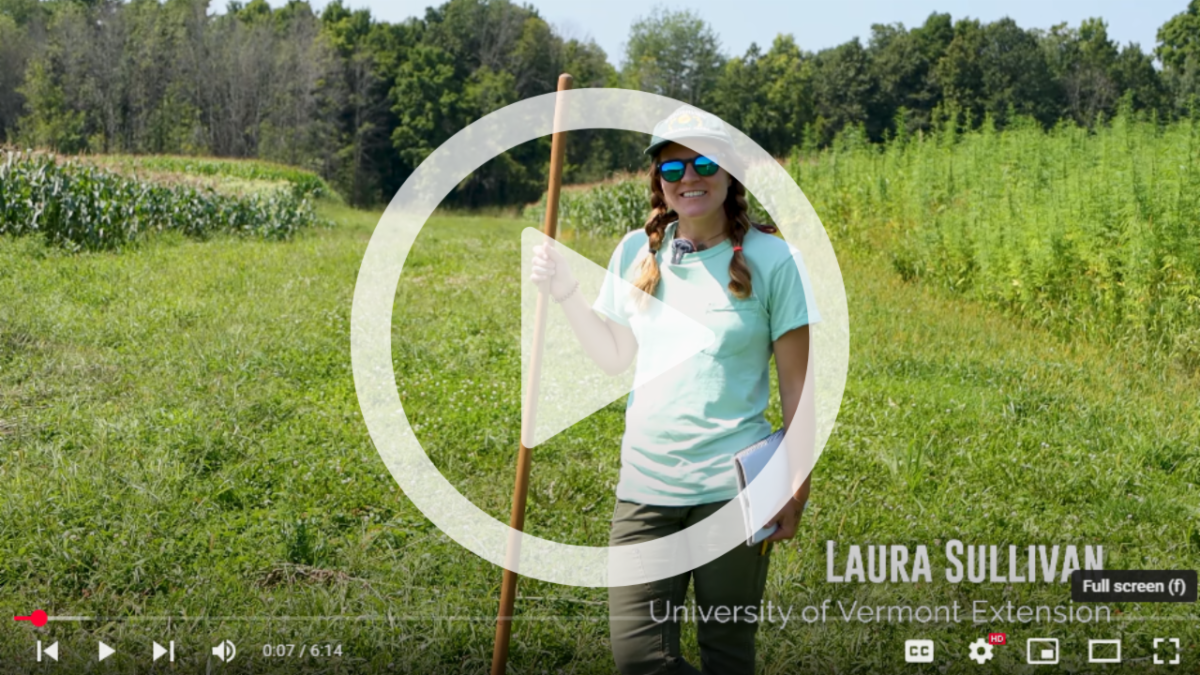
Want to learn how hemp goes from field to fiber?
This video series follows hemp trials at Borderview Research Farm from August 2024 to the final harvest date in April 2025. Laura Sullivan answers questions about field and winter retting, fiber processing strategies, and potential uses for hemp fiber.
| | |
Tri-State Dairy Exchange: Navigating the Future of Dairy Monthly Webinar Series
Wednesday, September 24, 11:30 a.m. - 12:30 p.m.
This month's webinar will focus on milk quality in the Northeast with Dr. Paul Virkler, Cornell Quality Milk Production Services.
See future webinar dates and topics on our website.
| | |
Fall Northeast Cover Crops Council Webinar Series
Every Wednesday at 12:00 p.m. - 1:00 p.m. from October through November
Join us on October 1 to kick off the series. Heather Darby from the University of Vermont Extension will focus on cover crops for forage.
See future webinar dates and topics on our website.
| |
Grass-Fed Dairy Pasture Walk
Thursday, October 9, 12:30 p.m. – 2:30 p.m
Joseph Kauffman’s Farm, 210 Herman Road, Sprakers, NY
Join dairy nutritionist Kurt Cotanch with Sarah Flack, Heather Darby, and Sara Ziegler for a fall on-farm workshop at Joseph Kauffman's farm in Sprakers NY. This will be an interactive workshop on forage quality and how to manage the winter feed inventory to maximize winter milk production and herd health.
To register, please email Susan.Brouillette@uvm.edu or call 802-656-7611.
| | |
Research Spotlight
2025 Seedborne Pathogen Survey of Organic Dry Beans in the Northeastern U.S.
In spring 2025, UVM Extension’s Northwest Crops and Soils Program (NWCS) invited organic dry bean growers across the Northeast to submit seed samples for evaluation of seed health and seedborne pathogens. Many growers report challenges with accessing quality seed and managing pests, making seed health a critical issue for the region.
Most dry bean growers in the Northeast are certified organic, with farmers often saving seed from year to year due to limited availability of heirloom and specialty varieties. While this helps preserve preferred types, it also increases the risk of seedborne pathogen buildup. Because organic systems have fewer disease management tools, planting clean seed is one of the most effective ways to prevent yield losses.
The UVM NWCS Team and the UVM Plant Diagnostic Clinic (PDC) teamed up to assess germination and find out what major seedborne pathogens are targeting organic dry bean production in this region. The results from the 2025 Seedborne Pathogen Survey Summarized Report can be found here.
Seed Health Results
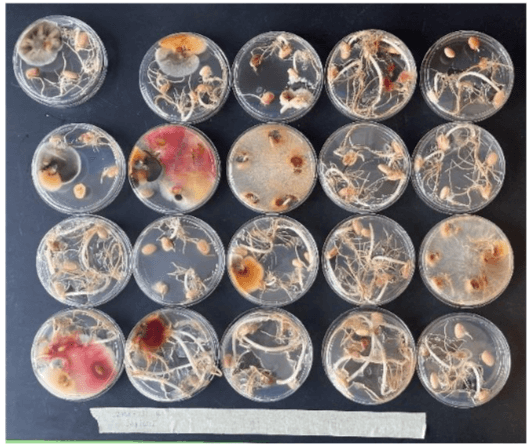
In addition to assessing the presence of pathogens, the teams also assessed germination and seed vigor. Germination was assessed using 200 seeds per sample. The germination ranged from 0 to 98% among the 25 samples, with an average germination of 66%. The seed vigor test evaluated 100 seeds per sample, measuring the total growth from the seed in centimeters after a 7-day incubation period. Having a higher seed vigor index value indicates quicker development and emergence, leading to a more uniform stand. The Seed Vigor Index ranged from 0 to 528 among the 25 samples submitted, with an average Seed Vigor Index of 166.
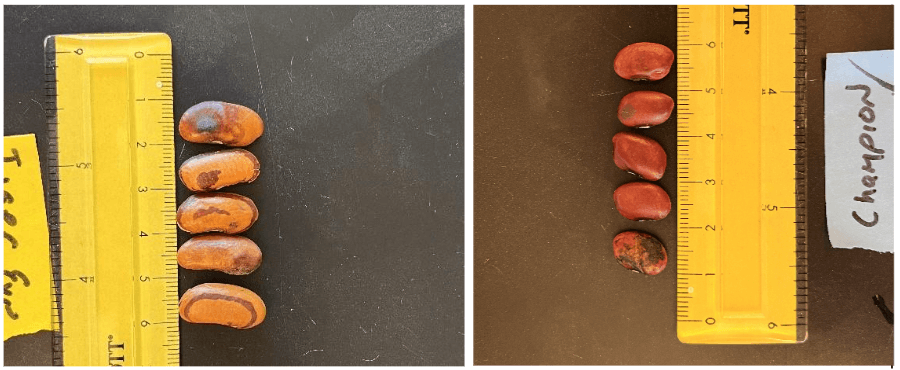
Each submitted sample showed fungal or bacterial pathogens in the seed lots. The most common diseases present in this survey were common bacterial blight (80%) and halo blight (60%). Although fungal pathogens were not observed in high numbers compared to the bacterial pathogens, they can still pose a threat. Fields should be regularly scouted to monitor the various diseases associated with these pathogens.
More resources:
| | |
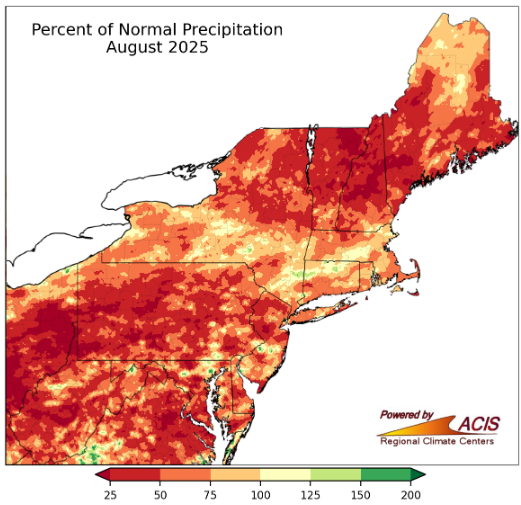
This “percent of normal” August precipitation map highlights the record dry conditions in Vermont and across the Northeast. Many regions of Vermont received less than 25% of their normal precipitation, and Lake Champlain reached its lowest level since 1934. If you need support with drought management strategies, please reach out to your local UVM Extension agronomist.
Heather Darby, (802) 782-6054 or Heather.Darby@uvm.edu
Shawn Lucas, (802) 656-7546 or Shawn.Lucas@uvm.edu
This resource from the Northeast Regional Climate Center represents weather and climate data collected by the Applied Climate Information System (ACIS).
| | |
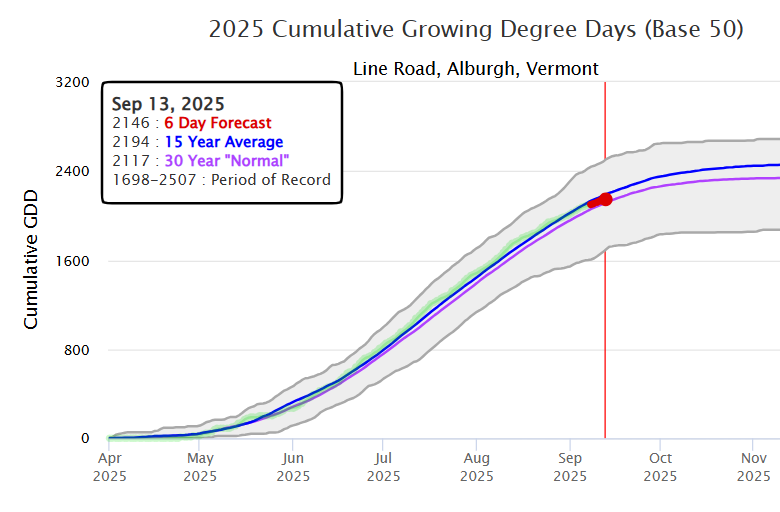
This is the 2025 season outlook of Growing Degree Days (GDDs) in Alburgh, Vermont, the location of our program's research farm. As of September 13, this area has accumulated 2,146 GDDs. Increased water demand caused by high temperatures, combined with dry conditions in July and August, may have caused crop damage. As we head into the remainder of the season, make sure to monitor crops for heat stress.
This graph was created by the Climate Smart Farming Growing Degree Day Calculator.
© Cornell University, 2016. Credits: Tool Developed by Art DeGaetano, Rick Moore, Brian Belcher & Ben Eck.
| |
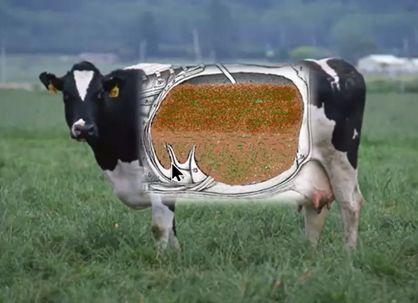
July Tri-State Dairy Exchange Webinar: Rumen Biochemistry and Function
Curious about what really goes on inside a cow's rumen?
| |  |
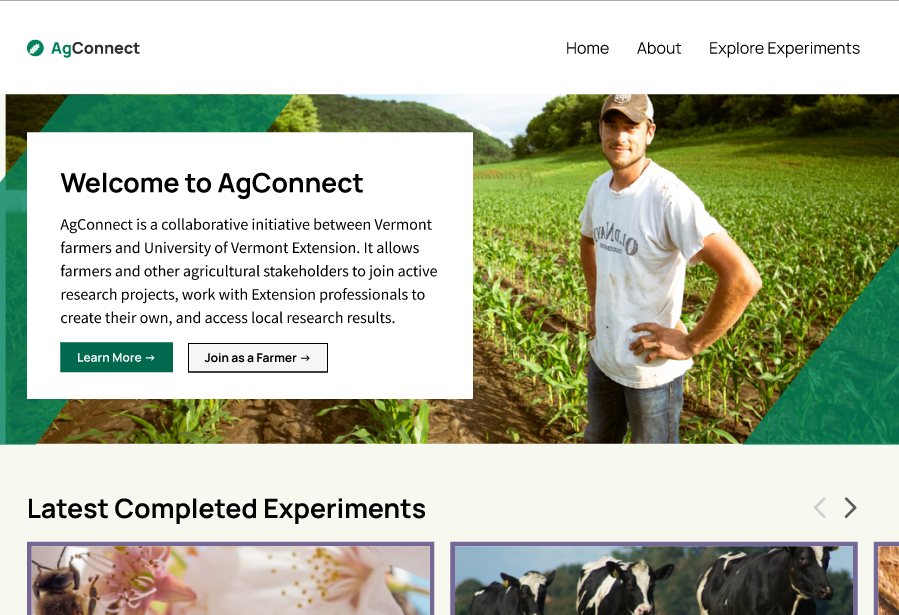
Creating Vermont's On-Farm Research Network
Learn about the online tool we are developing to streamline on-farm research.
| | | |
Photos
Seeds, seeds, seeds!
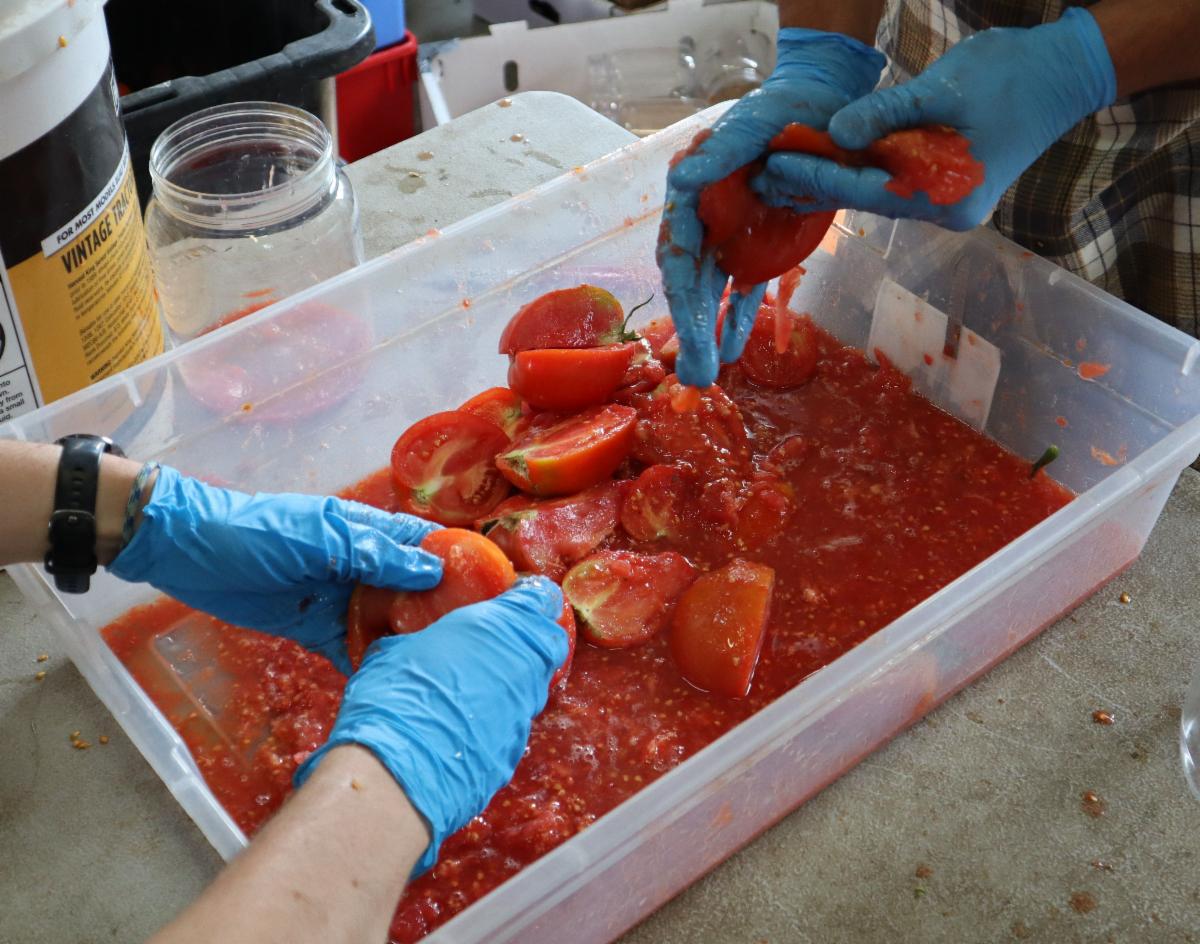
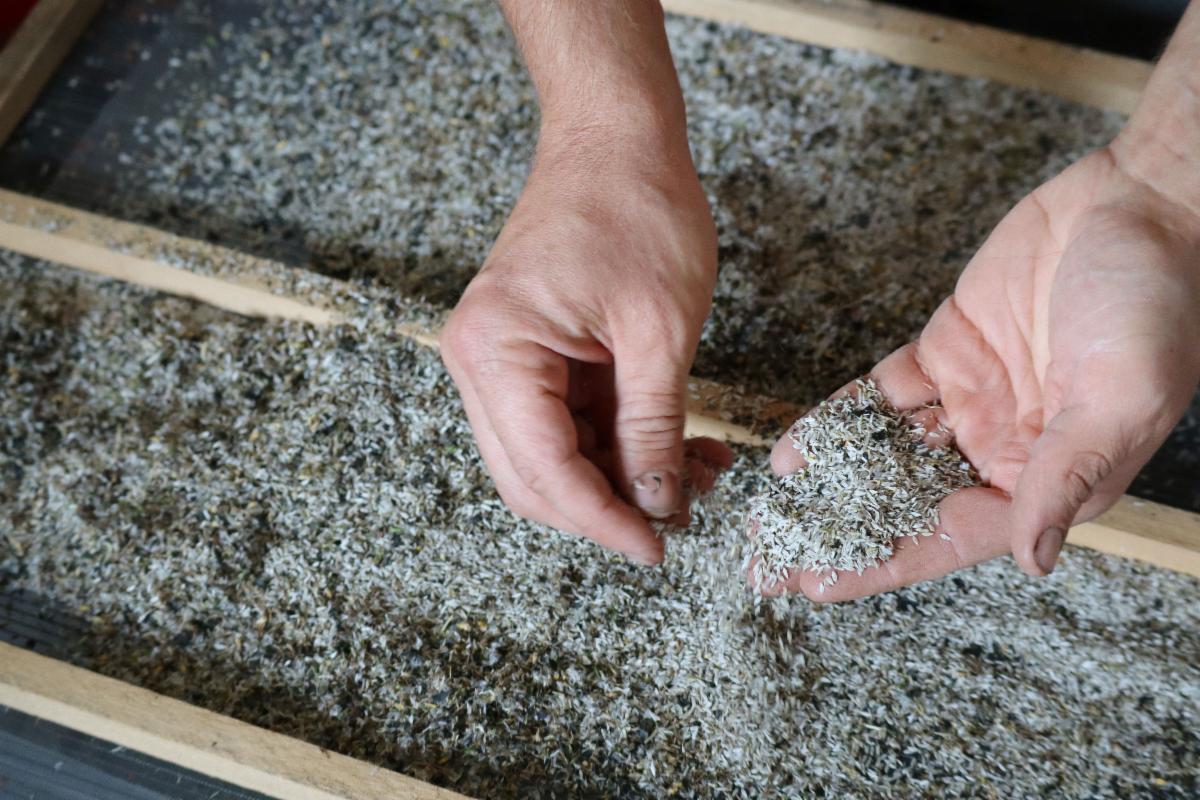
| | As part of our organic seed production trial, we’re growing and processing tomatoes to harvest their seeds. To do this, our team carefully removes as much of the tomato flesh and skin as possible, leaving only the seeds behind. The seeds are then placed in jars to ferment before being cleaned and strained again—ensuring the highest quality seed possible. | | | We are also harvesting lettuce seed in this trial. To clean it, we pass the plant material through two screens with progressively smaller openings, which helps separate the seed from the chaff. | | | |
UVM Extension NW Crops and Soils Program | Website
278 South Main Street, St. Albans, VT 05478 I 802-656-7610
For more information contact shannon.macdonald@uvm.edu
Having trouble viewing this email? Click "Trust sender" or "View in browser".
| | Issued in furtherance of Cooperative Extension work, Acts of May 8 and June 30, 1914, in cooperation with the United States Department of Agriculture. University of Vermont Extension, Burlington, Vermont. University of Vermont Extension, and U.S. Department of Agriculture, cooperating, offer education and employment to everyone without regard to race, color, national origin, gender, religion, age, disability, political beliefs, sexual orientation, and marital or familial status. | | | | |