|
|
Welcome to From the Ground Up!
The UVM Extension Northwest Crops and Soils (NWCS) program team works to provide you with practical, actionable information based on research conducted throughout Vermont. From the Ground Up is our monthly update designed to help you succeed.
| | |
Inside, you'll find:
- News and Updates
- Events
- Research Project Spotlight
- Weather Data
- Outcroppings Blog
- Photos
| | |
Registration is now open for the Annual Crops & Soils Field Day!
The theme for the18th Annual Crops & Soils Field Day is Growing for Tomorrow. This event will feature a tour of the Borderview Research Farm, presentations of research results, and updates from our research specialists.
The registration link is now live. View the event flyer here.
| | | |
New Online Course: Production Livestock Grazing
for Technical Assistance Providers
The goal of this course is to provide education and resources for new technical service providers with foundational information around grazing planning and providing grazing-related technical assistance to production livestock farmers in Vermont.
This course can be accessed through the Extension Foundation at https://go.uvm.edu/grazingcourse. You will need to log in or create an account to take the course. This is a free course that can be taken at any time and your own pace.
| | |
Organic Dairy Product Promotion Grant Program Applications Open Now!
The Northeast Dairy Business Innovation Center (NE-DBIC) opened applications on June 10 for the Organic Dairy Product Promotion Grant program. This unique opportunity is part of a national initiative to increase consumption of organic dairy by children and young adults while supporting partnerships with and networks of small and mid-sized organic dairy producers. Funded projects will address one of the following areas.
-
Expansion of current organic dairy procurement: Existing sourcing of organic dairy products will be supplemented with additional Northeast organic dairy products
-
Addition of organic dairy products: Institutions that do not currently serve organic dairy products will begin to source and serve Northeast organic dairy
This program is made possible through funding from the USDA’s Commodity Credit Corporation (CCC), and, as such, funds can only be used to purchase organic dairy products for use in youth-focused institutional food service programs (ages 5-25). This includes the total landed cost, meaning the price paid should account for the full cost of production, processing, handling, and delivery.
| | |
June is National Dairy Month!
Our program name may be Crops & Soils, but our research doesn't stop there! Our team has produced lots of useful information for experienced dairy farmers and those wanting to learn more about the dairy industry. Here are some of our resources:
| |
2025 Grass-fed Dairy Pasture Walks
Visit farms across New York state and learn about their operations and management practices. Join us for this series of free on-farm pasture walks and workshops focused on practical strategies for managing successful grass-fed dairy systems, led by grazing specialists and experienced farmers. See the event flyer here for specific dates and locations.
To register, please contact Susan Brouillette at susan.brouillette@uvm.edu, 802-656-7611 (direct line), or 802-656-7610 (office line).
| |
Tri-State Dairy Exchange: Navigating the Future of Dairy Monthly Webinar Series
Wednesday, June 25, 11:30 a.m.- 12:30 p.m.
June is National Dairy Month! Dairy Consumer Trends & Dairy Checkoff in the Northeast
Tune in live to join the conversation or watch later on the UVM Extension Northwest Crops & Soils program YouTube channel.
The mission of the Tri-State Dairy Team is to unite Maine, New Hampshire, and Vermont in advancing dairy management through collaborative educational programs, addressing shared industry challenges, and fostering innovation across northern New England.
| | |
Breeding Success: Organic Seed Production Research on Economics and Yield
UVM Research specialist John Bruce is leading our organic seed production project. The goal is to advance the field of organic seed production research. We want to support the success of organic seed producers by increasing the availability of quality organic seed options. We hope that this will help organic seed producers adapt to a changing climate and ultimately ensure the long-term success of organic agriculture.
Coordinated by the Organic Seed Alliance, the project is taking place at four sites: Oregon State University, Colorado State University, the University of Vermont, and the Carolina Farm Stewardship Association. Researchers will grow crops from four categories: tomatoes, lettuce, cucurbits, and brassicas.
Our team has been working hard to construct a high -tunnel greenhouse, or "hoop house." High-tunnel greenhouses are an increasingly popular conservation practice for farmers because they can extend the growing season, improve plant and soil quality, and allow farmers to control watering, because direct rainfall doesn't reach plants inside the greenhouse. For our trial, we’ll grow organic vegetables will be grown in the field and under high tunnels to assess the impact of management strategies like high-tunnel production on yield and overall crop success.
This work is supported by the Organic Seed Alliance, project award no. 2024-51300-43056, from the U.S. Department of Agriculture’s National Institute of Food and Agriculture. Any opinions, findings, conclusions, or recommendations expressed in this publication are those of the author(s) and should not be construed to represent any official USDA or U.S. Government determination or policy.
| | |
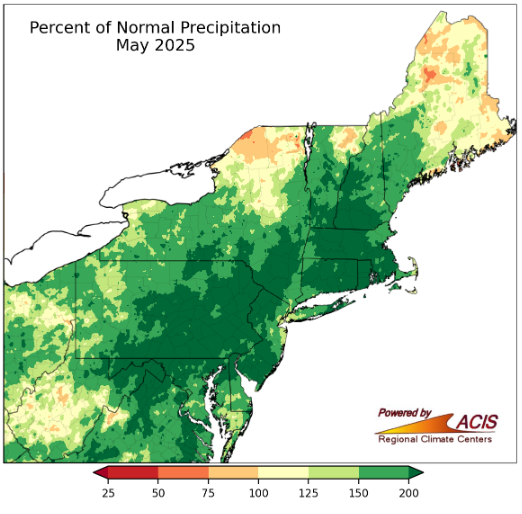
This map showing the percent of average May precipitation confirms that our wet spring was anything but average. The darker green areas received more than 1.25 times the May average. Most of Vermont received 150 percent of its average, and some regions even received 200 percent of their average. This excess rainfall delayed field work and made spring planting challenging for many farmers across the state. If you are struggling with wet conditions on your farm, contact us, and we may be able to help!
This chart from the Northeast Regional Climate Center represents weather and climate data collected by the Applied Climate Information System (ACIS).
| |
Vermont Pastures a Tick-ing Time Bomb?
UVM Research To Identify Tick Risk to Livestock and Farmers
| |
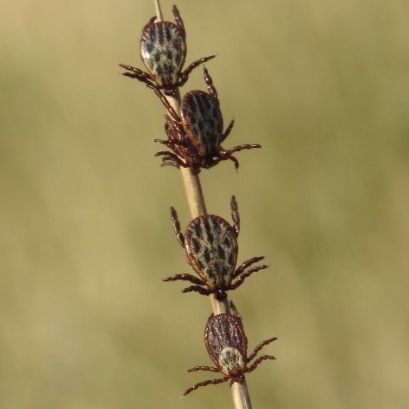
Tick populations are waking up and posing a growing threat to both livestock and the people who care for them. From Lyme disease to anaplasmosis and emerging risks like the invasive Asian Longhorned tick, tick-borne illnesses are an increasing concern for the Northeast.
University of Vermont researchers are now hitting the fields to better understand the risks, and help farmers protect their herds and themselves. Read the full blog to hear more from Tick Research Specialist Bryony Sands.
| |  | Selecting a Corn Maturity for Late-Planted Corn | |
Wet, saturated soils have pushed corn planting later than usual across Vermont, and farmers are asking a critical question: What corn will beat the frost this fall? Selecting the right maturity hybrid now can make all the difference. With the prime growing window ahead, it’s time to adjust strategies and understand how growing degree days (GDDs), relative maturity ratings, and your farm’s location impact your choices.
In this blog, agronomist Heather Darby walks you through key considerations and offers guidance to help you choose varieties that will thrive despite the late start.
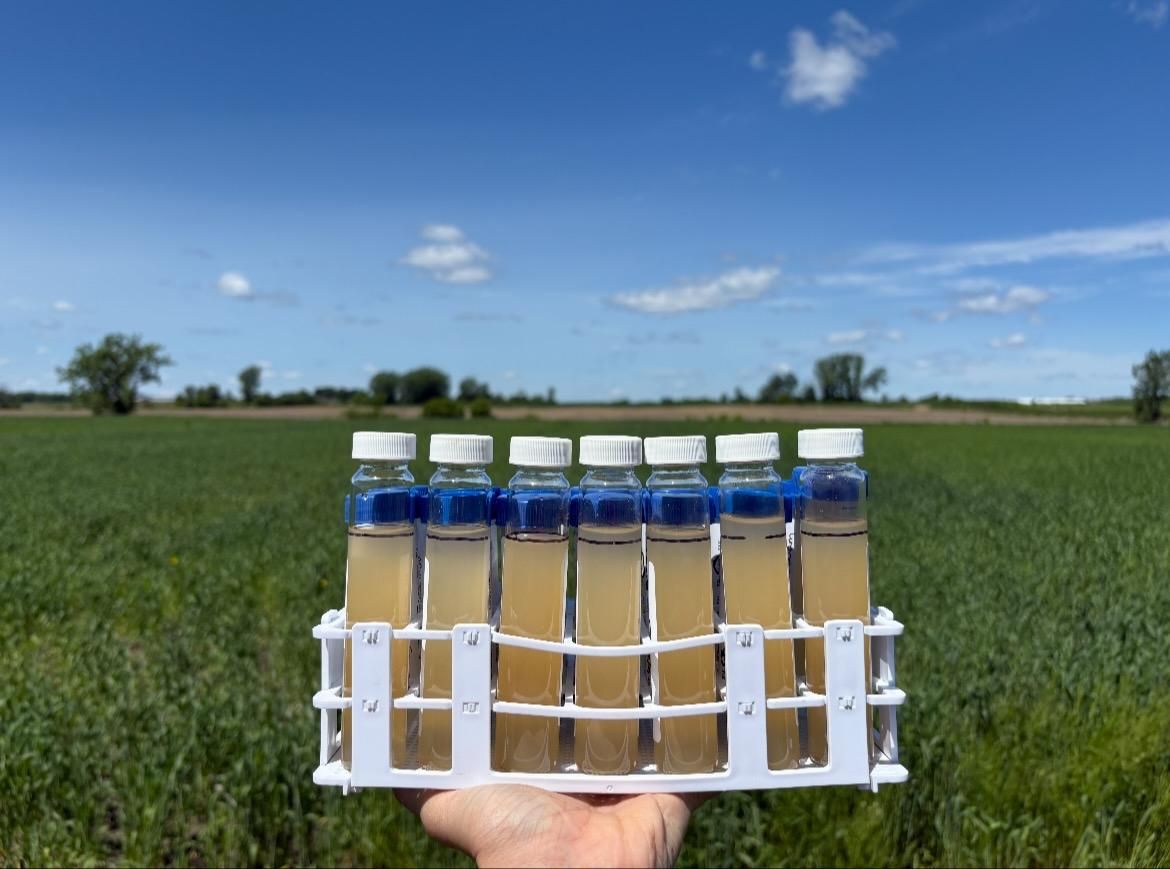
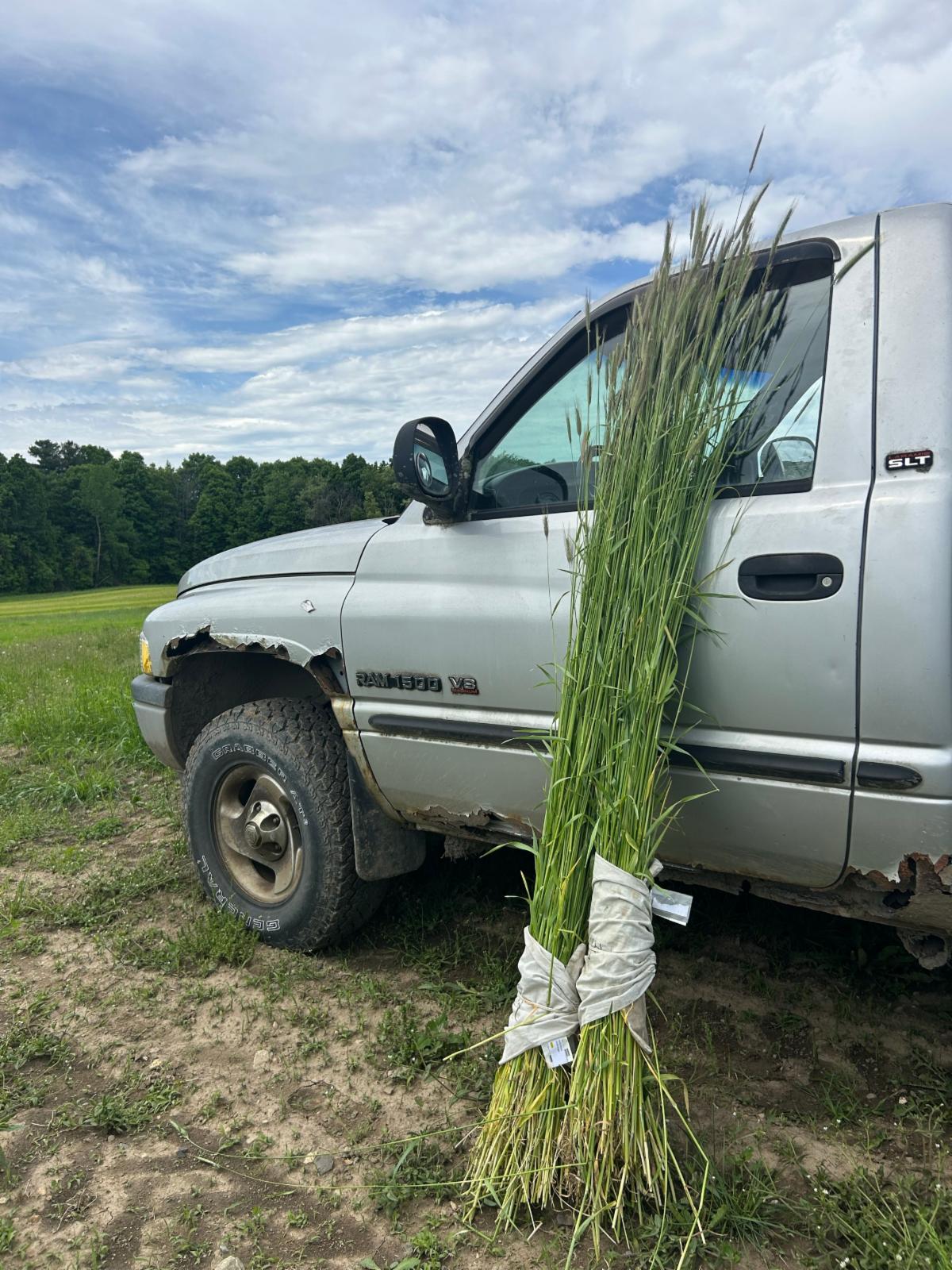
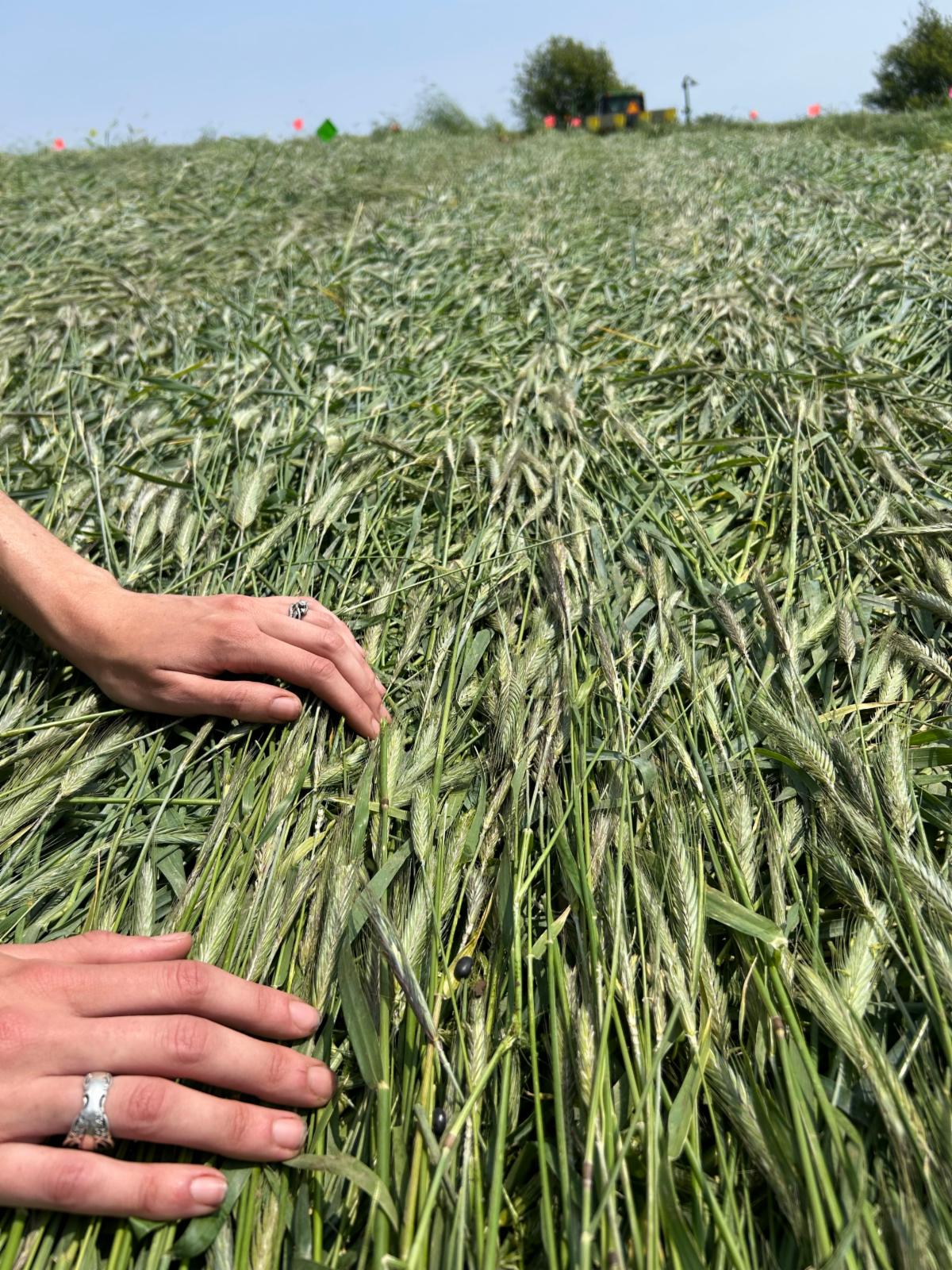
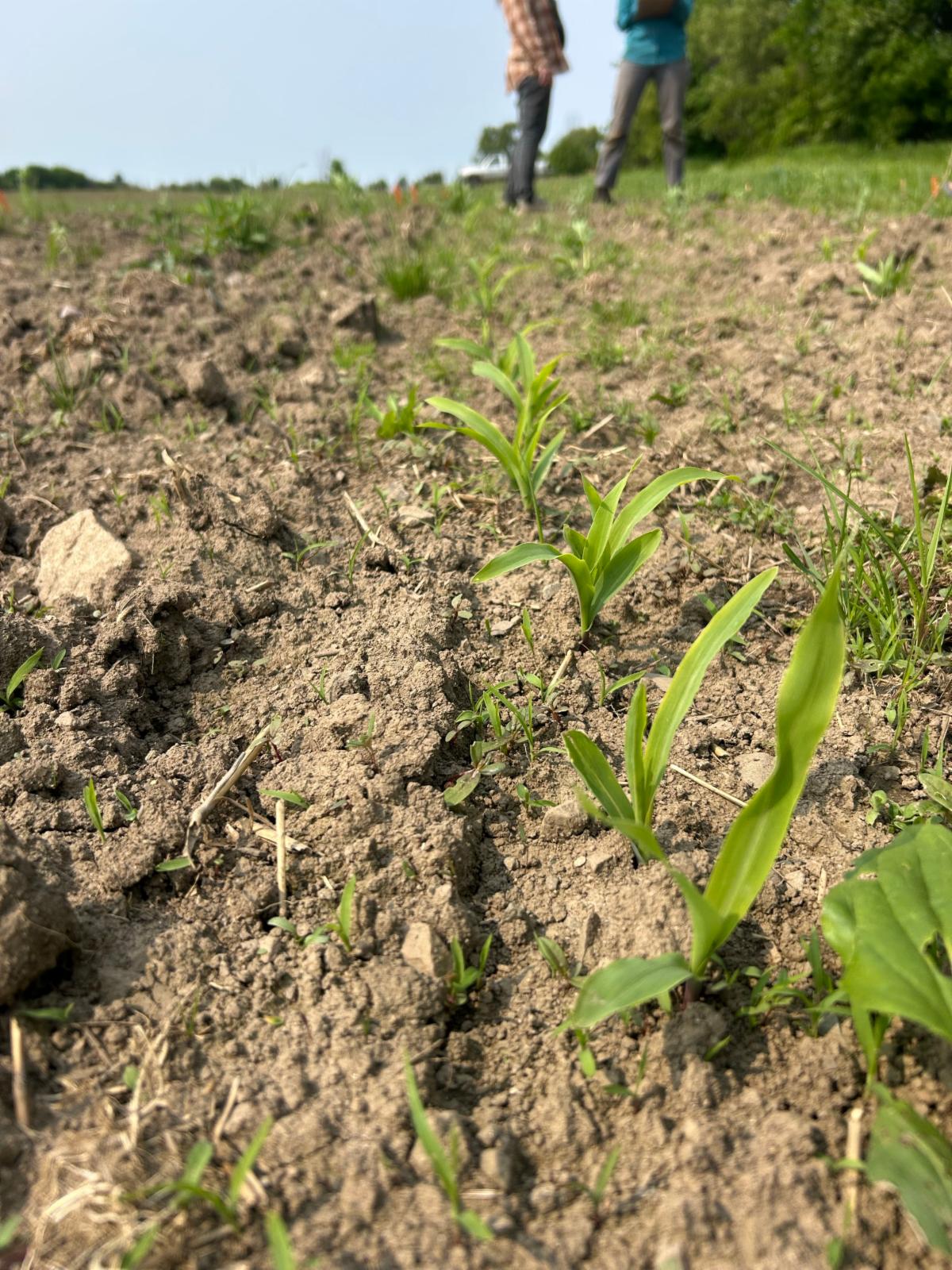
| | | Surface and subsurface runoff samples collected at the Discovery Acres research site to test for phosphorus and nitrogen concentrations in water leaving the agroecosystem. | | | Our team harvested this rye grass to collect biomass data and to assess weed presence within the plots. | | | We encountered challenges when planting black beans into crimped rye due to its excessively thick matting. In some cases, seeds were deposited on top of the rye rather than in the soil beneath it. | | | The team assessing corn emergence in the field. | | | |
UVM Extension NW Crops and Soils Program | Website
278 South Main Street, St. Albans, VT 05478 I 802-656-7610
For more information contact shannon.macdonald@uvm.edu
Having trouble viewing this email? Click "Trust sender" or "View in browser".
| | Issued in furtherance of Cooperative Extension work, Acts of May 8 and June 30, 1914, in cooperation with the United States Department of Agriculture. University of Vermont Extension, Burlington, Vermont. University of Vermont Extension, and U.S. Department of Agriculture, cooperating, offer education and employment to everyone without regard to race, color, national origin, gender, religion, age, disability, political beliefs, sexual orientation, and marital or familial status. | | | | |