Aug. 3, 2026

Reclamation releases Final Environmental Impact Study for post-2026 Colorado River Operations

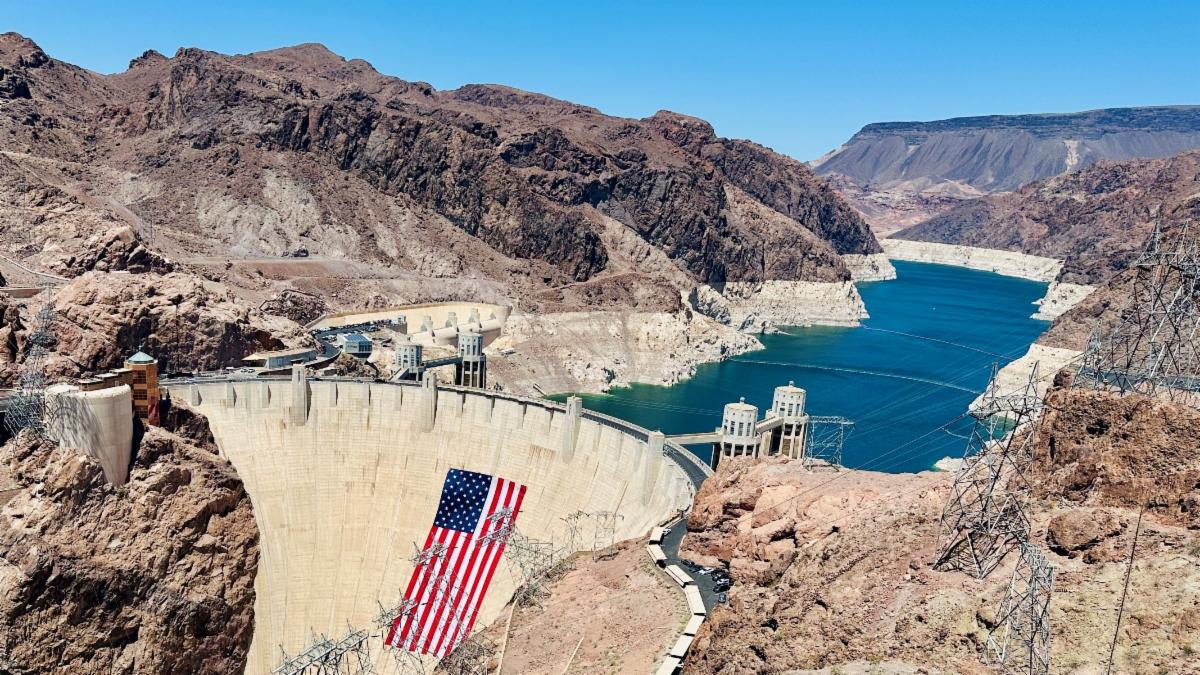
Hoover Dam in June. Photo courtesy of the U.S. Bureau of Reclamation.

The U.S. Bureau of Reclamation released last week the long-awaited Final Environmental Impact Statement for post-2026 operations of the Colorado River. The report sets a general framework of how the river could be operated over the next 10 years, providing compliance with the National Environmental Policy Act. But it does not yet define how the river will be actually managed or shortages will be shared – those details will be part of operating plans that could be developed every two years. Reclamation is expected to release the first two-year plan, for operations 2027-2028, early this month.
 

The seven Colorado River Basin states have spent the last three years attempting to negotiate and develop a consensus agreement for long-term Colorado River operations. However, they have not been able to negotiate that consensus, resulting in the framework released last week. Metropolitan remains hopeful a longer-term consensus can still be forged at a later time.  


Read Metropolitan’s statement on the Final EIS. 


In the meantime, with Lake Mead nearing its lowest point in history, Metropolitan’s Board of Directors last month approved an agreement with the federal government to add water to the reservoir and protect hydropower generation at Hoover Dam. Under the agreement, Reclamation will compensate Metropolitan for leaving up to 200,000 acre-feet of its supplies in Lake Mead this year. 


Read the news release.

"Today’s framework highlights reduced deliveries to Nevada, Arizona and California, and Metropolitan is prepared to work with other California water users to make necessary reductions. But Lower Basin reductions alone are not enough to produce lasting sustainability for everyone who relies on the river."


Metropolitan Assistant General Manager John Bednarski

Metropolitan explores implementation options for direct potable reuse for Pure Water Southern California

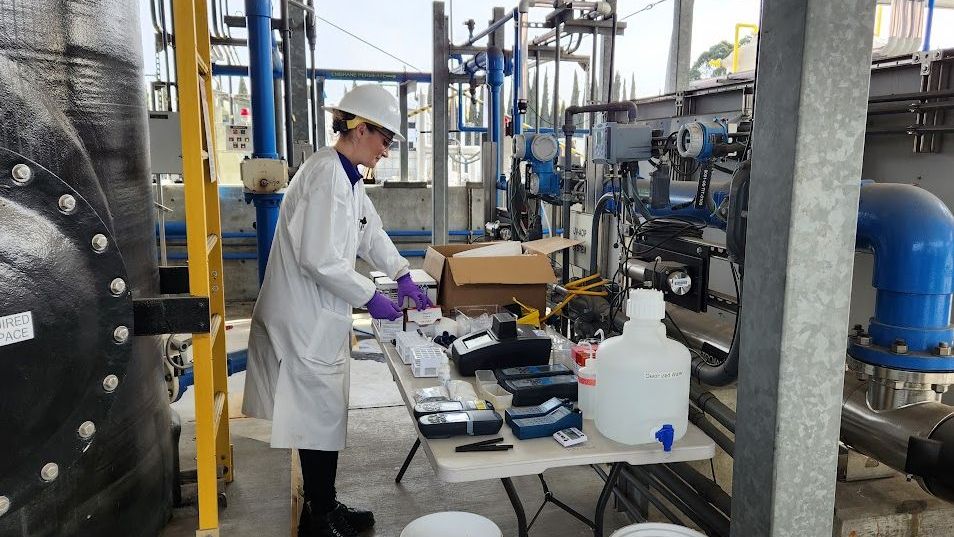
Work taking place at the Grace F. Napolitano Pure Water Southern California Innovation Center.

Last month, Metropolitan's Board of Directors got their first detailed look at the different ways direct potable reuse could be incorporated into Pure Water Southern California, which could reduce program costs while providing a readily accessible supply of drought-resilient water.


Pure Water Southern California was originally envisioned mostly as an indirect potable reuse program, providing purified recycled water for groundwater recharge, which could be used for drinking, commercial and industrial purposes. In 2023, California adopted regulations allowing direct potable reuse, in which purified recycled water can be added directly to the water supply.


In response, Metropolitan staff have been planning a direct potable reuse demonstration testing facility and studying how direct potable reuse could be integrated into the Pure Water program. Staff presented various options during a Board of Directors workshop on July 28.


A partnership between Metropolitan and Los Angeles County Sanitation Districts, Pure Water Southern California would use an advanced treatment process to purify and reuse cleaned wastewater currently discharged to the ocean from the Sanitation Districts’ A.K. Warren Water Resource facility in Carson. At full capacity, Pure Water would produce up to 150 million gallons of purified water daily – enough to meet the needs of 1.5 million people, benefiting the entire region.


View the latest Pure Water Southern California newsletter and sign up to subscribe.

Metropolitan to begin wetland restoration in the Sacramento-San Joaquin Delta

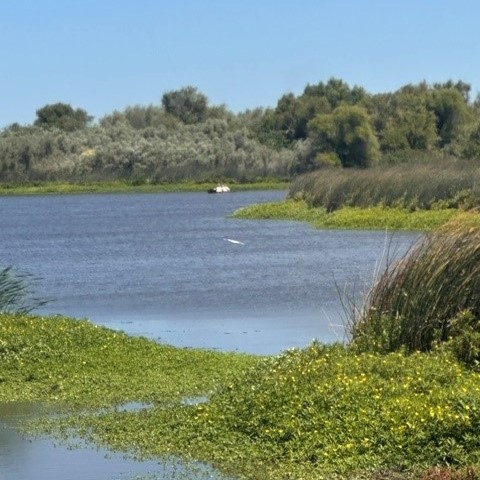
Metropolitan's Board of Directors last month approved construction of 2,800 acres of wetlands and upland habitat on district-owned land in the Sacramento-San Joaquin Delta.


The wetland restoration is part of a larger project to transform Webb Tract, a Metropolitan-owned island in the Delta, from conventional agriculture to a multi-beneficial landscape designed to reverse subsidence and reduce flood risk, capture planet-warming carbon dioxide, and enhance the local ecosystem for migratory birds and local species. 


The Webb Tract wetland restoration and rice conversion project is made possible through a $20.9 million grant from the Sacramento-San Joaquin Delta Conservancy.


Read the Webb Tract new release. Learn more about Metropolitan's research in the Delta in the 2025 Scientific Achievements Report.

Summer at Metropolitan: Training the next generation of water leaders

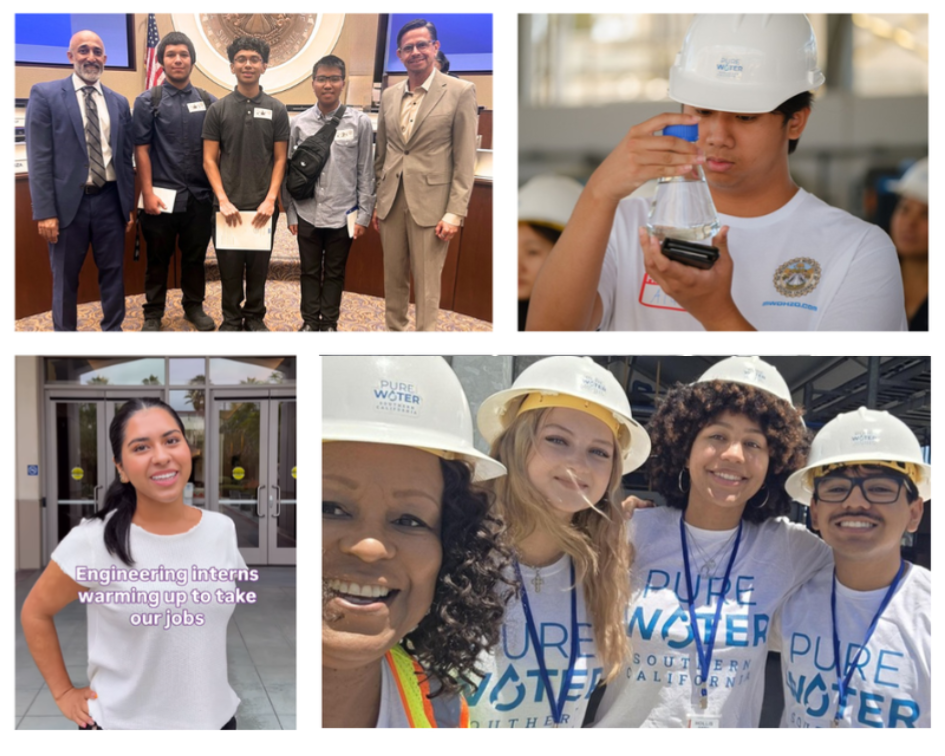
Metropolitan is hosting several career education programs this summer. Clockwise from top left: Carson High School graduates in a two-week Career Exploration Pilot Program met with General Manager Shivaji Deshmukh and Board Chair Adán Ortega, Jr.; students in TreePeople's Cindy Montañez Young Leaders Program visited Pure Water Southern California; Coro Youth Fellows toured Metropolitan facilities, including Pure Water; and Engineering Co-Op Program interns show how they prepared for their internships in a fun Instagram reel.

Metropolitan, Blue Forest launch third project together to support healthy headwaters in the Sierra Nevada

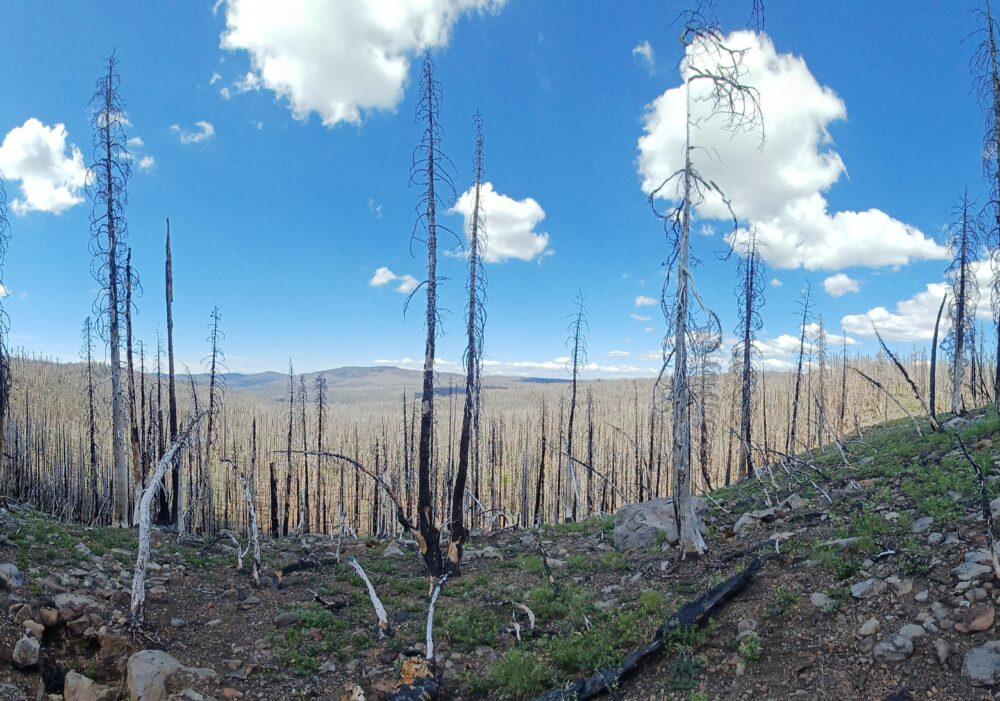
Metropolitan continues to work with non-profit Blue Forest to restore forests, improve watershed health and increase the reliability of the state’s water supplies in the face of climate change and worsening wildfires.


This spring, Metropolitan supported Blue Forest's launch of a restoration effort in the Butte Creek watershed, which hosts the largest self-sustaining wild population of spring-run Chinook salmon in the Central Valley and which burned in the 2021 Dixie Fire.


Learn how the Upper Butte Creek Fire Resilience Bond will help restore landscape.

Metropolitan_welcomes_public_participation_p5.png
Facebook  X  Instagram  Linkedin  Youtube