Dear Angelenos:
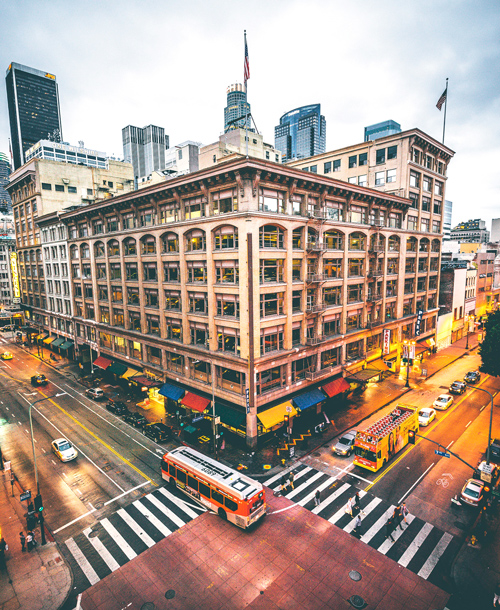
This month, the City Planning Commission recommended a new proposed Community Plan for Downtown to the City Council. This plan has been a long time coming: it is the first downtown update since the early 2000s, and represents a whole new direction for the urban core. The Commission’s vote advances the Downtown Community Plan and its housing- and job-creating policies one step closer to adoption.
Between now and 2040, Downtown is projected to accommodate 175,000 new residents and add 100,000 jobs. In other words, 20% of the City’s projected growth will take place in just 1% of its land area. Our Downtown Community Plan proposes to meet the community’s needs by nearly doubling the area where housing is permitted in LA’s urban core and expanding the range of housing types allowed. It would also establish a Community Benefits Program to incentivize the construction of affordable housing Downtown, plus built-in open space and community facilities like childcare centers, schools, and libraries for all Angelenos.
This plan is the result of extensive engagement with Downtown’s residents and businesses. We worked closely with Downtown stakeholders, conducting outreach in five languages (English, Spanish, Vietnamese, Chinese, and Japanese) and collecting input from more than 40 community organizations. It reflects the priorities of those who live and work in the heart of one of the world’s most exciting and dynamic cities.
Together, we are Planning4LA.
Sincerely,
|
|
Vince Bertoni,
Director of Planning
|
|
|
|
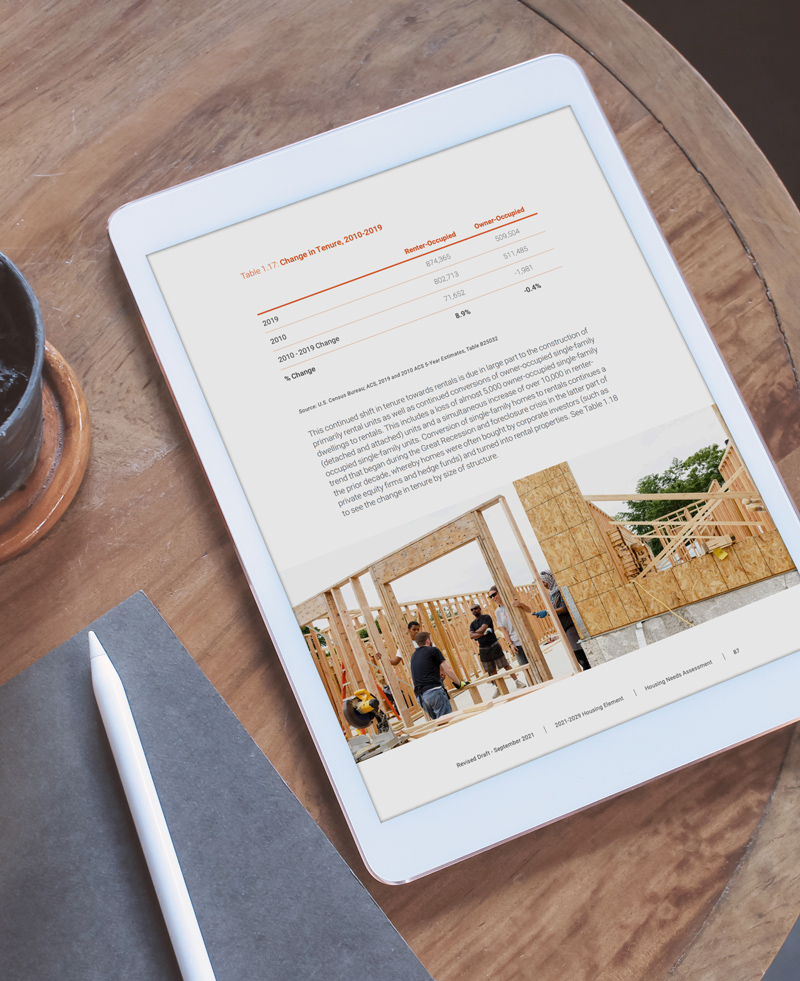
On September 15, City Planning and the Los Angeles Housing Department (LAHD) released a revised draft of the 2021-2029 Housing Element, also known as the Plan to House LA. As cities across California expand alternative models for housing ownership, the housing elements of their general plans play an increasingly important role in directing those discussions.
The revised draft of the 2021-2029 Housing Element incorporates feedback from recent outreach meetings as well as initial comments provided by California’s Department of Housing and Community Development (HCD). The document also includes a list of sites that have been identified as potential candidates for rezoning (see Appendix 4.7), demonstrating to HCD that Los Angeles will have sufficient capacity to accommodate its Regional Housing Needs Assessment.
City Planning and LAHD held virtual public hearings on September 21 and 22. The revised plan will advance to the City Planning Commission on October 14, 2021 for their consideration, and shortly thereafter to the City Council for adoption.
|
|
|
|
Home-Sharing Progress Report |
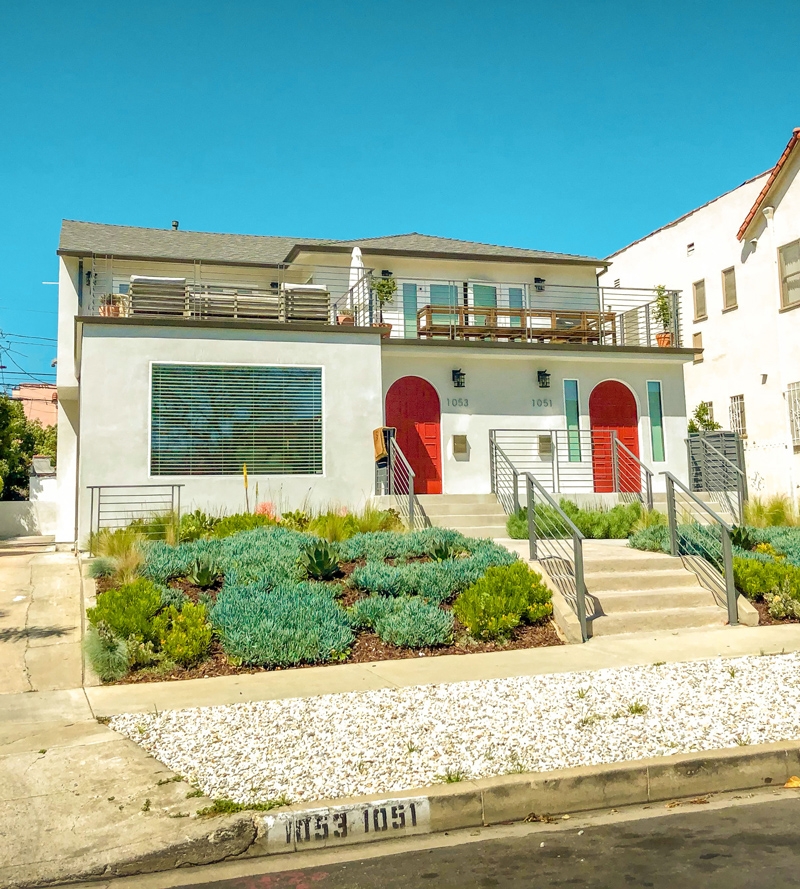
On September 8, City Planning submitted a progress report on the Home-Sharing Program to the City Council. Los Angeles adopted the Home-Sharing Ordinance in 2018 in response to concerns about the effects of unregulated short-term housing rentals on the City’s aging housing stock, and to take down ineligible listings.
As a result of this program, Los Angeles’s total number of short-term rental listings has decreased sharply. Since the start of enforcement in November of 2019, when there were approximately 36,600 listings on the City’s short-term rental market, the total number of short-term rental listings has dropped to about 5,600, a reduction of about 85%.
The report concludes with recommendations to the City Council for strengthening the program. It asks Council for the authority to amend the agreement between the City and platforms to explicitly prohibit double bookings, make Accessory Dwelling Units (ADUs) ineligible for short-term rentals, and require cancellation of any booking for listings that are required to be removed due to non-compliance, among other recommendations.
|
|
|
|
On September 23, the City Planning Commission (CPC) advanced the update to the Downtown Community Plan to the City Council. The new zoning accompanying the Plan increases capacity for future housing, with a particular focus on securing on-site affordable units.
Historically, Downtown has not achieved a level of covenanted affordable housing units at a scale that is appropriate for the urban core of Los Angeles, prompting City Planning to develop zoning strategies that stand to create enough housing to accommodate 20% of the City’s forecasted housing growth in 1% of its land area.
The CPC deliberated on the Downtown Community Plan’s base/bonus approach to incentivizing affordable housing, as well as the Plan’s strategies to protect vulnerable Downtown communities and promote equitable growth. The CPC recommended approval of the Community Plan, with minor modifications to zoning in Chinatown, enhanced policies to promote access to open space in underserved areas, and a number of new protections for existing renting households.
Next, City Planning staff will publish a Final EIR and prepare the CPC’s recommended Community Plan for consideration by the City Council’s Planning and Land Use Management Committee in the ensuing months.
|
|
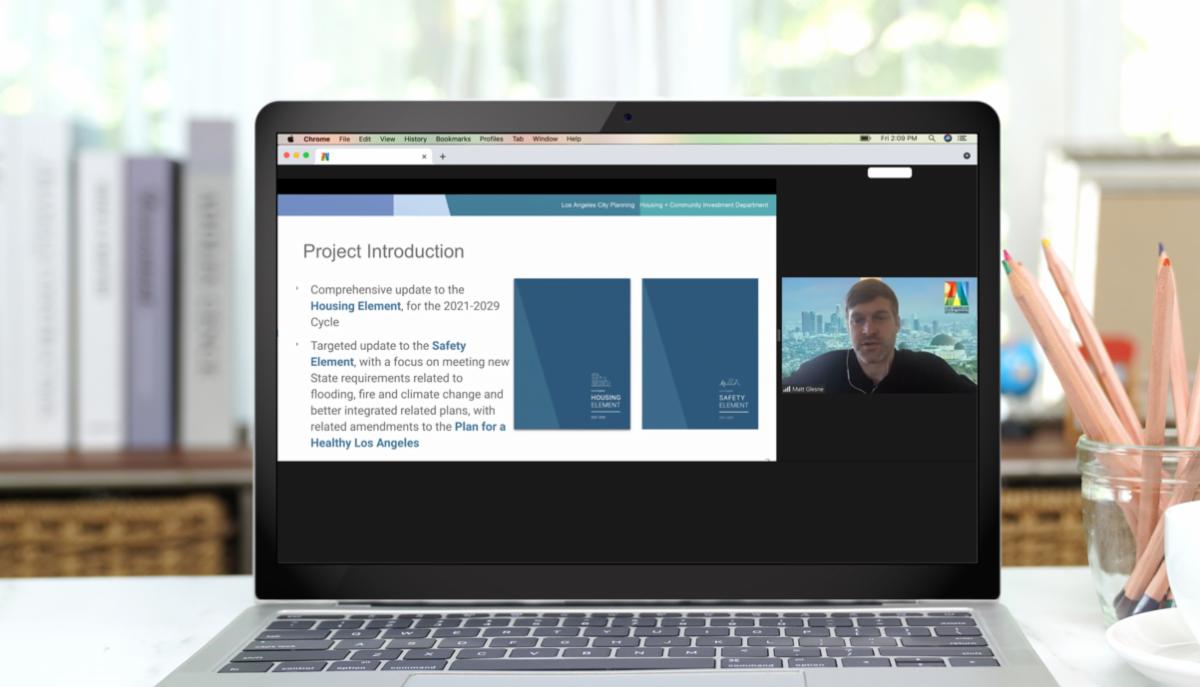
On September 11, the Housing Element Update team presented at the PlanCheckNC Neighborhood Council meeting. During the meeting, staff presented updates from the Housing Element Update process, shared the Department’s initial ideas for concepts and strategies for the production of new housing, and answered questions related to the draft policy document.
The Housing Element is a State-mandated policy document that is required to be updated every eight years. The policy document identifies the City’s housing needs, as well as opportunities for new housing, and establishes clear goals and objectives to inform future housing decisions.
Upon adoption, the 2021-2029 Housing Element will assist the City in meeting its Regional Housing Needs Assessment (RHNA) by accommodating nearly 500,000 new housing units over the next eight years, with over 200,000 of those units reserved for lower-income residents.
|
|
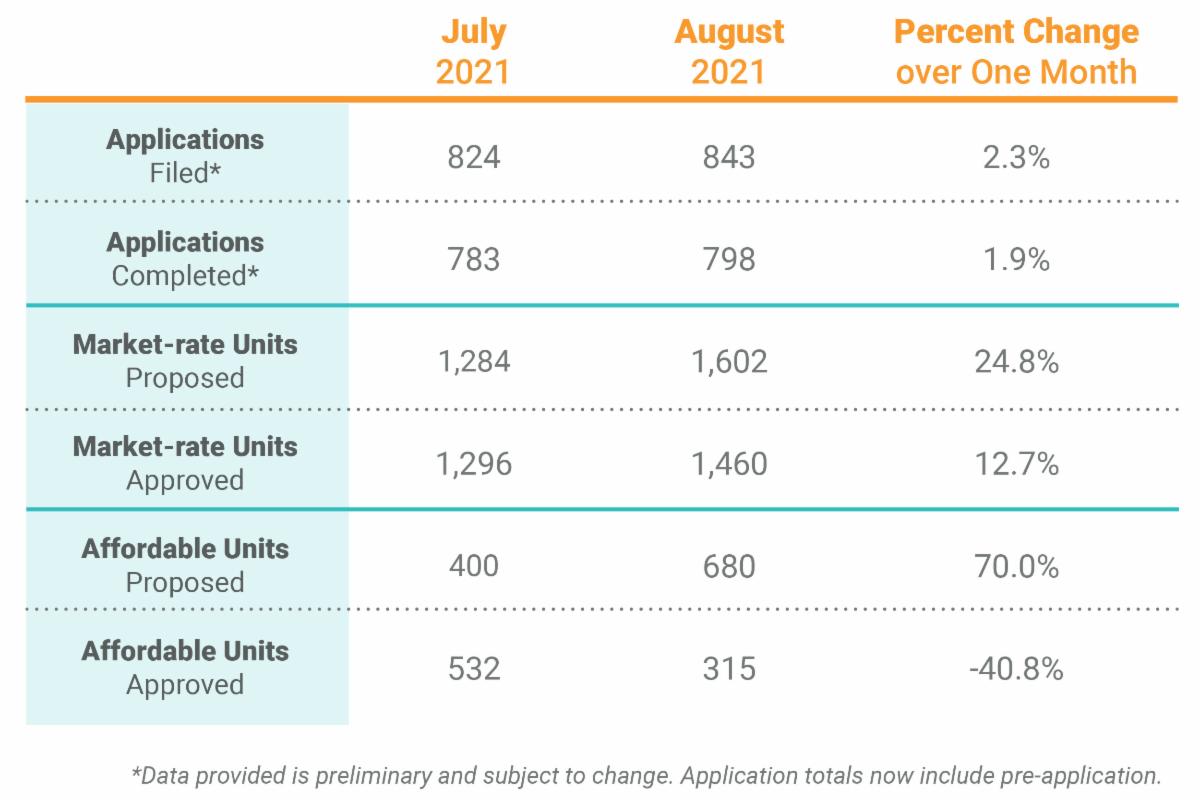
Monthly rates of filing and completion remained high in August, with filings up 32% over last year’s monthly average and completions up 30%. These trends demonstrate strong market interest in terms of development activity, as well as high productivity in the Department’s intake and initial review of planning applications. |
|
|
|
- Presented the Draft Plan and Zoning to the City Planning Commission in September 2021
- Held Public Hearing and virtual open house events in December 2020
- Facilitated Community Planning 101 webinar sessions in November 2020
-
Released updated Draft Zoning, Plan Text, Land Use Map, and Community Benefits Program in November 2020
- Extended the comment period for the Draft Environmental Impact Report (EIR) to December 4, 2020 and Draft Plan to January 13, 2021 to allow for additional input
- Conducted virtual office hours in September 2020
- Released updated draft Zoning, Plan Text, Land Use Map, and Community Benefits Program in August 2020
-
Released Draft EIR in August 2020 for a 120-day comment period
- Conducted office hours in January and February 2020
|
|
|
|
- Preparing Draft Zoning and EIR for the Harbor LA Community Plans Update
-
Released the Draft Policy Document for the Harbor Gateway Community Plan in July 2021
-
Released the Draft Policy Document for the Wilmington-Harbor City Community Plan in May 2021
- Held Office Hours in November 2020 to collect feedback on the Draft Land Use & Basic Zoning
- Released Interactive Story Map for Harbor LA Community Plans in October 2020
|
|
|
|
- Release of General Plan Land Use Map in Spring 2022
-
Conducted a series of Office Hours in February 2020
- EIR to be initiated in 2022
|
|
|
|
-
Released recorded webinars of the Draft Land Use Designations in December 2020
-
Developed an interactive StoryMap in December 2020 to detail the proposed Draft Land Use Designation maps and proposed Draft Zoning
|
|
|
|
-
Deadline for Venice 2021 Survey extended until further notice, second public meeting scheduled for late fall/early winter 2021
- Refining Draft Plan Concepts
- Preparing for continuous outreach efforts to diversify and expand public participation
-
Summarized community feedback in April 2021
-
Held a virtual public workshop to kick off the Venice Survey 2021 in November 2020
- Conducted a series of Office Hours and virtually attended community meetings, including neighborhood council meetings in September/October 2020 and early 2021
-
Released Draft Concepts and held Virtual Webinars in July 2020
|
|
Venice Division Police Station / Social and Public Art Resource Center (SPARC), 685 E. Venice Blvd. |
|
The Social and Public Art Resource Center |
|
The Social and Public Art Resource Center (SPARC) is a nonprofit arts organization founded by Chicana artist, teacher, and muralist Judy Baca in 1976 to promote and document public art that highlights the history and contributions of the country’s traditionally underrepresented communities, as well as invite local communities into the mural-making process.
SPARC’s first and perhaps best-known project is the mural “The History of California,” more popularly known as “The Great Wall of Los Angeles.” The mural tells the story of California’s marginalized and indigenous communities from prehistory to the 1960s. The Andrew W. Mellon Foundation recently granted $5 million to the upkeep of the Great Wall and an expansion that will add events from the past 70 years, through 2021.
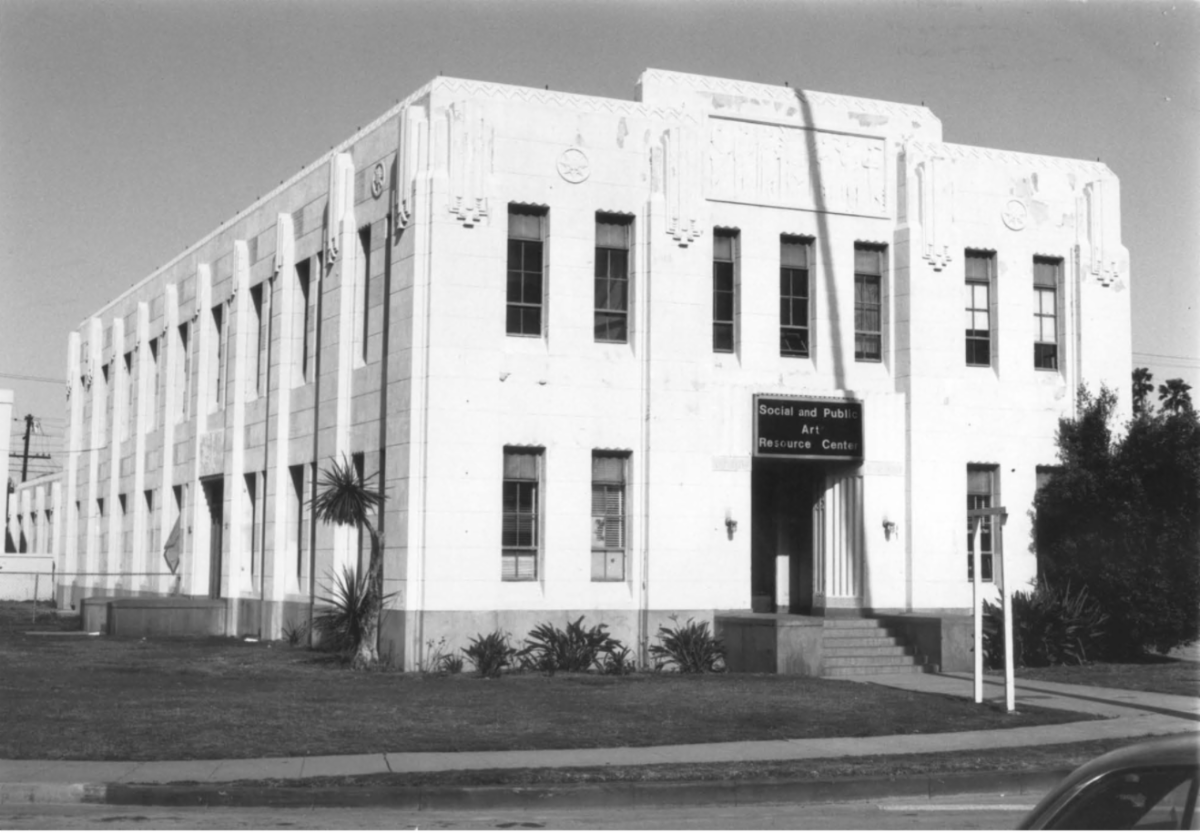
SPARC's headquarters is at the former Venice Division Police Station. The building is significant for its association with the development of Latinx visual arts and muralism, as a prominent example of Venice’s early development, and for its distinctive Art Deco architecture.
Designed and built by the City’s Bureau of Construction, the Venice Division Police Station was the first public building constructed in Venice after its consolidation with Los Angeles in 1925. The building was designated Historic-Cultural Monument #595 in 1994.
|
|
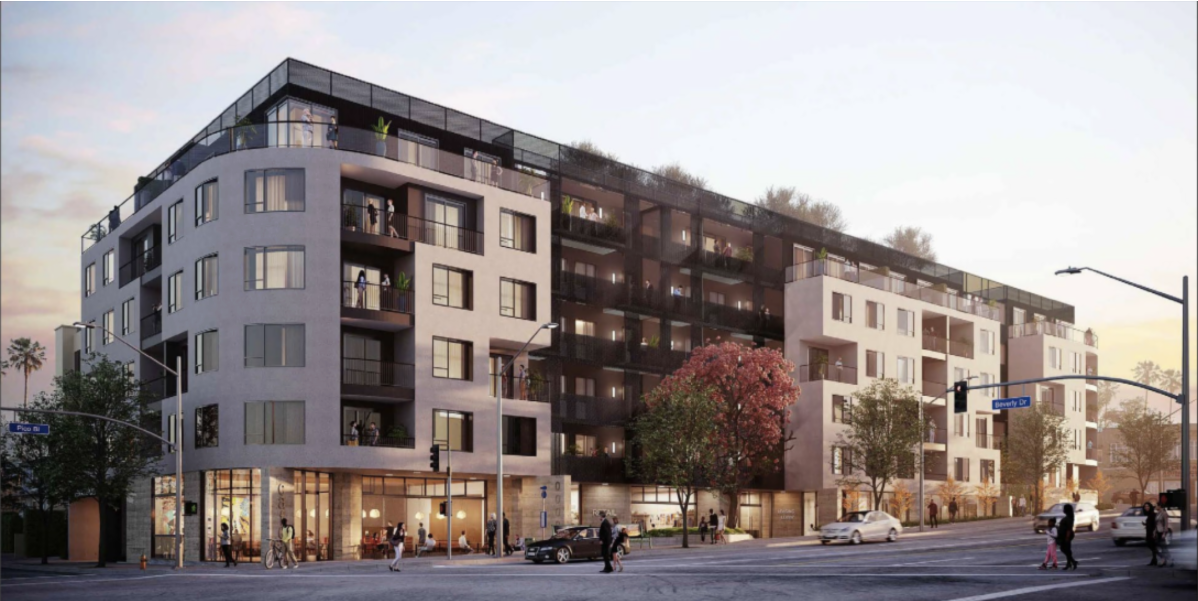
On September 9, the City Planning Commission (CPC) approved the construction of a six-story mixed-use development in the West Los Angeles Community Plan Area within Council District 5. Filed under the City’s Density Bonus program, the new building will contain 108 dwelling units, of which 13 will be set aside for Very Low-Income households (ranging from $41,400 or less for a single-person household to $59,100 or less for a family of four). The residential units will range in size and typology, including 35 studio units, 51 one-bedroom units, 16 two-bedroom units, and six three-bedroom units. The building will also contain approximately 3,250 square feet of commercial space on the ground floor as well as several residential amenities, including a fitness center, lounge, and coworking space.
|
|
October City Planning
Commission Meetings
|
|
|
October Area Planning
Commission Meetings
|
|
Central: October 12 and 26
South Los Angeles: October 5 and 19
South Valley: October 14 and 28
West: October 6 and 20
East: October 13 and 27
Harbor: October 5 and 19
North Valley: October 21
|
|
LOS ANGELES
CITY PLANNING
|
|
Sign up to receive citywide planning updates by email
|
|
|
|
|
|
|
|
|