Months Later… Why Do You Still Feel Different After a Concussion?

For many people, a concussion seems like something that should have a clear timeline.


You get injured.

You rest.

You gradually return to your normal activities.

And eventually, you expect to feel like yourself again.


But what happens when weeks turn into months and something still feels different?

Maybe you are no longer dealing with the intense symptoms you had immediately after the injury, but you still don’t feel completely like yourself.

Maybe you are no longer dealing with the intense symptoms you had immediately after the injury, but you still don’t feel completely like yourself.


You notice that your concentration is not what it used to be. You feel more easily overwhelmed. Busy environments drain you faster.

You struggle with dizziness, headaches, fatigue, or a sense that your brain just isn’t responding the way it used to.


And one of the most frustrating parts is that everything may look “normal” from the outside.

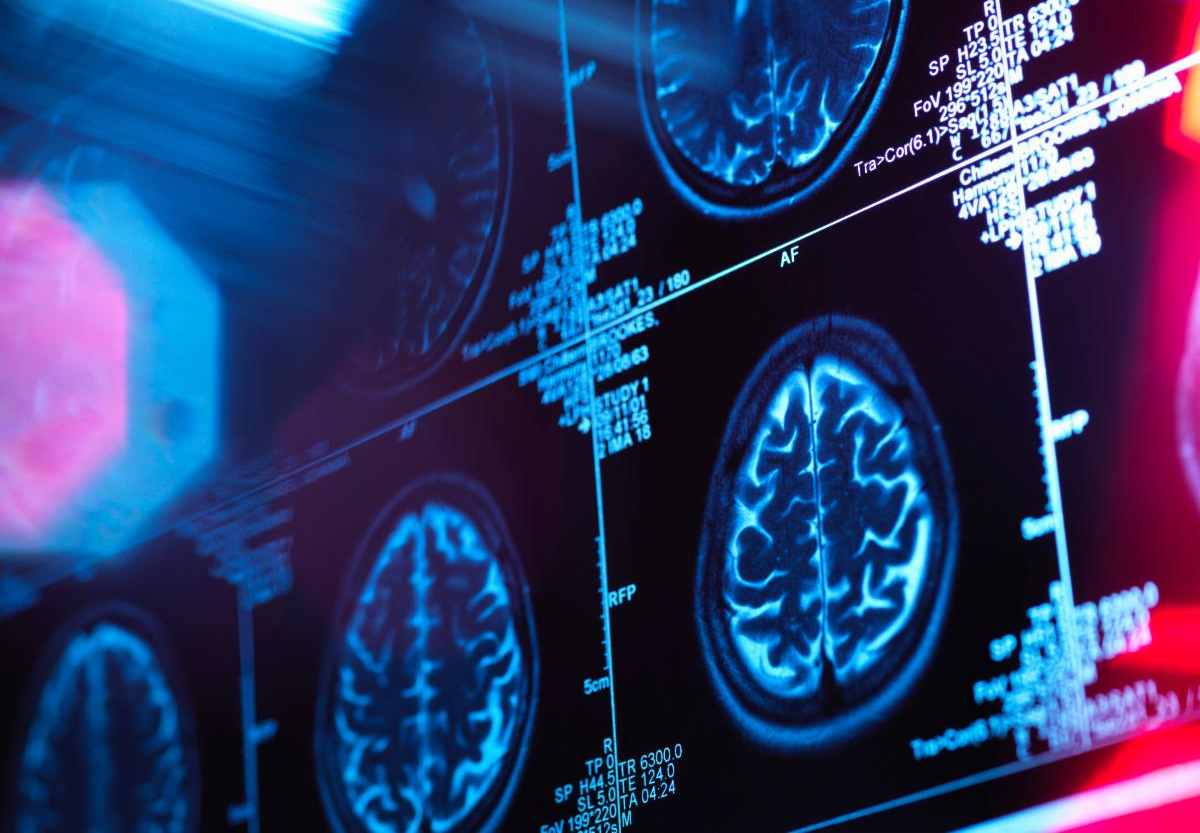
Your scans may be clear.

Your injury may have been considered mild.

Others may expect you to be fully recovered.

But your brain is telling you something different.

A Concussion Is More Than Just a Moment of Impact

When people hear the word concussion, they often think about the physical impact itself.


The hit.

The fall.

The sudden movement.

But the impact is only the beginning of what happens inside the nervous system.


A concussion can affect the way different areas of the brain communicate with one another.

Systems that normally work together automatically—such as vision, balance, movement, attention, and stress regulation—may become less efficient.


The brain is still trying to do its job.


It is just having to work harder to accomplish the same tasks.


And that increased effort can create the symptoms people often describe after a concussion.

Why Symptoms Can Continue Long After the Injury


The brain is incredibly adaptable. This ability is called neuroplasticity, and it allows the nervous system to change, learn, and adjust throughout life.


This adaptability is what helps the brain recover.

However, sometimes the brain adapts in a way that is not ideal. Instead of returning to its previous level of efficiency, it may develop new patterns of compensation.


For example, if the brain is having trouble processing visual information, it may rely more heavily on other systems to maintain stability.

If the balance system is not communicating properly, the brain may increase its alertness to compensate.


These adaptations can help someone get through the day, but they can also create ongoing strain.


This is why some people continue experiencing symptoms long after the initial injury.


The brain has adapted—but it may not have fully recovered.

The Symptoms People Often Overlook


Not every post-concussion symptom is obvious.


Many people think of concussions as causing headaches or dizziness, but the effects can show up in much more subtle ways.

People often report:


  • Feeling mentally exhausted after normal activities
  • Difficulty concentrating or multitasking
  • Increased sensitivity to light or sound
  • Feeling overwhelmed in busy environments
  • Trouble with balance or coordination
  • Changes in mood or stress tolerance
  • Feeling disconnected or “not quite like themselves”


These symptoms can be especially frustrating because they are not always easy to explain.


A person may look completely fine while their brain is working much harder behind the scenes.

Why “Just Give It Time” Isn’t Always Enough

Time is an important part of recovery.


The brain needs time to heal.


But healing and rehabilitation are not always the same thing.


If a system is not functioning efficiently, simply waiting may not provide the specific input the brain needs to reorganize and improve.

This is where a functional approach can be helpful.


Instead of only looking at the symptoms, we look at how the brain is processing information and how different systems are communicating.


The goal is not to force the brain to work harder.


The goal is to help it work more efficiently.

How We Approach Concussion Recovery at Plasticity Brain Centers

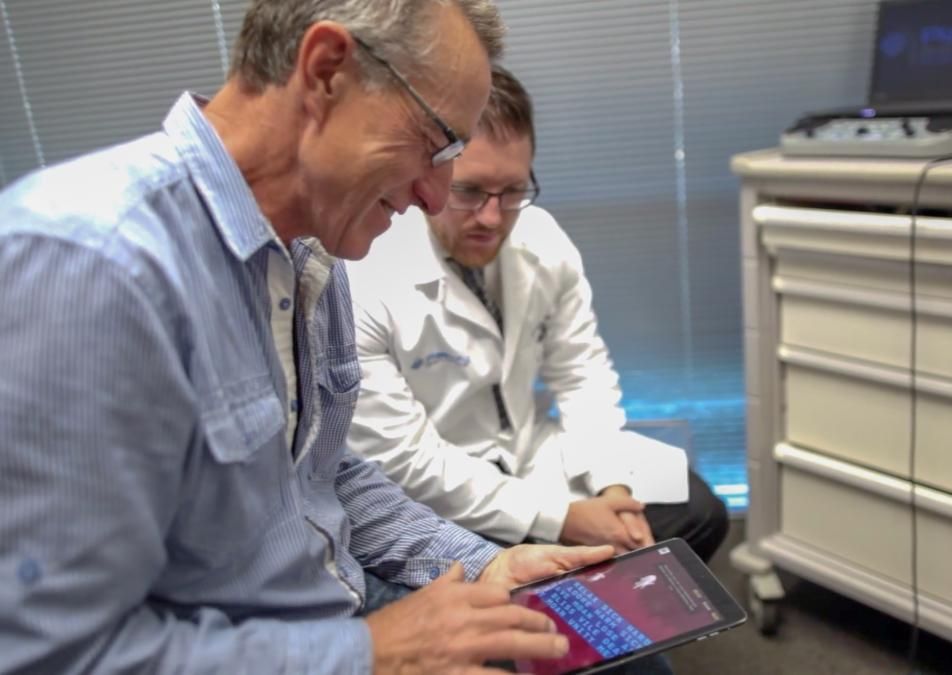
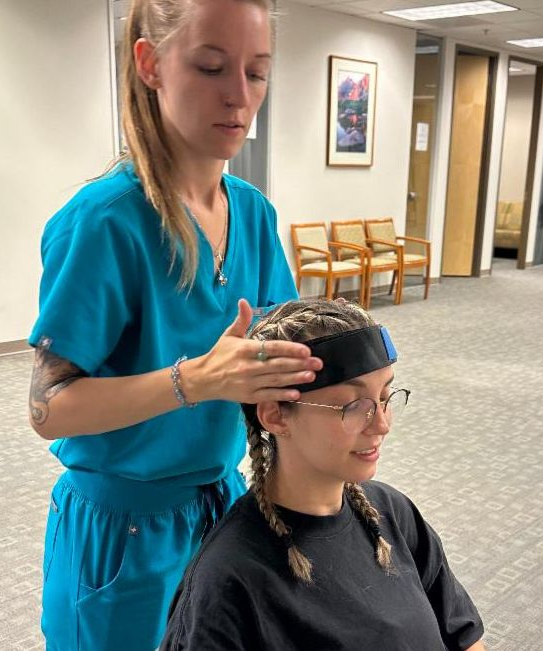
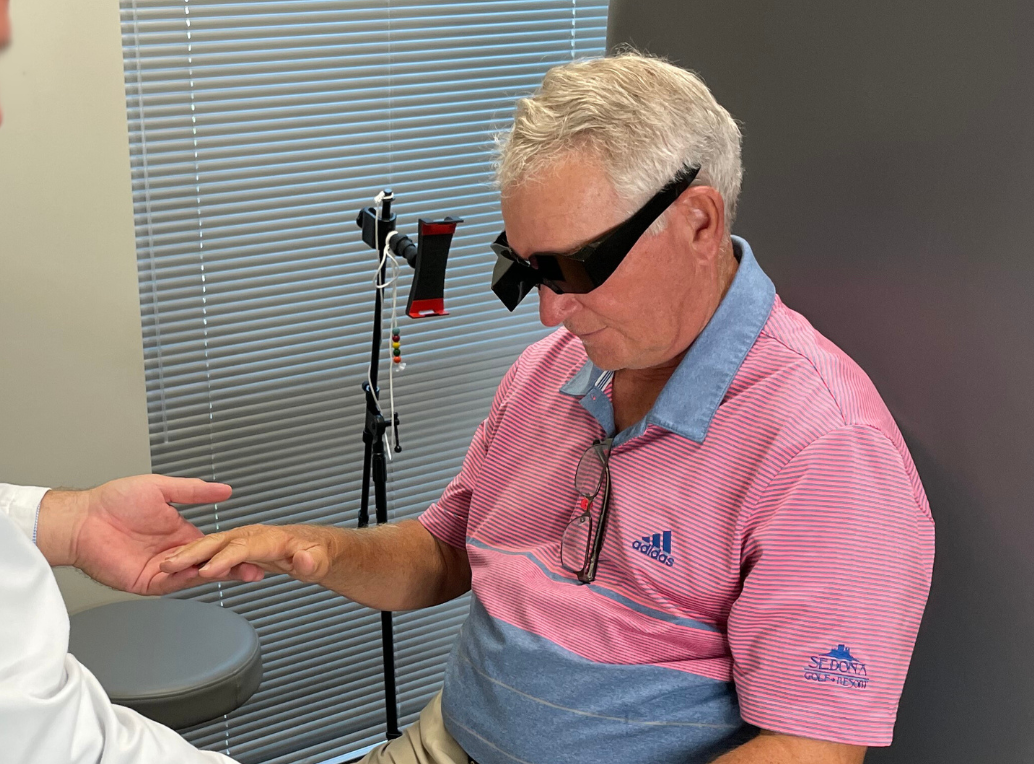
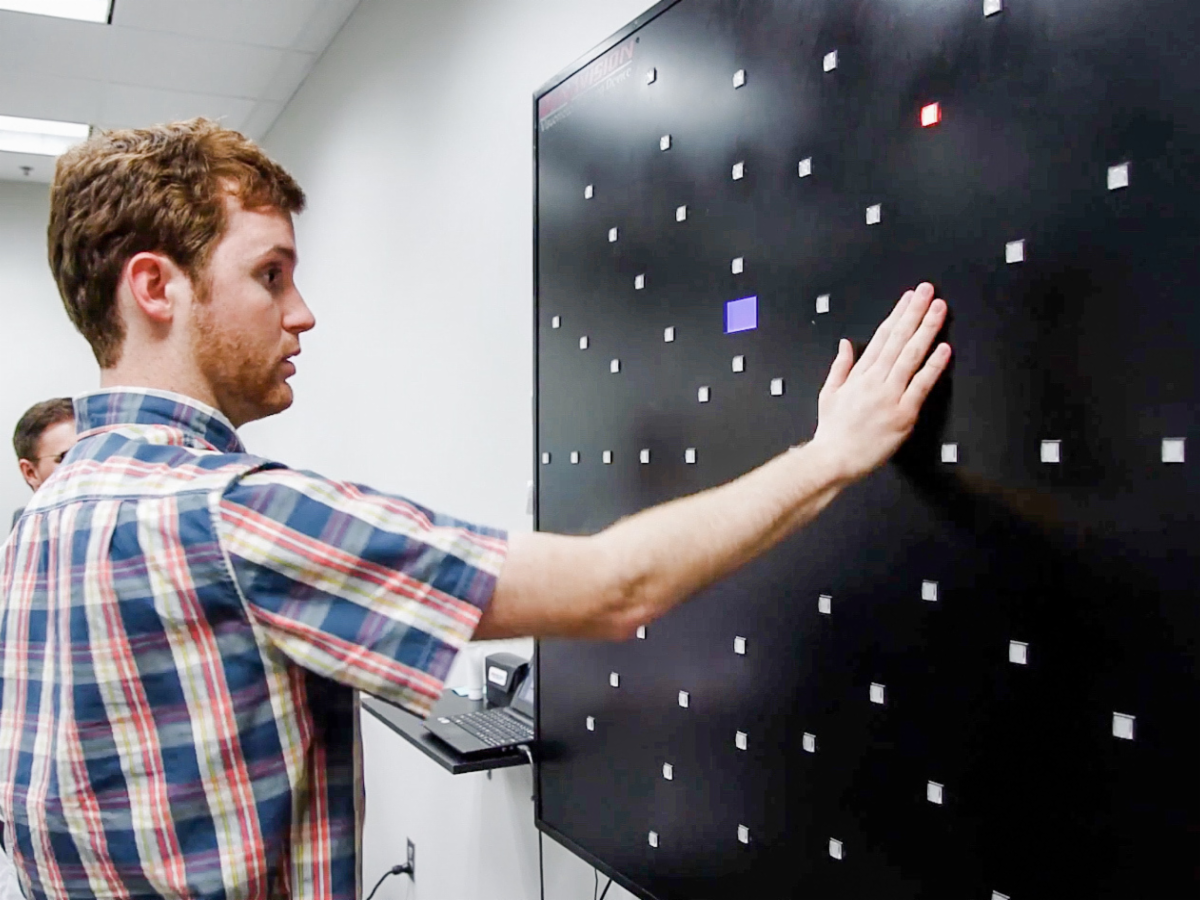
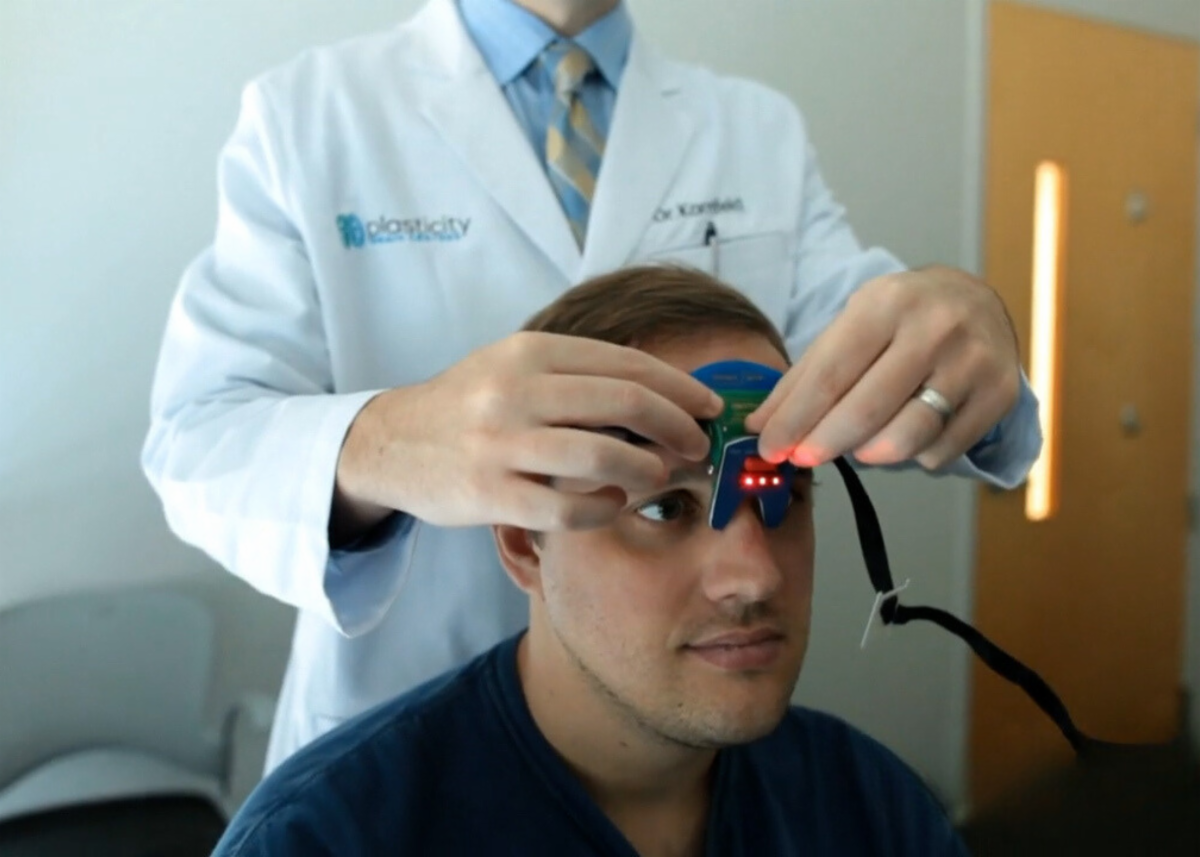
At Plasticity Brain Centers, we evaluate the systems involved in how the brain controls movement, processes sensory information, manages balance, and responds to the environment.


Every brain is different, which means every recovery process can look different. By identifying areas where the brain may be struggling, we can create targeted strategies designed to provide the type of input that supports adaptation and improved function.


Many people who come to us are not looking for a quick fix.

They are looking for answers.


They want to understand why they still feel different and what may be preventing their brain from moving forward.

If You Still Don’t Feel Like Yourself


If you are months past a concussion and still feel like something has changed, that experience is worth exploring.


You know your baseline.

You know what “normal” feels like for you.

And if you have not fully returned to that, there may be a reason.

At Plasticity Brain Centers, we help people better understand what is happening inside their nervous system and identify opportunities to support recovery through targeted neurological care.


If you or someone you know is still experiencing symptoms after a concussion, reach out to Plasticity Brain Centers to learn more about an evaluation and whether our approach may be a good fit.


PLASTICITY BRAIN CENTERS TREAT & IMPROVE:
-Vertigo -Concussion - Hypoxic Injuries - Stroke - Autism - ADHD & Dyslexia
-Cognitive Challenges - Parkinson’s Disease - Improved Brain Function - Headache & Migraine -Dysautonomia - Long Haul Covid -Dizziness 
 
We know that each person is unique and we tailor our treatments accordingly. Book your personal 15-minute phone consultation today!
Let's talk today to see if we can help.
Are you or a loved one prepared to embark on a transformative journey towards better brain health? Reach out to Katie via email at katie@plasticitycenters.com or give us a call at 855-955-9727. Discover firsthand the positive transformation that awaits you at Plasticity Centers!