|
On December 23, 2025, CMS released a proposed rule introducing the Global Benchmark for Efficient Drug Pricing (GLOBE) Model, a mandatory Innovation Center (CMMI) demonstration that would apply international pricing benchmarks to certain Medicare Part B drugs through additional manufacturer rebates. See the CMS announcement here.
While the proposal does not directly change provider reimbursement formulas, it is manufacturer-facing and could affect pricing and rebate exposure for affected products.
What is the GLOBE Model?
GLOBE is a proposed five-year CMMI demonstration that would require manufacturers of certain high-spend, single-source Medicare Part B drugs to pay rebates when U.S. prices exceed international benchmarks.
The model would apply only in randomized geographic areas representing approximately 25% of Medicare beneficiaries, but participation would be mandatory for qualifying drugs.
How would the Rebate Work?
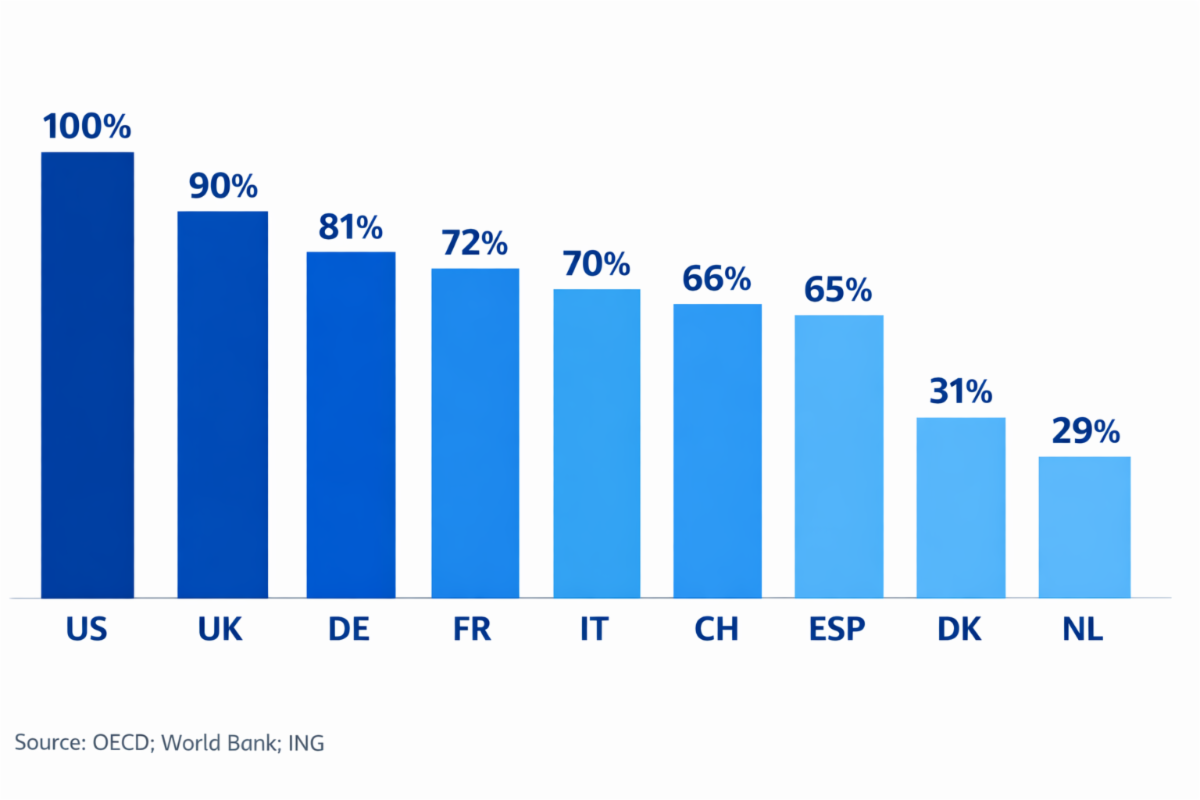
CMS would first calculate any required Medicare Part B inflation rebate under existing law, then determine an international reference price using pricing data from a set of peer countries. If the gap between the U.S. Medicare price and the international benchmark exceeds the inflation rebate amount, the manufacturer would owe the difference as an additional GLOBE rebate payable to CMS.
Formula: (U.S. price – international benchmark) > inflation rebate
Which drugs may be affected?
As proposed, GLOBE would apply to certain single-source Part B drugs and biologics with annual spending above $100 million. It would target drugs within select USP therapeutic areas (including oncology, immunology, ophthalmology, and CNS), and not subject to CMS-negotiated maximum fair prices. Biosimilars and drugs facing biosimilar competition are excluded. CMS has already identified an illustrative list of drugs that may qualify. See that list here.
|