| |
|
Friday's Labor Folklore
Con Carbon, Minstrel of the Mine Patch
|
|
| |
|
|
|
Mother Jones and the Memphis
Yellow Fever Epidemic of 1867
|
|
|
Labor organizer & agitator
|
|
- Yellow fever is a virus that is spread by the bite of an infected female mosquito. In North America there have been 25 major outbreaks. In the summer of 1793, in Philadelphia, several thousand people died of the disease, almost 10 percent of the population. At the time of the epidemic Philadelphia was the capital of the United States. The national government, including President George Washington, had to leave the city.
- Elliot Gorn, in his biography, Mother Jones : the Most Dangerous Woman in America, described yellow fever as "horrifying to behold." Flu-like symptoms accompanied by pain, bleeding and vomiting characterize this deadly disease. "Yellow fever's unpredictability and its mysterious origins added to the terror." It was not until 1900 that medical science discovered that yellow fever was spread person-to-person from the mosquito.
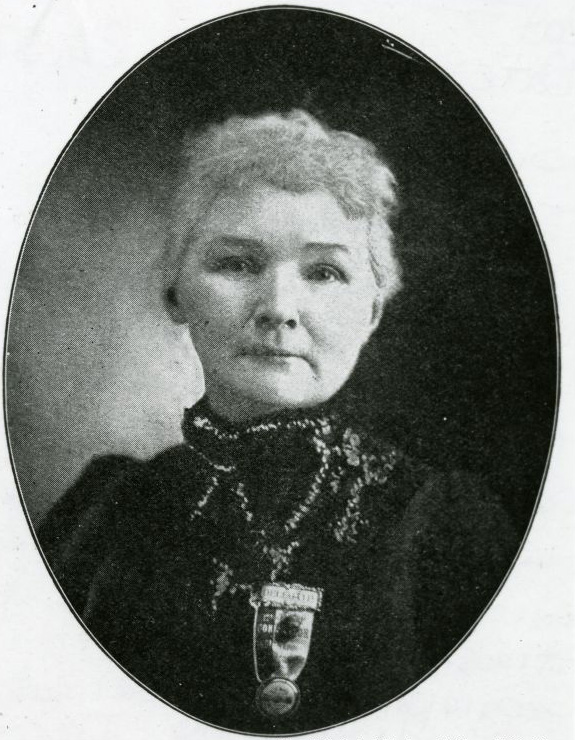
- In 1860 Mary Harris, an Irish immigrant, arrived in Memphis, Tennessee from Chicago, looking for work as a teacher. There she met and married George Jones, a skilled worker and staunch member of the International Iron Molder's Union. They settled in the poorest section of Memphis - called "Pinch Gut" - where most of the Irish lived. Mary gave birth to 4 children, 3 girls and a boy -- Catherine, Elizabeth, Terence and Mary.
- In 1867 Memphis experienced an unusually rainy spring, as ponds swelled and creeks overflowed throughout the city. When the heat of summer arrived the stagnant water created a breeding ground for mosquitoes. That's when the yellow fever epidemic hit. Residents tried to halt the spread of the disease by burning barrels of tar on the streets, by spreading lime and carbolic acid. People held sponges to their noses to avoid inhaling noxious vapors; they burned the bedclothes of victims.
- According to Judith Pinkerton Josephson in Mother Jones : Fierce Fighter for Workers Rights, "the epidemic hit hard in the Pinchgut slum. The wild cries of the dying and the wails of their loved ones pierced the air. Death carts rumbled through the streets." Public meetings were banned as one public official declared, "yellow fever must run its course and nothing we know of can stop it."
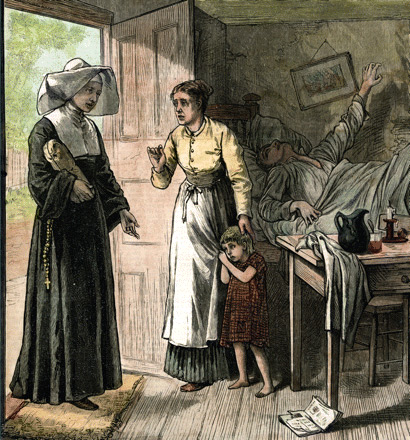
- Mary and George watched as their children became ill. Catherine, Elizabeth and Terence died and then the baby. Soon George came down with the fever and, he too, was dead. Mary had lost her entire family - her husband and 4 children - in less than a week. "I sat alone through nights of grief," she said. "No one came to me. No one could. Other homes were as stricken as mine." Believing she had been spared in order to help others, Mary volunteered to care for other yellow fever victims and their families.
- In December the first frost came to Memphis and the the epidemic gradually weakened. Over 240 people had died or one out of every hundred people in the city.
- Local 66 of the Iron Molders Union held a special meeting to honor the memory of George Jones, their union brother. Mary Jones, now a 30-year old grief-stricken widow, decided to leave Memphis for Chicago. There she would find work as a seamstress for the wealthy.
- Memphis suffered through six yellow fever epidemics. The worse was in the summer of 1878 when 5,150 people died. In that year over 17,000 cases were reported and over 25,000 Memphians fled the city. But some were not able, or could not afford, to flee.
|
Becoming Mother Jones
"The first half of Mary Jones' life prepared her for the task of becoming Mother Jones. She was, above all, a survivor -- she passed through horrific times and transcended them. This is how the twentieth century came to know her. Every time the frail old woman in her outdated black dress was arrested, issued proclamations from jail, then emerged to lead a parade of strikers, the image of her as a survivor was reinforced." (Gorn, p. 55)
"By the end of the 1890s, she had
become Mother Jones, had embraced the name and embellished the persona. Once she did that -- constructed her appearance, her speech, her public demeanor, learned to tailor that persona to the needs and expectations of her audiences -- her real career was launched." (Gorn, p. 68-69)
____________
I am indebted to Elliot Gorn for his insightful biography of Mother Jones from which I summarized, paraphrased and quoted. (Gorn, Elliott J. Mother Jones : the Most Dangerous Woman in America. New York, Hill and Wang, 2001.) In the same manner I utilized Mother Jones : Fierce Fighter for Workers' Rights. Minneapolis, Lerner Publications, 1997. I was inspired by author Judith Pinkerton Josephson's storytelling approach in this well-illustrated small biography. On-line resources included: Yellow fever, History of yellow fever (Wikipedia); Yellow fever : the plague of Memphis, Yellow Fever Martyrs Memorial and Mass Grave and Yellow fever epidemics. A solidarity elbow bump to historian Rosemary Feurer and all the good people who are working with the Mother Jones Heritage Project , an effort that deserves our support.
-- Saul Schniderman, editor.

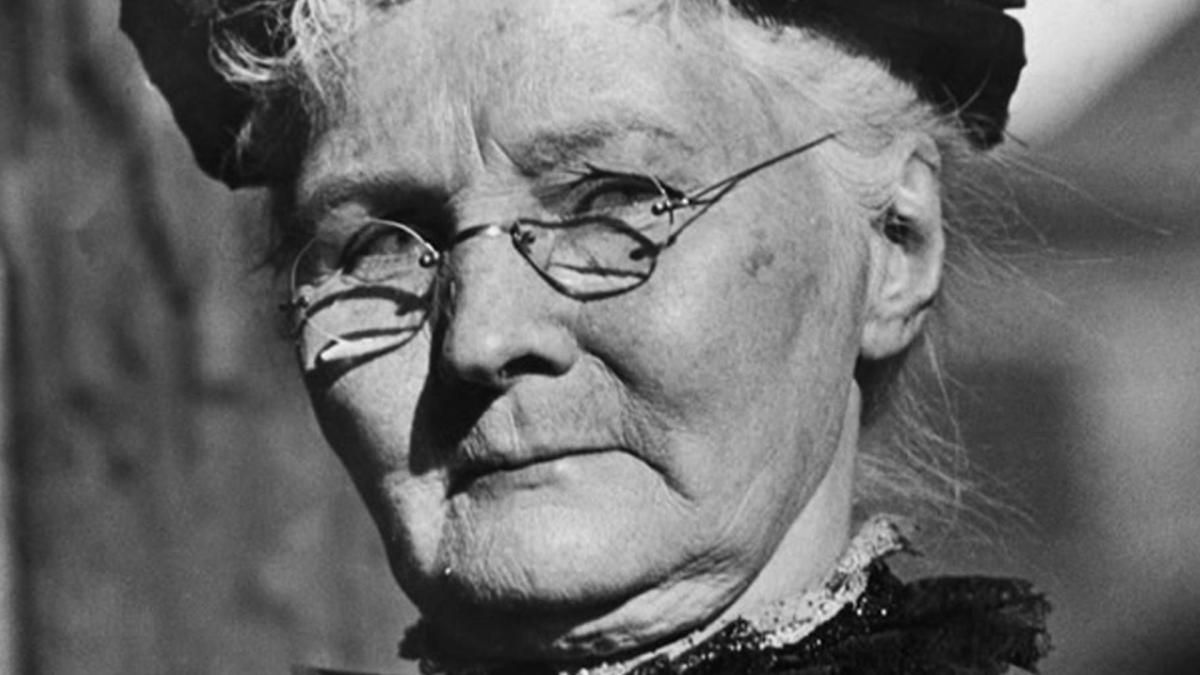
I will teach you how not to be afraid.
|
|
| |
|
|
Lift up your eyes, lift up your voice,
come to the great reunion!
Watch the replay of the live broadcast ...
a musical by Si Kahn
starring Vivian Nesbitt
|
"All who raise their voices against social injustice
and resist the easy complacency of our times
are the sons and daughters of Mother Jones."
-- Elliot Gorn
|
|
|