View as Webpage


SciStarter Newsletter − 2026

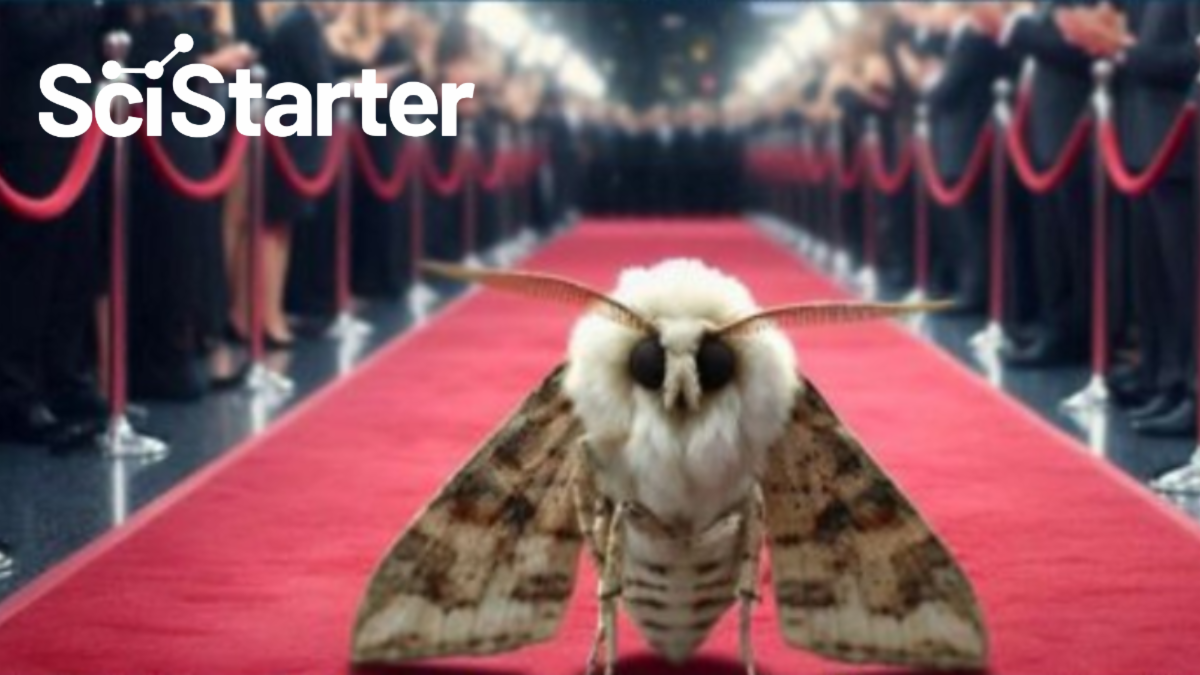
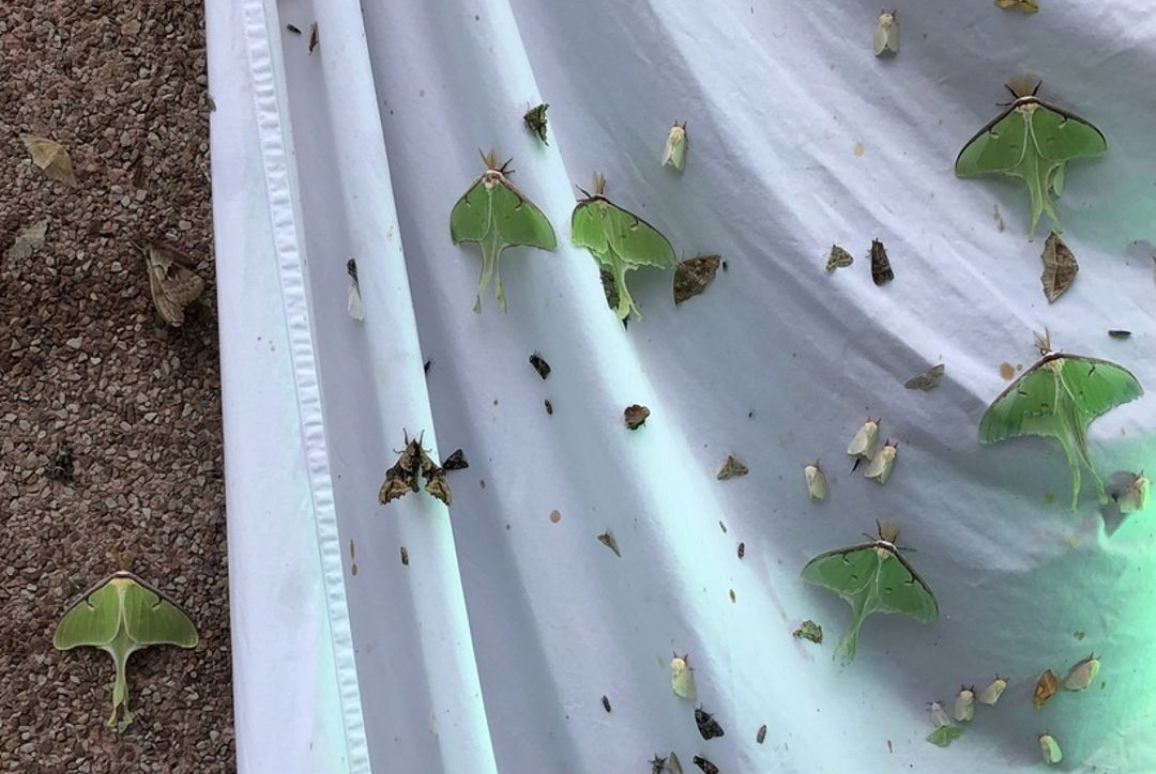
That's right. It's Moth Week! Roll out the red carpet (okay, a white sheet works even better), turn on an outdoor light, and see who drops by after dark.


Snap a photo and upload it through one of the projects below. Use iNaturalist (a free app) and you'll get an identification in seconds. Your observations help scientists track biodiversity, monitor changing ecosystems, and better understand these remarkable nighttime pollinators.


Not into moths? No problem. We've also highlighted projects featuring butterflies, beetles, and other insects—plus an online project you can do indoors.


New to citizen science? Start with SciStarter's FREE Foundations of Citizen Science course and earn a LinkedIn-ready digital credential with verifiable skills. Then continue with our NEW, FREE Champion Training to earn a second digital badge and printable certificate.

Find both free trainings at SciStarter.org/training.


Happy mothing!

The SciStarter Team

Pictured: Luna Moth (Actias luna) by iNaturalist user annawinge.

iNaturalist

Download the free iNaturalist app, then start “mothing”! You’ll quickly discover what type of moth you’re photographing.


Tip: iNaturalist is a SciStarter Affiliate. Add your iNat username to your SciStarter profile settings in the iNaturalist “Affiliate Integration” section to earn credit in your SciStarter Dashboard. You’ll only do this optional step once but you'll earn credit in your SciStarter dashboard anytime you participate in iNat!


Location: Global

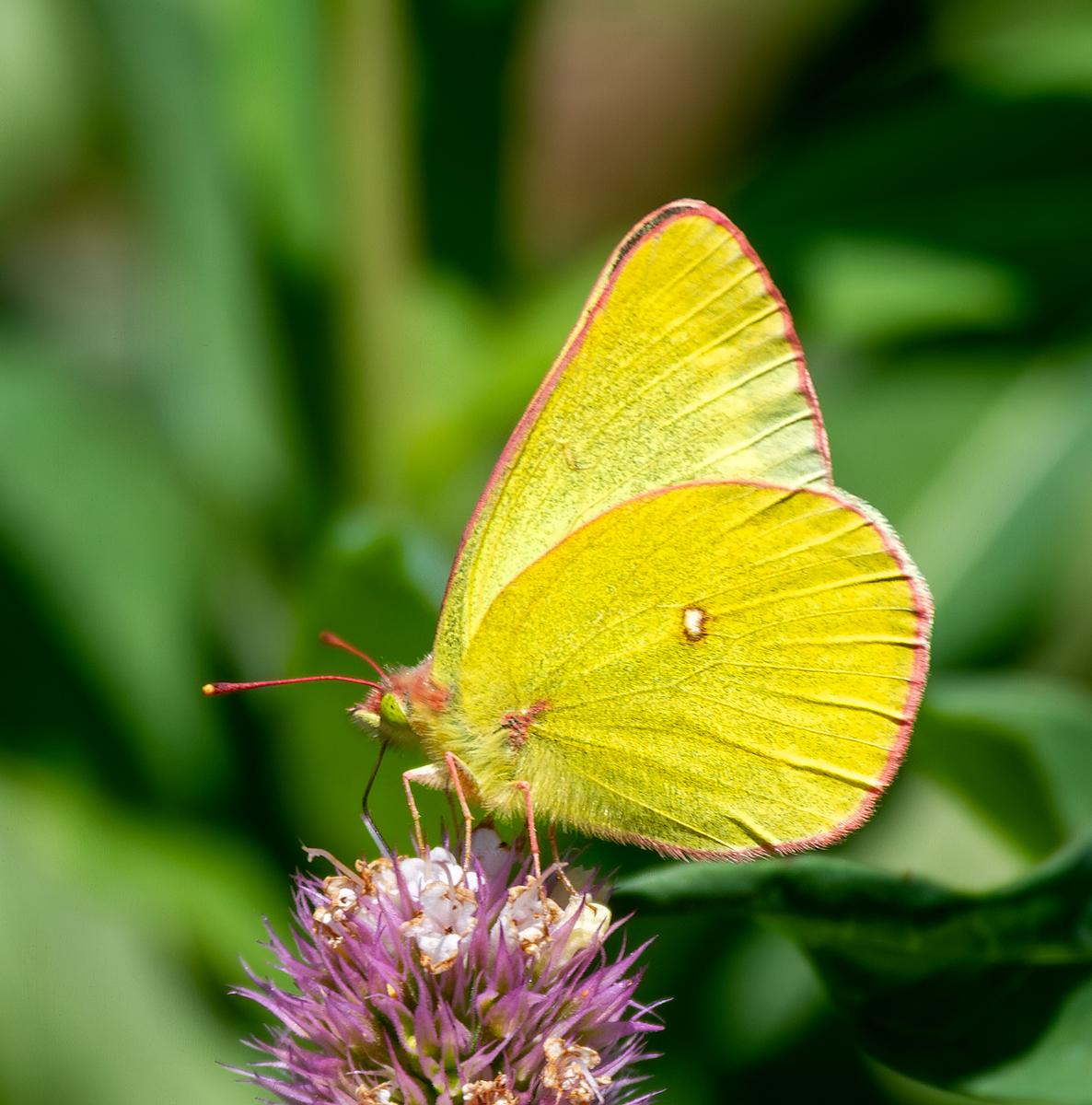
Pictured: Submission to Butterflies and Moths of North America of a blueberry sulphur butterfly.

Butterflies & Moths of North America

Butterflies and Moths of North America has been documenting Lepidoptera across the continent for decades. Upload your photos and observation details, and volunteer experts verify every submission before adding it to one of North America's most trusted biodiversity databases. Scientists use these records to study changing species ranges, pollinator health, and the impacts of climate change.

Live in Georgia, Florida, North Carolina, South Carolina, or Mississippi? You can also participate in the Great Southeast Pollinator Census.


Location: North America

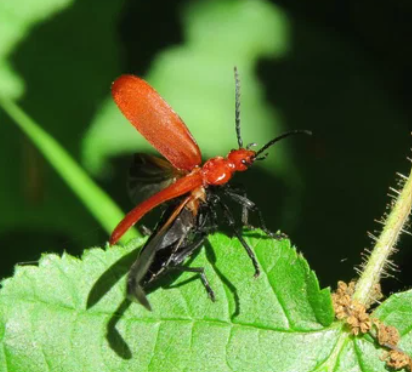
Pictured: Flying Cardinal Beetle (Pyrochroa serraticornis) © Steven Falk

Bugs Matter

Fewer insects splatter on cars now than decades ago, and tracking those "splats" helps scientists measure insect decline.


Clean your license plate before a drive, then count and photograph the bugs on it when you arrive to your destination, all through the free app. Any drive between May 1 and September 30 counts.


The 2025 results, based on over 25,000 journeys, showed UK flying insects have fallen 59% in five years.


Location: United Kingdom & France

Digivol: Indoors!

Help museums unlock millions of biodiversity records from home.


Volunteer with DigiVol to transcribe specimen labels, digitize handwritten field journals, tag wildlife in camera trap images, and preserve scientific collections for future research.


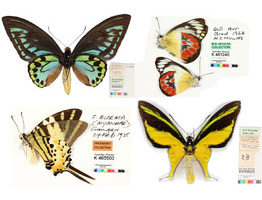
Looking for moths? Browse expeditions featuring butterflies and moth collections from museums around the world.


Location: Online

Measure Air Quality Where You Are

Wildfire smoke pushed air quality into the unhealthy range for more than 115 million people across North America recently, and fires are reshaping air quality worldwide. Check out a Monitoring Air Quality Kit from a participating library (or build your own!) to measure particulate matter with an AirBeam sensor, or find air quality projects and events on the Project Finder you can join today from anywhere.

August 2026 Solar Eclipse

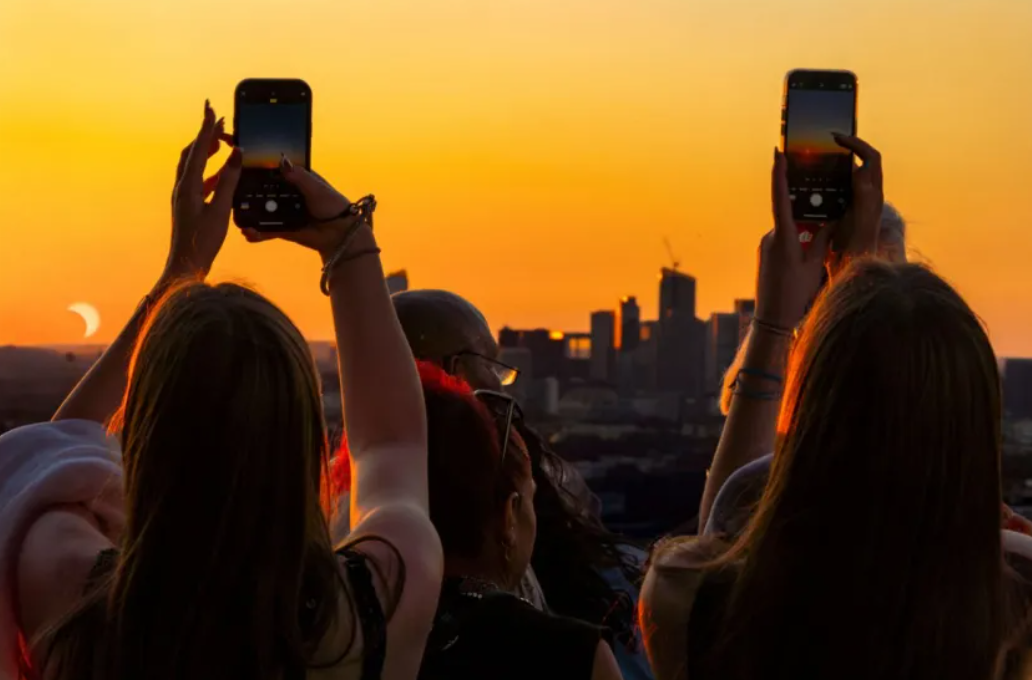
A total solar eclipse will cross parts of Europe and the Arctic on August 12, 2026, and you don't need to be a professional scientist to help study it. ☀️🌑


A new article from SciStarter partner New Scientist highlights five ways to contribute to eclipse and solar research (most are featured on SciStarter):


Don't forget to protect your eyes with certified eclipse glasses or a proper solar filter when viewing the sun!


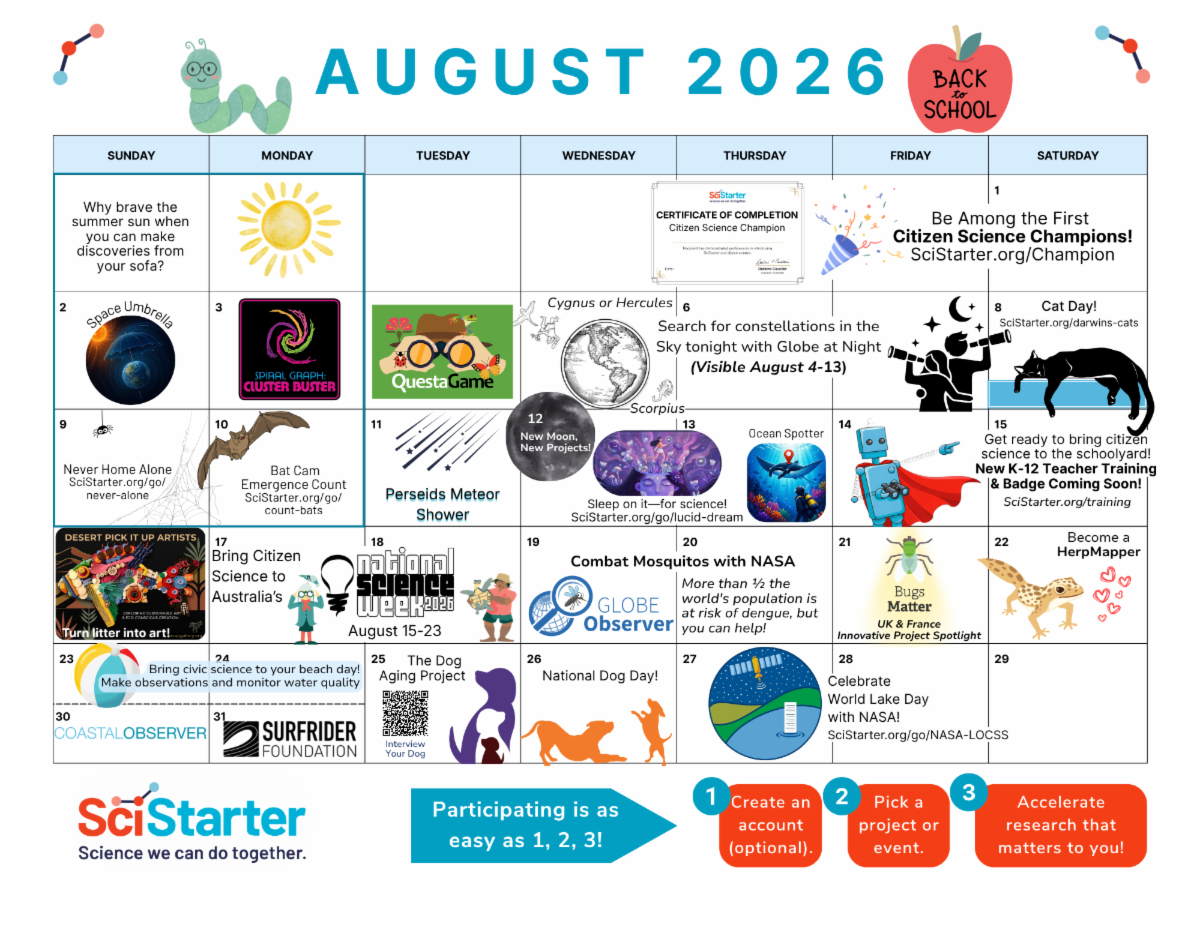
July and August offer something for everyone.

Click here to explore and print the calendars.


New projects & events featured on SciStarter


...and thousands more featured on the project finder and the event finder! Find an online or local project or event near you.

X Share
LinkedIn Share