CONTENTS

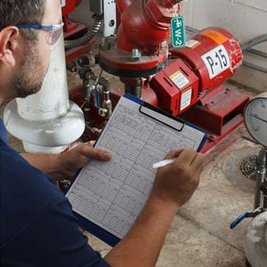
MOVING FROM COMPLIANCE TO COMMITMENT

Doing the right thing matters more than meeting the minimum.

COMMON LOCKOUT/TAGOUT FAILURES

And how to avoid them.

JOIN THE MOVEMENT

Together, we're raising the standard for workplace safety. #worksafer

INVENTORY

YOU CAN COUNT ON.

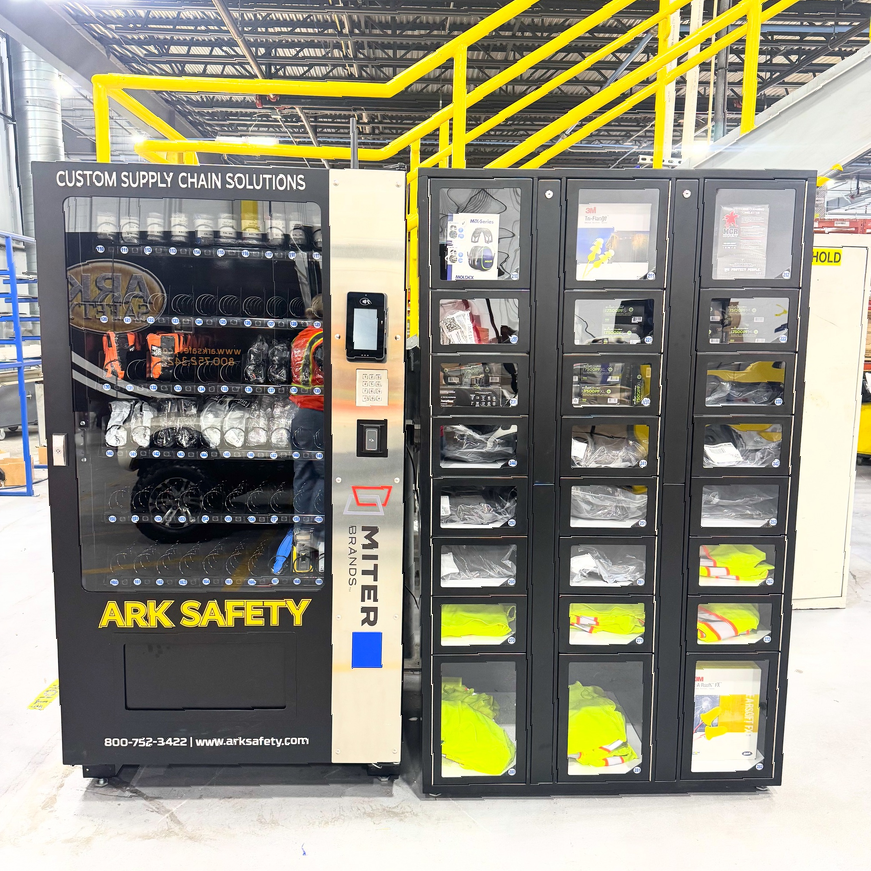
At Ark Safety, we help organizations simplify safety management and keep employees protected. Our custom Vendor Managed Inventory (VMI) solutions ensure the right safety products are available when and where they're needed.


Our team works with customers to reduce stockouts, improve visibility, introduce accountability, and streamline purchasing processes. Contact Ark Safety to learn how a customized VMI program can help improve efficiency and support your safety goals.

MOVING FROM COMPLIANCE TO COMMITMENT

BUILDING A SAFETY CULTURE WHERE DOING THE RIGHT THING MATTERS MORE THAN MEETING THE MINIMUM REQUIREMENTS.

For many organizations, safety programs begin with compliance. Regulations, standards, inspections, and documentation are essential components of any effective Environmental Health and Safety (EHS) program. Compliance establishes the minimum requirements necessary to protect workers and meet legal obligations. However, the safest organizations understand that compliance is only the starting point.


The difference between a compliant workplace and a truly safe workplace is commitment. A compliance-driven safety culture often focuses on avoiding citations, passing inspections, and meeting required training obligations. While these activities are important, they can create an environment where safety is viewed as a task to complete rather than a value to embrace. Employees may participate because they have to, not because they believe in the purpose behind the program.


Commitment-driven organizations approach safety differently. Safety is integrated into daily operations, leadership decisions, and employee behaviors. It becomes part of the organization's identity rather than a standalone initiative. Employees actively identify hazards, participate in safety discussions, and look out for one another because they understand that every incident is preventable and every worker deserves to return home safely at the end of the day.

Leadership plays a critical role in this transition. Employees quickly recognize whether safety is a genuine priority or simply a talking point. When supervisors stop production to address hazards, participate in safety observations, and demonstrate accountability for safe work practices, they send a powerful message that safety matters. Conversely, when production goals consistently outweigh safety concerns, employees receive a very different message.


Moving from compliance to commitment also requires employee engagement. Frontline workers often have the best understanding of workplace hazards and opportunities for improvement. Organizations that encourage reporting, welcome feedback, and involve employees in safety solutions build trust and ownership throughout the workforce. Employees who feel heard are more likely to participate in safety initiatives and help strengthen the overall safety culture.


One of the most effective ways to measure commitment is to examine what happens when no one is watching. Are employees following procedures because a supervisor is present, or because they understand the value of working safely? Do workers feel comfortable reporting near misses and hazards without fear of blame? These behaviors provide a clearer picture of safety culture than any audit score or inspection result.

How To Move From Compliance to Commitment

Creating a commitment-driven safety culture doesn't happen overnight, but organizations can begin making meaningful progress by focusing on a few key actions:


Increase Leadership Visibility

Safety commitment starts at the top. Leaders should regularly participate in safety meetings, conduct facility walk-throughs, and engage employees in conversations about workplace hazards and improvements. Employees notice when leaders prioritize safety through their actions, not just their words.


Encourage Hazard and Near-Miss Reporting

Employees should feel comfortable reporting concerns without fear of blame or discipline. Establish a process that focuses on identifying root causes and corrective actions rather than assigning fault. Every reported hazard or near miss is an opportunity to prevent a future injury.


Involve Employees in Safety Decisions

Workers often have the best understanding of the risks associated with their tasks. Include frontline employees in job hazard analyses, safety committees, equipment evaluations, and incident investigations. Involvement creates ownership and strengthens engagement.


Measure More Than Compliance Metrics

Tracking training completion rates and inspection scores is important, but organizations should also monitor leading indicators such as safety observations, near-miss reports, corrective action completion, employee participation, and hazard identification activities. These measurements provide a clearer picture of safety culture.


Recognize Positive Safety Behaviors

Recognition programs should reward proactive safety actions, such as reporting hazards, participating in safety initiatives, or suggesting process improvements. Celebrating positive behaviors reinforces the message that safety is a shared responsibility.


Make Safety Part of Everyday Conversations

Safety should not be limited to annual training sessions or monthly meetings. Incorporate safety discussions into daily huddles, production meetings, project planning, and operational reviews. Consistent conversations help keep safety at the forefront of decision-making.


Evaluate Whether Production Pressures Are Sending Mixed Messages

Organizations should regularly assess whether employees feel pressured to sacrifice safety for productivity. When safety and production compete, leadership must consistently demonstrate that safe work practices come first.


Compliance establishes the floor for workplace safety, but commitment raises the ceiling. Organizations that move beyond regulatory requirements often experience fewer injuries, improved morale, stronger employee retention, and increased operational efficiency. Most importantly, they create environments where safety is viewed as a shared responsibility rather than a management requirement.


At Ark Safety, we believe the strongest safety programs are built on more than policies and procedures. They are built on leadership, accountability, engagement, and a commitment to protecting people. Compliance may satisfy a regulation, but commitment creates a culture where safety becomes a core value—and that's where lasting success begins. If your organization is looking to strengthen its safety culture, improve employee engagement, or move beyond a compliance-focused approach, the safety professionals at Ark Safety are ready to help. Our team works alongside organizations to identify opportunities, develop practical solutions, and build sustainable safety programs that protect people and support operational success. Contact us today.


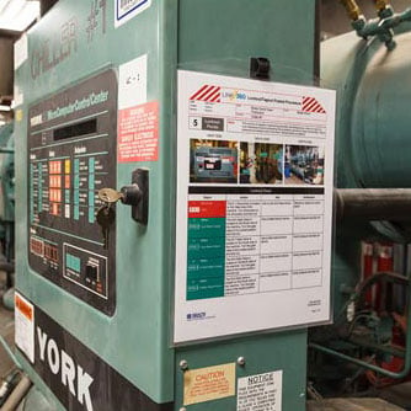
COMMON LOCKOUT/TAGOUT FAILURES

AND HOW TO AVOID THEM.

Lockout/Tagout (LOTO) is one of the most important safeguards for employees performing maintenance, servicing, cleaning, or repair work on machinery and equipment. The purpose of a Lockout/Tagout program is straightforward: protect workers from the unexpected startup of equipment or the release of hazardous energy. However, despite being a well-established safety practice, Lockout/Tagout continues to rank among OSHA's most frequently cited standards year after year.


The reality is that most LOTO incidents do not occur because a company lacks a written program. Instead, they occur when procedures are incomplete, inconsistently followed, or fail to address the specific hazards associated with the equipment being serviced.


Understanding the most common Lockout/Tagout failures can help organizations identify weaknesses before they result in an injury.


Common Lockout/Tagout Failures

Failure to Identify All Energy Sources

One of the most common mistakes is assuming that equipment only has a single energy source. While electrical energy is often the most obvious hazard, many machines also contain hydraulic, pneumatic, mechanical, thermal, chemical, or stored energy.

If all energy sources are not identified and isolated, employees may unknowingly be exposed to hazardous conditions even after lockout devices have been applied.

How to avoid it: Conduct thorough equipment assessments and ensure machine-specific procedures identify every energy source and isolation point.


Incomplete Release of Stored Energy

Even after equipment is shut down and isolated, hazardous energy may remain stored within the system. Pressurized lines, compressed springs, elevated machine components, capacitors, and rotating parts can all retain energy that poses a risk to employees.

How to avoid it: Include specific steps within procedures to release, block, bleed, restrain, or otherwise control stored energy before work begins.


Lack of Machine-Specific Procedures

Generic Lockout/Tagout procedures may not adequately address the unique characteristics of individual equipment. Employees need clear instructions that identify the proper shutdown sequence, isolation methods, verification steps, and startup procedures.

How to avoid it: Develop and maintain machine-specific energy control procedures for equipment that requires detailed lockout instructions.


Failure to Verify Isolation

Applying locks and tags does not guarantee equipment has been fully de-energized. Verification is a critical step that is sometimes overlooked, especially when employees are under production or maintenance pressures.

How to avoid it: Require authorized employees to verify a zero-energy state by testing controls and confirming that equipment cannot operate before beginning work.


Inadequate Employee Training

Even well-designed programs can fail if employees do not fully understand their responsibilities. Over time, employees may develop shortcuts, misunderstand procedures, or become complacent with routine tasks.

How to avoid it: Provide regular training and refresher sessions for authorized, affected, and other employees as required. Reinforce expectations through observations, coaching, and routine safety discussions.


Improper Use of Locks and Tags

Lockout devices are intended to provide individual control and accountability. Problems can arise when employees share locks, fail to use personal locks, or rely solely on tags where lockout devices can be applied.

How to avoid it: Ensure each authorized employee uses their own lock and follows established procedures for applying and removing lockout devices.


Failure to Update Procedures After Changes

Equipment modifications, process changes, and facility expansions can create new energy hazards that existing procedures may not address. Outdated procedures can leave employees vulnerable to risks that were not previously present.

How to avoid it: Review Lockout/Tagout procedures whenever equipment is modified and conduct periodic audits to verify procedures remain accurate and effective.


Building a Stronger LOTO Program

An effective Lockout/Tagout program requires more than written procedures. It requires ongoing evaluation, employee involvement, and leadership commitment. Organizations can strengthen their programs by:

  • Conducting periodic inspections of energy control procedures.
  • Reviewing machine-specific procedures annually.
  • Verifying all energy sources, including stored energy.
  • Reinforcing proper verification practices before work begins.
  • Providing routine refresher training for authorized employees.
  • Encouraging employees to report concerns, gaps, or unclear procedures.
  • Evaluating new equipment and process changes for energy control requirements.

Lockout/Tagout is not simply a regulatory requirement—it is a critical life-saving process. When procedures are followed consistently and employees understand the importance of every step, organizations can significantly reduce the risk of serious injuries and fatalities associated with hazardous energy.


At Ark Safety, our safety professionals can help evaluate your Lockout/Tagout program, review machine-specific procedures, identify gaps, and recommend practical solutions to strengthen energy control practices and improve workplace safety. We would be honored to partner with your team in this critical safety initiative and help strengthen your organization's commitment to protecting employees. Contact us today to get started.


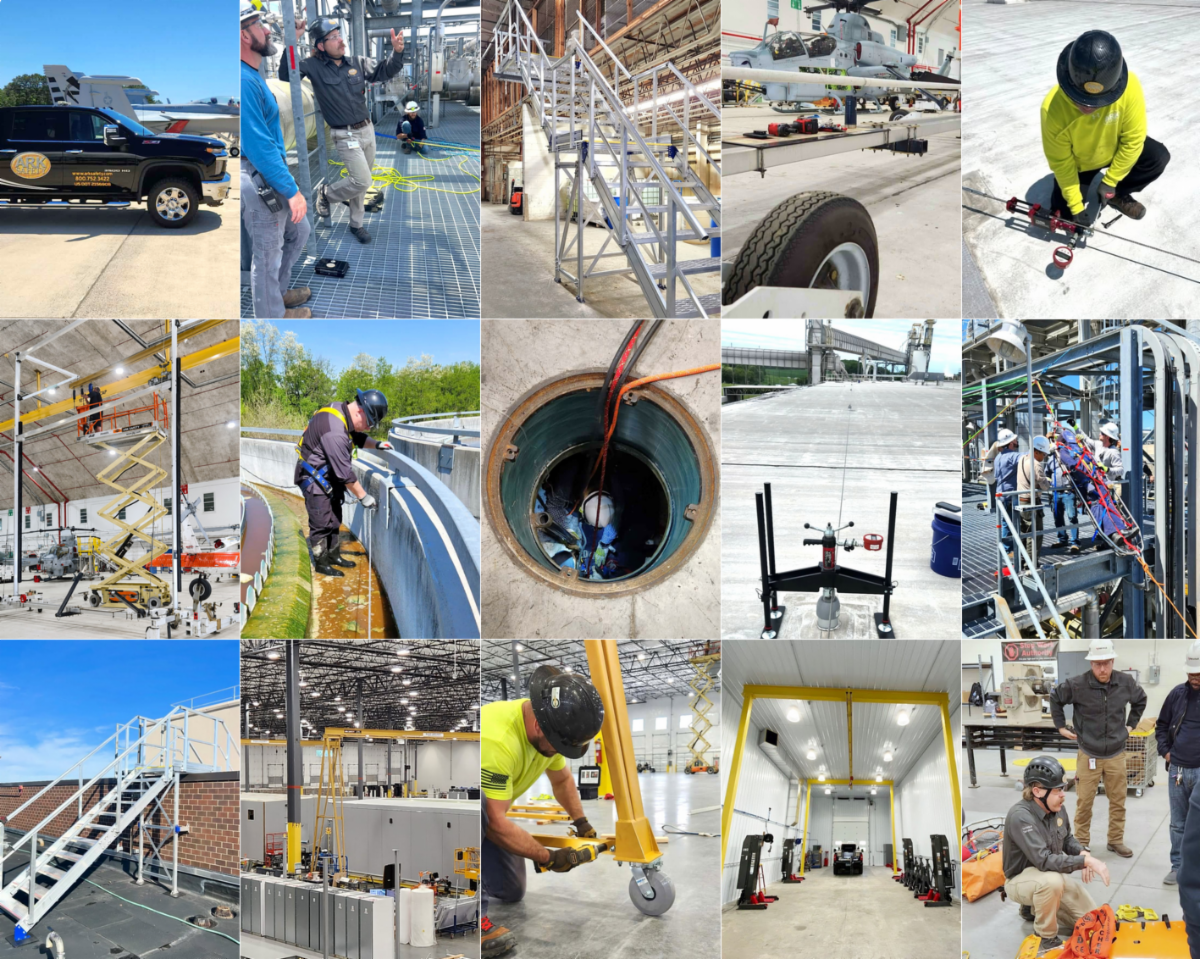
JOIN THE #WORKSAFER MOVEMENT

TOGETHER, WE'RE RAISING THE STANDARD FOR WORKPLACE SAFETY.

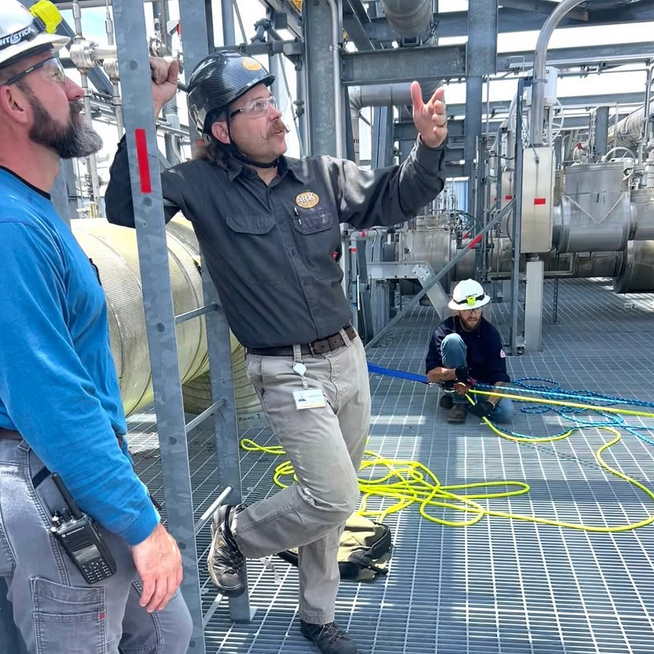
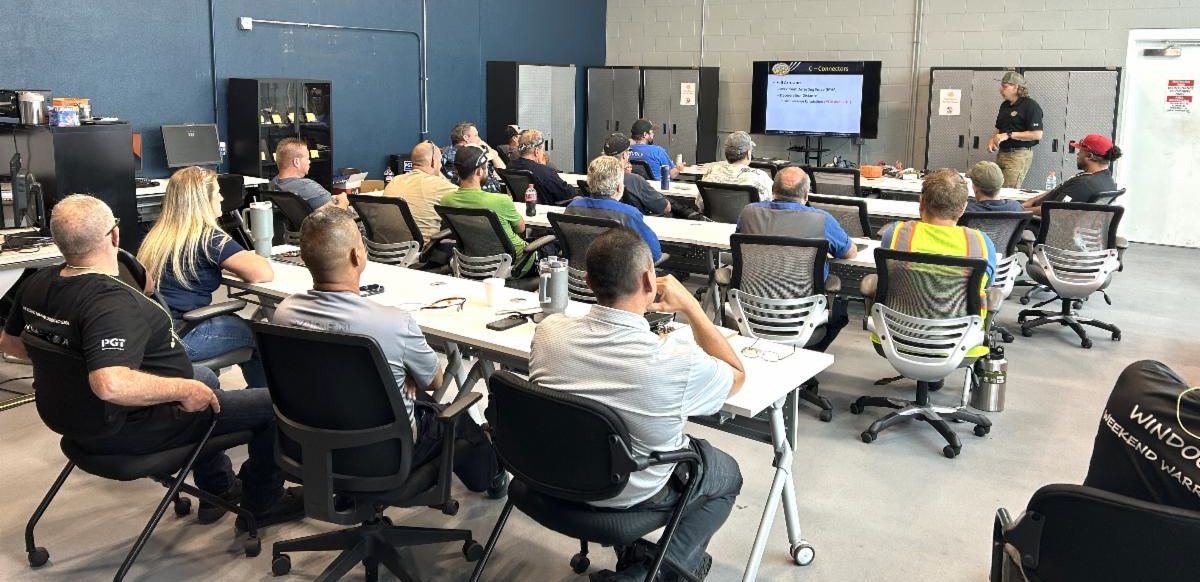
Join the #worksafer movement and see how Ark Safety is helping organizations create safer, more productive workplaces every day. Follow us on social media for safety insights, product highlights, industry updates, and a behind-the-scenes look at our team doing what we're passionate about—helping our customers build safer workplaces.


Connect with us using the links in the email footer, and don't forget to join the conversation. If you're using Ark Safety products or services, tag us and use #worksafer for a chance to have your photo featured on our social media channels.


ARK SAFETY | arksafety.com | 1-800-752-3422


Facebook  X  Linkedin  Instagram