|
I tend not to follow the crowd. So, at a time when everyone is talking about shifts in federal funding and DEI, I was almost hesitant to follow suit, but then I thought how could I not?
As a fundraising professional and Compass leader, I made a conscious decision to support as many BIPOC-led organizations as we can. Many of these nonprofits were founded with government support, which provided a crucial foundation for their mission-driven work. However, over time, we’ve seen how reliance on federal funding—subject to shifting political landscapes—can create uncertainty and instability. That’s why one of the most rewarding aspects of our work has been helping these organizations diversify their revenue streams by securing private support.
For nonprofits historically dependent on federal dollars, developing a strong pipeline of private funding is essential. It’s not just about financial sustainability. It’s about building relationships—sometimes one at a time—and focusing resources on individual donors who continue to be the largest source of philanthropic giving (67%) per the latest Giving USA Report.
Building a Culture of Philanthropy One of the first steps in expanding an organization’s pool of friends is fostering a culture of philanthropy. This means:
-
Staff and board education: Build understanding of the value of private funding and the role everyone plays in attracting, securing, and stewarding it.
-
Individual donor engagement: Articulate a compelling Case for Support, communicate impact effectively, and create meaningful donor experiences.
-
Foundation and corporate partnerships: Strengthen relationships with decision-makers to secure diverse funding sources, remembering that data shows corporate donations and foundations increased over the last two years (Giving USA).
Growing a Sustainable Pipeline Growing a sustainable funding pipeline requires intentionality and strategy. Some key areas to focus on include:
-
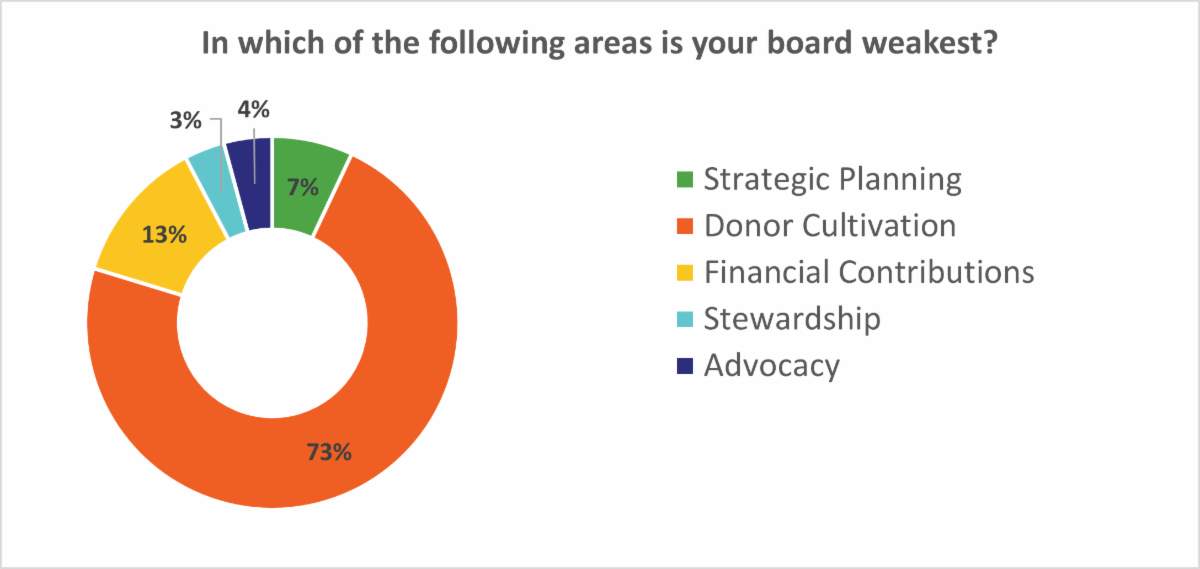
Major gifts and giving: Cultivate new friends who align with your mission and turn them into loyal donors.
-
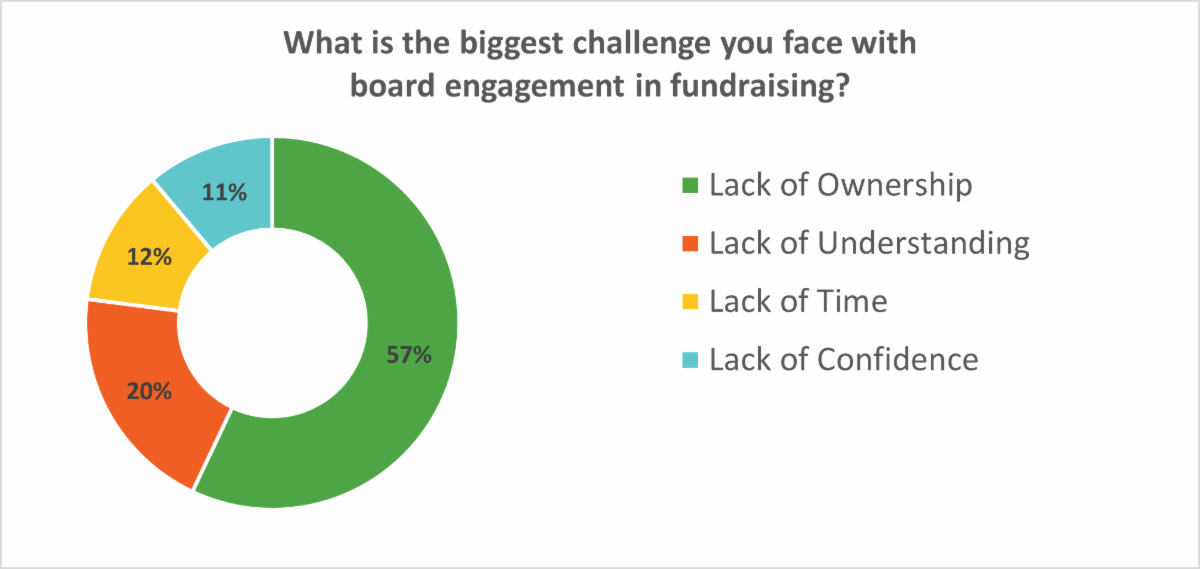
Board engagement: Leverage your closest leaders, set clear fundraising expectations, and equip them with the tools to succeed.
-
Data and stewardship: Lean into advancements in fundraising technology, track donor engagement, and ensure ongoing communication to build lasting relationships.
A diversified funding strategy allows organizations to weather political shifts and economic uncertainty. It also strengthens your ability to innovate, grow, and lead in your communities without being tied to the unpredictability of federal budgets.
We’ve enjoyed working with organizations to build this capacity, and we look forward to continuing this journey. Together, we can build stronger, more resilient nonprofits that thrive—no matter the funding landscape nor the evolving dialogue around diversity, equity, and inclusion.
|