For Immediate Release: 9/23/26

Contact: John Callaghan | jcallaghan@hrbrrd.ny.gov | (518) 465-3491


INDIAN LAKE DAM REHABILITATION PROJECT COMPLETED, STRENGTHENING FLOOD PROTECTION, ENHANCING DOWNSTREAM WATER QUALITY AND PRESERVING A VITAL ADIRONDACK RESOURCE

Completion of Three-Year Rehabilitation Project Helps Protect Downstream Residents from Flooding, Provides New Recreational Amenities, Delivers Ecological Benefits and Aids in Renewable Energy Production

Indian Lake – The Board of the Hudson River – Black River Regulating District today announced the completion of a comprehensive rehabilitation of the historic Indian Lake Dam, marking a major investment in the safety, reliability and long-term sustainability of one of the most important water-management resources in the Adirondacks. The over $20 million investment has strengthened the 128-year-old structure and brought it into compliance with modern New York State Department of Environmental Conservation (DEC) dam safety standards, helping ensure that it can continue to provide critical downstream flood protection while increasing levels of resiliency, ecological health, renewable energy production, and local economic and recreational benefits. The project represents another significant milestone in the Regulating District’s ongoing commitment to renewing its aging water-retaining infrastructure, made possible in large measure by Governor Kathy Hochul’s recognition that these facilities are essential public infrastructure deserving of sustained investment. The completion of this important project preserves a resource that has served Indian Lake and downstream communities for generations and can now continue to do so safely and reliably for decades to come.


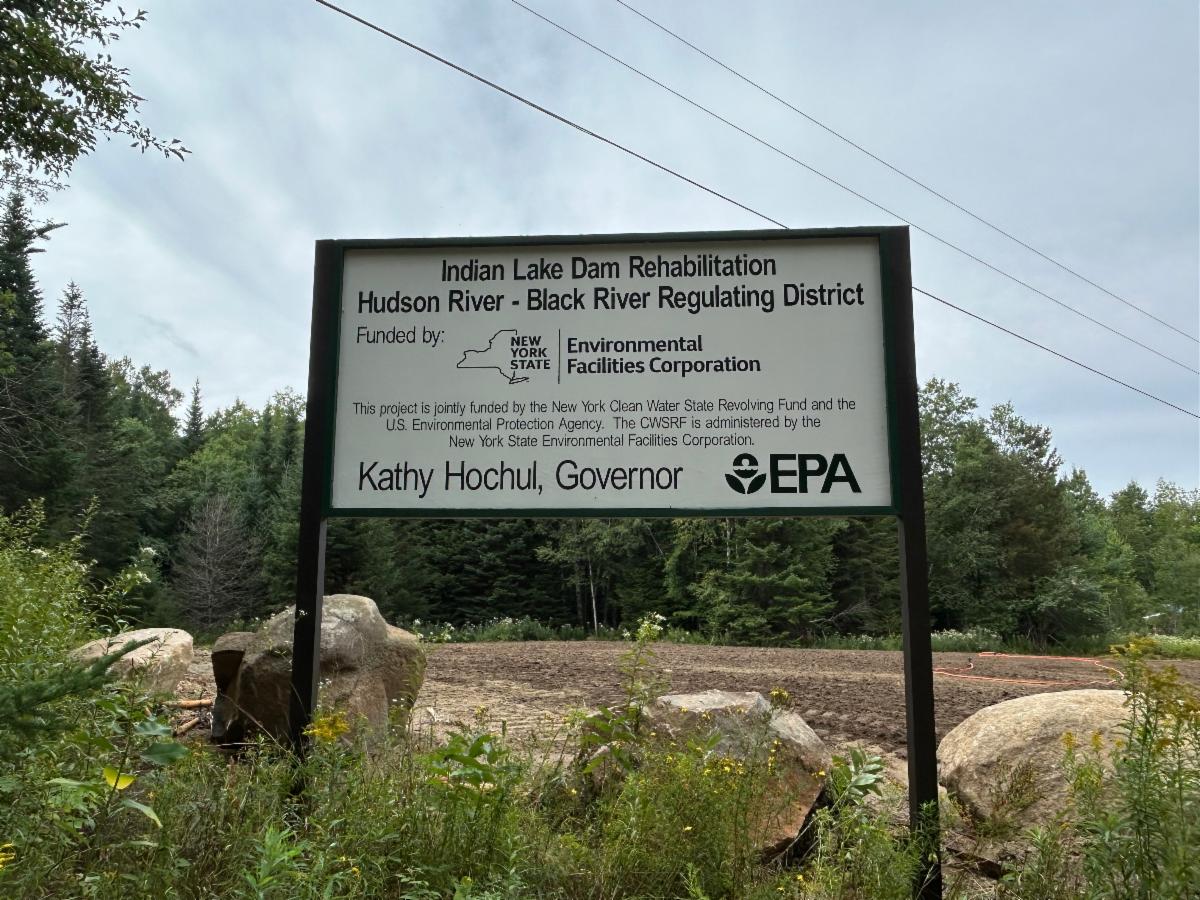
The project was substantially funded on a pay-as-you-go basis by the Regulating District, and with financing through the Environmental Facilities Corporation’s (EFC) Clean Water State Revolving Fund (CWSRF). As work to repair the 128-year-old structure progressed, additional work was identified which added nearly $5 million to the cost of construction. These additional costs were addressed through funding allocated by Governor Kathy Hochul and the New York State Legislature in the New York State budget, part of a nearly $100 million investment by the Governor and Legislature in critical water-retaining infrastructure used for flood protection under the Regulating District’s jurisdiction, the largest such investment in the Regulating District’s history. 


Hudson River – Black River Regulating District Chairman Mark Finkle said, “We are grateful for the commitment that Governor Hochul and the Legislature made to this project, and to the partnership with EFC through which we financed the majority of the work to strengthen the dam and enhanced our ability to provide environmental and flood control benefits to downstream communities.”


New York State Department of Environmental Conservation (DEC) Commissioner Amanda Lefton said, “The Hudson River–Black River Regulating District’s work to assess the Indian Lake Dam and advance this rehabilitation project demonstrates the value of strong partnerships in protecting public safety and supporting Adirondack communities. DEC is proud to work alongside the District and local stakeholders to help ensure this infrastructure meets modern dam safety standards while preserving the many benefits it provides. This project will help ensure Indian Lake continues to provide recreational, environmental, and economic benefits to the community for years to come.”


Environmental Facilities Corporation President & CEO Maureen Coleman said, “Indian Lake and the surrounding waterways are part of the fabric of Adirondack communities, supporting families, businesses, recreation, and the natural environment. Rehabilitating the historic dam is helping to ensure this infrastructure remains safe and reliable for the people who depend on it, while strengthening flood protection for downstream communities. This investment also supported local jobs and economic activity, demonstrating that when we invest in water infrastructure, we are investing directly in the health, safety and future of our communities.”


Hudson River – Black River Regulating District Executive Director John Callaghan said, “Thanks to unprecedented levels of support for critical water-retaining infrastructure under the Regulating District’s jurisdiction by Governor Hochul and the Legislature, residents can rest assured that this structure is now fully compliant with modern DEC dam safety regulations, and able to continue its significant local and downstream benefits in the decades ahead.”


Hudson River – Black River Regulating District Chief Engineer Robert Foltan said, “We are pleased to have worked with Colliers Engineering & Design and C.D. Perry & Sons to successfully complete this generational investment in the structural stability, readiness, and functionality of the Indian Lake Dam. This structure plays an integral role in providing flood protection and enhancing water quality for downstream communities, as well as providing significant economic and recreational benefits to Indian Lake residents. The work just completed will ensure these benefits can continue uninterrupted for future generations.”

Adirondack Architectural Heritage Executive Director Erin Tobin said, “The Hudson River-Black River Regulating District’s commitment to preserving historic infrastructure stands as a model for others, demonstrating how a historic stone masonry dam can be rehabilitated to meet modern safety standards and also preserving the historic gatehouse. Congratulations to the Regulating District for this significant achievement!” 


Indian Lake Town Supervisor Brian Wells said, “We are thankful for this major investment in Indian Lake, and for the Regulating District’s focus on maintaining normal water levels throughout construction. We are glad to see this project come to fruition, and look forward to the community benefits Indian Lake Dam will reliably provide for our residents in the years ahead.” 


Indian Lake Association President Helen Glass said, “The Indian Lake Association is very pleased to see this important project successfully completed. From the outset, we were particularly focused on how construction at the dam might affect the people who live on and enjoy Indian Lake. The Regulating District did an outstanding job planning and managing the project to minimize impacts on property owners, boaters and other recreational users. Equally important, the Regulating District maintained frequent and open communication throughout the project, keeping us informed of developments, progress and important project milestones. We greatly appreciate their efforts and commitment to the Indian Lake community.”


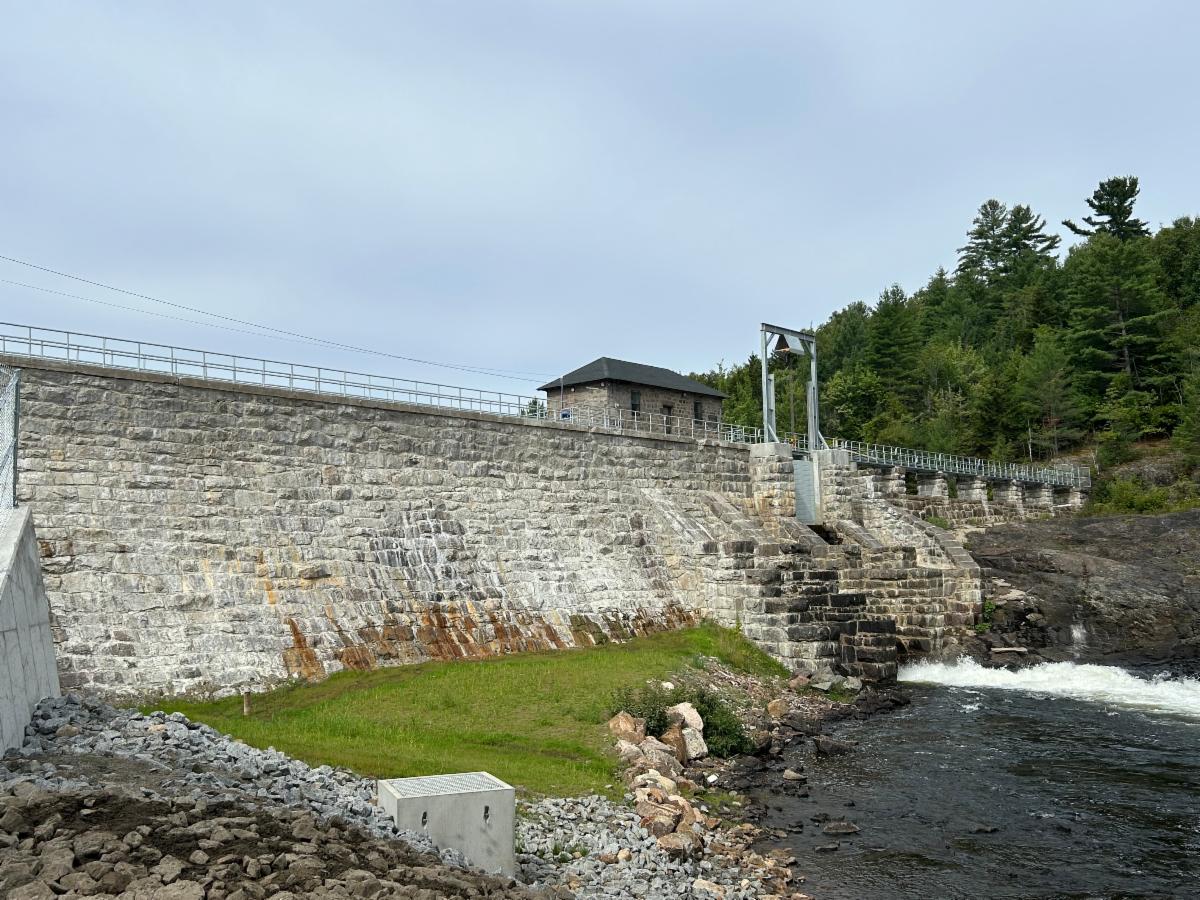
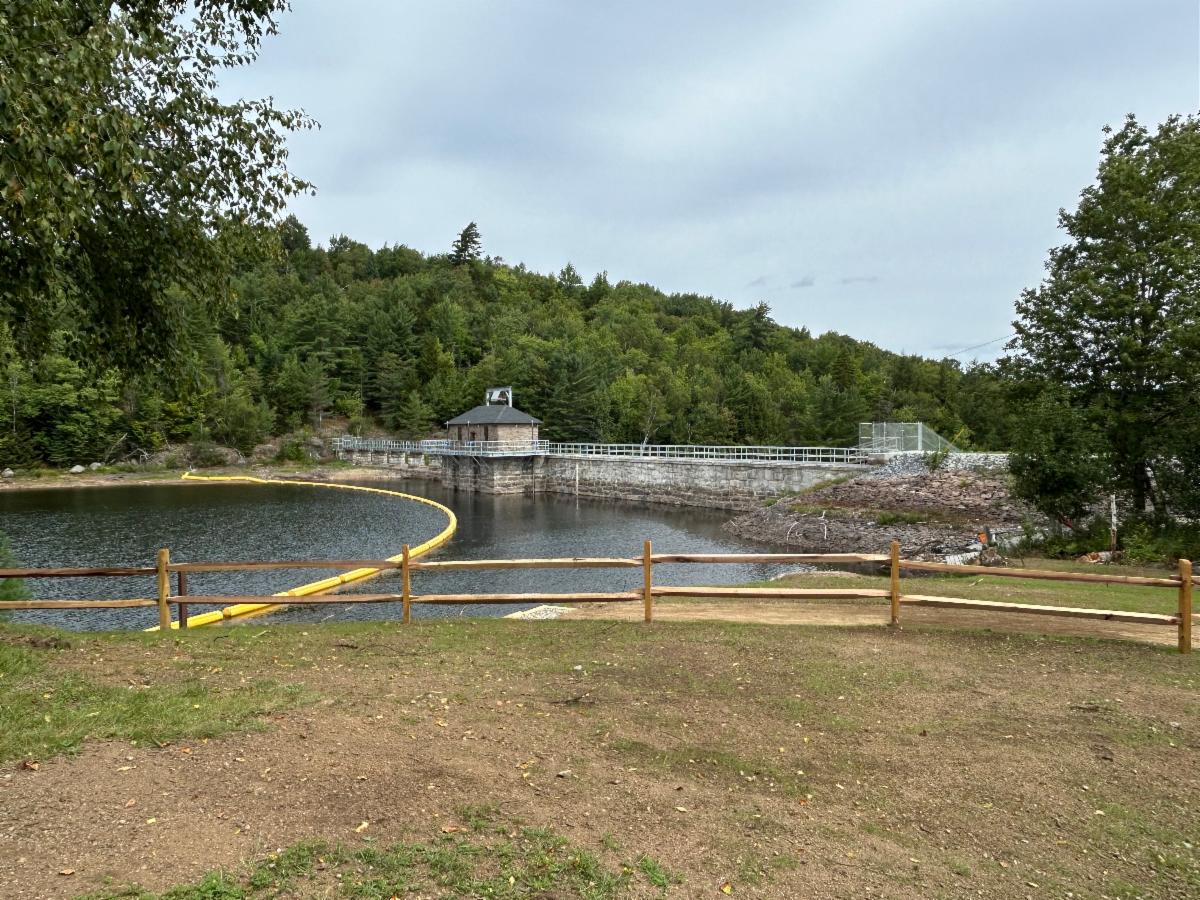
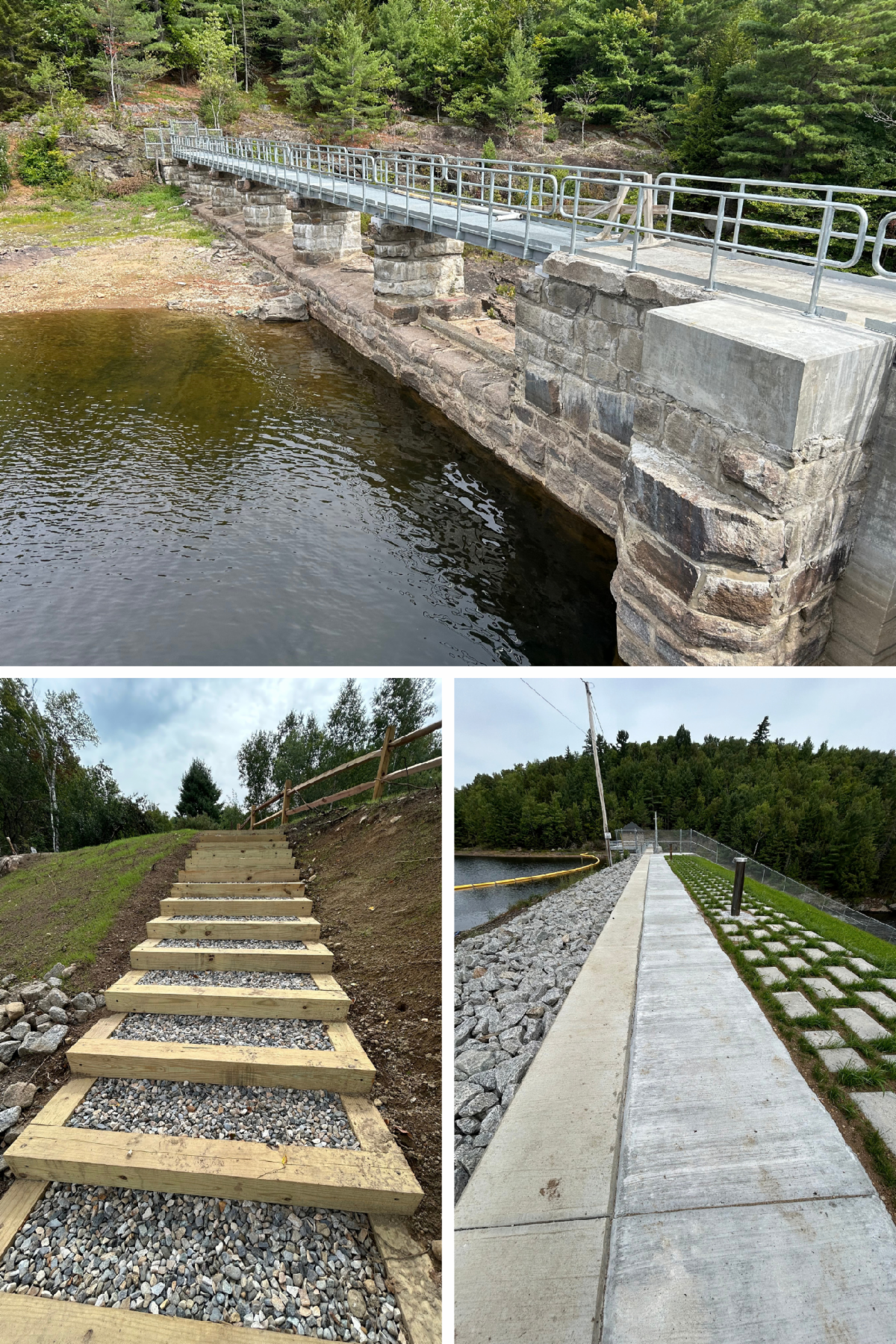
Designed by Colliers Engineering & Design, work at the dam included replacement of gate structures, conversion of a former log sluiceway to a water control gate to increase operational readiness and redundancy, post-tensioned anchoring of the dam, repointing masonry joints throughout the structure, adding concrete panels to the upstream face of the gatehouse, raising and flattening an embankment, replacement of a spillway bridge, replacement of a debris boom, other site access and safety improvements, and a new access point for paddlers.


Originally formed when a consortium of logging companies joined together to construct the dam in 1898, creating the current Indian Lake at a higher elevation and greater footprint than a pre-existing natural body of water, today’s 4,225-acre Indian Lake is an important regional asset, providing recreational opportunities for residents and visitors alike. As a storage reservoir, and unlike other natural bodies of water which are not operated for flood protection, the level of Indian Lake is drawn down beginning in the fall and throughout the winter so that it can reduce springtime flooding in Hudson River communities by storing inflow, rather than allowing the water to flow directly downstream. The level can also be drawn down in advance of major predicted precipitation events to provide additional storage, helping to reduce downstream flooding throughout the year. 


The Regulating District completed the initial Engineering Assessment on the Indian Lake Dam in 2015, consistent with new dam safety regulations adopted by the New York State Department of Environmental Conservation (DEC) in 2009. Among other necessary improvements, this assessment, which was updated in 2018 based on comments from DEC, identified several areas at the dam requiring repairs or modification including seepage through the masonry dam, repairs and/or improvements to intake gates, repairs and/or improvements to a log sluice, and seepage flow collection at the base of the dam.


About the Hudson River-Black River Regulating District


The mission of the Hudson River – Black River Regulating District, a public benefit corporation of the state of New York, is to protect public health and safety by regulating the flow of waters in the upper Hudson River and the Black River. The Black River and Hudson River Regulating Districts were formed by the New York State Legislature in 1919 and 1922, respectively, to regulate water flows within those river basins and reduce flooding. The two districts were combined in 1959. As part of its mission, the Regulating District maintains five storage reservoirs in upstate New York, including the Great Sacandaga Lake, New York State’s largest reservoir.

###

 
Facebook  X  Instagram