November 2024

Dear Readers, 


We have an exciting issue this month to share with you. From Colorado and Wisconsin to New York and Massacussetts, there are immensely creative initiatives taking place with museums and arts organizations creating programs, exhibits and outreach that elevate and sustain their communities.


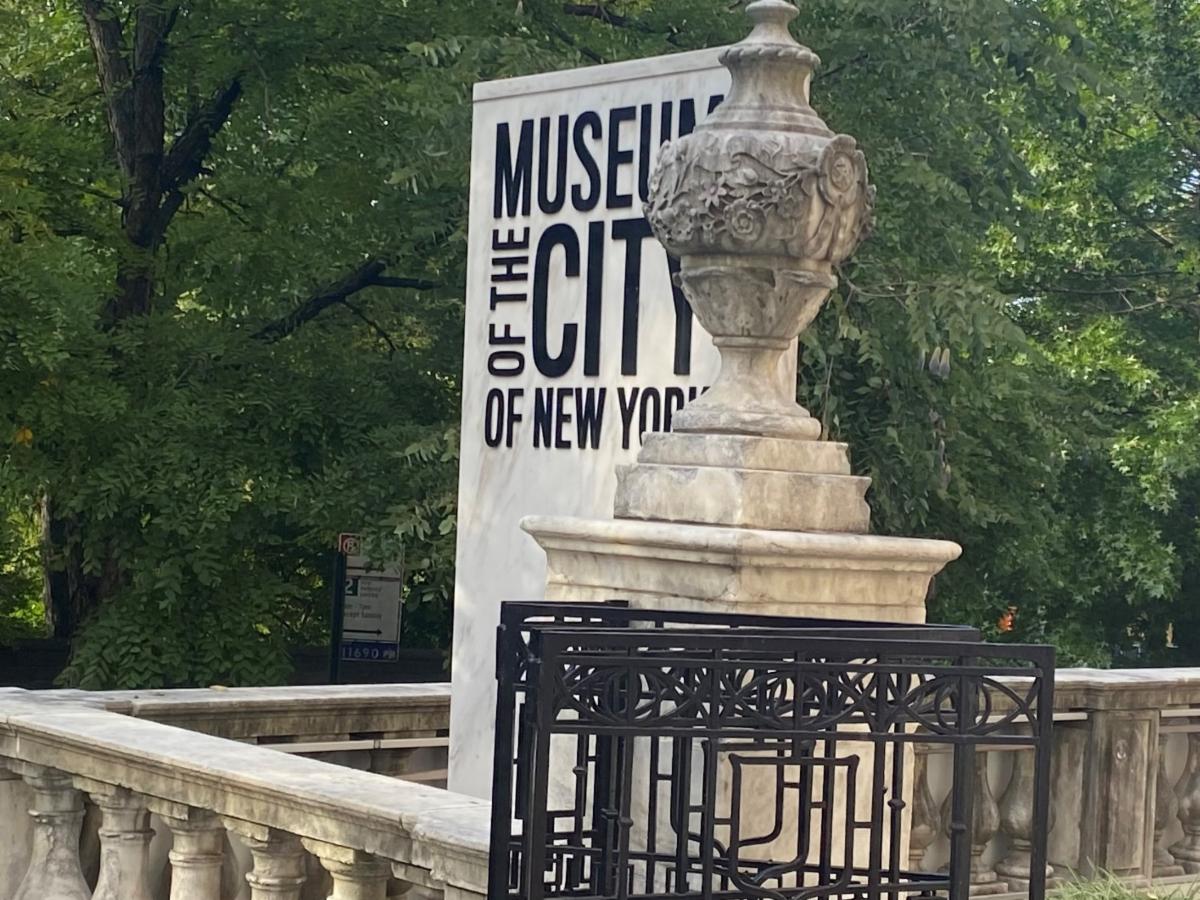
Tom Farkas writes about the Museum of the City of New York which he nicknames "New York's attic" as it houses and warehouses some 750,000 items and artifacts. Close to many of New York City's most well known museums, a visit to the Museum of the City of New York reveals intimate details and stories about New Yorkers and their city - a place you can discover the inside scoop about New York City.


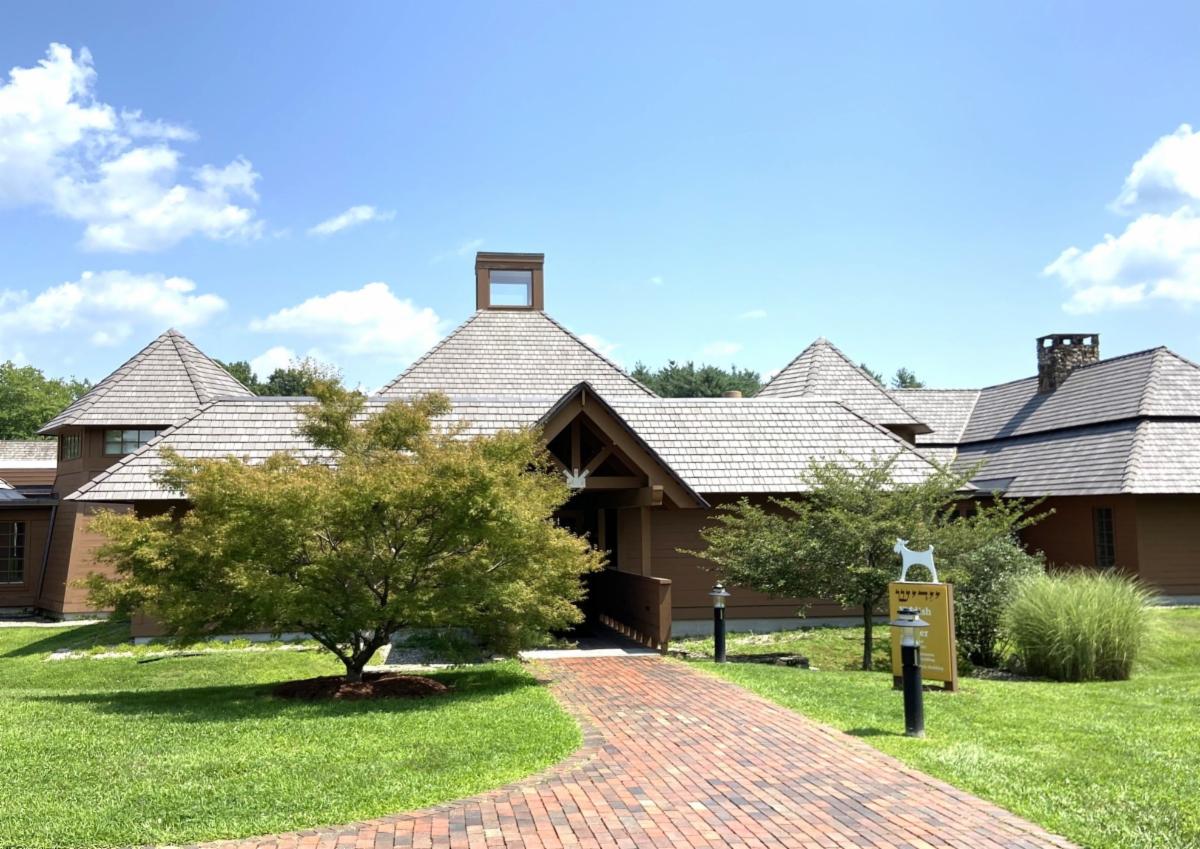
Linda Cabasin brings us to the Yiddish Book Center in Amherst, Massachusetts, which will mark 45 years—and 1.5 million books rescued—in 2025. As books accumulated from its founding in 1980, the Center’s mission expanded from rescuing books to helping preserve Yiddish literature and culture as part of Jewish identity.


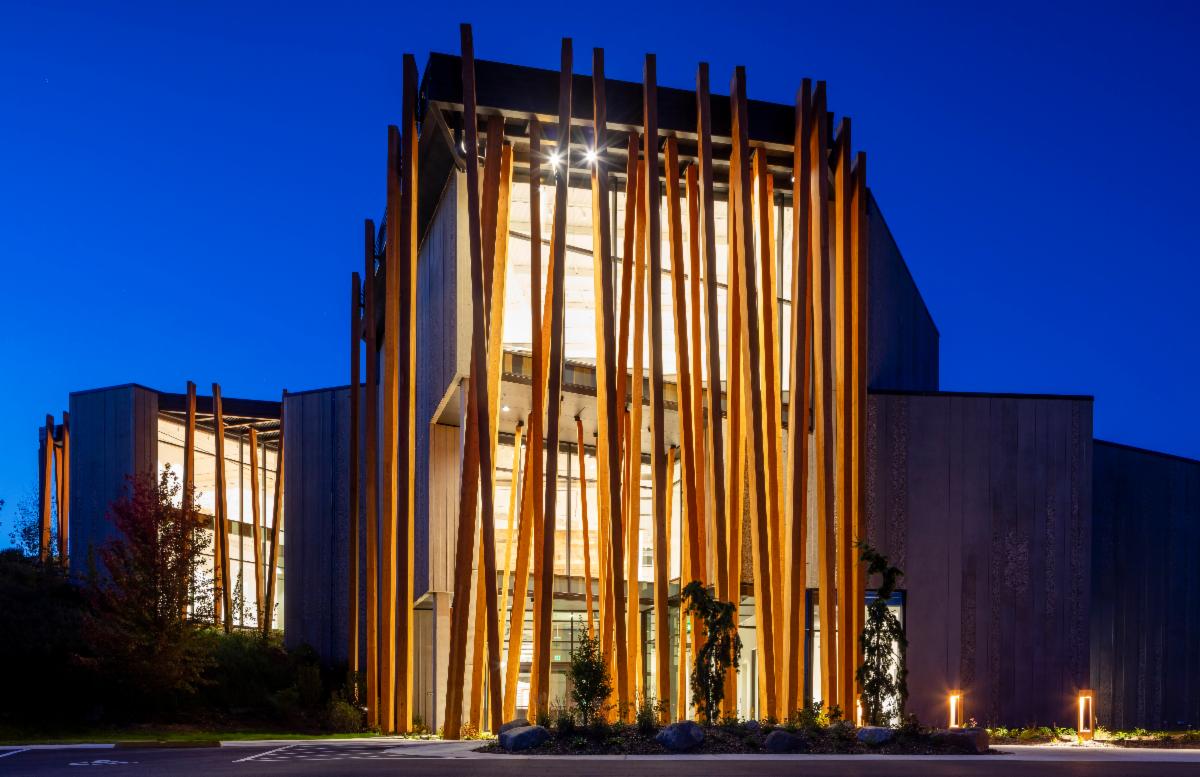
Marybeth Bond shares with us a story about Colorado’s Grand County which is 90 miles west of Denver and is characterized by dramatic peaks, pristine alpine lakes, and diverse wildlife. What many do not know is that it is also home to three charming historical museums that showcase the pioneering history, railroads and the importance of the local water supply.


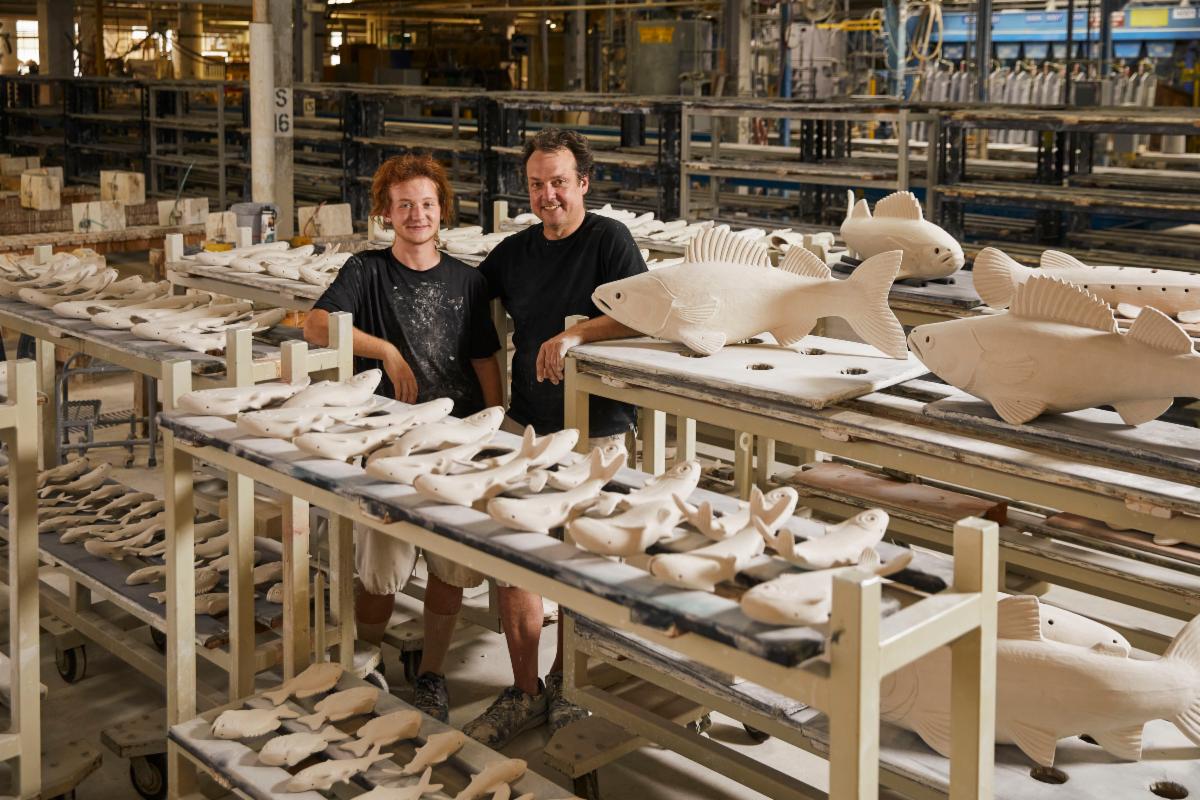
Last but not least, Mary Bergin shares with us two articles about Kohler Wisconsin. In the village of Kohler, Wisconsin, is a self-guided walking tour with 55 pieces of outdoor artwork, all indigenous because of an unusual and longstanding program that places art studios in a factory setting. The Arts/Industry initiative began 50 years ago as a way for Kohler Company factory employees and artists to learn from each other while building an appreciation for each other’s livelihood.


Thank you for reading and please do share our website and newsletter with friends, family and colleagues who may be interested. We have a presence on Instagram and FaceBook. www.sideofculture.com


with best wishes,


Victoria Larson

Visit our Website

The Museum of the City of New York

By Tom Farkas

Consider it New York City’s attic. The Museum of the City of New York houses and warehouses some 750,000 items and artifacts, more than that if one counts a pair of shoes or a pair of cufflinks as more than just one item. Sitting at 103rd Street and 5th Avenue, the museum is within walking distance of the Metropolitan Museum of Art, Guggenheim Museum, and its more immediate neighbor, El Museo del Barrio. Read on

From Rescue to Renewal: The Yiddish Book Center in Amherst, MA

By Linda Cabasin

In 1980, a young graduate student made his first, seemingly quixotic trip to collect from people the books he needed to study: works of Yiddish literature. Almost all were out of print in Yiddish, the language spoken by three quarters of the world’s Jews for more than 1,000 years. From this venture grew the Yiddish Book Center in Amherst, Massachusetts, which marks 45 years—and 1.5 million books rescued—in 2025. As books accumulated, the Center’s mission expanded from rescuing books to helping preserve Yiddish literature and culture as part of Jewish identity. Read on

Discover the Hidden Gems of Grand County: A Cultural Journey Beyond Rocky Mountain National Park

By Marybeth Bond

Colorado is synonymous with outdoor activities, drawing adventurers year-round. From skiing in the winter to hiking, mountain biking, rafting, and fishing in the summer, the state offers endless opportunities for exploration and excitement. Colorado’s Grand County is a destination for all seasons. Located just 90 miles west of Denver, its many natural wonders include Rocky Mountain National Park, characterized by dramatic peaks, pristine alpine lakes, and diverse wildlife. Grand County is the home of the legendary Winter Park Resort, miles of “Gold Medal” trout streams, and scenic Grand Lake. Read on

Divergent Worlds Unite: Kohler’s Arts/Industry Program

By Mary Bergin

In the village of Kohler, Wisconsin, is a self-guided walking tour with 55 pieces of outdoor artwork, all indigenous because of an unusual and longstanding program that places art studios in a factory setting.


The Arts/Industry initiative began 50 years ago as a way for Kohler Company factory employees and artists to learn from each other while building an appreciation for each other’s livelihood. Industrial materials and equipment are used to make the art, and each artist agrees to leave one piece of work behind. Read on

Kohler’s Arts/Environment Program

By Mary Bergin

Kohler Foundation, established in 1940, has made art environments, folk architecture and the work of self-taught artists a priority since the 1970s. The nonprofit identifies environments with artistic value, pays for their preservation and then typically gives the sites to long-term stewards to maintain. Read on