A Weekly Newsletter from David Pickler | | |
TODAY'S TOPIC:
History of American Music
| | This week in Stars & Stripes #4, we’re rocking out and crooning our way through the rich history of American music. From the heartfelt sounds of soul and blues to the twang of country and the electrifying energy of rock ’n’ roll, music has long been a powerful voice in the American story. It’s more than entertainment—it’s a reflection of our culture, struggles, triumphs, and ever-evolving identity. Let’s turn up the volume on the sounds that helped shape the nation. | | |
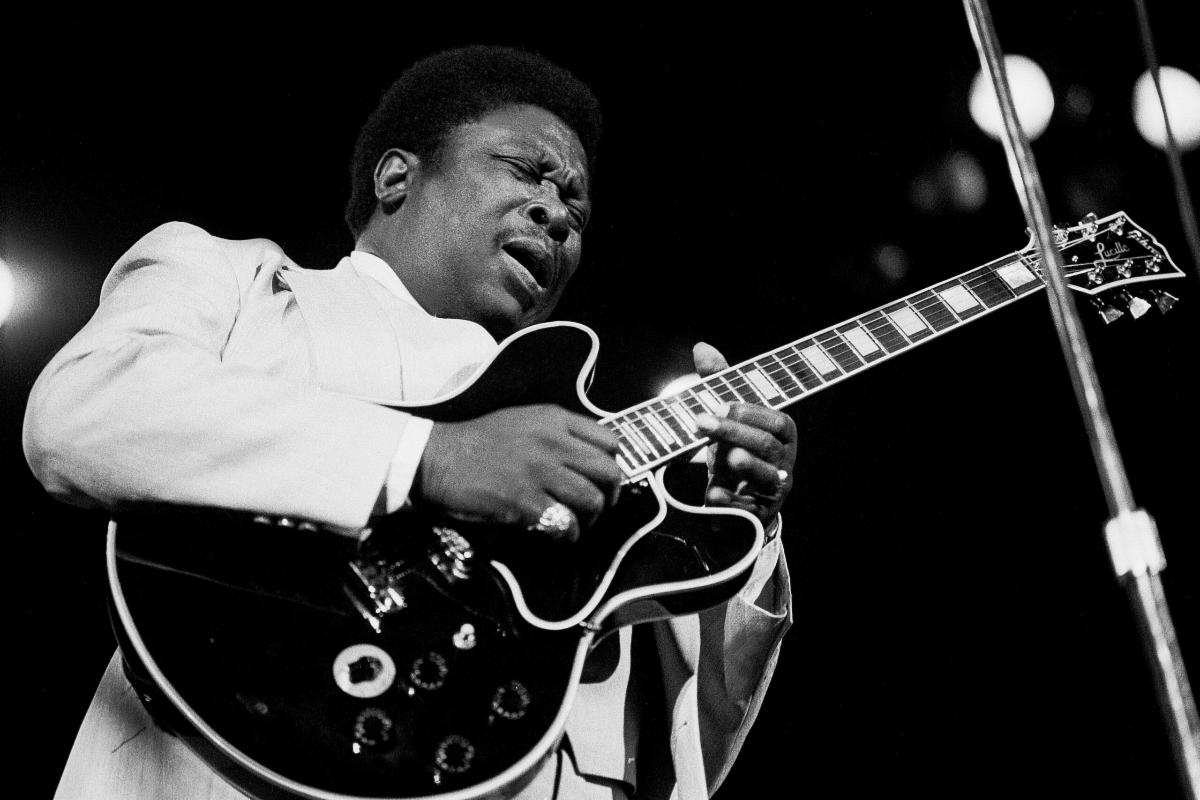
Blues legend BB King, who grew up on a plantation in the Mississippi Delta, described the Blues as “the language we invented to let people know we had something to say”.
The origins lie in the vocal music African slaves brought to America. These spiritual and work songs were synthesised with gospel, ragtime and country dance to create the music that takes its name from an 18th-century description of melancholy – the “blue devils”. WC Handy’s 1912 instrumental composition Memphis Blues popularised the term.
Chicago played a key role in the development of the urban blues of the 1930s. Musicians who had left the South during the Great Depression, including Big Bill Broonzy, Memphis Minnie and Tampa Red, added horns, piano, bass, drums and even percussive washboard to the acoustic blues that had been played by popular pioneers such as Charlie Patton, Lonnie Johnson and Blind Lemon Jefferson.
The introduction of the mechanical cotton picker in 1944 prompted six million African-Americans to leave the South in search of work. T Bone Walker pioneered jump blues in California; John Lee Hooker nurtured his own style in Detroit, and Howlin’ Wolf, Elmore James and Little Walter rose to prominence in Chicago playing this new harder-edged blues. Buddy Guy, integral to that Chicago boom, won a Grammy in 2016 at the age of 80.
Like jazz, the blues is truly an “all-American music” and legends such as Bessie Smith, Lead Belly and Muddy Waters are genuine creative trailblazers in the country’s artistic heritage
| | |
Groundbreaking Artists who Shaped
the Future of Music
| | |
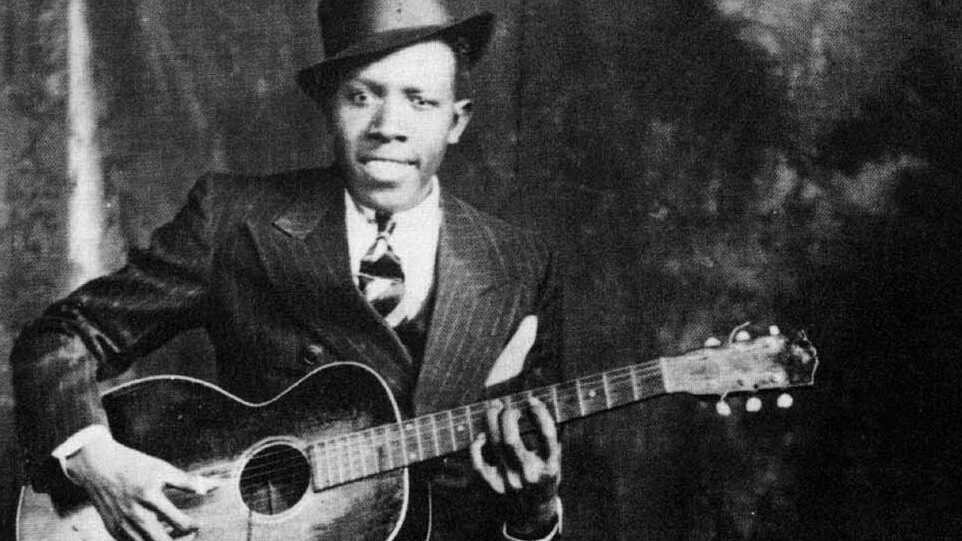
Robert Johnson
Johnson’s beautiful songwriting, guitar work and haunting voice made him the quintessential bluesman. Legend alleges that he made a deal with the devil to acquire his incredible talents.
| | |
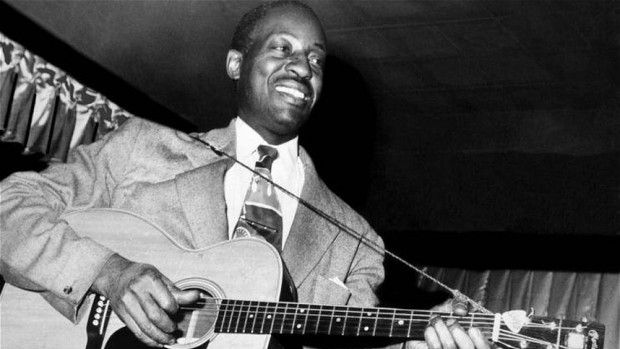
Big Bill Broonzy
Born on the banks of the Mississippi, Broonzy was responsible for transporting the blues to Chicago and defining the distinctive Chicago blues sound, which he dominated by the 1930s.
| | |
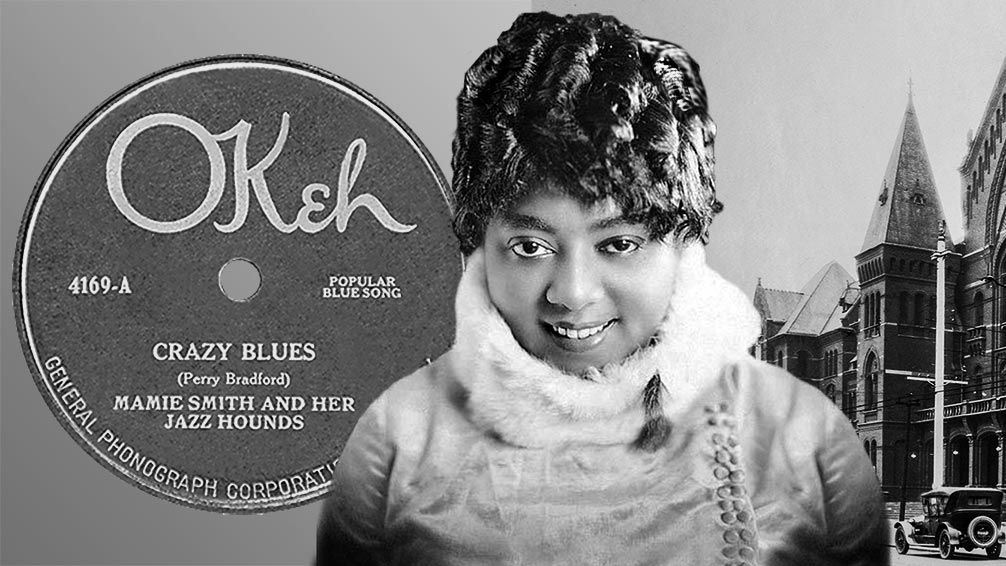
Mamie Smith
Ohio-born Mamie began as a vaudeville singer. In 1920 she made history as the first African-American artist to make vocal blues recordings, with That Thing Called Love for OKeh records.
| | |
They say the blues had a baby, and called it rock and roll. That, in turn, gave birth to a happy, bouncing infant called rock, which grew up to have multiple offspring by different partners, with names such as psychedelia, prog, metal, punk, new wave and grunge. They almost always carried a guitar, and they have been a mainstay of American music for at least seven decades.
Tracing rock to its source feels like searching for the first drip of a mighty river. But it was in the United States of the 1940s that its ingredients coalesced from gospel, blues and rhythm and blues. Who made the first rock and roll record? One might point to the rollicking spiritual Strange Things Happening Every Day, cut in 1944 by Arkansas native Sister Rosetta Tharpe and the first gospel record to “cross over”. Perhaps it was Roy Brown's jump blues Good Rockin’ Tonight, recorded in 1947 and first popularised in New Orleans.
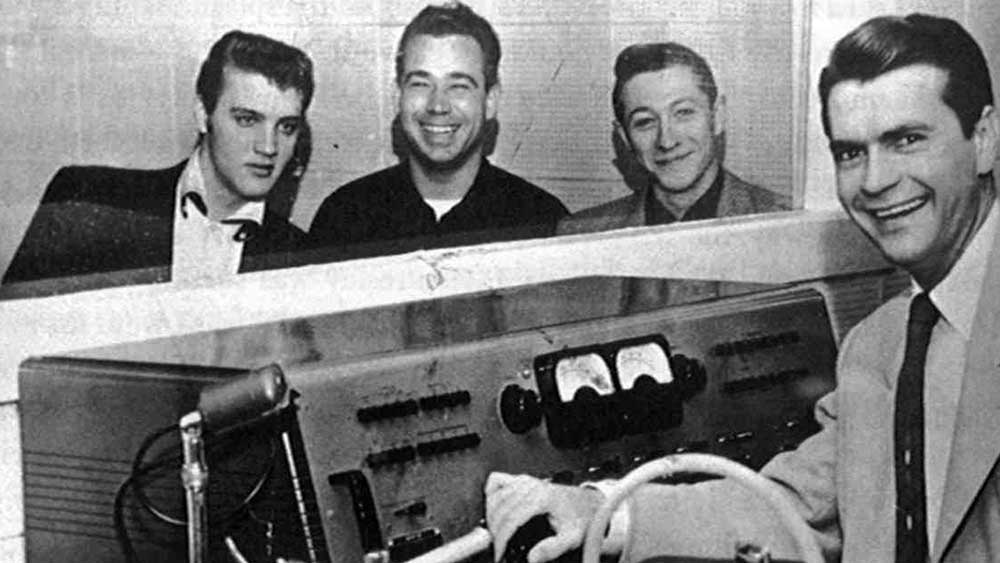
Both are shot through with the DNA of rock and roll, as is Jackie Brenston's oft-quoted landmark Rocket 88, created in 1951 at Memphis Recording Service, soon to be Sam Phillips' Sun Studio. All those discs informed the genre's arrival as a creative and commercial entity in the hands of a bow-tie-wearing 30-year-old called Bill Haley and the greased lightning, sexual sensation that was Elvis Presley.
If the southern states punched above their weight in those formative years, the coastal hubs of New York and Los Angeles played a crucial role as the music industry grew up. So it was until Beatlemania crashed onto the American shore in 1964, prompting the so-called British Invasion that rumbled through every state in the union. America responded with Dylan's introspection and with garage rock, which paved the way for the punk and new-wave movements of a decade later.
What we know as the rock of today has strands of every sub-division imaginable, from electroclash to emo. It may no longer be simply signified by Bill's kiss-curl or Elvis's hips, but it remains the very oxygen of modern American music.
| |
Dynamic Performers Who Forged
Rock's Legacy
| | |
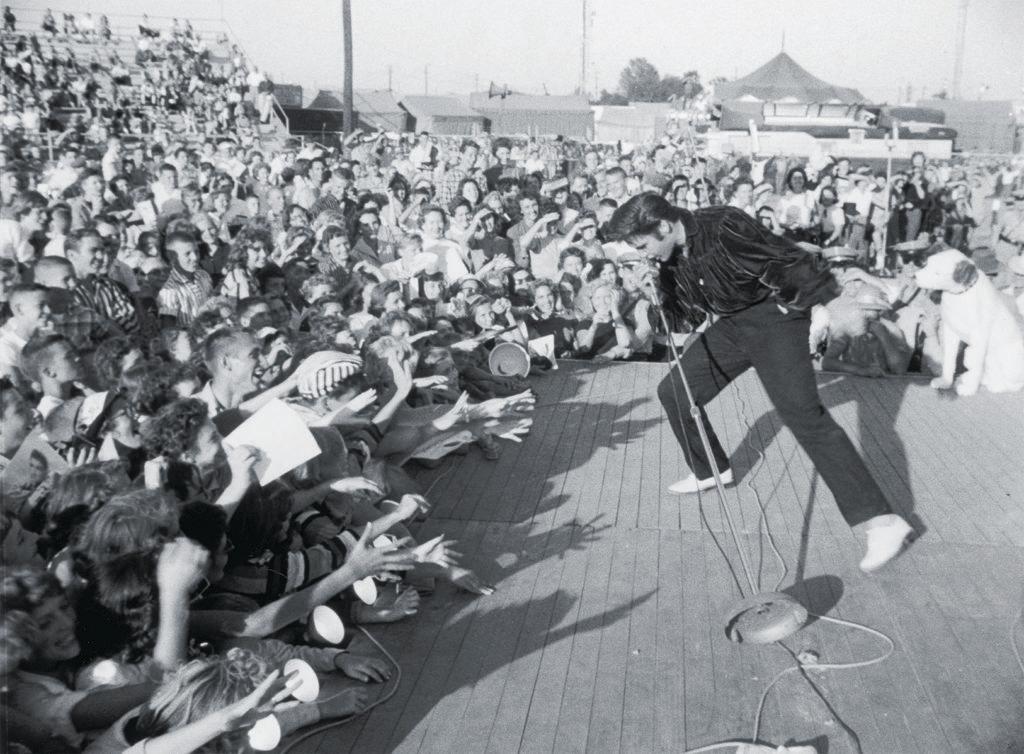
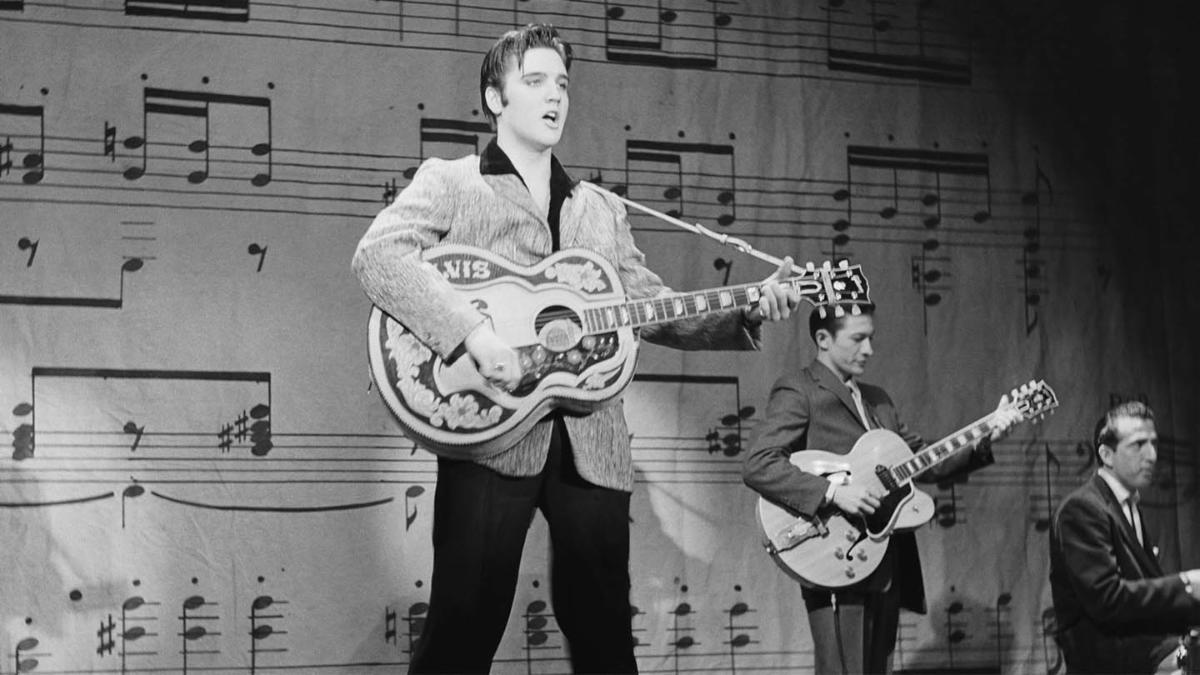
Elvis
As one of the most significant cultural icons of the 20th century, Elvis Aaron Presley, aka the King, was the hip-swinging pioneer of rockabilly and a leading figure in the newly popular sound of rock and roll.
| | |
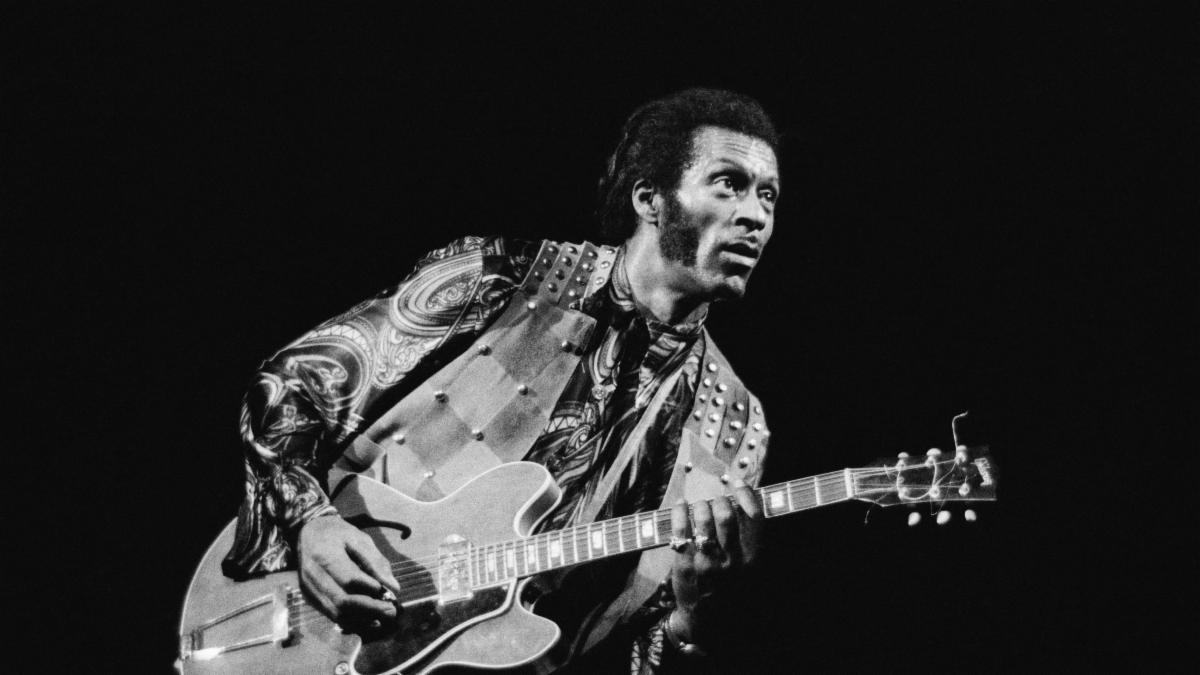
Chuck Berry
Born in St Louis, Missouri, Berry’s brand of rhythm and blues forged the major elements that made rock and roll distinctive. His showmanship established him as a rock legend.
| | |
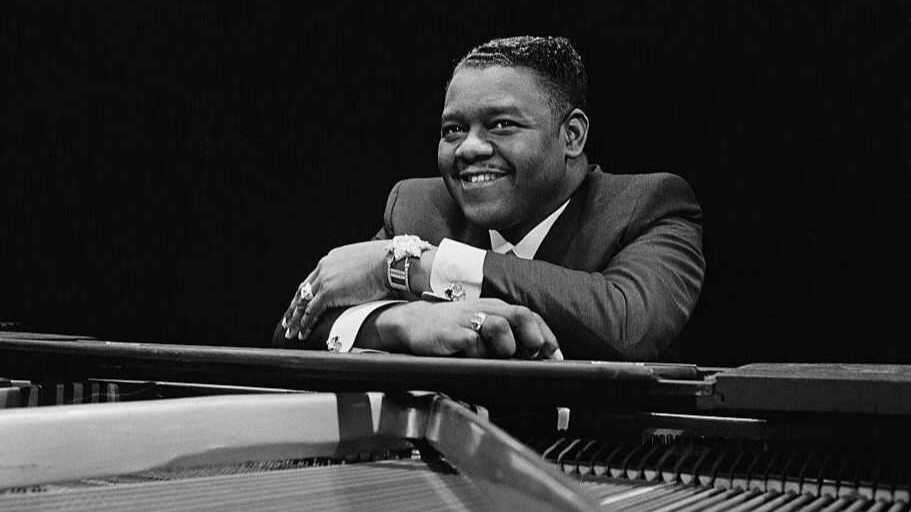
Fats Domino
Pianist and singer-songwriter Antoine Dominique "Fats" Domino Jr went on to be a rock and roll pioneer whose 1949 release The Fat Man is widely regarded as the first million-selling rock and roll record.
| | |
Country music is America’s oldest musical genre and is arguably its most diverse. Its roots lie in such disparate elements as English folk balladry, Mississippi Delta blues, Irish fiddle tunes, French/Cajun music, Vaudeville, Southern gospel, Mexican conjunto, German polkas and Victorian pop songs.
The popularity of Hollywood’s singing-cowboy movies of the 1930s led to superstardom for Gene Autry and others. Tennessee-born singer Roy Acuff’s strong voice brought him huge fame. This boom in western music led to such enduring songs as the Sons Of The Pioneers’ hits Cool Water and Tumbling Tumbleweeds. Cowboy music’s jazz offspring was western swing, as exemplified by Bob Wills.
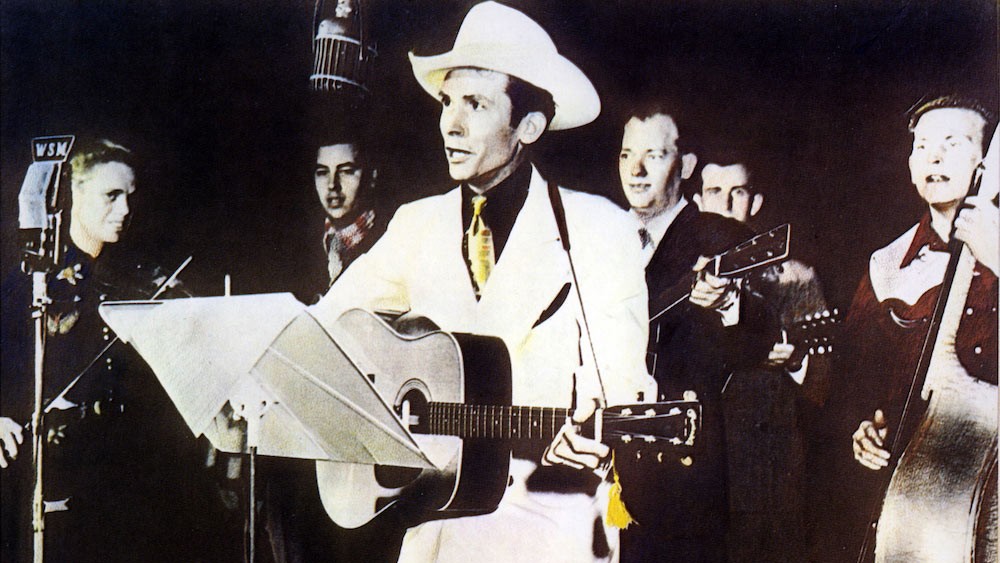
In 1945, Bill Monroe’s band gave birth to bluegrass. Flatt & Scruggs spread this style widely by popularising it at folk festivals and college campuses. Today, there are more than 500 bluegrass festivals in the US annually. In the post-war era a harder-edged style known as honky-tonk developed. Hank Williams rose to stardom with such classics as Lovesick Blues, Cold, Cold Heart and Your Cheatin’ Heart. Hundreds emulated him, including Lefty Frizzell, George Jones, Webb Pierce and Ray Price.
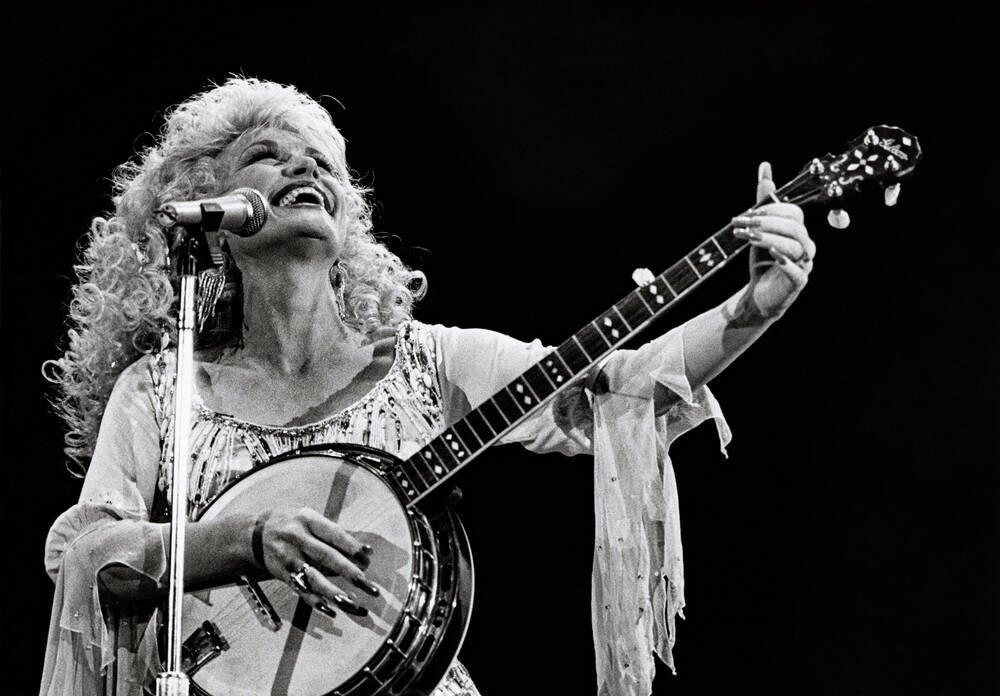
On the west coast, the tougher sounds of Buck Owens and Merle Haggard prevailed. And as the 1960s eased into the 1970s, such powerful female voices as Loretta Lynn (Coal Miner’s Daughter), Tammy Wynette (Stand By Your Man) and Dolly Parton (I Will Always Love You) emerged. Rebelling against the Nashville sound in the 1970s, a group of “outlaw” artists began appealing to youth audiences. They included Willie Nelson, Waylon Jennings, Emmylou Harris and Hank Williams Jr.
Since the 1990s, country music has produced artists who have sold in the multi-millions yet remained within the genre. They include Garth Brooks, Vince Gill, Alan Jackson, Miranda Lambert and Tim McGraw. At the same time, artists such as Shania Twain and Taylor Swift emerged from country music to international pop stardom. In the new millennium, a country offshoot has emerged that emphasises singer-songwriters and stripped-down sounds. This is called Americana music.
| | |
Innovative Musicians who
Influenced Future Stars
| | |
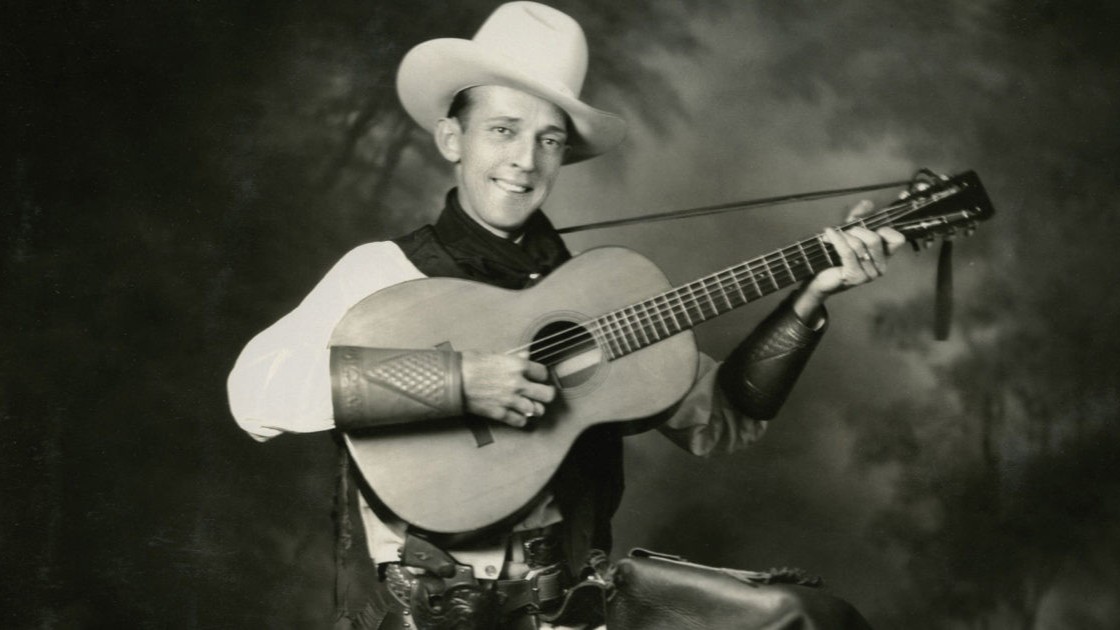
Jimmie Rodgers
Known for his rhythmic yodelling, Rodgers was a country singer in the 1920s and 1930s. Nicknamed the Father of Country Music, he is often cited as the inspiration of many modern artists.
| | |
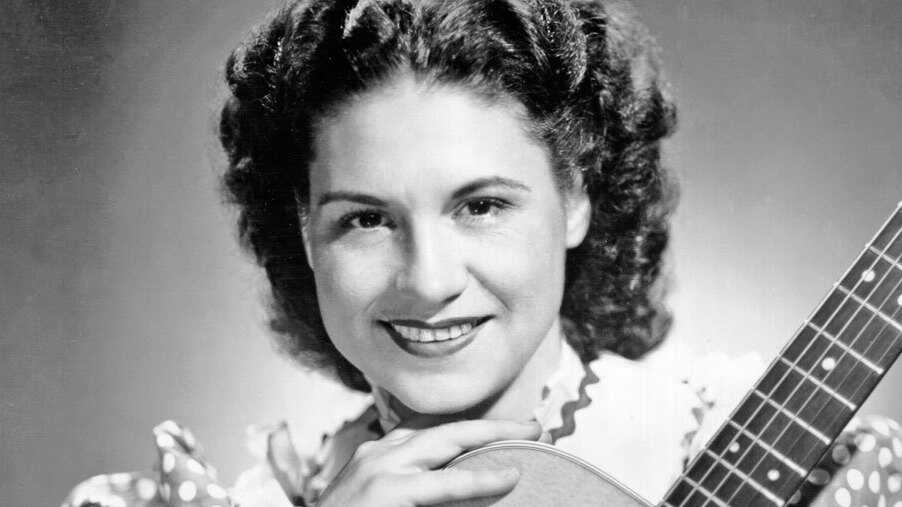
Kitty Wells
Born Ellen Muriel Deason, Wells was a pioneering singer whose 1952 hit song It Wasn’t God Who Made Honky Tonk Angels turned her into the first female country star.
| | |
Hank Williams
Alabama-born Hiram "Hank" Williams was an American singer-songwriter, widely regarded as one of the most influential of the 20th century. He recorded 35 country top 10 singles.
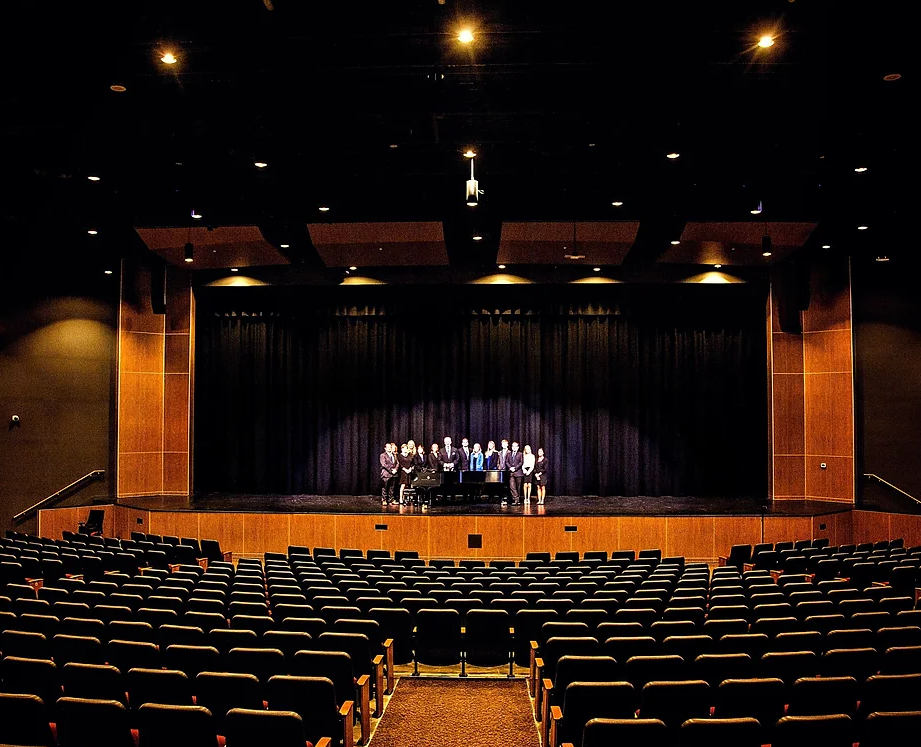
| | PAYING IT FORWARD WITH PASSION AND PURPOSE | | Pickler Auditorium at Collierville High School boasts state-of-the-art audio and visual capabilities. This incredible auditorium will serve students for years to come as they pursue their dreams in the arts. Not only is this facility a legacy to the students, but also to Pickler Companies and our mission to deliver solutions and empower our community’s youth. | | Kinder & Griffin's Picture of the Week | | Julianne's Picture of the Week | | Coralyn's Picture of the Week | | Stay connected with me on social media | | | | |