A Weekly Newsletter from David Pickler | | Tuesday, September 23, 2025 | | |
TODAY'S TOPIC:
The First Day of Fall
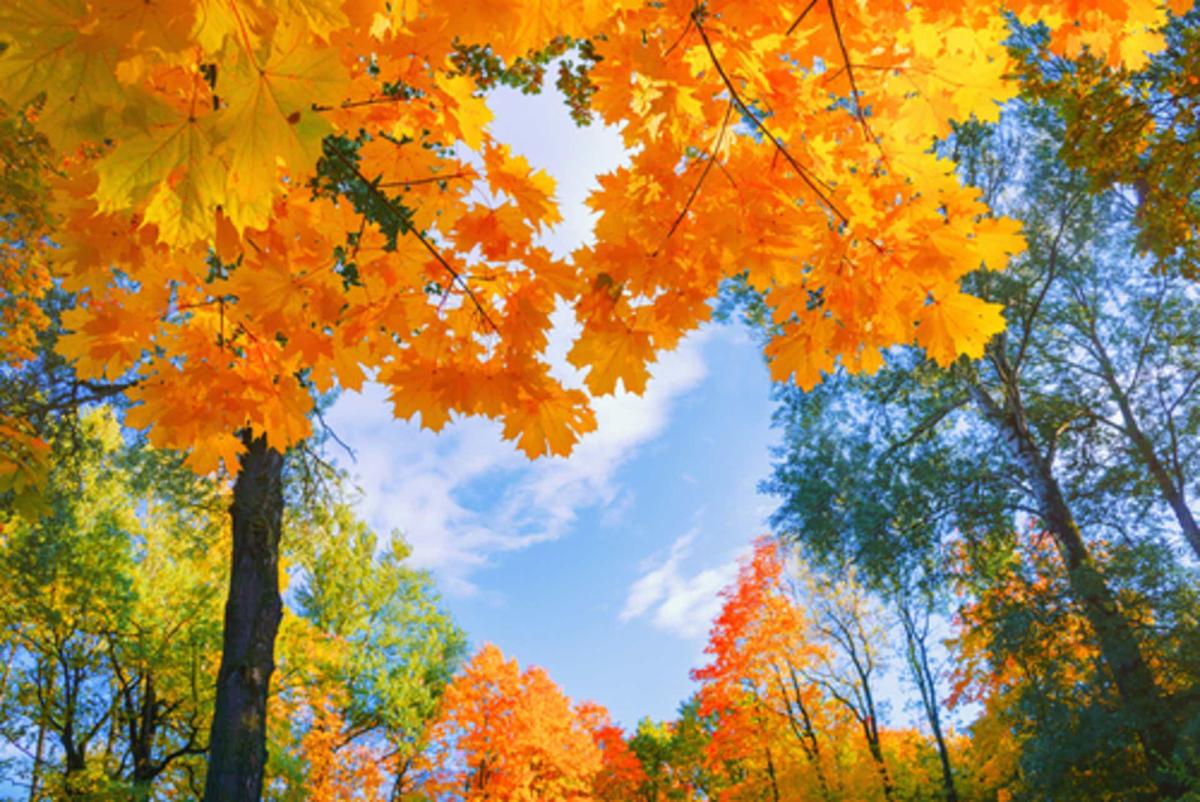
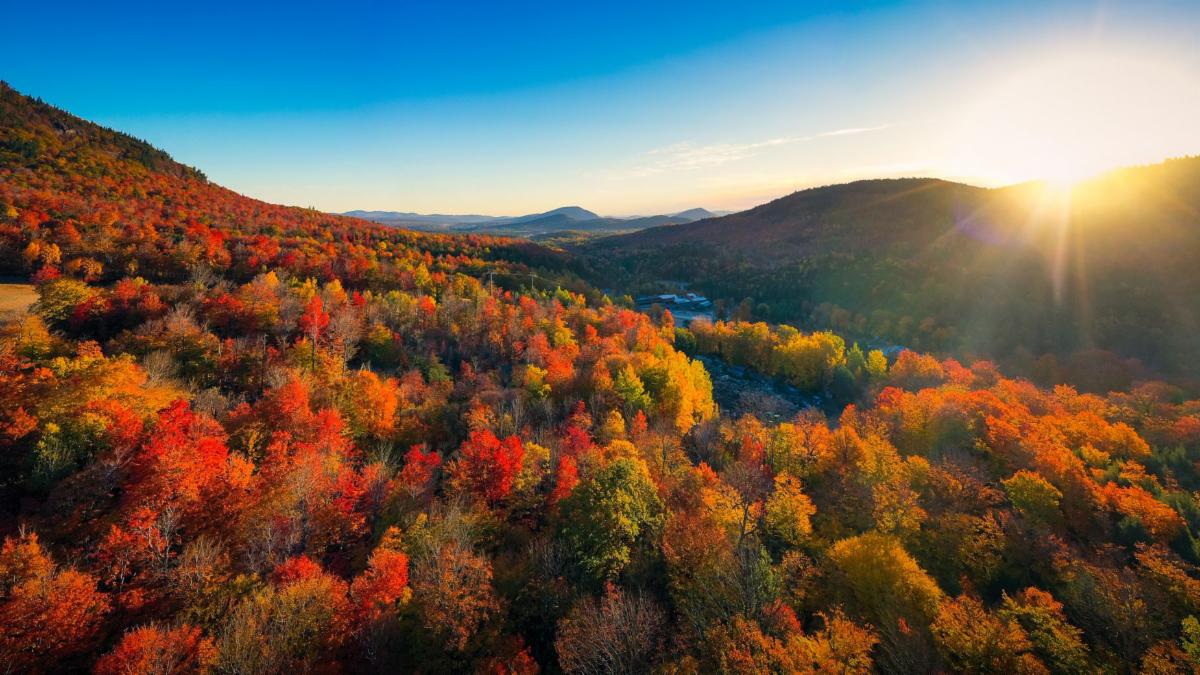
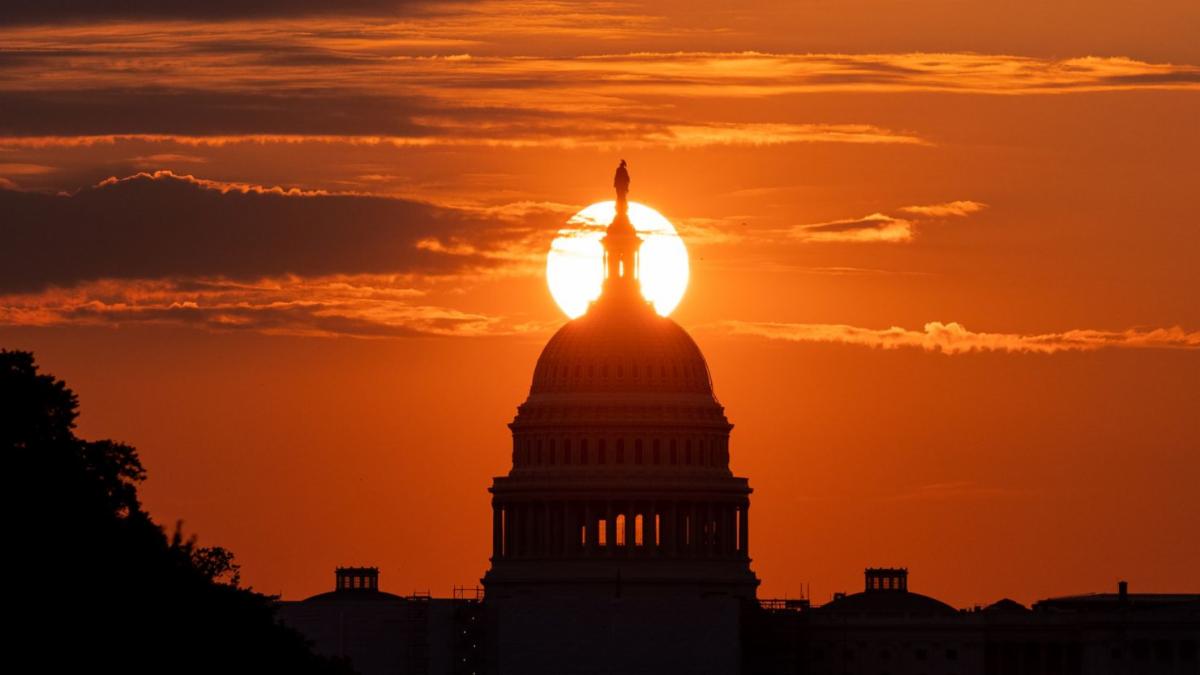
| | Yesterday marked the first day of fall, ushering in a season of crisp mornings, colorful leaves, and cozy traditions. It’s the time of year when football kicks off, pumpkin flavors return, and we trade summer heat for autumn’s breeze. Keep reading to discover more about what makes fall so special. | | Why the First Day of Fall Isn’t as Equal as You Might Think | | |
Twice a year, the sun doesn’t play favorites. Everyone on Earth is seemingly on equal status – at least when it comes to the amount of light and dark that they get.
If you reside in the Northern Hemisphere, you know it as the fall equinox (or autumnal equinox). For people south of the equator, this equinox actually heralds the coming of spring.
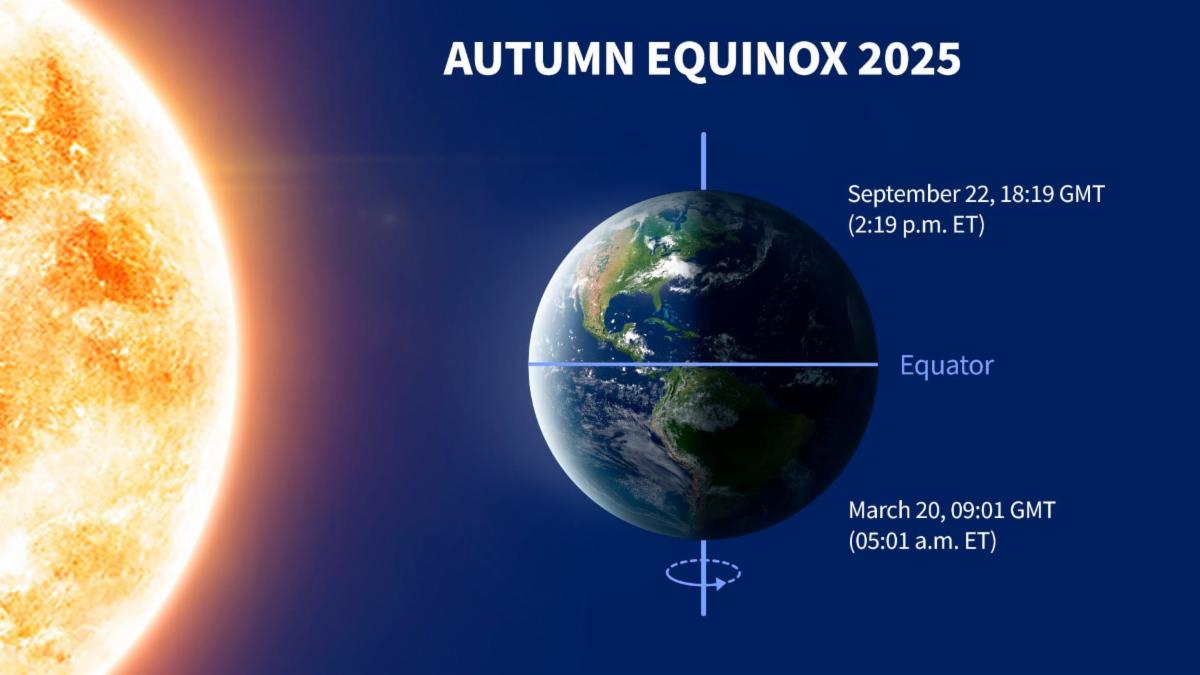
Technically, your location on the globe also determines the local time and even the date you experience the fall equinox. For the Americas, Africa and Europe, it’ll take place on Monday, September 22. For some destinations in Asia, it’ll be the next day.
People close to the equator won’t notice anything — they have roughly 12-hour days and 12-hour nights all year long. But hardy folks close to the poles, in places such as Alaska and the northern parts of Canada and Scandinavia, go through wild swings in the day/night ratio each year. They have long, dark winters and then have a summer solstice where night barely intrudes.
But during the equinox, everyone from pole to pole gets to enjoy a 12/12 split of day and night. Well, there’s just one rub — it isn’t as perfectly “equal” as you might have thought.
| | |
Where does the word ‘equinox’ come from?
The term equinox comes from the Latin word equinoxium, meaning “equality between day and night.”
Precisely when will the fall equinox happen?
For people in places such as Montreal and Richmond, Virginia, that’s 2:19 p.m. local time. It comes at 1.19 p.m. in St. Louis and 12.19 p.m. for Mexico City. Even further westward, that’s 11.19 a.m. for Seattle.
Going in the other direction across the Atlantic Ocean, residents of Amsterdam and Split, Croatia, will officially mark the occasion at 8.19 p.m. Sunday. Traveling even farther east, Dubai marks the exact event at 10.19 p.m.
For residents of Hong Kong, it’s 2:19 a.m. on Monday, September 23. In Tokyo, it’s 3:19 a.m. on the same day.
| |
Why does fall equinox happen?
The Earth rotates along an imaginary line that runs from North Pole to South Pole. It’s called the axis, and this rotation is what gives us day and night.
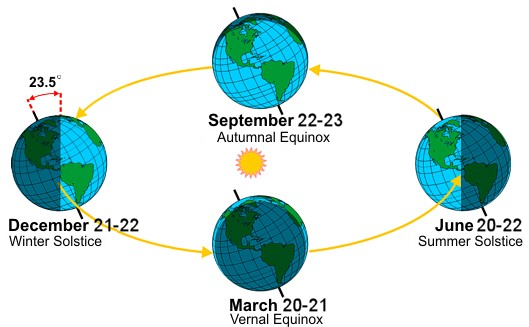
However, the axis tilts at 23.5 degrees, as NASA explains. That positions one hemisphere of the planet to get more sunlight than the other for half of the year’s orbit around the sun. This discrepancy in sunlight is what triggers the seasons.
The effect is at its maximum in late June and late December. Those are the solstices, and they have the most extreme differences between day and night, especially near the poles. (That’s why it stays light for so long each day during the summer in places such as Scandinavia.)
Since the summer solstice in June, days have been progressively becoming shorter in the Northern Hemisphere and the nights longer for the past three months. Welcome to fall equinox!
| | |
So why isn’t the equinox exactly equal?
It turns out you get a little more daylight than darkness on the equinox, depending on where you are on the planet. How does that happen? The answer is complicated but fascinating.
The “nearly” equal hours of day and night are because of the complex way a sunrise is measured and the refraction of sunlight in our atmosphere.
This bending of light rays causes the sun to appear above the horizon when the actual position of the sun is below the horizon. The day is a bit longer at higher latitudes than at the equator because it takes the sun longer to rise and set the closer you get to the poles.
So on fall equinox, the length of day will vary a little depending on where you are. Here are a few breakdowns to give you an approximate idea:
- At the equator: About 12 hours and 6 minutes (Quito, Ecuador)
- At 30 degrees latitude: About 12 hours and 8 minutes (Cairo, Egypt)
- At 60 degrees latitude: About 12 hours and 14 minutes (Helsinki, Finland)
For the truly equal day/night split, you have to wait some days after the official equinox. That’s called the equilux. When the equilux happens for you depends on your latitude, according to timeanddate.com. The closer you are to the equator, the later the date for the fall equilux.
And at the equator itself, the equilux never arrives because of that aforementioned atmospheric refraction of the sunlight. There’s always a little more daylight than darkness along that line.
| | "It's the First Day of Autumn!" | | |
Corn Mazes
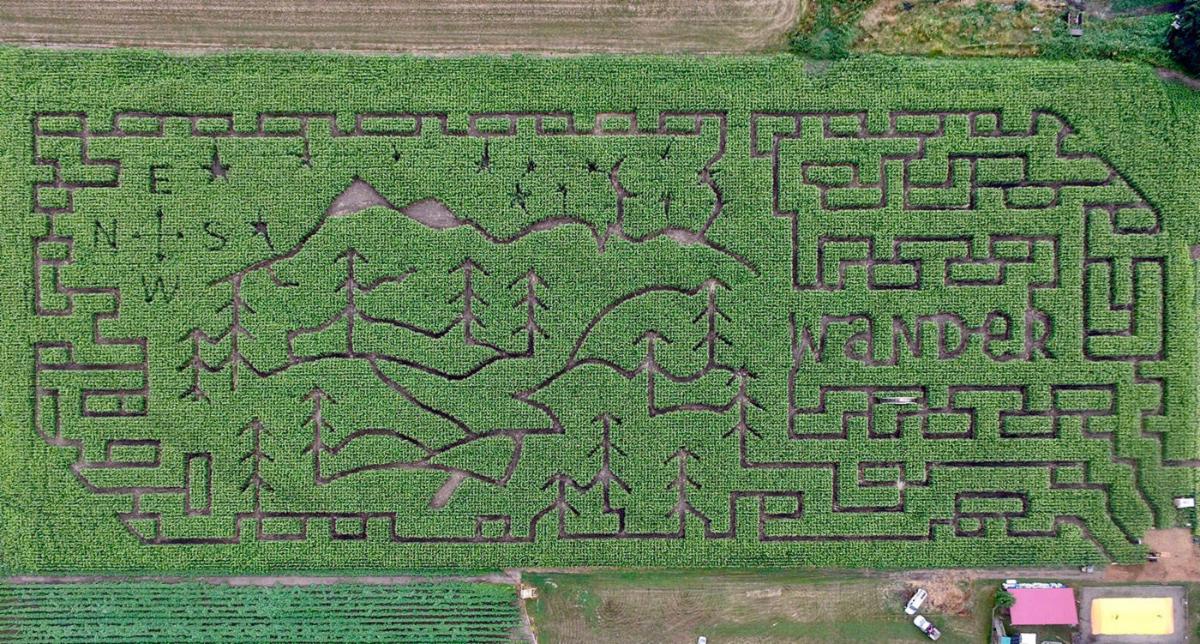
Wandering through a confusing crop configuration is a relatively recent tradition. The first corn maze was created in 1993 at Lebanon Valley College in Annville, Pennsylvania. Its creator, Don Frantz, has also been responsible for producing Super Bowl halftime shows and Broadway musicals like The Lion King and Beauty and the Beast.
Homecoming
Several colleges claim to have held the first homecoming, but whether it was the University of Missouri, Baylor, or the University of Illinois, the tradition dates from the early 1900s and was invented to encourage alumni to come back to visit (presumably infusing the community with cash from their newfound paychecks).
| |
Apple Bobbing
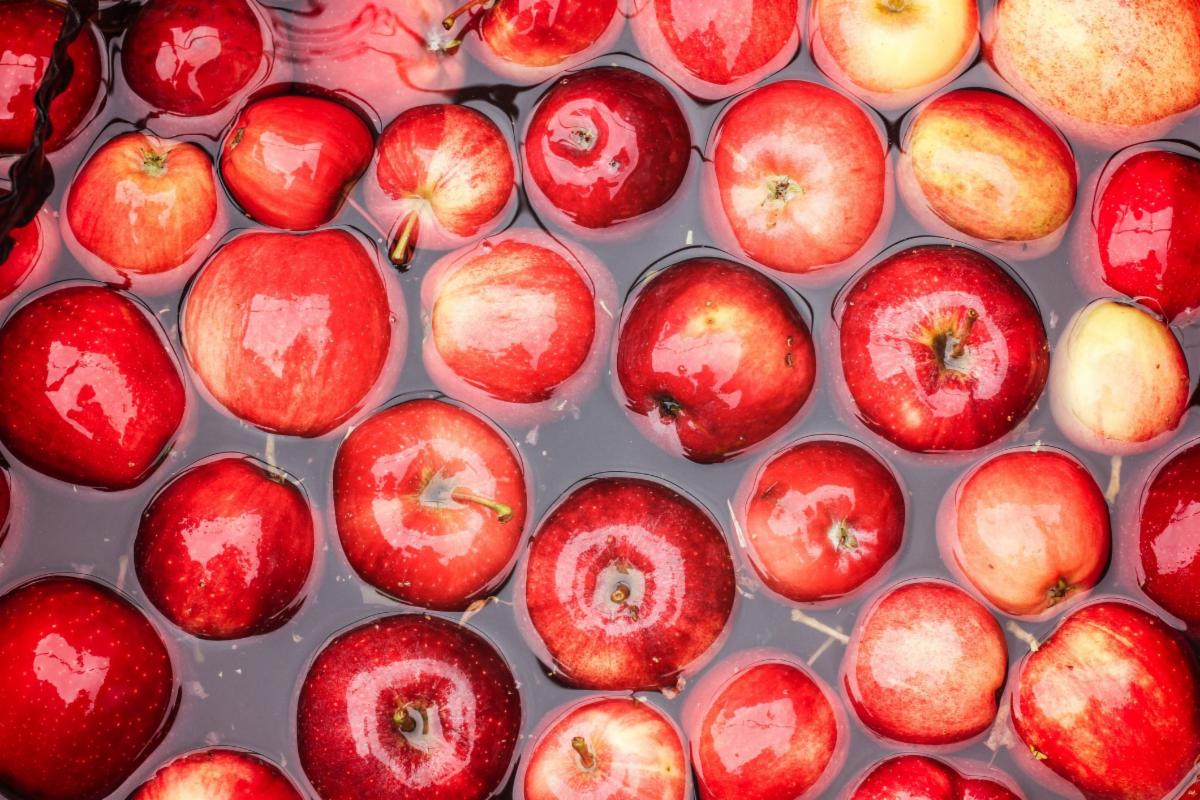
Trying to grab a Red Delicious with your teeth wasn’t always an autumn tradition. It was once a British courting ritual, where each apple was assigned the name of an eligible bachelor, and each woman would try to grab the apple representing the man she was interested in. Getting it on the first try meant a “happily ever after” ending. Snagging the apple on the second attempt meant the couple would get together, but their love wouldn’t last. And three tries was a no-go. Though the game waned in popularity during the 1800s, a version of it was revived at the end of the century by some Americans remembering their cultural roots.
Pumpkin Spice
As you might have suspected, Starbucks gets the credit for making people lose their minds over the blend of common household spices—after all, “pumpkin spice” is really just a combination of spices found in autumn fare like pumpkin pie and apple cider. Mixing flavors such as cinnamon, clove, nutmeg, and mace is certainly nothing new. But in 2003, the Seattle-based coffee company did a heck of a job marketing their new Pumpkin Spice Latte, and ever since then, consumers have clamored to buy anything with the magic label.
| |
S'mores
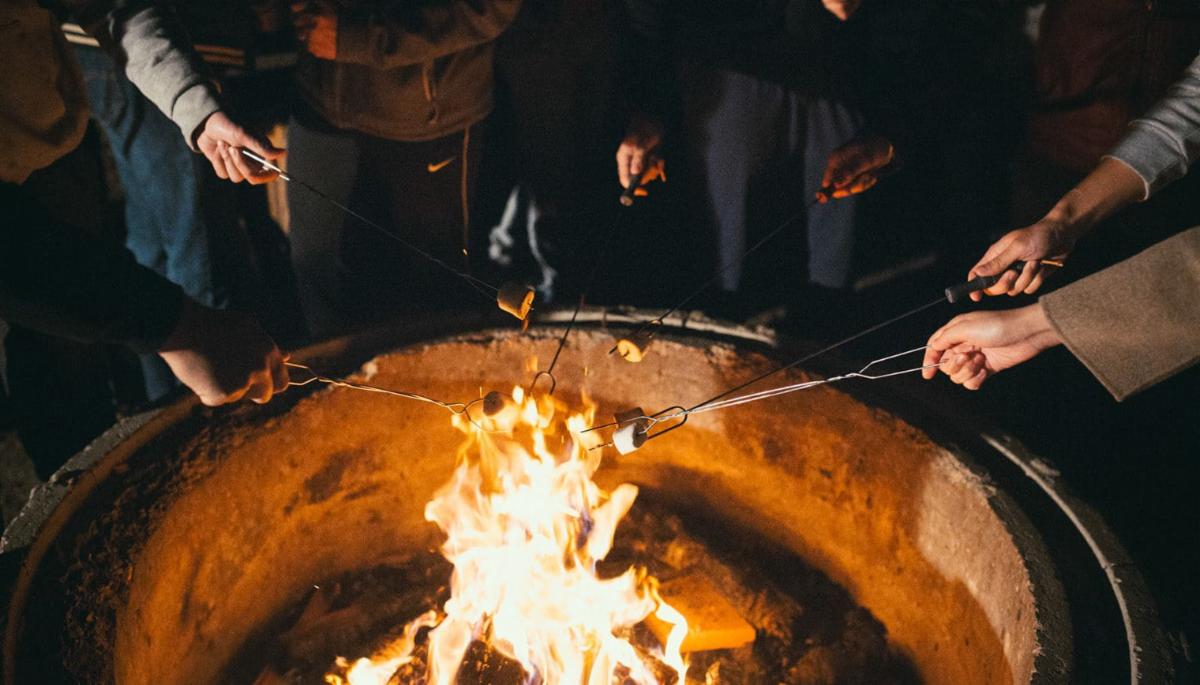
We can’t point to a single inventor of the s’more, but the concept of melting the gooey concoctions over a campfire dates to at least 1927, when a recipe for “Some mores” was published in a handbook called Tramping and Trailing with the Girl Scouts. The delicious combination of chocolate, marshmallow, and graham cracker was nothing new—the Mallomar was invented in 1913—but there’s something to be said for the smokiness and warmth that come from the fire.
Bonfires
Building giant fires for fun instead of necessity started as a Fourth of July tradition, when towns in New England used to compete to see who could build the tallest pile of flaming debris. Fall bonfires were also a custom, in part because many of the colonists weren't that far removed from participation in Guy Fawkes Night. George Washington hated the tradition due to its anti-Catholic sentiment—another byproduct of the association with Guy Fawkes—calling it a “ridiculous and childish custom” in 1775.
| | PAYING IT FORWARD WITH PASSION AND PURPOSE | | |
Episode 5: Smart Spending in Share City
In this episode, our heroes arrive in Share City, a bustling place where people learn the power of smart spending, saving, sharing, and giving back. Miles discovers what “best value” really means, learns how to run a successful lemonade stand, and even finds out how making wise money choices can lead to helping his community! This fun and colorful story helps children understand money skills that will last a lifetime—budgeting, saving, and the joy of generosity.
| | Kinder & Griffin's Picture of the Week | | Julianne's Picture of the Week | | Coralyn's Picture of the Week | | Stay connected with me on social media | | | | |