A Weekly Newsletter from David Pickler | |
|
TODAY'S TOPIC:
Women's History Month
| |
Women's History Month continues to be a pivotal time for reflecting on the profound contributions women have made to society, culture, politics, and the economy throughout history. The month offers an opportunity to educate and inspire people of all ages about the roles women have played in shaping our world, emphasizing the importance of inclusivity, respect, and equal opportunities for all. Keep reading to discover the stories of women, both from the past and today, who have laid the groundwork for future generations to keep forging paths in history. | |
|
Why Do We Celebrate
Women's History Month?
| |
|
Women’s History Month is a dedicated month to reflect on the often-overlooked contributions of women to U.S. history. From Abigail Adams to Susan B. Anthony, Sojourner Truth to Rosa Parks, the timeline of women’s history milestones stretches back to the founding of the United States.
The actual celebration of Women’s History Month grew out of a weeklong celebration of women’s contributions to culture, history and society organized by the school district of Sonoma, California, in 1978. Presentations were given at dozens of schools, hundreds of students participated in a “Real Woman” essay contest and a parade was held in downtown Santa Rosa.
A few years later, the idea caught on within communities, school districts and organizations across the country. In 1980, President Jimmy Carter issued the first presidential proclamation declaring the week of March 8 as National Women’s History Week. The U.S. Congress followed suit the next year, passing a resolution establishing a national celebration. Six years later, the National Women’s History Project successfully petitioned Congress to expand the event to the entire month of March.
| |
Celebrating Women in Film | |
Women's History Milestones | 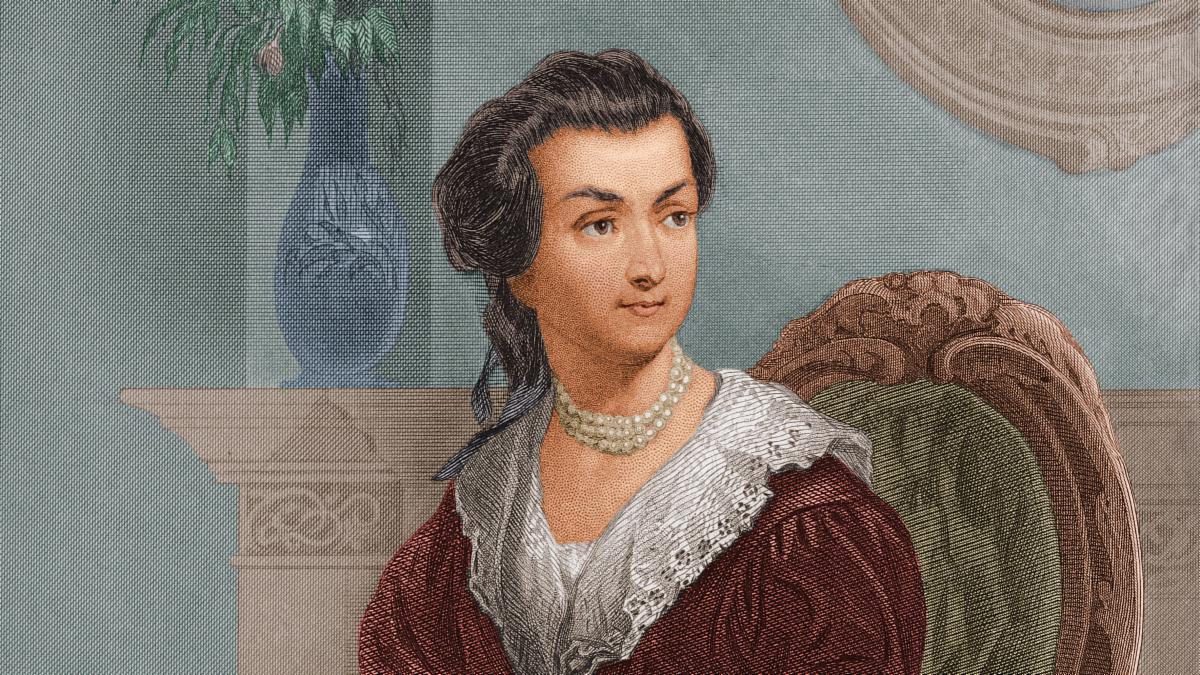 | |
March 31, 1776: In a letter to her husband, Founding Father John Adams, future first lady Abigail Adams makes a plea to him and the Continental Congress to “remember the ladies and be more generous and favorable to them than your ancestors. Do not put such unlimited power into the hands of the husbands. Remember, all men would be tyrants if they could. If particular care and attention is not paid to the ladies, we are determined to foment a rebellion, and will not hold ourselves bound by any laws in which we have no voice or representation.”
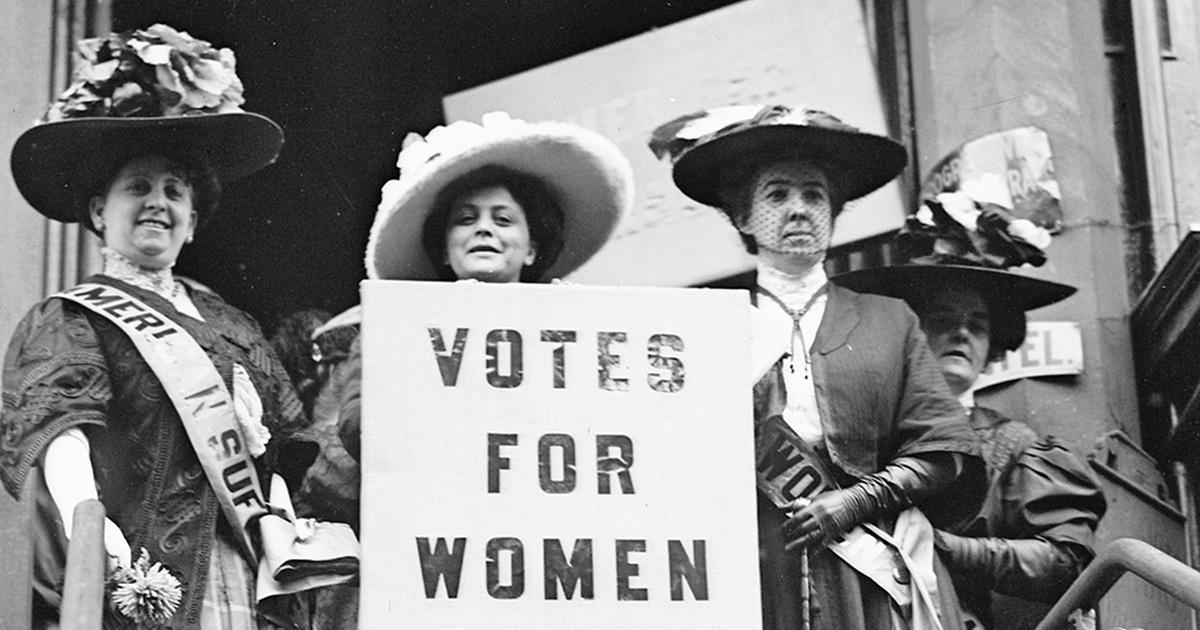
July 19-20, 1848: In the first women’s rights convention organized by women, the Seneca Falls Convention is held in New York, with 300 attendees, including organizers Elizabeth Cady Stanton and Lucretia Mott. Sixty-eight women and 32 men (including Frederick Douglass) sign the Declaration of Sentiments, which sparked decades of activism, eventually leading to the passage of the 19th Amendment granting women the right to vote.
January 23, 1849: Elizabeth Blackwell becomes the first woman to graduate from medical school and become a doctor in the United States. Born in Bristol, England, she graduated from Geneva College in New York with the highest grades in her entire class.
May 29, 1851: A formerly enslaved worker turned abolitionist and women’s rights activist, Sojourner Truth delivers her famous "Ain't I a Woman?" speech at the Women’s Rights Convention in Akron, Ohio. “And ain't I a woman? Look at me! Look at my arm! I have ploughed and planted, and gathered into barns, and no man could head me! And ain't I a woman? I could work as much and eat as much as a man—when I could get it—and bear the lash as well! And ain't I a woman? I have borne 13 children, and seen most all sold off to slavery, and when I cried out with my mother's grief, none but Jesus heard me! And ain't I a woman?”
| 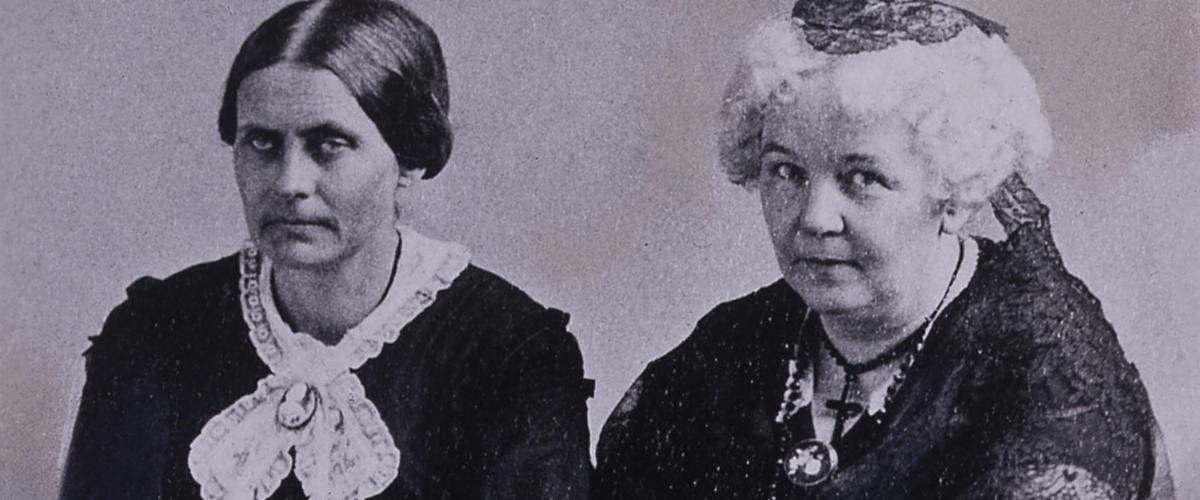 | |
May 15, 1869: Susan B. Anthony and Elizabeth Cady Stanton found the National Woman Suffrage Association, which coordinated the national suffrage movement. In 1890, the group teamed with the American Woman Suffrage Association to form the National American Woman Suffrage Association.
Dec. 10, 1869: The legislature of the territory of Wyoming passes America’s first woman suffrage law, granting women the right to vote and hold office. In 1890, Wyoming is the 44th state admitted to the Union and becomes the first state to allow women the right to vote.
April 2, 1917: Jeannette Rankin of Montana, a longtime activist with the National Woman Suffrage Association, is sworn in as the first woman elected to Congress as a member of the House of Representatives.
Aug. 18, 1920: Ratification of the 19th Amendment to the U.S. Constitution is completed, declaring “the right of citizens of the United States to vote shall not be denied or abridged by the United States or by any State on account of sex.” It is nicknamed “The Susan B. Anthony Amendment” in honor of her work on behalf of women’s suffrage.
| 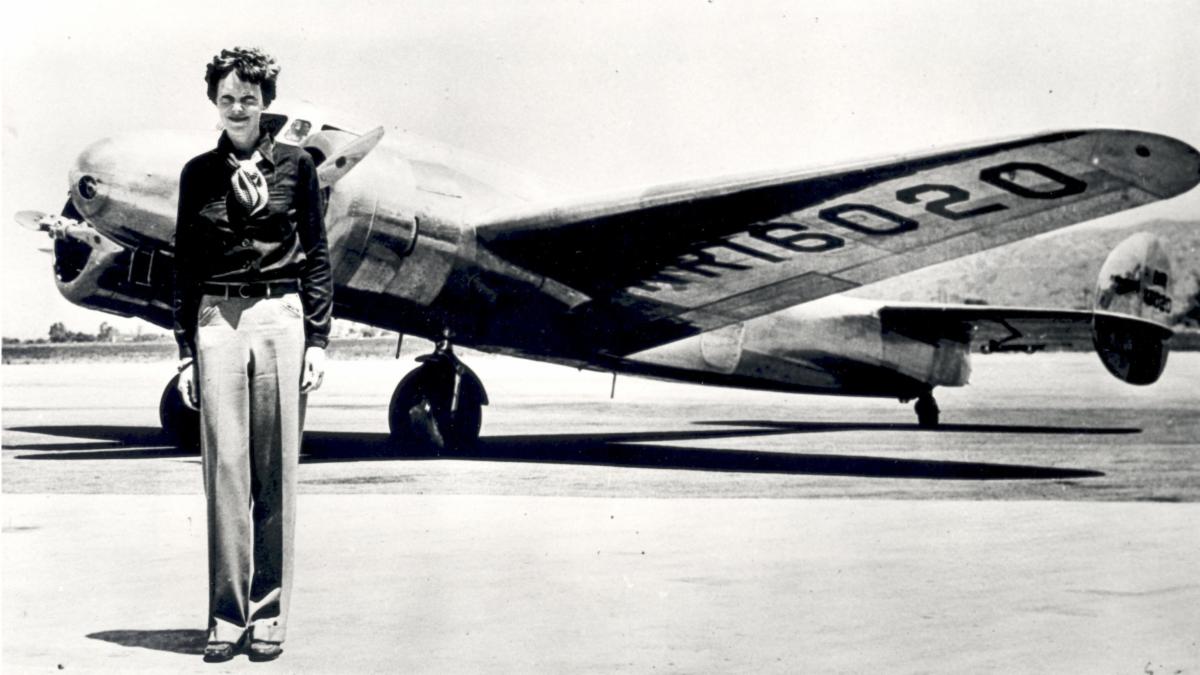 | |
May 20-21, 1932: Amelia Earhart becomes the first woman, and second pilot ever (Charles Lindbergh was first) to fly solo nonstop across the Atlantic.
Dec. 1, 1955: Black seamstress Rosa Parks refuses to give up her seat to a white man on a bus in Montgomery, Ala. The move helps launch the civil rights movement.
June 10, 1963: President John F. Kennedy signs into law the Equal Pay Act, prohibiting sex-based wage discrimination between men and women performing the same job in the same workplace.
July 2, 1964: President Lyndon B. Johnson, signs the Civil Rights Act into law; Title VII bans employment discrimination based on race, religion, national origin or sex.
|  | |
June 23, 1972: Title IX of the Education Amendments is signed into law by President Richard Nixon. It states “No person in the United States shall, on the basis of sex, be excluded from participation in, be denied the benefits of, or be subjected to discrimination under any education program or activity receiving Federal financial assistance."
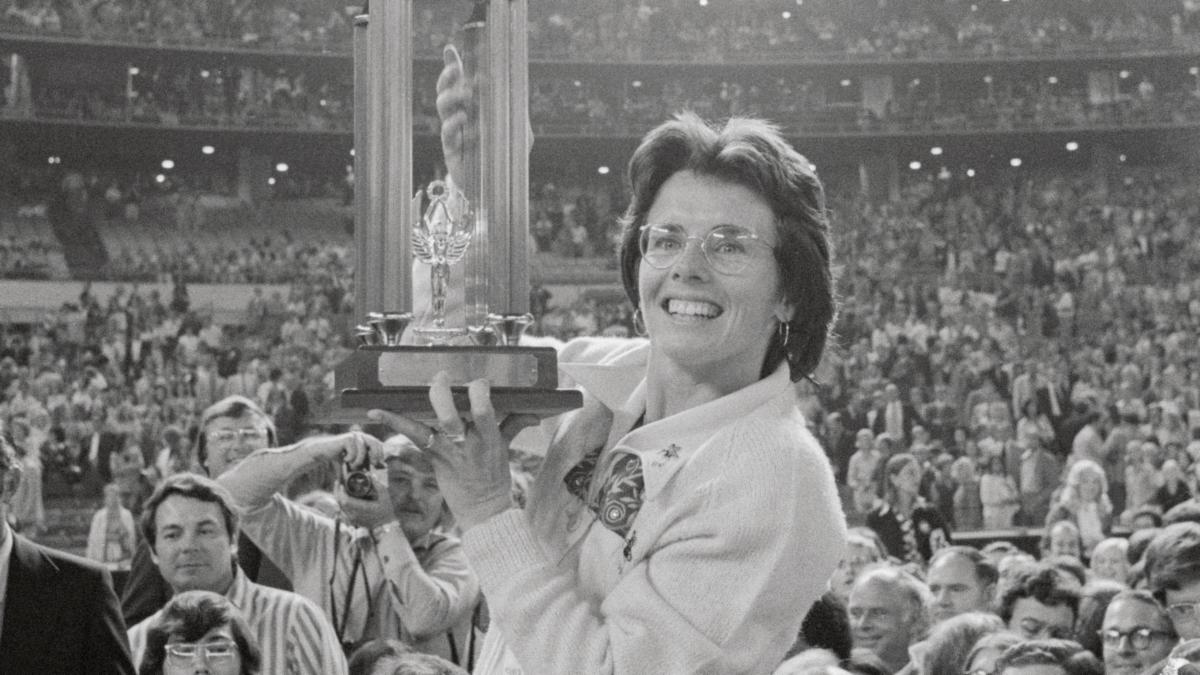
Sept. 20, 1973: In “The Battle of the Sexes,” tennis great Billie Jean King beats Bobby Riggs in straight sets during an exhibition match aired on primetime TV and drawing 90 million viewers. “I thought it would set us back 50 years if I didn’t win that match,” King says after the match. “It would ruin the women’s [tennis] tour and affect all women’s self-esteem.”
July 7, 1981: Sandra Day O’Connor is sworn in by President Ronald Reagan as the first woman to serve on the U.S. Supreme Court. She retires in 2006, after serving for 24 years.
June 18 1983: Flying on the Space Shuttle Challenger, Sally Ride becomes the first American woman in space.
| |
|
Aretha Franklin, first female Rock & Roll Hall of Famer
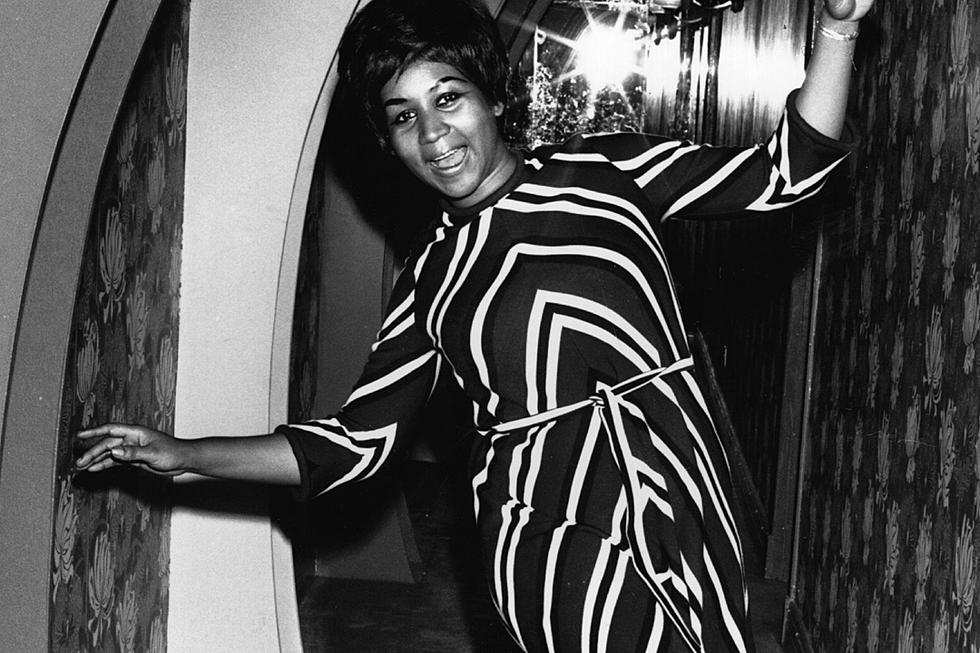
Here’s a bit of pop culture trivia: In 1987, Aretha Franklin became the first woman ever to be inducted into the Rock & Roll Hall of Fame. The late Queen of Soul may be most famous for her reworking of Otis Redding’s “Respect,” which the Hall of Fame views as Franklin’s “assertion of selfhood in the women’s movement.”
| |
|
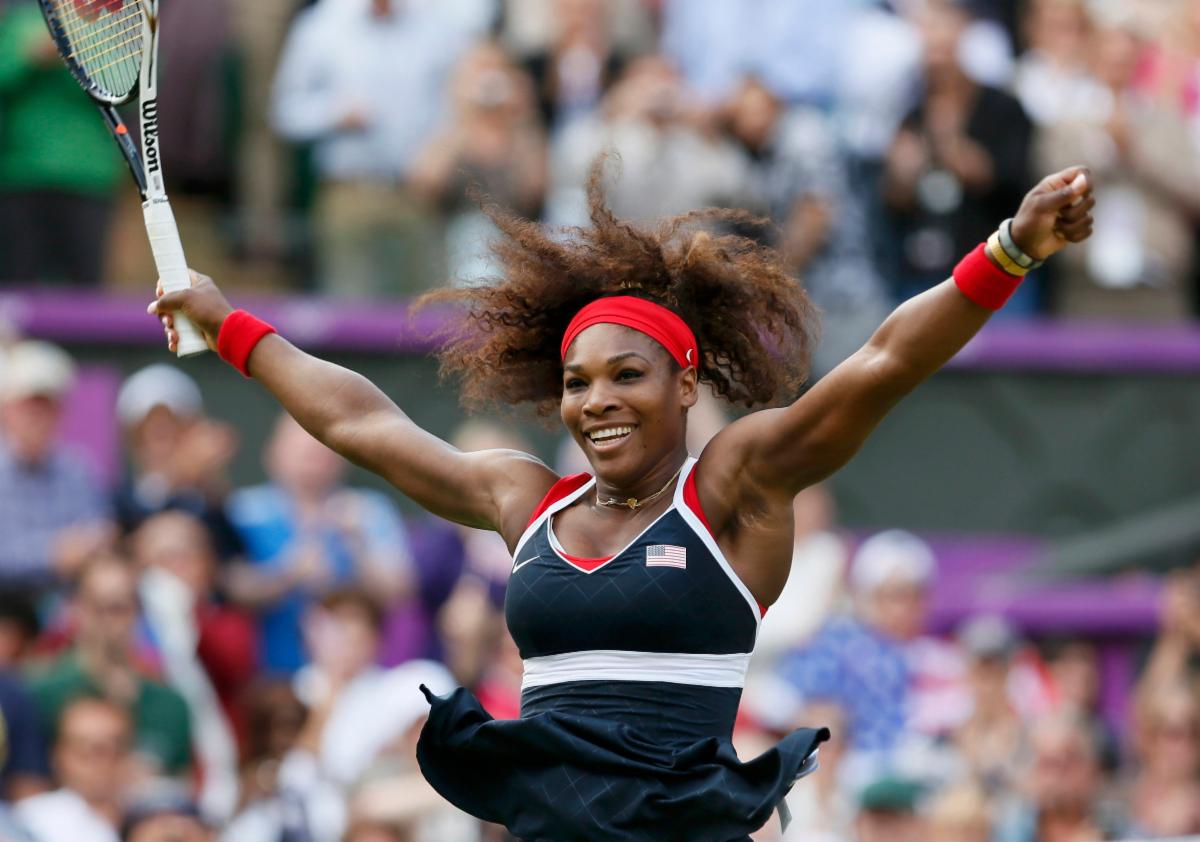
Serena Williams, first (and only) tennis player to accomplish a Career Golden Slam in singles and doubles
Serena Williams, who announced her plans to retire from tennis in August 2022, spent the past three decades making history. This includes being the first—and only—professional tennis player of any gender to accomplish a Career Golden Slam in both singles and doubles. If you’re unfamiliar with tennis, a Golden Slam means that a player has won each of the four Grand Slam tournaments (the Australian Open, French Open, Wimbledon and U.S. Open) and an Olympic gold medal. Williams completed her singles Golden Slam on August 4, 2012, when she won her first singles gold medal at the London Olympics. A decade earlier, Williams and her sister, Venus Williams, completed their doubles Golden Slam at the 2001 Australian Open—a year after winning Wimbledon and gold medals at the 2000 Sydney Olympics.
|  | |
Ella Fitzgerald, Judy Garland, Astrud Gilberto and Carole King, female Grammy firsts
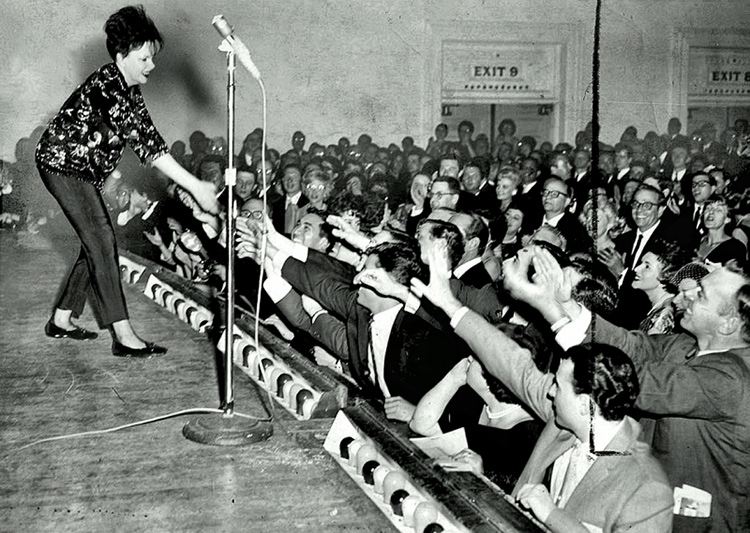
At the very first Grammy Awards in 1958, Ella Fitzgerald, known as the First Lady of Song, was awarded two Grammys, making her the first woman to win two of the awards and the first Black woman to win one at all. In 1962, Judy Garland made Grammy history of her own, becoming the first woman to win for Album of the Year (Judy at Carnegie Hall).
Other female Grammy firsts include:
- Astrud Gilberto: The first woman to win Record of the Year in 1964 for “The Girl from Ipanema,” an honor she shared with Stan Getz.
- Carole King: The first woman to win Song of the Year and Record of the Year, solo, for “It’s Too Late” in 1971.
| |
|
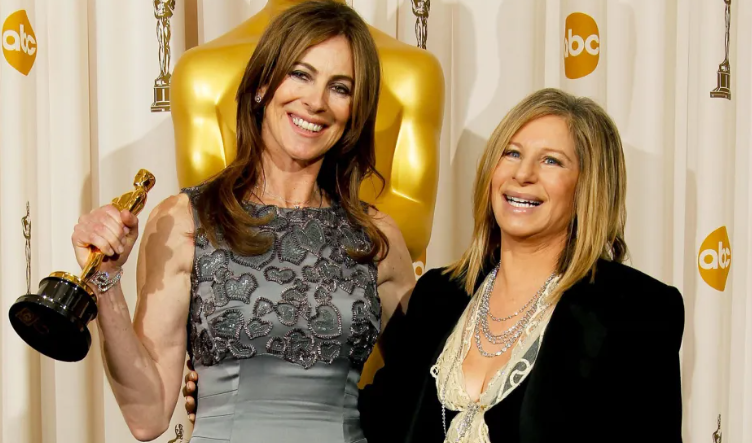
Barbra Streisand and Kathryn Bigelow, film-industry firsts
In 1984, Barbra Streisand became the first woman ever to win a Golden Globe Award for Best Director. The film was Yentl, in which Streisand also starred, playing a woman pretending to be a man. In 2010, Kathryn Bigelow became the first woman ever to win an Oscar for Best Director. The film was The Hurt Locker, and one of the other nominees was Bigelow’s ex-husband, James Cameron, for Avatar. If you haven’t seen these flicks, get to it—they’re two of the best movies of all time.
| |
|
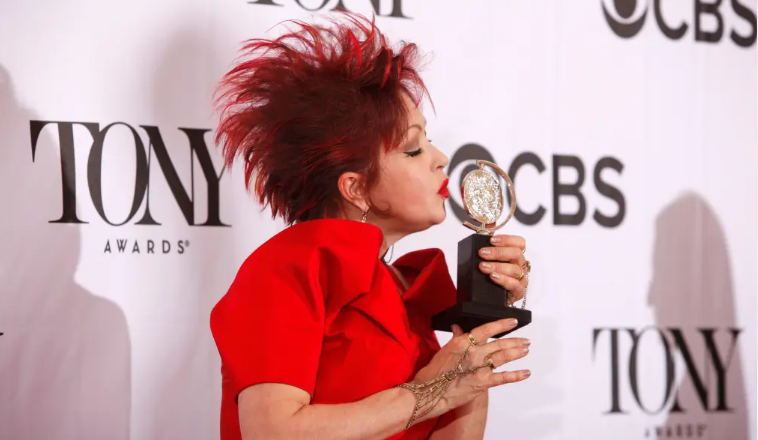
Julie Taymor and Cyndi Lauper, theater-world firsts
It wasn’t until 1998 that a woman won a Tony Award for Best Director of a musical. That was Julie Taymor, who won for The Lion King. In 2013, Cyndi Lauper became the first woman to win a Tony Award (solo) for Best Original Score, for Kinky Boots.
| 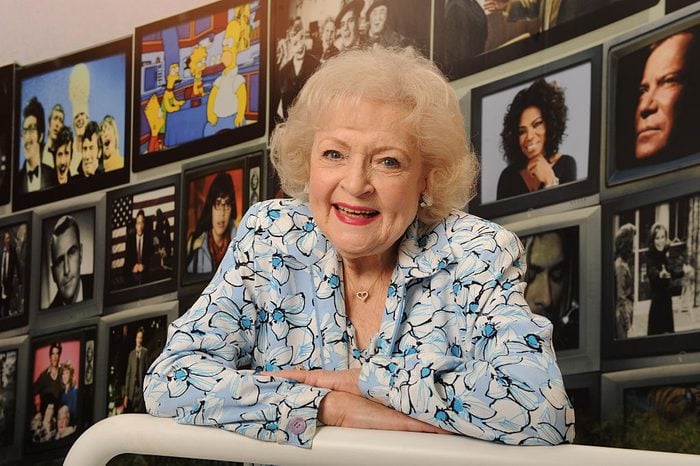 | |
Betty White, first woman to win an Emmy for hosting a game show
In 2018, Betty White made it into the Guinness Book of World Records as the female entertainer with the longest television career—which, at the time, spanned nearly 80 years. Though White died three years later, at the age of 99, she still retains this record. This is hardly surprising, given that she’d been on television nearly as long as the medium had existed. She was among the first women on TV, appearing on several experimental broadcasts in the 1930s, and in the early 1950s, she became one of the first women to write, produce and star in her own nationally syndicated TV sitcom (Life with Elizabeth). Over the years, she played beloved characters like Sue Ann Niven on The Mary Tyler Moore Show and Rose Nylund on The Golden Girls, but her big female first happened in 1983, when she became the first woman to win a Daytime Emmy Award for Outstanding Game Show Host (for NBC’s celebrity panel game show, Just Men!).
| |
|
Decades of Dedication
Celebrating 40 Years of Client Service Excellence
| |
PAYING IT FORWARD WITH PASSION AND PURPOSE | |
Leadership Germantown builds a community of engaged citizens and creates powerful civic opportunities. Through building lifelong friendships and co-creating the Leadership Germantown Alumni Association, David’s work with this organization has fostered a life of community service and impactful leadership. | |
Stay connected with me on social media | | | | |