Massachusetts' economy has thrived for decades by attracting talent from all around the world: from high-tech entrepreneurs, scientists and engineers, to hospitality, health care and construction workers.
One in five workers in our Commonwealth is foreign-born, and in some fields, they make up half or more of the work force.
N-Squared:
Much of the media attention lately has focused on Immigration and Customs Enforcement (ICE) raids at places like factories, but here in the Boston suburbs immigrants are a key part of the innovation infrastructure and a core part of the tech and biotech community. What are you hearing from businesses that are their key concerns regarding immigration?
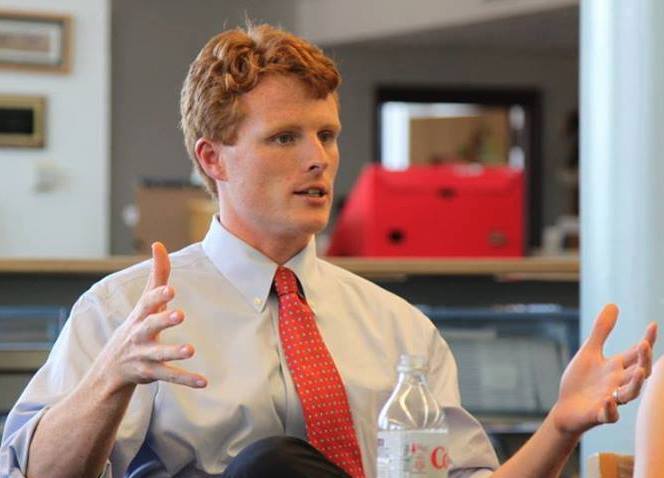
Kennedy: It is clear that immigration reform is critical to our future growth and our global competition. From technology to education to health care to manufacturing to agriculture to domestic workers, immigrants power businesses across our Commonwealth. Throughout our communities, immigrants create jobs as small business owners, entrepreneurs and corporate leaders in emerging and historic sectors that strengthen the Massachusetts economy.
N-Squared:
What impact do you think the immigration rhetoric from the Trump Administration has on the local business climate?
Kennedy: We cannot ignore the language that President Trump and many members of his staff bring forth every single day because of the pain it causes and the hate it stirs in our communities. No child, no citizen, no human being should be told to "go back where they came from" and find those words
echoed by the highest echelons of our government. But policy matters too, and this Administration has threatened the success and growth of nearly every industry in our Commonwealth.
N-Squared:
You've called immigration an "affirmation of our success" as Americans. Does the current anti-immigration climate pose a threat to our economic future? Do state and local actions, like sanctuary cities and the Safe Communities Act, help in this regard?
Kennedy: Without a doubt, the current climate threatens our economic growth and a welcoming business environment that we have built throughout generations in Massachusetts. In the absence of federal leadership on immigration reform, it is absolutely critical that state and local governments step forward to fill that void and bring clarity and stability to local economies. With roughly 7.5 million unfulfilled jobs and only 6.5 million people looking for work in this country, immigration reform can help us address a labor shortage that is holding our economy back.
N-Squared:
What steps can businesses take to ensure they have the employees they need even to grow, even when those potential employees are overseas? Will they need to outsource to get access to new talent?
Kennedy: Businesses have a unique ability to influence public debate and force a reluctant government to act. In our current political environment, we need business leaders to do more than just implement immigrant friendly workplace structures, but to become activists in their local community and throughout our country and demand federal policy that will increase jobs that will help empower more families to succeed.
N-Squared:
Massachusetts is built on education both with the annual influx of students and with the innovation that research institutions bring to the region. What are you hearing from the education sector as to the role that immigration policy is playing in regards to student enrollment and long-term attraction and retention of research talent?
Kennedy: Whether they are pursuing a PhD or starting kindergarten, students arriving on our shores should be welcomed here, their contributions celebrated, and we should be implementing policies that allow them to build careers, businesses and lives here. Education leaders are among the most powerful advocates for immigration reform that we have in our Commonwealth. It isn't fair to ask teachers, administrators or researchers to do more than they already do, but we need their voices in this debate.
|